
Trees
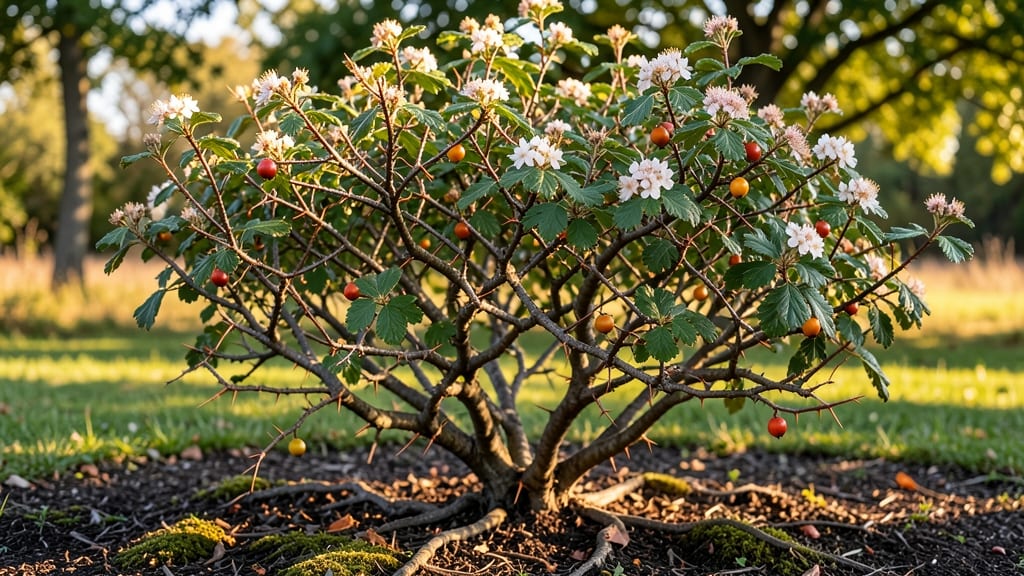
A thorn tree with yellow fruit could be your next container garden star. 🌿 I’ve grown both hawthorn and loquat in pots, and their glossy leaves and sweet-tart fruit make them stand out—even in small spaces. The key is choosing the right variety for your climate and container size.
Hawthorns (Crataegus) offer bright berries and thorny branches, while loquats (Eriobotrya japonica) deliver edible fruit with citrus-like aroma. Both thrive in well-draining soil and need 6+ hours of sunlight daily. Just watch for pests like aphids or fungal spots—regular pruning keeps them healthy.
By summer, you’ll see clusters of yellow fruit ripening, and the tree’s evergreen foliage adds year-round interest. Container-grown trees stay manageable and can even be moved indoors during winter if needed. Perfect for patios or balconies!
Start with a 15-gallon pot for young trees, and upgrade as they grow. The right care turns these thorny beauties into low-maintenance focal points that reward you with both beauty and harvests.
Natural Triggers Behind Fruit Color
The vibrant yellow fruit on your thorn tree isn’t just a random quirk—it’s the result of a mix of biological and environmental factors working in harmony.
Understanding these triggers can help you nurture the tree to keep producing those striking citrus-like fruits. Here’s why it happens, broken down into clear causes:
The most foundational reason for those bright yellow fruits is genetics. Many thorn trees, particularly those in the Ziziphus or Pawpaw families, are hardwired to produce fruit with yellow or golden hues as they ripen.
This trait is often inherited from parent plants and can vary slightly based on the specific cultivar. For example:
- Ziziphus jujuba (Chinese Date): Naturally develops yellow-orange fruit when fully mature.
- Asimina triloba (Pawpaw): Produces yellow-green fruit that turns golden-yellow when ripe.
- Hybrid varieties: Breeders often select for vibrant yellow fruit to enhance visual appeal and marketability.
💡 Pro Tip: If you’re growing a named cultivar (like ‘Meader’ or ‘Sunflower’), check its description—many specify fruit color as a defining trait.
Yellow fruit isn’t just about genetics—it’s also a sunlight-driven process. Chlorophyll, the green pigment in leaves, helps convert sunlight into energy. But as fruit matures, chlorophyll breaks down, revealing carotenoids (yellow, orange, or red pigments) underneath. Here’s how sunlight plays a role:
- Increased sugar production: More sunlight = more photosynthesis = higher sugar content in the fruit, which intensifies the yellow color.
- Even ripening: Direct sunlight ensures uniform color development. Shady spots may lead to patchy or pale fruit.
- Temperature effects: Warmer days (75–85°F) accelerate ripening, while cooler temps slow it down, sometimes resulting in a paler yellow.
🌡️ Actionable Tip: Place your container in a spot with 6–8 hours of direct sunlight daily. If indoors, use a grow light to supplement during winter months.
Water stress or nutrient imbalances can dramatically alter fruit color. Here’s how:
| Factor | Effect on Fruit Color | Solution |
|---|---|---|
| Overwatering | Dilutes nutrients, leading to pale or greenish-yellow fruit. | Let the top 2–3 inches of soil dry out between waterings. Use well-draining soil. |
| Underwatering | Causes stress, resulting in small, unevenly colored fruit. | Water deeply when the soil feels dry to the touch. Mulch to retain moisture. |
| Nitrogen excess | Promotes leafy growth at the expense of fruit vibrancy. | Use a balanced fertilizer (e.g., 10-10-10) and avoid heavy nitrogen feeds. |
| Potassium deficiency | Weakens fruit development, leading to dull or uneven yellowing. | Add a potassium-rich supplement (like banana peel tea or wood ash) during fruiting season. |
✨ Pro Tip: Test your soil’s pH (ideal: 6.0–7.0 for most thorn trees). Acidic soil can lock out nutrients, dulling fruit color.
Fruit color shifts as it transitions from green to yellow—a natural ripening process. Here’s the science behind it:
- Chlorophyll degradation: As the fruit matures, chlorophyll breaks down, revealing carotenoids (like lutein and beta-carotene), which give the yellow hue.
- Ethylene gas release: This plant hormone signals ripening. In container-grown trees, confined spaces can accelerate or delay this process.
- Temperature drops: Cooler nights (below 60°F) can slow ripening, sometimes resulting in fruit that stays greenish-yellow longer.
🎯 Actionable Tip: Harvest fruit when it’s fully yellow but still slightly firm. Overripe fruit may turn brown or mushy.
By tackling these natural triggers—genetics, sunlight, hydration, and seasonal cues—you’ll encourage your thorn tree to produce the brightest, most flavorful yellow fruit year after year. 🌿
Revitalizing Your Thorny Citrus Tree
If your thorny tree with bright yellow fruit is struggling, don’t worry—most issues can be fixed with the right care. Below, we’ve mapped out practical solutions for common problems, from nutrient deficiencies to pests, along with prevention tips to keep your tree thriving in containers.
Let’s get your citrus companion back to its vibrant best!
Yellowing leaves or stunted growth often signal a lack of essential nutrients. Here’s how to diagnose and treat:
🔥 Lack of Nitrogen (Pale Yellow Leaves)
- Fix: Apply a balanced citrus fertilizer (10-10-10 or 6-6-6) every 4–6 weeks during spring and summer.
- Prevention:
- Use compost or worm castings to enrich soil naturally.
- Avoid over-fertilizing—stick to the recommended dosage to prevent root burn.
🍳 Iron or Zinc Deficiency (Yellowing Between Veins)
- Fix: Use an iron chelate or zinc sulfate supplement (follow package instructions).
- Prevention:
- Test soil pH—citrus trees prefer slightly acidic soil (pH 6.0–7.0). Adjust with sulfur if too alkaline.
- Water thoroughly after applying supplements to help absorption.
👨🍳 Magnesium Deficiency (Yellow Edges on Older Leaves)
- Fix: Sprinkle Epsom salt (magnesium sulfate) around the base (1 tbsp per gallon of water) and water deeply.
- Prevention:
- Avoid overwatering, which leaches magnesium from the soil.
- Rotate containers annually to prevent nutrient depletion in one spot.
Over- or under-watering can stress your tree, leading to fruit drop or leaf scorch. Here’s how to strike the right balance:
🥘 Overwatering (Yellow Leaves, Mushy Roots)
- Fix:
- Let the top 2–3 inches of soil dry out between waterings.
- Ensure the container has drainage holes and use a well-draining potting mix (e.g., citrus-specific blend).
- Prevention:
- Use a moisture meter to check soil levels.
- Avoid watering on a schedule—always check soil moisture first.
⏰ Underwatering (Dry, Crispy Leaves)
- Fix:
- Water deeply until it drains from the bottom.
- Move the tree to a shadier spot if leaves are scorched from sun exposure.
- Prevention:
- Group containers together to create a microclimate that retains humidity.
- Mulch the soil surface with straw or bark to reduce evaporation.
Pests like aphids or fungal issues can drain your tree’s energy. Act fast with these solutions:
🔪 Pest Infestations (Aphids, Scale, or Spider Mites)
- Fix:
- Neem oil spray (1 tsp neem oil + 1 tsp mild soap per quart of water) to suffocate pests.
- Blast off pests with a strong stream of water for aphids.
- Prevention:
- Inspect leaves weekly under bright light for early signs.
- Introduce beneficial insects like ladybugs to control pests naturally.
🌡️ Fungal Issues (Brown Spots or Mold)
- Fix:
- Prune infected leaves and dispose of them (don’t compost).
- Apply a copper fungicide or baking soda spray (1 tbsp baking soda + 1 quart water + a drop of soap).
- Prevention:
- Avoid overhead watering—use a drip irrigation system or water at the base.
- Space containers 3–4 feet apart for airflow.
Containers limit root space, so proactive care is key. Try these tips:
- 💡 Repot every 2–3 years into a slightly larger container (diameter + 2 inches).
- ✨ Rotate containers monthly to ensure even sunlight exposure.
- 🌿 Prune regularly to improve airflow and shape—remove dead branches and suckers at the base.
With these fixes, your thorny tree with yellow fruit should bounce back in no time. Consistency is key—monitor its progress and adjust care as needed. Happy gardening! 🌿🍊
Frequently asked questions
What are the most common thorn trees with yellow fruit?
The two most popular varieties are hawthorn (Crataegus) and loquat (Eriobotrya japonica). Hawthorns produce bright red berries but have yellow-green foliage, while loquats bear edible yellow fruit that smells like citrus. Both thrive in containers and offer year-round interest with their glossy leaves.
Are the yellow fruits edible?
It depends on the tree! Loquats and some citrus relatives like citron trees produce edible yellow fruit with sweet-tart flavors. Hawthorn berries are not edible raw—they must be cooked first. Always research your specific variety before harvesting!
How do I know if my tree needs more sunlight?
Watch for pale leaves, slow growth, or fruit that stays green—these are clear signs of insufficient light. Move your container to a spot with 6+ hours of direct sunlight daily. If indoors, supplement with a grow light during winter months when natural light is limited.
Can I grow a thorn tree in a small container?
Yes! Start with a 15-gallon pot for young trees and upgrade as they grow. Use a well-draining citrus mix and ensure the container has drainage holes. Dwarf varieties like 'Little Gem' hawthorn stay compact, making them perfect for patios or balconies.
Why aren't my yellow fruits ripening?
Ripening requires proper sunlight and temperature. Fruit may stay green if the tree gets less than 6 hours of sunlight daily or if nights are too cool (below 60°F). Harvest when fruit is fully yellow but still firm—overripe fruit turns brown or mushy.