
Flowers
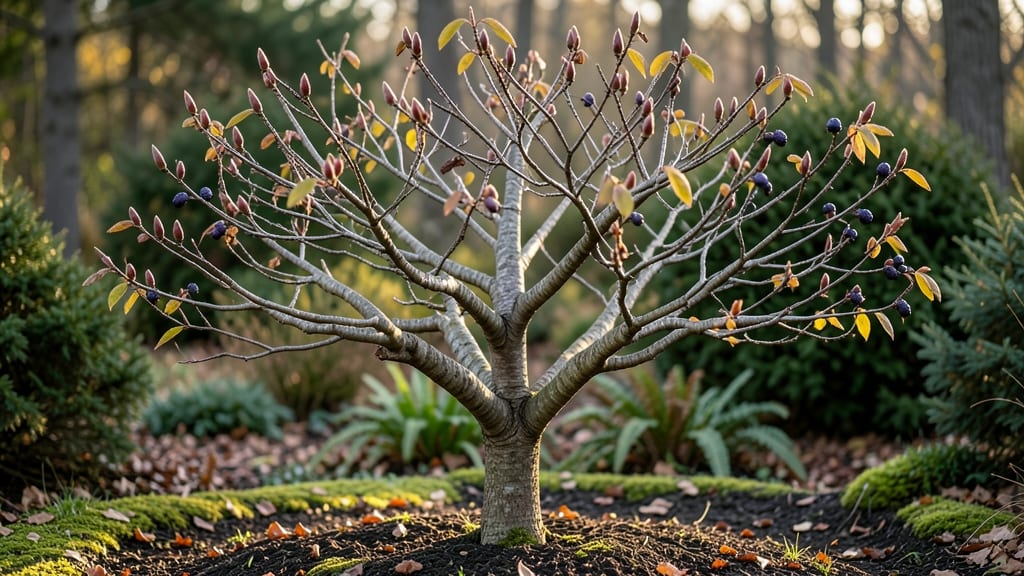
Your dogwood tree without flowers isn’t blooming because it’s telling you something important—maybe it’s hungry, stressed, or simply needs a strategic haircut. 🌳 I’ve nursed back several dogwoods from bare branches to spectacular spring blooms, and the key lies in understanding why flowers disappear before you can fix it.
The most common culprits are over-pruning (cutting back too late in summer or winter), nutrient deficiencies (especially potassium and phosphorus), or environmental mismatches (too much shade or poor soil drainage).
Dogwoods bloom on old wood, so aggressive pruning after flowering can rob next year’s blooms. Even pests like borers or fungal diseases like anthracnose can steal energy meant for flowers.
Here’s the good news: with the right adjustments—like pruning at the right time, feeding with the correct fertilizer, and ensuring full sun—you’ll see buds forming within 1-2 seasons. The secret isn’t forcing blooms but giving your tree the conditions it needs to thrive naturally.
Let’s diagnose the exact issue first—because every dogwood’s story is different. Start by checking the branches, soil, and sunlight, and we’ll work backward from there.
Root Causes Behind Missing Blooms
If your dogwood tree is skipping its usual floral display, don’t panic—there’s usually a logical (and fixable!) explanation behind it. Dogwoods (Cornus florida) are finicky about their care, and even small imbalances can trigger a no-show for their iconic spring blooms.
Below, we break down the most common reasons your tree might be playing hide-and-seek with its flowers, complete with science-backed insights to help you diagnose the issue.
A young dogwood tree simply hasn’t reached its prime blooming age. Most dogwoods take 3–5 years to mature enough to produce flowers, and some varieties (like Cornus florida ‘Cherokee Brave’) may wait even longer.
During this time, the tree focuses its energy on root and branch development rather than reproduction.
How to check: If your tree is under 5 years old, it’s likely just biding its time. Look for bud scales (small brown covers on branches) in late winter—these indicate next year’s potential blooms. If the buds are present but fail to open, the issue might lie elsewhere.
Actionable tip: 💡 Avoid pruning immature trees aggressively, as this can delay flowering further. Focus on providing consistent water and nutrient-rich soil to speed up maturation.
Dogwoods are sensitive to extreme conditions, and stress from heat, cold, drought, or poor soil can force the tree to prioritize survival over flowering. For example:
- Drought stress: Dogwoods need 1–1.5 inches of water per week during growing seasons. Prolonged dry spells cause the tree to conserve energy, often resulting in fewer (or no) blooms.
- Heatwaves: Temperatures above 90°F (32°C) can damage flower buds before they open, especially in southern climates.
- Winter injury: Late spring frosts (28°F/-2°C or lower) after buds swell can kill emerging flowers. Dogwoods are also susceptible to winter desiccation (browning branches in dry, windy winters).
- Poor drainage: Soggy soil (from overwatering or clay-heavy soil) can suffocate roots, starving the tree of energy needed for blooms.
How to fix: Monitor soil moisture with your finger—it should feel like a wrung-out sponge at 2–3 inches deep. Mulch with 2–4 inches of organic matter (like shredded bark) to retain moisture and regulate temperature. If your area has late frosts, choose late-blooming varieties (e.g., Cornus florida ‘Rubra’) or protect buds with frost cloth.
Dogwoods are light feeders but still need a balanced diet to bloom. Deficiencies in key nutrients can halt flower production:
| Nutrient | Symptoms | Solution |
|---|---|---|
| Nitrogen (N) | Yellowing leaves (chlorosis), stunted growth | Apply a balanced fertilizer (10-10-10) in early spring. Avoid overdoing it—too much nitrogen promotes foliage over flowers. |
| Phosphorus (P) | Purple-tinged leaves, weak stems, no flowers | Use a bone meal or rock phosphate (5–10 lbs per 100 sq ft) in early spring. |
| Potassium (K) | Brown leaf edges, weak branches | Add wood ash or greensand for a potassium boost. Test soil first—too much can harm roots. |
| Micronutrients (Zinc, Iron, Magnesium) | Yellowing between leaf veins (iron), weak stems (zinc) | Use a chelated micronutrient spray or apply Epsom salt (magnesium sulfate) for deficiencies. |
Pro tip: 🌡️ Test your soil’s pH—dogwoods thrive in acidic soil (pH 5.0–6.5). If your soil is alkaline (pH >7), amend it with sulfur or peat moss to improve nutrient uptake.
Hidden invaders can drain your dogwood’s energy, leaving it too weak to bloom:
- Powdery mildew: A fungal disease causing white, powdery patches on leaves. It blocks photosynthesis, reducing energy for flowers.
- Anthracnose: Dark, sunken spots on leaves/branches. Severe cases defoliate the tree, halting bloom production.
- Borers (dogwood borer):strong> Larvae tunnel into branches, disrupting nutrient flow. Look for sawdust-like frass near holes.
- Spider mites: Tiny pests that suck sap, causing yellow stippling on leaves.
How to combat:
- 🔥 Prevent fungi: Space trees for airflow, water at the base (not leaves), and apply neem oil or copper fungicide in spring.
- 👨🍳 Treat borers: Prune and burn infested branches; apply beneficial nematodes or Bt (Bacillus thuringiensis) spray.
- 🌿 Boost immunity: Healthy soil = disease resistance. Add compost and mulch to strengthen roots.
Dogwoods bloom on old wood (last year’s growth), so aggressive pruning can remove next year’s flower buds before they form. Common errors:
- Pruning too late: Trimming after mid-summer removes next year’s flower buds, which form in late summer/fall.
- Over-pruning: Removing more than 25% of the canopy in one go stresses the tree.
- Topping the tree: Cutting branches back to a stub encourages weak growth and fewer blooms.
Correct approach: ✨ Prune only in late winter/early spring (before buds swell) or right after blooming. Use clean, sharp tools to make angled cuts just above a bud or branch collar. Avoid “haircutting”—focus on removing dead/diseased wood and thinning for airflow.
Reviving your dogwood’s blooms naturally
A bare-branched dogwood can feel like a missed spring ritual, but with the right care, you can coax those iconic blooms back to life. Below, we’ve mapped out practical fixes for the most common causes—plus preventative steps to keep your tree thriving.
Think of this as your step-by-step troubleshooting guide to restore your dogwood’s floral glory.
Dogwoods are light feeders but need balanced nutrition to produce flowers. If your tree lacks blooms, it might be starving for key nutrients.
🔥 Step 1: Test the Soil
Before adding fertilizer, check your soil’s pH and nutrient levels.
Dogwoods prefer slightly acidic soil (pH 5.5–6.5). - DIY test: Use a home soil kit (available at garden centers) or send a sample to a local extension office. - Professional option: A lab test (~$20–$50) gives precise results.
🍳 Step 2: Apply the Right Fertilizer
If the soil is deficient, use a slow-release, acid-loving plant fertilizer (look for labels with phosphorus (P) and potassium (K)).
- Best options:
- Organic: Coffee grounds, composted leaves, or a balanced organic fertilizer (like 5-5-5 or 10-10-10).
- Synthetic: A low-nitrogen, high-phosphorus fertilizer (e.g., 3-4-6 or 5-10-10) in early spring (before buds form).
- ⚠️ Avoid: High-nitrogen fertilizers (like lawn food)—they promote leafy growth but kill flower production.
🌡️ Step 3: Mulch for Long-Term Health
Spread 2–4 inches of organic mulch (pine bark, shredded leaves, or compost) around the base (keep it 6 inches away from the trunk).
- Why? Mulch retains moisture, regulates soil temp, and slowly releases nutrients as it breaks down.
- Pro tip: Refresh mulch annually in early spring for best results.
Dogwoods bloom on old wood, meaning last year’s growth sets this year’s flowers. Cutting back too much—or at the wrong time—can strip away next season’s blooms.
👨🍳 Step 1: Prune at the Right Time
- Best time: Late winter to early spring (just before buds swell) or immediately after flowering.
- Avoid: Pruning in fall or winter (when the tree is dormant)—this can expose it to bacterial blight or frost damage.
🔪 Step 2: Use the Right Technique
- Remove only:
- Dead, diseased, or crossing branches (thin out to improve airflow).
- Suckers (shoots growing from the base).
- Never:
- Shear or top the tree (this removes flower buds).
- Cut more than 25% of the canopy in one year.
- 💡 Pro tip: If your dogwood has long, bare stems, it may need rejuvenation pruning—cut back 1/3 of the oldest stems to encourage new growth (do this in early spring).
Dogwoods need consistent moisture, especially during bud formation (late winter to early spring). Too little or too much water can stress the tree and halt flowering.
🌧️ Step 1: Water Deeply and Infrequently
- How much? 1–1.5 inches of water per week (including rain).
- How often? Deep watering 1–2 times per week (instead of light daily sprinkles).
- Best time: Early morning (reduces evaporation and fungal risks).
⏰ Step 2: Adjust for Seasonal Needs
- Spring (bud formation): Keep soil evenly moist—drought stress here kills flower buds.
- Summer (dormant period): Reduce watering but don’t let soil dry completely (dogwoods hate soggy roots, but they also hate drought).
- Fall/Winter: Water only if the ground is frozen (unless you’re in a drought-prone area).
Pests like borers, scale, or spider mites and diseases like powdery mildew or anthracnose can weaken your dogwood, reducing—or stopping—flower production.
🐛 Step 1: Identify the Problem
Common culprits:
- Bacterial leaf spot/anthracnose: Black spots on leaves, wilting.
- Powdery mildew: White, powdery coating on leaves.
- Borers: Small holes in bark, sawdust-like frass.
- Scale/insects: Sticky residue (honeydew) on leaves.
🧴 Step 2: Apply Targeted Treatments
| Issue | Fix |
|---|---|
| Fungal diseases | Neem oil or copper fungicide (spray in early spring before buds open). |
| Bacterial infections | Prune infected branches (sterilize tools with rubbing alcohol). Remove debris. |
| Borers | Beneficial nematodes or insecticidal soap (apply in late spring). |
| Scale/mites | Horticultural oil (dormant season spray) or insecticidal soap (summer). |
🌟 Prevention Tips
- Improve airflow: Thin out dense branches to reduce humidity (fungi love damp conditions).
- Clean up debris: Remove fallen leaves in fall to prevent overwintering pests.
- Avoid overhead watering: Water at the base to keep foliage dry.
Dogwoods thrive in partial shade (4–6 hours of sun daily). Too much sun or shade can stress the tree and limit blooms.
☀️ Step 1: Assess Light Conditions
- Too much sun? Move nearby plants to filter harsh afternoon rays or plant a taller shade tree to the west/south.
- Too little sun? Prune overhanging branches from taller trees to let in dappled light.
🏡 Step 2: Adjust Planting Location (If Needed)
If your dogwood is in a low-light spot, consider:
- Transplanting (best done in early spring or fall).
- Choosing a sunnier spot in the landscape (but avoid full, hot sun).
Once you’ve revived your dogwood, consistent care ensures it keeps flowering year after year.
| Task | When | Why It Matters |
|---|---|---|
| Mulch refresh | Early spring | Feeds soil, retains moisture. |
| Light pruning | After flowering | Removes dead wood, improves shape. |
| Soil test | Every 2–3 years | Catches nutrient deficiencies early. |
| Pest patrol | Spring & fall | Stops infestations before they spread. |
Final Thought: 🌸 Patience is key—dogwoods can take 1–2 seasons to fully rebound after stress. Stick with the fixes above, and you’ll be rewarded with show-stopping spring blooms in no time!
Frequently asked questions
Why does my mature dogwood tree still refuse to flower?
Even mature trees may skip blooming due to environmental stress like extreme heat (>90°F), drought, or poor soil drainage. Check for nutrient deficiencies (especially phosphorus) or pest damage like borers. Dogwoods also need 6+ hours of sunlight daily—if yours is in deep shade, relocate it gradually.
Can I force my dogwood to bloom earlier?
No, forcing blooms isn’t recommended. Dogwoods bloom on old wood (last year’s growth), and artificial methods like growth regulators can stress the tree. Instead, focus on optimal care in fall/winter—proper mulching, balanced fertilization, and pest control—to encourage natural blooming in spring.
What’s the best fertilizer to encourage flowers?
Use a low-nitrogen, high-phosphorus fertilizer (like 3-4-6 or 5-10-10) in early spring before buds form. Organic options include bone meal or composted leaves. Avoid high-nitrogen fertilizers—they promote leaves over flowers. Always test soil pH first (ideal: 5.5–6.5).
How do I know if my dogwood’s flower buds are already forming?
Look for bud scales (small brown covers) on branches in late winter. Healthy buds should feel firm, not mushy. If you see swollen buds that turn black, it’s likely anthracnose disease—prune infected branches immediately and apply copper fungicide.
Is it too late to fix my dogwood’s blooming issues this year?
Not at all! Start with deep watering (1–1.5 inches/week) and mulching (2–4 inches) immediately. For next year, focus on pruning in late winter (never after mid-summer) and soil testing. Dogwoods often rebound within 1–2 seasons with consistent care—patience is key!