
Blooming
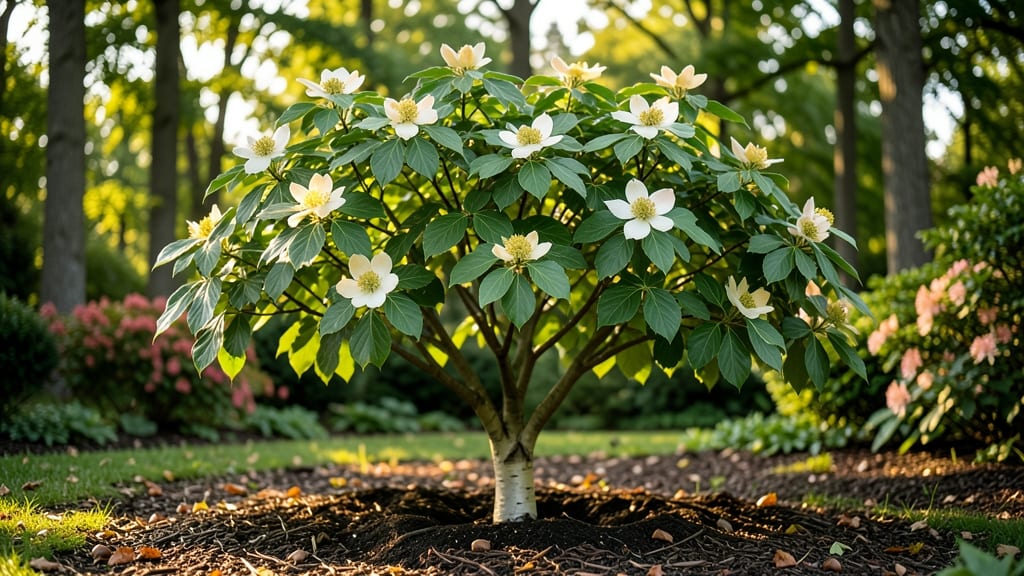
The dogwood tree blooming season brings a breathtaking burst of color 🌳 to gardens across the U.S., but timing can vary wildly depending on where you live.
If you’ve ever dreamed of waking up to a burst of pink, white, or red blossoms under your dogwood tree, timing is everything—because these stunning flowers appear for just a few short weeks each year.
In USDA Zone 6, like much of the Midwest, expect blooms to arrive in late April to early May, though early springs can push them forward by weeks.
Meanwhile, Southern gardeners in Zones 7–9 often see flowers as early as February or March, while Northern growers in Zones 5–6 might wait until mid-May.
Below, I’ll break down the exact months for your region, plus pro tips to coax the best display—whether you’re dealing with frost delays or unusually warm winters.
Dogwood tree blooming season by USDA hardiness Zones: exact months
Timing your dogwood tree's blooming season depends entirely on your USDA hardiness zone and local microclimates. In Zone 5, for example, you might see pink blossoms in mid-April, while Zone 9 gardeners often enjoy their show in January.
These differences aren't just about the calendar—they're shaped by chilling hours, frost timing, and even humidity levels.
Understanding these patterns helps you plan landscaping projects, schedule garden parties, or simply marvel at nature's perfect timing. For instance, a late frost in Zone 6 can delay blooms by weeks, while a mild winter in Zone 8 might bring early flowers.
Let's break down exactly when to expect those iconic dogwood flowers across the U.S.
| Zone | Primary Blooming Window | Secondary Bloom (if applicable) | Key Climate Factors | Pro Tip for Timing |
|---|---|---|---|---|
| 5–6 | Mid-April to early May | Late March (mild winters) | Frost risk after buds swell | Plant near a south-facing wall to delay frost damage |
| 6–7 | Late March to mid-April | February (unusually warm) | Humidity levels | Prune in late summer to avoid bleeding sap |
| 7–8 | Early to mid-April | Late January (mild winters) | Rainfall timing | Use drip irrigation to prevent bud rot |
| 8–9 | January to February | December (mild climates) | Temperature fluctuations | Choose late-blooming varieties like 'Cherokee Brave' |
| 9–10 | December to January | November (exceptionally warm) | Coastal breezes | Plant near water features for humidity boost |
Notice how Zone 9 and Zone 10 dogwoods often bloom in winter months? This is because their chilling requirements are met earlier in the season. In contrast, Zone 5 gardeners must wait until spring when soil temperatures rise consistently above freezing.
The Pacific Northwest typically sees blooms 2–3 weeks earlier than the Deep South due to cooler maritime climates.
If you're in Zone 6 like me, I've found that early April is the sweet spot for white dogwood blooms, but a late frost can push that back to May.
To protect your tree, consider planting it near a stone wall or brick foundation—these structures absorb heat during the day and release it at night, creating a microclimate that delays frost damage.
For gardeners in Zone 8, the humidity plays a crucial role. High humidity can lead to bud rot, so I recommend using drip irrigation instead of overhead watering.
This keeps the foliage dry while still providing the moisture roots need. In my experience, February blooms are most vibrant when the tree receives consistent moisture without waterlogging.
In Zone 9 and beyond, where winters are mild, dogwoods often bloom in December. This can be a double-edged sword—while it extends your flowering season, it also means your tree might be more vulnerable to late-season pests.
I've had success with neem oil sprays in late fall to prepare for this early bloom period.
Regional variations matter too. A dogwood in Atlanta (Zone 8a) might bloom in early April, while one in Asheville (Zone 7b) could wait until late April. The Appalachian Mountains create cooler microclimates that delay blooms, while coastal areas often see earlier flowering due to milder temperatures.
Always check with your local extension office for hyper-local advice.
Pro tip: If you're planting a new dogwood tree, choose varieties based on your zone. For example, 'Cherokee Brave'
How to predict your dogwood’s blooming season (even if you’re new)
Predicting when your dogwood tree will burst into bloom doesn’t require memorizing complex climate maps. Instead, focus on simple, observable cues that reveal your tree’s natural rhythm. Whether you’re in Zone 5 or Zone 9, these methods will help you estimate bloom time with confidence—no guesswork required.
Dogwoods follow predictable patterns based on seasonal changes, and understanding these signals lets you plan for their stunning spring display. From tracking leaf buds to adjusting for local weather quirks, these strategies work for both new gardeners and seasoned growers alike.
Let’s break down the easiest ways to predict your dogwood’s bloom without relying on hardiness zones.
Watch for Leaf Buds
Dogwoods swell leaf buds in late winter. When they’re the size of a golf ball, bloom is just 4–6 weeks away. This is your first reliable signal that spring is near.
Chilling Hours Matter
Most dogwood varieties need 500–1,000 hours below 45°F to set buds. Check your local ag extension for your area’s total—this tells you if your tree has “earned” its bloom.
Use Nearby Landmarks
Public gardens and universities often post bloom updates (e.g., Missouri Botanical Garden’s dogwood cam). Compare their timelines to your tree’s progress for a local benchmark.
Adjust for Weather Patterns
Early springs? Subtract 1–2 weeks from estimates. Late frosts? Add 2 weeks to account for delayed growth. Your local weather history is your best tool.
For example, if you notice your dogwood buds swelling in early February but your area typically has late frosts in March, plan for a bloom window shifted by 3–4 weeks. This adjustment ensures you’re not caught off guard by unexpected weather shifts that can delay or advance the show.
Another pro tip: Take photos of your tree’s buds each week starting in January. Comparing these images to past years’ bloom dates (if you have records) creates a personal timeline. Over time, you’ll recognize the exact stage that precedes blooming in your microclimate—no zone maps needed.
Remember, dogwoods are reliable bloomers once they’ve met their chilling requirements. By combining these visual cues with local weather patterns, you’ll predict your tree’s spring spectacle with near-perfect accuracy—every year. 🌷