
How To
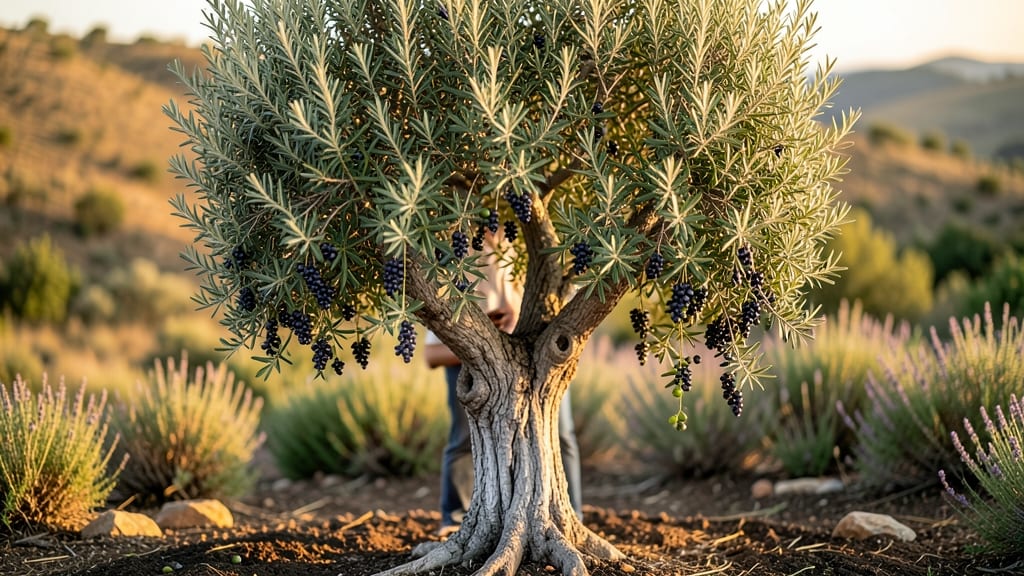
How tall does an olive tree grow? A dwarf variety might stay as short as 3 feet, while a towering standard can stretch over 50 feet, depending on the type and growing conditions.
If you’ve ever imagined a Mediterranean patio or orchard in your yard, you might be surprised by how much height control you actually have—whether you’re working with a container-bound Arbequina or a sprawling Mission tree.
Climate plays a huge role: olive trees in warm USDA zones like 8–11 can reach their full height faster, while those in cooler zones (like your 6a) may stay smaller unless you take extra steps to protect them.
Below, I’ll break down the exact height ranges by variety, how to manage growth naturally, and the spacing you’ll need—whether you’re planting in the ground or a pot.


Olive tree height by variety: dwarf to giant growth ranges
Olive trees are one of the most versatile plants in your garden, offering everything from compact container varieties to towering orchard giants. The height of an olive tree at maturity depends entirely on its variety, with some reaching just 3 feet tall while others soar to 50+ feet.
Understanding these differences helps you choose the perfect tree for your space—whether it’s a patio pot or a sprawling backyard.
Most olive trees fall into three broad categories: dwarf varieties (under 10 feet), semi-dwarf types (10–18 feet), and standard varieties (20+ feet). Dwarf olives like Arbequina thrive in containers, while Mission olives dominate traditional orchards.
Your climate, pruning habits, and soil quality also play a role in how tall your olive tree ultimately grows.
| Variety | Mature Height | Growth Habit | Best For |
|---|---|---|---|
| Arbequina | 8–12 ft | Compact, rounded | Containers, small gardens |
| Frantoio | 12–18 ft | Upright, spreading | Medium yards, urban landscapes |
| Mission | 20–50 ft | Tall, columnar | Orchards, large properties |
| Leccino | 15–25 ft | Pyramidal, dense | Olive oil production, hedges |
| Little Ollie | 3–5 ft | Dwarf, bushy | Patios, balconies |
The Arbequina olive tree is my top pick for container growing, maturing at just 8–12 feet tall while producing abundant fruit. Its compact form makes it ideal for balconies or small courtyards, even in USDA Zone 8 or warmer.
For larger spaces, the Mission olive tree grows into a 50-foot giant, perfect for traditional Mediterranean-style landscapes.
If you’re planting multiple olive trees, consider spacing them 15–20 feet apart for standard varieties to allow airflow and sunlight penetration. Dwarf types can be spaced closer, even in container gardens, as long as they receive full sun.
Pruning plays a critical role—regular trimming can keep even tall varieties manageable while encouraging healthier fruit production.
Climate also influences height: olive trees in Mediterranean climates (Zones 9–11) grow faster and taller, while those in cooler zones (Zone 8) may stay shorter unless protected.
For example, a Leccino olive tree in California might reach 25 feet, but the same variety in Zone 8 could max out at 15 feet without winter protection.
For container-growing, choose dwarf varieties like Little Ollie or Arbequina. These stay under 5 feet tall and thrive in 15–20 gallon pots with well-draining soil. Remember to repot every 2–3 years as roots grow.
Even standard varieties can be pruned to fit smaller spaces, though they’ll eventually outgrow containers unless you’re committed to regular maintenance.
One common mistake is assuming all olive trees grow tall—many gardeners regret planting a Mission olive in a small yard. Always check the mature height before purchasing, and factor in your garden’s layout.
A 10-foot ceiling? A dwarf variety is your best bet. No ceiling? Go for a semi-dwarf or standard type and embrace the Mediterranean drama.
Olive trees also grow at different rates: expect 1–2 feet per year for dwarf types and 2–4 feet annually for standard varieties in ideal conditions. Patience is key—some trees take 5–10 years to reach full height.
During this time, focus on soil health, sun exposure, and pruning techniques to guide growth in the right direction.
For a stunning visual impact without overwhelming your space, consider training olive trees as espaliered specimens. This technique keeps trees flat against walls or fences, limiting height while maximizing fruit production. It’s a fantastic solution for urban gardens or small backyards where vertical space is limited.
🌱 Whether you’re growing a miniature Arbequina on your patio or a towering Mission olive in your orchard, understanding your tree’s growth potential ensures a happy, healthy plant—and a landscape that fits your vision. Start small, plan ahead, and let your olive tree thrive! 🫒
How climate zones affect olive tree growth height
Your olive tree’s final height isn’t just about genetics—it’s heavily influenced by your USDA hardiness zone. In Mediterranean climates (zones 9-11), olive trees thrive naturally, reaching their full 20-50 foot potential without stress.
But in cooler zones like 8 or below, growth slows dramatically, often capping at 10-15 feet unless you take special care.
Temperature swings play a crucial role. Olive trees in zone 11 experience steady 60-80°F conditions year-round, fueling rapid vertical growth. Meanwhile, trees in zone 8 face winter dormancy and may only grow 6-12 inches annually during spring/summer. Even a single 20°F freeze can stunt growth for years.
Climate Zone Impact on Olive Tree Height
Mediterranean Climates
- ✅ Rapid growth (12-24" annually)
- ✅ Full height potential (20-50 ft)
- ✅ Year-round active growth
Cooler Climates
- ⚠️ Stunted growth (3-8" annually)
- ⚠️ Max height 10-15 ft without care
- ⚠️ Winter dormancy halts growth
For Zone 8+ Trees
- 🪴 Winter pruning (late Feb)
- 🪴 Open canopy for sunlight
- 🪴 Avoid heavy cuts in summer
For All Zones
- ☀️ Full sun exposure (6+ hours)
- 💧 Deep watering (1-2x weekly)
- 🌱 Well-draining soil (sandy loam)
In zone 9, you’ll see the most dramatic height differences. A Mission olive tree might reach 30 feet in 10 years with ideal care, while the same tree in zone 8 may only hit 15 feet.
The key difference? Frost-free seasons. Trees in warmer zones grow continuously, while cooler-zone trees focus energy on survival during winter.
Seasonal changes also matter. Olive trees in zone 10 grow year-round, while those in zone 8 enter dormancy in winter. This means spring/summer pruning is critical for cooler zones to encourage vertical growth when temperatures rise.
In zone 11, prune anytime—but focus on shape control rather than height restriction.
For gardeners in zones 8-9, consider dwarf varieties like Arbequina (8-12 ft) or Frantoio (12-15 ft). These stay manageable while still producing abundant olives.
In zone 11, standard varieties like Manzanillo can reach 40+ feet without intervention—so plan for pruning every 2-3 years to maintain your desired height.
Remember: Pruning isn’t just about height—it’s about tree health. In cooler zones, light pruning (removing 10-20% of branches) encourages stronger regrowth in spring. Over-pruning can stress the tree and reduce olive production. Always use sterilized tools and prune just above a leaf node for best results.