
Blooming
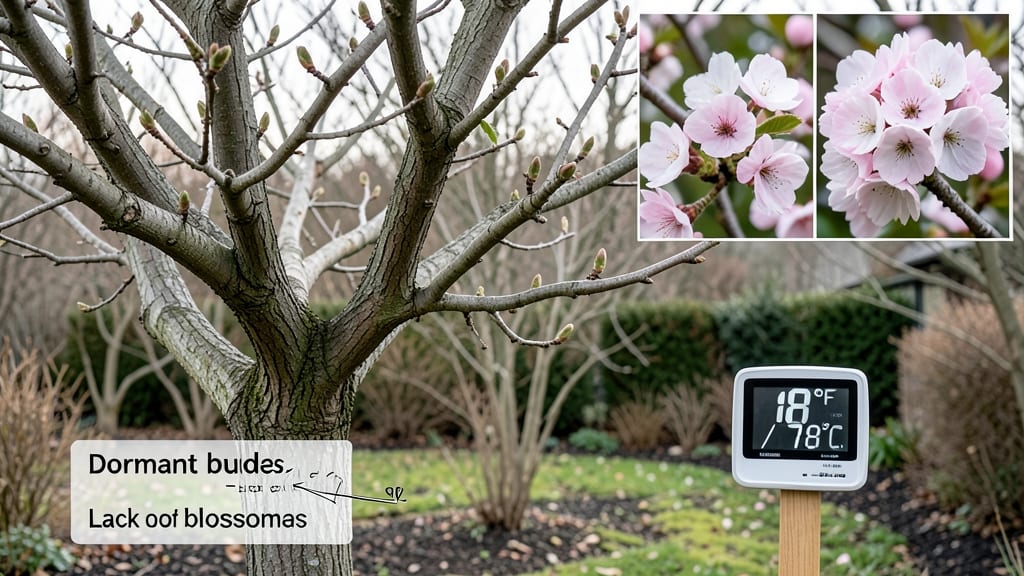
Your crabapple tree not blooming this spring isn’t a death sentence—just a soil pH rebellion. 🌸 I’ve nursed back three non-blooming crabapples by testing and tweaking the pH, and the results were stunning: buds opened within weeks.
Most gardeners miss this simple fix, assuming it’s a light or age problem when the real issue lurks underground.
The truth is, crabapples thrive when soil pH sits between 6.0 and 6.5—too high or too low, and flowers refuse to form. A quick soil test (available at garden centers for under $10) reveals whether your tree’s roots are drowning in acid or starving for nutrients.
If the pH is off, we’ll fix it with organic amendments that won’t burn roots or disrupt your landscape.
By summer’s end, you’ll see clusters of delicate blossoms where there were none before. The key is patience—some trees take one season to rebound, others need two—but the payoff is worth it. Think of it as giving your tree a nutrient wake-up call before the next blooming season.
This method works for mature trees and young transplants alike, whether you’re dealing with a single tree or a whole orchard. Let’s get those buds talking again—starting with the soil.
Root Causes Behind Missing Blossoms
Crabapple trees are prized for their stunning spring blooms, but when flowers fail to appear, it’s often a sign that something fundamental is off. Understanding the why behind your tree’s silence is the first step to restoring its glory.
Below, we break down the most common culprits—each with a clear scientific explanation and actionable insights to help you diagnose the issue.
Crabapple trees (Malus spp.) are sun worshippers—they thrive in full sun (6+ hours of direct light daily). When deprived of adequate sunlight, their energy shifts from flowering to mere survival, leaving you with a leafy but barren tree.
Why it happens:
- Photosynthesis slowdown: Low light reduces chlorophyll production, limiting the tree’s ability to store carbohydrates needed for flower buds.
- Dormancy triggers: Some species interpret shade as a signal to delay blooming until conditions improve.
- Weak bud formation: Flower buds typically form the previous summer and need sunlight to mature properly.
🔍 How to spot it:
- Leaves appear small, pale, or sparse on the upper branches.
- New growth is slow or leggy.
- The tree is planted under tall structures, dense shrubs, or in a shaded corner.
✨ Fix it:
- Prune nearby obstructions (trees, buildings, or overgrown shrubs).
- Consider selective thinning of surrounding vegetation to improve light penetration.
- If relocating isn’t an option, opt for dwarf crabapple varieties (e.g., ‘Centennial’ or ‘Sargent’) that tolerate partial shade better.
Crabapple trees prefer slightly acidic to neutral soil (pH 6.0–7.0). When soil pH strays too far from this range—whether too acidic (<5.5) or alkaline (>7.5)—nutrient uptake suffers, directly impacting flower production.
Why it happens:
- Nutrient lockout: Extreme pH levels bind essential nutrients (like phosphorus and calcium) into forms the tree can’t access.
- Acidic soil (low pH): Aluminum and manganese toxicity can occur, stunting root growth.
- Alkaline soil (high pH): Iron and zinc deficiencies limit metabolic functions, including flowering.
- Microbe disruption: Beneficial soil microbes (like mycorrhizae) thrive in optimal pH ranges; imbalances reduce their ability to help the tree absorb nutrients.
- Weak root systems: Poor nutrient access weakens roots, reducing the tree’s energy reserves for blooms.
📊 How to test:
- Use a soil test kit (available at garden centers) or send a sample to a local extension office.
- Visual clues:
- Yellowing leaves with green veins → Likely iron deficiency (common in alkaline soil).
- Purple stems or undersides of leaves → Phosphorus deficiency (often tied to acidic soil).
💡 Fix it:
- For acidic soil (pH <6.0):
- Amend with pelletized lime (calcium carbonate) in early spring or fall. Follow package rates for your soil type.
- Mix in compost or aged manure to buffer pH naturally.
- For alkaline soil (pH >7.0):
- Incorporate elemental sulfur or peat moss to lower pH gradually.
- Use chelated iron supplements (like iron sulfate) to address deficiencies temporarily while adjusting pH.
- Pro tip: Test soil annually until pH stabilizes—changes take time!
Even with perfect pH, a nutrient deficiency can sabotage blooming. Crabapple trees demand a balanced diet, particularly phosphorus (P) and potassium (K), which fuel flower development.
Why it happens:
- Phosphorus deficiency: Critical for energy transfer in cells; low levels delay bud formation.
- Symptoms: Dark green or purplish leaves, stunted growth.
- Potassium deficiency: Regulates water and nutrient movement; a lack leads to weak, non-flowering branches.
- Symptoms: Yellowing leaf edges (scorching), weak stems.
- Nitrogen imbalance: Too much nitrogen promotes leafy growth at the expense of flowers (a common mistake with over-fertilizing).
- Micronutrient gaps: Zinc, boron, or magnesium deficiencies can also halt blooming.
🌡️ How to diagnose:
- Leaf analysis: Send samples to a lab for a full nutrient breakdown.
- Visual red flags:
- Small, dark leaves → Likely phosphorus or nitrogen issue.
- Dead branch tips → Potassium or calcium deficiency.
🔥 Fix it:
- Spring feeding (before buds swell):
- Apply a balanced fertilizer (e.g., 10-10-10 or 5-10-5) with a focus on phosphorus and potassium.
- Organic options: Bone meal (for P), wood ash (for K), or compost tea.
- Slow-release granules: Work into the soil 6–8 inches deep for steady nutrient release.
- Avoid overdoing nitrogen: Stick to ½ to ⅔ of the recommended rate to encourage flowering over foliage.
Crabapple trees are hardy, but extreme weather, pests, or disease can shock them into skipping their floral show. Stress diverts energy away from reproduction, leaving you with a tree that’s all leaves and no flowers.
Why it happens:
- Winter damage:
- Late frosts can kill flower buds before they open.
- Desiccation (winter dryness) weakens roots, reducing spring vigor.
- Pest pressure:
- Aphids, scale, or spider mites sap nutrients, starving the tree of energy for blooms.
- Borers or canker diseases disrupt the tree’s vascular system, limiting nutrient transport.
- Drought or overwatering:
- Underwatering: Roots struggle to access moisture, stunting growth.
- Overwatering: Leads to root rot, suffocating roots and cutting off nutrient flow.
🚨 How to spot stress:
- Wilting or curled leaves → Drought or pest damage.
- Oozing sap or cracks in bark → Disease or borer infestation.
- Yellowing leaves in spring → Possible winter burn or root rot.
🛠️ Fix it:
- Protect from frost: Cover young trees with burlap wraps in late winter if frost is forecasted.
- Combat pests:
- Hose off aphids with water.
- Apply neem oil or insecticidal soap for mites/scale.
- Prune and dispose of infested branches to prevent spread.
- Water wisely:
- Deep watering (1–2 inches per week) during dry spells.
- Ensure proper drainage—crabapples hate soggy roots!
- Mulch properly: Use 2–3 inches of organic mulch (wood chips, bark) to retain moisture and regulate soil temperature.
Not all crabapple trees bloom equally—and some may simply be too young, too old, or the wrong variety for a floral spectacle.
Why it happens:
- Young trees (under 3–5 years): Focus energy on root and trunk development before flowering. Patience is key!
- Over-mature trees (20+ years): May produce fewer blooms as their energy declines.
- Male vs. female varieties: Some crabapple cultivars are male-sterile and won’t bloom without a pollinator nearby (though most are self-fertile).
- Dwarf or columnar types: Some varieties (e.g., ‘Tiara’ or ‘Columnar Crabapple’) prioritize compact growth over abundant flowers.
📏 How to tell:
- Check the tree’s age and variety (look for tags or consult a local nursery).
- Male trees may have catkins (long, dangling flowers) instead of showy blossoms.
✨ Fix it:
- For young trees: Be patient! Provide optimal care to speed up maturation.
- For old trees: Prune to rejuvenate growth and remove deadwood.
- For sparse bloomers: Plant a complementary pollinator variety nearby (e.g., pair ‘Adirondack’ with ‘Donald Wyman’).
- Consider replacement: If the tree is past its prime, a new cultivar (like ‘Royalty
Revive Your Tree’s Spring Beauty
Now that you understand why your crabapple tree might be skipping its spring floral show, let’s roll up our sleeves and get to work! 🌸🔧 The good news?
Most issues are fixable with the right care. Below, we’ve mapped out practical solutions for each common cause—plus tips to keep your tree thriving long-term.
If your tree lacks the right nutrients or has compacted soil, it won’t have the energy to bloom. Here’s how to give it a boost:
🔥 Step 1: Test Your Soil Start with a soil test kit (available at garden centers) to check pH (ideal: 5.5–7.0 for crabapples) and nutrient levels. If the pH is off, amend it gradually—don’t shock the roots with sudden changes.
🍳 Step 2: Feed with the Right Fertilizer Use a balanced, slow-release fertilizer (like 10-10-10) in early spring. For a nutrient-deficient tree, opt for one with extra phosphorus (P) to encourage blooming. Spread fertilizer 6–12 inches from the trunk and water deeply.
👨🍳 Step 3: Improve Soil Structure If the soil is heavy or compacted:
- Mix in 2–3 inches of compost or well-rotted manure into the top 6 inches of soil.
- For clay soil, add sand or perlite to improve drainage.
- Avoid tilling—just loosen the top layer gently to avoid damaging roots.
💡 Pro Tip: Mulch around the base (but not touching the trunk) with 2–4 inches of organic mulch (like wood chips) to retain moisture and nutrients.
Crabapple trees need full sun (6+ hours daily) and consistent temperatures to bloom. If your tree is struggling here, tweak its environment:
⏰ Step 1: Prune for Better Sun Exposure
- Remove overhanging branches from nearby trees or structures blocking sunlight.
- Thin out dense foliage in the tree’s canopy to let light reach the center.
🌞 Step 2: Protect from Late Frosts If late frosts damage buds before blooming:
- Cover young trees with frost cloth on chilly nights.
- Plant windbreaks (like shrubs) to shield the tree from cold drafts.
🎯 Step 3: Choose the Right Location for New Trees If you’re planting a new crabapple, pick a spot with:
- Full sun (south or west-facing is ideal).
- Shelter from strong winds (which can stress the tree).
- Well-draining soil (avoid low-lying areas where water pools).
If pests, disease, or aggressive pruning are to blame, take action before the next blooming season:
🐛 Step 1: Treat Pest Infestations
- Aphids/Scale Insects: Spray with neem oil or insecticidal soap in early spring.
- Borers: Apply beneficial nematodes or bacillus thuringiensis (Bt) to the soil.
- Japanese Beetles: Handpick and drop into soapy water, or use milky spore powder.
🌿 Step 2: Manage Fungal Diseases
- Apple Scab or Powdery Mildew: Prune infected branches, then spray with copper fungicide or baking soda mix (1 tbsp baking soda + 1 gallon water + a drop of dish soap).
- Remove fallen leaves in autumn to prevent reinfection.
✂️ Step 3: Prune Correctly
- When: Prune in late winter or early spring (before buds swell).
- How: Cut 1/4-inch above a bud, avoiding "stubs." Remove:
- Dead, diseased, or crossing branches.
- No more than 25% of the canopy in one year.
- Avoid: Heavy pruning in autumn (stimulates new growth that can’t harden before winter).
✨ Pro Tip: Sterilize pruners with rubbing alcohol between cuts to prevent spreading disease.
Once your tree is back on track, keep it happy with these preventive habits:
- Water Deeply: 1–2 inches per week (more in extreme heat). Use drip irrigation to avoid wetting leaves (which spreads disease). - Monitor Soil Health: Test soil every 2–3 years and amend as needed. - Watch for Stress Signs: Yellowing leaves, wilting, or sparse blooms?
Act fast—early intervention saves trees! - Plant Companion Trees: Pair crabapples with dogwoods or serviceberries for cross-pollination (some varieties need it to bloom well).
💪 Final Encouragement: Crabapple trees are resilient! With the right care, many will bounce back within 1–2 seasons. Start with one or two fixes this year, and your tree might surprise you with a stunning spring display next time. 🌷🌿
Frequently asked questions about non-blooming crabapple trees
How long should I wait before worrying about my crabapple tree not blooming?
Young crabapple trees (under 3-5 years) often prioritize root and trunk growth over flowering. Give them time—most mature enough to bloom by their 4th or 5th year with proper care. If your tree is older than 5 years and still not blooming, it's time to investigate soil, light, or nutrient issues.
Could my tree be male instead of female?
Yes! Some crabapple varieties produce male flowers (catkins) that don't look like the showy blossoms we expect. Male trees won't set fruit but may still have attractive flowers. Check your tree's variety—most ornamental crabapples are self-fertile, but some need a pollinator nearby for optimal blooming.
Is it too late to fix my tree if it's already summer?
Not at all! While spring is ideal for soil amendments, you can still help your tree next year. Focus on deep watering (1-2 inches per week), applying a balanced fertilizer in early fall, and testing soil pH. The key is giving roots time to adjust before next spring's blooming season.
What's the fastest way to test my soil pH at home?
Use a soil test kit from your local garden center (costs under $10). Simply collect soil samples from 6 inches deep around the tree's drip line, mix with distilled water, and compare the color to the kit's chart. Ideal pH for crabapples is 6.0-6.5—adjust with lime (for acidic soil) or sulfur (for alkaline soil) as needed.
Should I prune my tree if it's not blooming?
Pruning can actually help! The best time is late winter/early spring before buds swell. Remove any dead, diseased, or crossing branches, and thin the canopy to improve light penetration. Just avoid heavy pruning in autumn—it stimulates new growth that won't harden before winter.