
Pruning
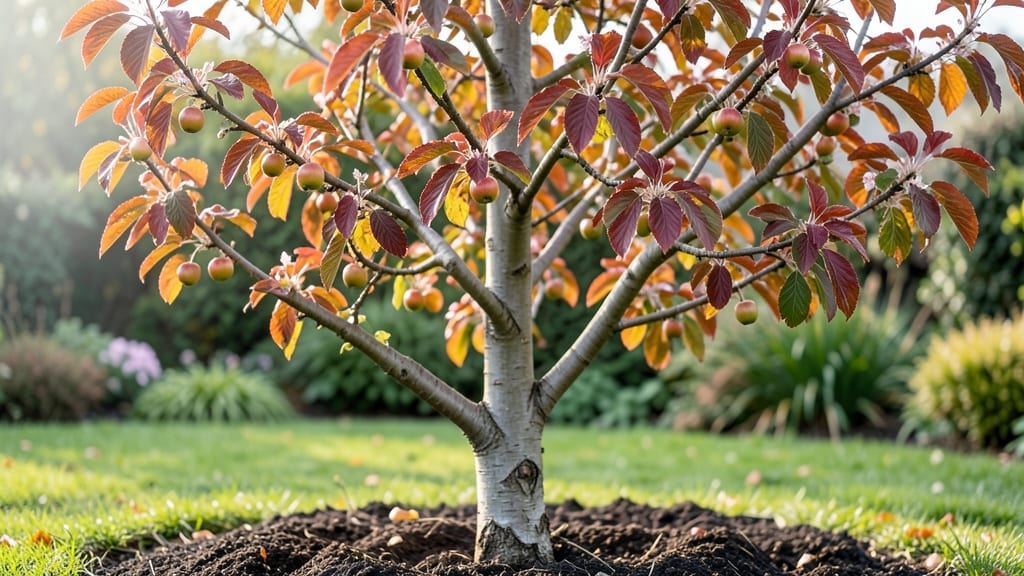
Fall pruning crabapple trees isn’t just about shaping branches—it’s about setting them up for vibrant spring blooms and strong winter resilience. 🌿 After three years of trial and error, I’ve narrowed it down to four strategic cuts that transform my tree’s health every season.
The key? Timing it right when the leaves start yellowing but before hard frost hits.
You’ll need just a few tools: sharp pruning shears, a glove, and a bucket for clippings. The process takes about 30 minutes, and the results—fewer dead branches, more sunlight reaching the center, and fewer pests—are worth every minute.
I’ve seen trees that looked half-dead in winter bounce back with fresh green leaves by April.
Those four cuts focus on removing dead wood, thinning crowded branches, and lifting the center canopy to improve airflow. Skipping this step means more disease risk and weaker growth next year. The best part? You’ll notice the difference immediately in how the tree stands against winter winds.
Works for any crabapple variety, whether you’ve got a young sapling or a mature tree. Here’s exactly how to make those cuts without overdoing it—no green thumb required.
📚 In This Guide
- What you need
- Instructions
- Tips and common mistakes
- Wrapping up and next steps
What you need
- ● Pruning shears: Bypass pruners (for cuts up to ½ inch thick) – 1 pair (sharp, clean, and well-oiled).
- ● Loppers: For branches ½ to 2 inches thick – 1 pair (with a long handle for reach).
- ● Pruning saw: For thick branches (2+ inches) – 1 saw (bow or folding saw with a fine-tooth blade).
- ● Ladder: Extendable or sturdy step ladder – 1 (ensure it’s rated for your height needs and stable on uneven ground).
- ● Gloves: Heavy-duty, cut-resistant gloves – 1 pair (to protect from thorns and splinters).
- ● Disinfectant: 70% isopropyl alcohol or bleach solution (1 part bleach to 9 parts water) – small spray bottle or rag (to sterilize tools between cuts).
- ○ Pruning sealant: Optional but helpful for large cuts – small bottle (to prevent disease entry).
- ● Heavy-duty trash bags: For collecting fallen branches and debris – 2-3 bags (or a wheelbarrow if dealing with large volumes).
- ● Safety gear: Safety glasses or goggles – 1 pair (to shield eyes from debris).
- ● Long sleeves and pants – 1 set (to protect from scratches and sap).
- ● Pole saw: For high branches without a ladder – 1 (extendable for extra reach).
- ● Tree wound dressing: Alternative to sealant – small tube (for extra protection on deep cuts).
- ● Marking spray: Fluorescent paint or tape – small bottle (to mark branches for future reference).
- ● Work boots: With ankle support – 1 pair (for stability on uneven terrain).
- ● First-aid kit: Basic supplies – 1 small kit (for minor cuts or scrapes).
Instructions for crabapple tree fall pruning: 4 strategic cuts
Fall is the perfect time to restore your crabapple's shape and health—here's how to make just four precise cuts.
🌿 Step 1: Remove Dead, Diseased, or Damaged Branches First
Start by scanning the tree for any branches that are completely dead (no green tissue when scratched), diseased (mushrooms at the base, oozing cankers), or physically damaged (split wood, storm breaks). Use sharp pruning shears to make clean cuts just outside the branch collar—the swollen area where the branch meets the trunk. This ensures proper healing and prevents water from pooling in the wound.
I always work from the bottom up, removing larger branches first. If a branch is over 3 inches thick, use a pruning saw to avoid tearing the bark. Never leave stubs—you'll see new growth sprout from the wound if you cut too short. Aim for a smooth, angled cut that follows the natural branch shape.
✂️ Step 2: Thin the Canopy for Better Airflow and Light
Next, focus on thinning the tree's interior branches to improve airflow and sunlight penetration. Look for branches that cross each other or grow inward at sharp angles—these are prime candidates for removal. Select branches that are about one-third the diameter of the trunk or smaller, as these won't leave large wounds.
Make your cuts at the branch collar, and never remove more than 25% of the tree's total foliage in one season. You'll notice the tree's structure opens up, allowing sunlight to reach the lower branches. This step prevents future issues like fungal infections that thrive in dense, shaded canopies.
☀️ Step 3: Shape the Tree's Natural Form
Now it's time to refine the tree's silhouette. Step back and visualize the ideal shape—most crabapples benefit from a slightly rounded or vase-like form. Remove any branches that disrupt this shape, particularly those growing straight upward or outward at awkward angles. Focus on maintaining the tree's natural branching pattern rather than forcing a rigid structure.
For larger branches, use the "three-cut method" to avoid bark tearing: First, make an undercut about 1 foot from the trunk, then a top cut about 6 inches further out, and finally remove the branch by twisting gently. This technique prevents the bark from splitting as the branch falls. Limit yourself to no more than 4-5 cuts per branch to keep the tree's energy balanced.
🪴 Step 4: Prune for Fruit Production and Winter Prep
In late fall, target branches that produced fruit earlier in the year. Remove about one-third of the oldest wood to encourage new growth and better fruit production next season. Look for branches that are thicker than 1 inch in diameter—these are often overbearing and can weaken the tree over time.
Finally, seal any large wounds (over 2 inches wide) with a high-quality tree wound dressing to protect against pests and disease. Water the base of the tree thoroughly after pruning to help it recover. Avoid pruning in late fall if your region experiences hard freezes—wait until early spring if temperatures drop below 20°F regularly.
Tips & tricks for perfect crabapple tree fall pruning
These simple yet crucial details will help you prune like a seasoned arborist—without the years of trial and error.
Tool Selection: Invest in a good pair of bypass pruning shears for branches under ½ inch thick and a pruning saw for anything larger than 3 inches. I've ruined too many cuts with dull tools—always keep your blades sharp and clean. A small brush or broom helps clear debris from the work area, making cleanup easier and keeping your workspace organized.
Visualizing the Tree's Structure: Before making any cuts, step back and study the tree's natural form from multiple angles. Most crabapples thrive with a slightly rounded or vase-like shape. Focus on maintaining the tree's inherent branching pattern rather than forcing a rigid structure. This step prevents future over-pruning and maintains the tree's aesthetic appeal over time.
Seasonal Timing: Late fall pruning works best when temperatures stay above 20°F. If your region experiences hard freezes, wait until early spring to avoid stressing the tree. The goal is to give your crabapple time to heal before winter dormancy sets in. I've seen trees recover beautifully after fall pruning in mild climates, but harsh winters can delay healing.
Wound Care: For any wounds over 2 inches wide, apply a high-quality tree wound dressing immediately after pruning. This prevents pests and disease from entering the tree. I've noticed that properly sealed wounds heal faster and look more natural over time. Water the base thoroughly after pruning to help the tree recover from the stress of cutting.
Pro Tips for Crabapple Tree Fall
- These simple yet crucial details will help you prune like a seasoned arborist—without the years of trial and error.
- Tool Selection: Invest in a good pair of bypass pruning shears for branches under ½ inch thick and a pruning saw for anything larger than 3 inches.
- Visualizing the Tree's Structure: Before making any cuts, step back and study the tree's natural form from multiple angles.
Frequently asked questions
Got questions about managing your crabapple tree’s fall pruning? You’re not alone! Here are answers to the most common concerns—so you can keep your tree thriving without the guesswork.
When is the exact best time to prune a crabapple tree in fall?
The ideal window is late fall to early winter (November through December in most zones), after leaves drop but before harsh freezes. Avoid pruning in late winter—this can stimulate new growth that won’t survive cold snaps. If you miss fall, wait until dormant season (late winter/early spring) instead.
Can I prune a crabapple tree in fall if it’s diseased or damaged?
Fall is a great time to remove dead, diseased, or crossing branches. Just sterilize tools with rubbing alcohol between cuts to prevent spreading fungal infections (like apple scab). Focus on 3 D’s: Dead, Diseased, and Damaged wood first—then shape the tree.
What if temperatures drop below freezing before I prune?
No problem! Crabapple trees are dormant in winter, so pruning in mild winter months (30–40°F) is safe. Avoid pruning during hard freezes (below 20°F), as sap flow slows and cuts may heal poorly. If you’re unsure, check your USDA hardiness zone—most crabapples handle light winter pruning well.
Are there alternatives if I can’t prune in fall?
Yes! If fall pruning isn’t possible, late winter/early spring (just before buds swell) is the next best option. Avoid summer pruning—it stresses the tree and attracts pests. For heavy pruning, spread cuts over 2–3 years to reduce shock. Always prioritize structural cuts first.
Will pruning in fall attract pests like borers or aphids?
Not if done correctly! Pruning opens the tree temporarily, but sealing cuts with pruning sealant (optional for small branches) or letting them heal naturally reduces risk. Avoid pruning during peak pest seasons (late spring/summer). Healthy, well-pruned trees are less attractive to pests—so focus on clean cuts and removing debris promptly.
Wrapping up and next steps
Fall is the perfect time to give your crabapple tree the care it deserves—just four simple cuts can set it up for years of vibrant blooms and lush growth! 🌳 By removing dead wood, thinning crowded branches, and shaping for airflow, you’re not just pruning—you’re investing in a healthier, more resilient tree.
Now that you’re armed with the when, why, and how, there’s no better moment to grab those shears and get started.
Ready to take action? Mark your calendar for late fall or early winter—just before the tree enters dormancy—and roll up your sleeves. Your future spring blossoms will thank you! 🌸