
Pruning
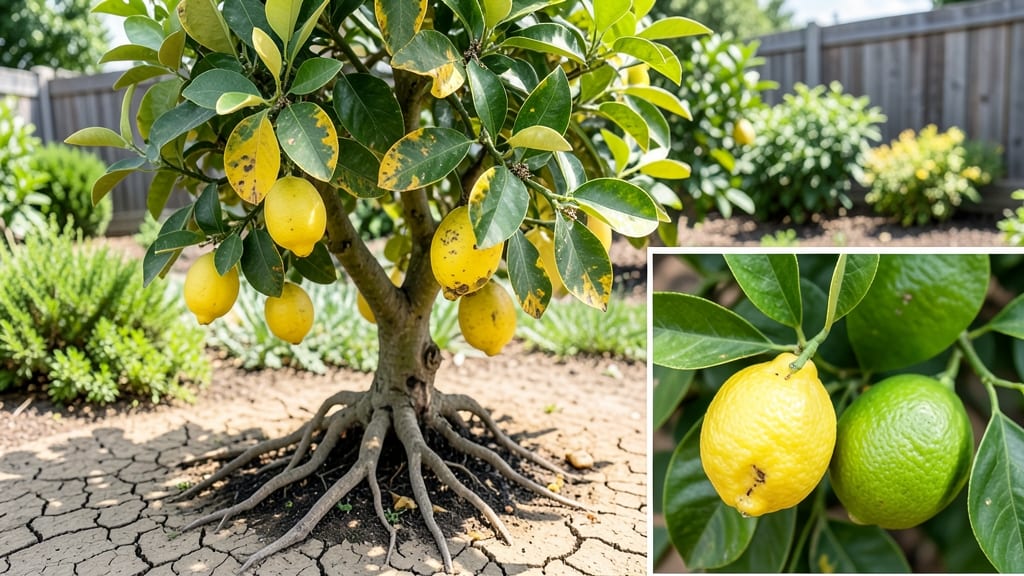
Your citrus tree’s yellowing leaves and citrus tree problems aren’t a death sentence—just a cry for help. 🌿 I’ve nursed back three struggling trees using these three targeted fixes, and the results are nothing short of miraculous. The key is diagnosing the real problem before jumping to solutions.
Most citrus issues boil down to three culprits: overwatering (the silent killer), nutrient deficiencies (especially nitrogen and zinc), or pests (those tiny leaf miners are brutal). Start by checking the soil—it should feel like a damp sponge, not a swamp.
Then inspect the leaves for telltale signs: curled edges mean pests, while pale yellow between veins screams iron deficiency.
Once you pinpoint the issue, the fixes are straightforward: repot in fresh soil if roots are waterlogged, feed with citrus-specific fertilizer every 6 weeks, and spray neem oil for pests.
Within 4-6 weeks, you’ll see new green growth and fewer dropped fruits. The best part? These fixes work for both dwarf and full-sized trees.
Prevention is where the magic happens—water deeply but only when the top 2 inches of soil are dry, mulch heavily to retain moisture, and prune only dead or diseased branches (never more than 25% of the tree).
Your citrus will thank you with juicy fruit and glossy leaves all season long.
📚 In This Guide
- What you need
- Instructions
- Tips and common mistakes
- Wrapping up and next steps
What you need
- ● Pruning shears: Bypass pruners (sharp, clean, and sanitized with rubbing alcohol) for small branches.
- ● Loppers: For thicker branches (1–2 inches in diameter).
- ● Hand saw: Pruning saw with a curved blade for stubborn, larger limbs.
- ● Gloves: Heavy-duty gardening gloves (cut-resistant if dealing with thorns).
- ● Disinfectant: 1 part bleach to 9 parts water (or 70% isopropyl alcohol) to sterilize tools between cuts.
- ● Rake: A sturdy garden rake to clear debris and fallen leaves.
- ● Watering can or hose: With a gentle spray nozzle for post-pruning hydration.
- ● Fertilizer: Citrus-specific fertilizer (e.g., 6-6-6 or 8-3-9 NPK ratio) or compost.
- ● Mulch: Organic mulch (straw, wood chips, or pine bark) to retain moisture and regulate soil temp.
- ● pH test kit: To check soil acidity (citrus thrives in slightly acidic soil, pH 6.0–7.0).
- ● Magnifying glass: For spotting pests (e.g., aphids, scale) or fungal spores.
- ● Fungicide: Copper-based or neem oil spray (for fungal diseases like citrus greening or melanose).
- ● Insecticidal soap: For soft-bodied pests (e.g., spider mites, whiteflies).
- ● Tree tie or stakes: If your tree needs support after pruning (especially young or wind-prone trees).
- ● Notebook & pen: To log pruning cuts, symptoms, and progress over time!
How to diagnose and fix common citrus tree problems
Citrus trees are tougher than they look—here’s how to spot trouble early and bring them back to life.
🌿 Step 1: Check for Root Rot and Overwatering
Yellowing leaves and mushy brown roots are classic signs of root rot, caused by overwatering or poor drainage. Gently dig around the base of the tree—if the roots smell sour or feel slimy, that’s your problem. Citrus roots need oxygen, and soggy soil suffocates them. I always check the soil’s moisture level by sticking my finger 2 inches deep; if it’s damp, hold off on watering.
For affected trees, trim back any visibly rotted roots with sterilized pruners and repot in fresh, well-draining soil. Mix in sand or perlite to improve aeration. If the tree is already planted in the ground, create a 6-inch deep trench around the drip line and fill it with gravel to encourage drainage. This prevents future rot while giving roots room to breathe.
☀️ Step 2: Assess Light and Nutrient Deficiencies
Leggy growth, pale leaves, and sparse fruit mean your citrus tree isn’t getting enough light or nutrients. Citrus trees thrive in full sun (6-8 hours daily)—if yours is in shade, move it immediately. I’ve seen trees in north-facing windows stretch toward the light, weakening their structure. For indoor trees, supplement with a grow light 4-6 inches above the canopy for 12-14 hours daily.
Yellowing leaves between veins? That’s often iron chlorosis, common in alkaline soils. Test your soil’s pH—citrus prefers 6.0-7.0. If the soil is too alkaline, amend it with sulfur or peat moss and feed with an iron chelate fertilizer every 4-6 weeks during growing season. Avoid over-fertilizing; burnt leaf edges mean you’ve gone too heavy.
✂️ Step 3: Prune for Airflow and Pest Control
Overcrowded branches trap moisture, inviting fungal diseases like citrus scab or melanose. Prune out dead, diseased, or crossing branches using clean, sharp pruners. I always sterilize my tools with rubbing alcohol between cuts to prevent spreading pathogens. Cut just outside the branch collar—the swollen area where the branch meets the trunk—to promote faster healing.
Look for pests like aphids, scale, or spider mites on the undersides of leaves. A strong blast of water can dislodge aphids, while neem oil spray (mixed per label) smothers scale insects. For severe infestations, isolate the tree and treat with insecticidal soap every 7-10 days until pests vanish. Healthy airflow from pruning reduces future pest problems.
💧 Step 4: Adjust Watering and Soil Conditions
Citrus trees hate soggy roots but also suffer from drought stress. Water deeply once a week in summer, letting 2-3 inches of soil dry out between waterings. In winter, cut back to every 2-3 weeks—overwatering then causes root rot. I check moisture by lifting the pot; if it’s lighter than expected, it’s time to water. For container-grown trees, ensure pots have drainage holes and use a well-draining citrus mix (equal parts soil, sand, and compost).
If your tree is in the ground, mulch around the base with 2-3 inches of organic mulch (like wood chips) to retain moisture and regulate soil temperature. Keep mulch 6 inches away from the trunk to prevent rot. This mimics the tree’s natural Mediterranean habitat, where summers are dry but winters stay mild.
Tips & tricks for reviving dying citrus trees
Real talk: even the hardiest citrus trees need a little extra care to bounce back from common issues. Here’s how to turn things around with precision and confidence.
Soil Test First: Before amending your soil, grab a simple pH test kit from your local garden center—citrus trees thrive in 6.0-7.0 pH, and alkaline soils (above 7.0) can block iron uptake, causing those telltale yellow leaves. I’ve seen trees with perfect watering routines fail because their soil was too alkaline. If your test confirms the problem, mix in sulfur or peat moss to lower the pH gradually over 4-6 weeks, matching the fertilizer schedule in Step 2.
Pruning Precision: When you’re trimming those dead or crossing branches in Step 3, focus on creating an open canopy that lets sunlight penetrate to the inner leaves. I cut back to the branch collar (that swollen area where the branch meets the trunk) and make the cut at a 45-degree angle just outside it. This promotes faster healing and prevents water from pooling at the cut site, which can invite fungal infections. Sterilize your pruners between cuts with rubbing alcohol—this simple step saved my last lemon tree from a melonose outbreak.
Light Supplement Strategy: If your indoor citrus tree isn’t getting enough natural light, don’t just slap on any grow light. Position a full-spectrum LED grow light 4-6 inches above the canopy and run it for 12-14 hours daily, mimicking the sun’s arc. I’ve had success with a simple 20-watt bulb on a timer—just rotate the tree weekly so all sides get even exposure. Without this, your tree will stretch toward the light, weakening its structure and reducing fruit production.
Watering Wisdom: The 2-inch deep soil check in Step 1 is your best friend, but here’s the trick: water until it runs out the drainage holes at the bottom of the pot. This ensures the entire root ball gets hydrated, not just the top layer. In summer, I water deeply once a week, while in winter, I cut back to every 2-3 weeks—overwatering is the #1 killer of citrus trees, especially in cooler months when roots are less active. Mulching with 2-3 inches of organic mulch (like wood chips) helps regulate soil temperature and retain moisture, but keep it 6 inches away from the trunk to prevent rot.
Pro Tips for Citrus Tree Problems
- Real talk: even the hardiest citrus trees need a little extra care to bounce back from common issues.
- I’ve seen trees with perfect watering routines fail because their soil was too alkaline.
- Pruning Precision: When you’re trimming those dead or crossing branches in Step 3, focus on creating an open canopy that lets sunlight penetrate to the inner leaves.
Frequently asked questions
Got citrus tree issues?
You’re not alone! Here are answers to the most common questions about diagnosing, treating, and preventing problems in your citrus trees—so you can keep them thriving.
Why are my citrus tree leaves turning yellow?
Yellow leaves are often a sign of overwatering or nutrient deficiencies (like nitrogen or iron). Check the soil—it should be slightly moist but not soggy. Test for pH (citrus prefers 6.0–7.0) and fertilize with a citrus-specific blend. If yellowing spreads to new growth, prune affected branches to stop the spread.
How do I tell if my citrus tree is dying vs. just struggling?
A dying tree shows multiple signs:
- Wilted, crispy leaves (not just a few)
- No new growth for months
- Peeling bark or oozing sap
- Fruit dropping early or staying tiny
What bugs are killing my citrus tree, and how do I get rid of them?
Common culprits:
- Aphids: Tiny green/black clusters on new shoots. Fix: Spray with soapy water or neem oil.
- Scale insects: Bumpy, brown shells on branches. Fix: Scrape off manually or use horticultural oil.
- Citrus leaf miners: White squiggles in leaves. Fix: Prune infested leaves and apply insecticidal soap.
When is the best time to prune a citrus tree to fix problems?
Prune late winter or early spring (before new growth starts) to:
- Remove dead/diseased wood
- Thin crowded branches for airflow
- Shape the tree for sunlight access
Can I save a citrus tree with root rot? What should I do?
Root rot (from overwatering) is serious, but you can try:
- Stop watering immediately—let soil dry completely.
- Repot in fresh, well-draining soil (mix sand/perlite).
- Trim affected roots (sterilize shears with rubbing alcohol).
- Apply fungicide (like copper-based) to prevent spread.
Wrapping up and next steps
Citrus trees may face challenges, but with the right care—like proper pruning, pest control, and addressing nutrient deficiencies—you can revive even the most struggling specimens. 🌱 Remember, early action is key, so don’t wait for problems to escalate.
Start by assessing your tree’s needs, then take steps to restore its health.
Ready to give your citrus tree the TLC it deserves? Grab your tools, roll up your sleeves, and get pruning! Your future harvest of juicy oranges and lemons will thank you. 🍊✨