
Trees
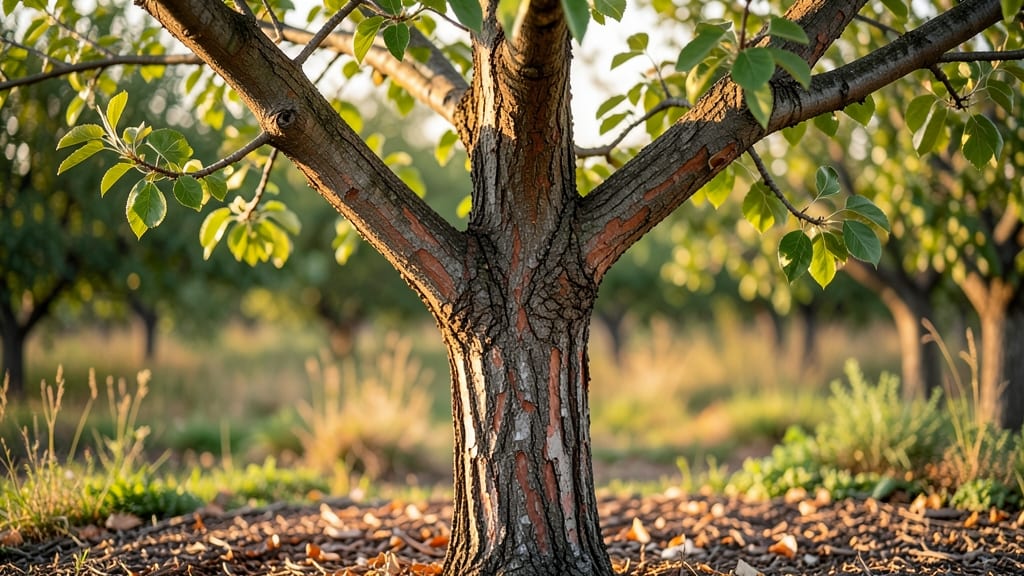
Your cherry tree’s split bark isn’t just unsightly—it’s a cry for help. 🌳 Freeze-thaw cycles, fungal infections, or even aggressive pruning can cause those jagged cracks, but the good news? You can stop it from getting worse with the right steps.
I’ve fixed splits on my own trees by addressing the root cause first, whether it’s moisture stress, pests, or poor winter prep.
The first step is diagnosing the damage: run your fingers along the crack—if it’s dry and powdery, it’s likely environmental. But if you see oozing sap, dark streaks, or tiny holes, pests or disease might be at play.
Avoid pruning too aggressively around splits, as that can weaken the tree further. Instead, focus on protecting what’s left with proper mulching and winterizing techniques.
With the right care, your tree can heal and even grow stronger. A well-mulched base keeps roots stable, while sealing cracks with pruning sealant (in moderation) prevents moisture from worsening the damage.
The key is patience—split bark takes time to repair, but consistent care ensures your cherry tree stays healthy for years to come.
This method works for young saplings and mature trees alike, whether you’re dealing with a single crack or multiple splits. The goal isn’t just to fix the damage but to create a long-term plan that keeps your tree resilient against future stress.
Root Causes of Bark Splitting
Understanding why your cherry tree’s bark splits is the first step to preventing—or fixing—this common issue. While it may look alarming, most splits are a natural response to environmental or biological stress.
Below, we break down the key triggers behind cracked bark in cherry trees, along with the science that explains them.
Cherry trees are sensitive to rapid temperature shifts, especially between freezing winters and scorching summers. When bark expands in heat and contracts in cold, repeated stress weakens its structural integrity—leading to vertical or horizontal splits.
- Winter Thaw-Freeze Cycles: 🥶 If temperatures swing from above freezing to below 20°F (-7°C) within days, the outer bark can’t adjust fast enough, causing deep fissures along the trunk. - Summer Heatwaves: ☀️ Prolonged exposure to 90°F+ (32°C+) dries out the bark, making it brittle.
Without proper moisture, it cracks under its own weight. - Geographic Vulnerability: Trees in continental climates (e.g., Midwest, Northeast U.S.) or high-altitude regions face higher risks due to extreme diurnal swings.
Pro Tip: 🌡️ Mulch heavily in late fall to insulate roots, and water deeply during droughts to maintain bark elasticity.
Both overwatering and underwatering disrupt a cherry tree’s moisture balance, forcing the bark to split as it struggles to adapt.
- Drought-Induced Shrinkage: 🏜️ When soil dries out, the tree loses turgor pressure, causing the bark to pull away from the underlying cambium layer and crack.
- Overwatering & Root Rot: 💦 Excess moisture weakens structural support, leading to soft, spongy bark that splits under wind or gravity.
- Seasonal Imbalance: Young trees (under 10 years) are most vulnerable because their bark hasn’t fully hardened. Spring droughts after winter rains are a common trigger.
Actionable Fix: 💧 Use a soil moisture meter to monitor levels—aim for 1–1.5 inches of water weekly (adjust for clay/sandy soil).
Cherry trees, especially tall varieties like ‘Stella Pink’ or ‘Black Tartarian’, bear the brunt of mechanical stress from wind, ice, or even their own weight.
- Wind Abrasion: 🌬️ Strong gusts (30+ mph) can scrape bark against rough surfaces, creating longitudinal splits where friction weakens the trunk. - Ice and Snow Load: ❄️ Heavy snow or ice buildup acts like a weighted blanket, compressing the trunk until the bark splits along grain lines. - Trunk Weight in Mature Trees: 🌳 As a cherry tree grows, its height-to-thickness ratio increases.
If the trunk isn’t sturdy enough, vertical splits (often called "shag bark") form to relieve pressure.
Prevention Tip: 🪓 Prune lower branches to reduce wind catch, and stake young trees in high-wind areas.
While not always the direct cause, fungal pathogens (like Armillaria or Heterobasidion) weaken bark structure, making splits more likely.
- Root Rot Spread: 🍄 Fungi invade through root wounds, rotting the inner bark and causing the outer layer to peel or crack as it loses support.
- Canker Diseases: 🦠 Leucostoma canker or silver leaf fungus create sunken, cracked lesions that expand into larger splits over time.
- Weakened Defense: Trees under stress (from poor soil, pests, or drought) are 3x more susceptible to fungal invasion.
Early Signs to Watch For:
- Mushrooms at the base (sign of root rot).
- Gooey sap or discolored bark near splits.
Cherry trees planted in suboptimal soil or locations are prone to bark splitting due to nutritional deficiencies or physical constraints.
- Compacted or Rocky Soil: 🪨 Restricted root growth means the tree can’t anchor properly, leading to trunk instability and splits under stress.
- Improper Planting Depth: 🌱 If the root flare is buried too deep, the trunk struggles to support the canopy, causing horizontal cracks.
- Lack of Nutrients: 🍃 Deficiencies in calcium or boron weaken cell walls, making bark more prone to splitting during growth spurts.
Soil Test Tip: 📊 Test your soil’s pH (6.0–7.0 ideal) and organic matter (3–5%)—amend with compost if needed.
Not all cherry trees split bark equally—some cultivars are genetically prone to exfoliating or cracking bark as they mature.
- ‘Shirofugen’ and ‘Autumn Brilliance’: 🍒 These ornamental cherries develop naturally peeling bark (a desirable trait), but splits can still occur if stressed.
- Wild vs. Cultivated: 🌳 Black cherry (Prunus serotina) and sour cherry (Prunus cerasus) hybrids often have thinner bark, making them more vulnerable.
What to Do?
- Choose thicker-barked varieties (e.g., ‘Montmorency’ sour cherry) if you’re in a high-stress climate.
- Accept that some splits are cosmetic—focus on monitoring for deeper decay.
Practical fixes for damaged tree bark
When your cherry tree’s bark starts splitting, acting quickly can make all the difference between a minor repair and a major setback. Below are targeted solutions for the most common causes of split bark, along with preventive tips to keep your tree healthy long-term.
Whether the damage is from weather stress, pests, or poor pruning, these fixes are designed to be easy, effective, and budget-friendly.
Cause: Sudden temperature swings, frost cracks, or strong winds can force bark to split, exposing the vulnerable inner layers.
How to Repair:
- 🔥 Clean the Wound Use a sterilized pruning saw or knife to trim away any loose, jagged bark or dead tissue. This prevents rot and pest entry. Pro Tip: Angle the cut slightly to match the tree’s natural slope—this helps water drain away.
- 🍳 Apply a Protective Sealant Coat the wound with tree wound sealant or pruning paint (avoid thick coatings—they trap moisture). For organic options, try beeswax or pine tar. ✨ Best for: Small to medium cracks (under ½ inch wide).
- 🌡️ Mulch & Water Strategically
- Mulch: Spread 2–4 inches of organic mulch (wood chips, bark) around the base (but not touching the trunk) to insulate roots.
- Water: Deep-water the tree once a week during dry spells to reduce stress.
Prevention Tips:
- 🌡️ Winterize Young Trees: Wrap the trunk with tree wrap or burlap in late fall to shield against frost cracks.
- 🌬️ Support Weak Branches: Use soft tree ties to secure heavy limbs before storms.
Cause: Insects (like bark beetles) or fungal infections weaken bark, making it prone to splitting. Often, the split is a symptom, not the root problem.
How to Repair:
- 👨🍳 Identify the Culprit
- Pests? Look for sawdust-like frass, tiny holes, or sap oozing.
- Fungus? Check for mushrooms at the base, discolored bark, or a foul odor. 💡 Need help ID’ing? Snap a photo and consult your local extension office.
- 🔪 Remove Infested Areas
- For pests: Prune all damaged branches 6+ inches below the split. Burn or bag the debris immediately (don’t compost!).
- For fungus: Scrape off mushrooms and decaying tissue, then disinfect tools with rubbing alcohol.
- 🎯 Treat the Tree
- Pests: Apply neem oil or insecticidal soap (follow label rates). For severe cases, use systemic insecticides like imidacloprid.
- Fungus: Spray with copper fungicide or baking soda solution (1 tbsp baking soda + 1 quart water + a drop of dish soap).
- 🌿 Boost Tree Health
- Fertilize: Use a balanced, slow-release fertilizer (10-10-10) in early spring.
- Prune Properly: Remove dead or crossing branches to improve airflow.
Prevention Tips:
- 🌡️ Monitor Moisture: Avoid overwatering—soggy soil = fungal paradise.
- 🔍 Inspect Regularly: Check for early signs (holes, oozing sap) in spring and fall.
Cause: Aggressive pruning, topping, or flared cuts can stress the tree, leading to splits as it heals.
How to Repair:
- 🔪 Fix the Cut (If Recent)
- Bad cut? Trim back to a clean, angled cut just outside the split.
- Topped tree? Prune to encourage new growth—remove stubby stubs and shape branches naturally.
- 🌱 Support the Tree’s Structure
- Stake weak branches temporarily if they’re at risk of splitting further.
- Avoid heavy pruning for at least 6 months to let the tree recover.
Prevention Tips:
- ⏰ Prune at the Right Time: Late winter/early spring (dormant season) for cherry trees.
- 🎯 Use Proper Technique:
- Cut at a 45° angle (for branches <2 inches).
- Never leave stubs—always cut just outside the branch collar.
If the crack is wide (>1 inch) or deep (exposing sapwood), the tree may need structural support to prevent further damage.
How to Repair:
- 🛠️ Install a Support Brace (For Major Splits)
- Use a flexible tree brace (like a cable-and-bolt system) to compress the split and reduce movement.
- ⚠️ Warning: Only DIY if the split is vertical—consult an arborist for horizontal splits.
- 🌿 Promote Healing with Wound Dressing (Last Resort)
- For large wounds, apply a thin layer of horticultural putty (like Tanglefoot Tree Wound Pruning Seal).
- 💡 Myth Buster: No need for thick paint or tar—modern science shows pruning paint doesn’t speed healing and can trap moisture.
- 📅 Monitor Closely
- Check the split monthly for increasing size, oozing sap, or fungal growth.
- If the tree leans heavily or sap bleeds excessively, it may need professional intervention.
Prevention Tips:
- 🌳 Avoid Heavy Fruit Loads: Thin out cherry fruit in summer to reduce trunk stress.
- 🌡️ Protect from Extreme Weather: Use tree guards in high-wind areas.
Final Reminder: Most small splits will heal on their own with proper care—focus on reducing stress and preventing reinjury. For large or worsening damage, don’t hesitate to call an arborist before the problem escalates.
🌟 Pro Tip: Keep a tree care journal to track splits, treatments, and weather patterns—it helps spot issues before they become critical!*
Frequently asked questions
Why does my cherry tree bark split in winter?
Rapid temperature swings between freezing and thawing cause the bark to expand and contract, creating stress cracks. Trees in continental climates (like the Midwest) face higher risks when temps swing from above 32°F (0°C) to below 20°F (-7°C) within days. Mulching heavily in fall and watering deeply before winter helps maintain bark elasticity.
Can I seal split bark to prevent further damage?
For small cracks (½ inch wide), a thin layer of tree wound sealant or beeswax can help protect against moisture and pests. Avoid thick coatings—they trap moisture and slow healing. For large splits (>1 inch), focus on reducing stress (proper watering, mulching) rather than sealing, as the tree's natural healing process works best with airflow.
Is split bark always a sign of a dying tree?
Not necessarily! Many splits are cosmetic and caused by environmental stress (like freeze-thaw cycles). However, if you see oozing sap, dark streaks, or mushrooms at the base, it may indicate fungal infection or pest damage. Check for these warning signs to determine if deeper treatment is needed.
Should I prune branches near split bark?
Only prune if branches are dead, diseased, or crossing—avoid heavy pruning around splits, as it weakens the tree further. Use clean, sharp tools and make cuts just outside the branch collar. For young trees, focus on removing water sprouts and shaping the canopy to reduce wind stress.
How long does it take for split cherry tree bark to heal?
Minor splits may seal naturally within 1-2 growing seasons if the tree is healthy. Larger cracks (>1 inch) can take 3-5 years to heal, especially if the underlying cause (like drought or pest stress) isn't addressed. Monitor the area monthly for signs of worsening damage or infection.