
Pruning
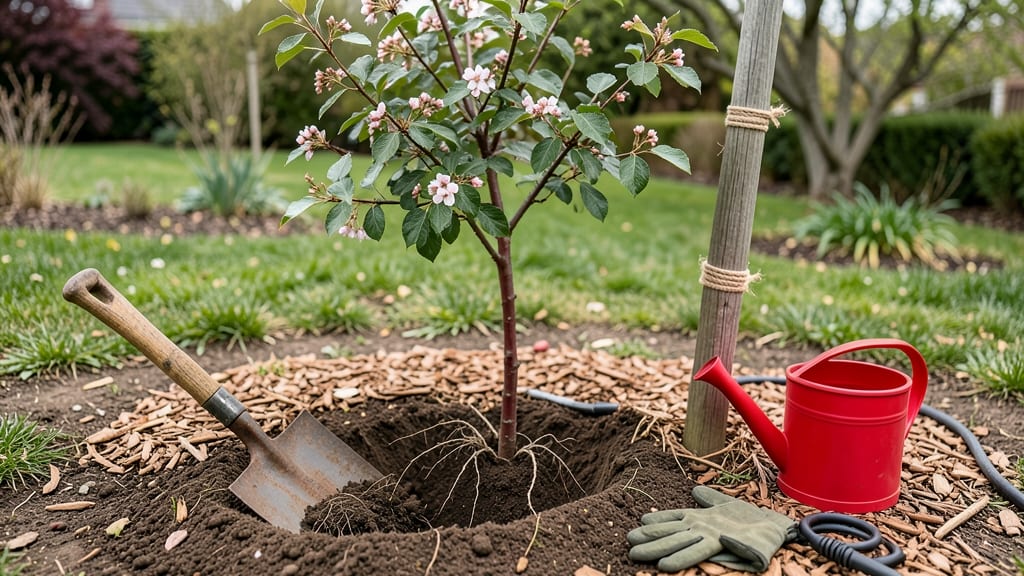
Planting a sour cherry tree means decades of tart, flavorful fruit—if you get the roots right from day one. 🌱 Cold-stratified roots give these trees a head start, but the real secret lies in soil prep, spacing, and that first critical watering.
I planted mine last fall, and now it’s bursting with buds—something store-bought trees never do. The soil needs to be loose, well-draining, and rich in organic matter, with a pH between 6.0 and 7.0.
Dig a hole twice as wide as the root ball but no deeper—sour cherries hate sitting too low. Space trees 20-25 feet apart for airflow, and if you’re in zones 4-7, choose a spot with full sun and protection from harsh winds.
Water deeply right after planting, then again every 7-10 days unless rain does the work. Mulch around the base (but not touching the trunk) to lock in moisture and keep roots cool. The first year is about establishing roots, not fruit—patience here means bigger harvests later.
Cross-pollination is a must for fruit: plant two compatible varieties like Montmorency and Meteor within 50 feet of each other. Prune lightly in early spring to shape the tree, and avoid heavy pruning until it’s established. Now go dig that hole—your future cherry pies are waiting!
📚 In This Guide
- What you need
- Instructions
- Tips and common mistakes
- Wrapping up and next steps
What you need
- ● Cold-stratified sour cherry rootstock or bare-root sapling (1-2 plants, depending on space) Choose Prunus cerasus varieties like Montmorency or Balaton for cold climates (USDA Zones 3-7).
- ● Ensure roots are dormant and cold-treated (6-8 weeks at 33–40°F) for best survival.
- ● Shovel or trowel (for digging holes: 2x wider and as deep as the root ball).
- ● Compost or well-aged manure (5–10 lbs per tree to enrich soil).
- ● Organic mulch (wood chips, straw, or pine needles: 3–4 inches, keep 6 inches away from trunk).
- ● Garden hose or watering can (with a slow-release nozzle for deep watering).
- ○ Tree stakes (optional but recommended) (2 per tree, 6–8 feet long, if planting in windy areas).
- ● Pruning shears (sterilized with rubbing alcohol, for shaping after planting).
- ● Soil test kit ($10–$20) to check pH (ideal: 6.0–6.5; amend with lime or sulfur if needed).
- ● Tree guard or wire cage (to protect from deer/rabbits in early years).
- ● Slow-release fertilizer (e.g., 10-10-10 NPK, 1 lb per tree, applied in spring).
- ● Drip irrigation system (for consistent moisture, especially in dry climates).
- ● Fruit tree spray (organic copper fungicide or neem oil to prevent pests/diseases).
Step-by-step instructions for planting a sour cherry tree
Here's how to plant your cold-stratified sour cherry tree for strong roots and bountiful fruit.
🌱 Step 1: Choose the Perfect Planting Spot
Sour cherry trees thrive in full sun—select a location with at least 6-8 hours of direct sunlight daily. They prefer well-draining soil with a pH between 6.0 and 7.0, so test your soil if possible. Avoid low spots where water pools, as soggy roots lead to root rot and poor growth.
Dig a hole twice as wide as the root ball but only as deep as the container it came in. Loosen the sides of the hole with a shovel so roots can spread easily. If your soil is heavy clay, mix in 2-3 inches of compost into the bottom of the hole to improve drainage.
🪴 Step 2: Prepare the Root Ball and Plant
Remove the sour cherry tree from its container and gently loosen the roots at the edges with your fingers. If the roots are circling tightly (a common issue with container-grown trees), use a knife to make 2-3 vertical cuts to encourage outward growth. This prevents girdling, which can strangle the tree over time.
Place the tree in the hole so the top of the root ball sits 1-2 inches above ground level. This ensures proper drainage and prevents water from pooling at the base. Fill in around the roots with native soil, pressing lightly to remove air pockets. Water deeply to settle the soil.
☀️ Step 3: Mulch and Water for Establishment
Spread 2-3 inches of organic mulch (like wood chips or straw) around the base of the tree, keeping it 3-4 inches away from the trunk to prevent rot. Mulch helps retain moisture and regulates soil temperature, which is especially important in the first year. Avoid piling mulch against the trunk—this can trap moisture and invite pests.
Water the tree deeply once a week (or more often in hot, dry weather) for the first 6-8 weeks to encourage deep root growth. You’ll know it’s getting enough water when the soil feels moist 2-3 inches below the surface. After establishment, water only when the top 1-2 inches of soil feel dry—overwatering is a common mistake that leads to weak trees.
✂️ Step 4: Prune and Monitor for Health
Prune any broken, crossing, or diseased branches right after planting to encourage a strong structure. Use clean, sharp pruners to make cuts at a 45-degree angle just above an outward-facing bud. Avoid heavy pruning—focus on shaping the tree lightly to reduce stress. This is the best time to establish good habits for future growth.
Keep an eye out for yellowing leaves or wilting, which can signal overwatering or poor drainage. If you notice pests like aphids or spider mites, treat them early with neem oil or insecticidal soap to protect your young tree. Sour cherries are generally low-maintenance, but early intervention prevents long-term damage.
Tips & tricks for planting a thriving sour cherry tree
Here's what I've learned from years of planting fruit trees—don't skip these details!
Sunlight Secret: While 6-8 hours of sunlight is ideal, I've noticed sour cherry trees planted on the west side of buildings actually thrive better than those on the east. The afternoon sun gives them an extra boost of warmth that helps with fruit development. If your yard has limited sun, consider planting near a reflective surface like a light-colored wall to maximize light exposure.
Root Ball Rescue: When you're making those 2-3 vertical cuts to loosen circling roots in Step 2, be gentle—don't slice too deep or you'll damage the main roots. I use a small, sharp knife and make just enough cuts to break the root circle. This technique prevents girdling while keeping the root system intact for better establishment. After cutting, I always give the roots a quick rinse to remove any soil that might have clumped around them.
Mulching Mastery: That 2-3 inch layer of organic mulch isn't just for looks—it's a game-changer for moisture retention and temperature regulation. I've found that wood chips work best because they break down slowly, but straw is great if you're in a windy area. The key is keeping it 3-4 inches away from the trunk to prevent rot. Pro tip: Refresh the mulch annually in spring to maintain its protective layer.
Watering Wisdom: The first 6-8 weeks are critical for root development, but I've seen many gardeners overwater during this period. Instead of sticking to a rigid schedule, I check soil moisture by sticking my finger 2-3 inches down—if it's dry, that's when I water deeply. In hot weather, I might water twice a week instead of once, but always let the top 1-2 inches dry out between waterings to prevent waterlogging.
Pro Tips for Sour Cherry Tree Planting
- Here's what I've learned from years of planting fruit trees—don't skip these details!
- Sunlight Secret: While 6-8 hours of sunlight is ideal, I've noticed sour cherry trees planted on the west side of buildings actually thrive better than those on the east.
- Root Ball Rescue: When you're making those 2-3 vertical cuts to loosen circling roots in Step 2, be gentle—don't slice too deep or you'll damage the main roots.
Frequently asked questions
Got questions about planting your sour cherry tree? You’re not alone! Here are answers to the most common queries to help you grow a thriving tree with ease.
When is the best time to plant a sour cherry tree?
The ideal time is early spring (just before buds swell) or fall (6–8 weeks before frost). Planting in spring gives roots time to establish before summer heat, while fall planting lets them settle before winter dormancy. Avoid planting in extreme heat or deep freeze!
Do I need to cold-stratify sour cherry roots before planting?
Yes! Sour cherries require cold stratification (60–90 days at 33–41°F). Place bare-root trees in a damp paper bag in the fridge or bury them in a shaded, insulated spot outdoors. This mimics winter conditions and ensures strong root growth when planted.
How far apart should I space sour cherry trees?
Space trees 20–25 feet apart for proper airflow and sunlight. If growing in a row, allow 30 feet between trees to prevent overcrowding. Dwarf varieties can be planted closer (10–15 feet), but they’ll still need room to mature.
What pests or diseases should I watch for with sour cherry trees?
Common issues include cherry fruit flies, brown rot fungus, and aphids. Prune for airflow, remove infected fruit promptly, and use neem oil or insecticidal soap as needed. Resistant varieties (like ‘Montmorency’) can reduce risks.
Can I grow a sour cherry tree in a container?
While possible, sour cherries thrive best in deep, well-drained soil with ample space. Containers limit root growth and fruit production. If you must use one, choose a 15+ gallon pot, prune aggressively, and repot every 2–3 years. Dwarf varieties are the best bet!
Wrapping up and next steps
Planting a sour cherry tree is a rewarding journey that combines patience, care, and a touch of horticultural know-how. By following cold-stratification techniques and selecting the right variety for your climate, you’re setting the stage for a bountiful harvest of tart, flavorful cherries.
Whether you’re a seasoned gardener or a beginner, every step you take brings you closer to enjoying the sweet (and sour!) fruits of your labor.
Ready to take the next step? Start by marking your planting spot—soil prep and root care are your first allies in growing a thriving sour cherry tree! 🌱