
Trees
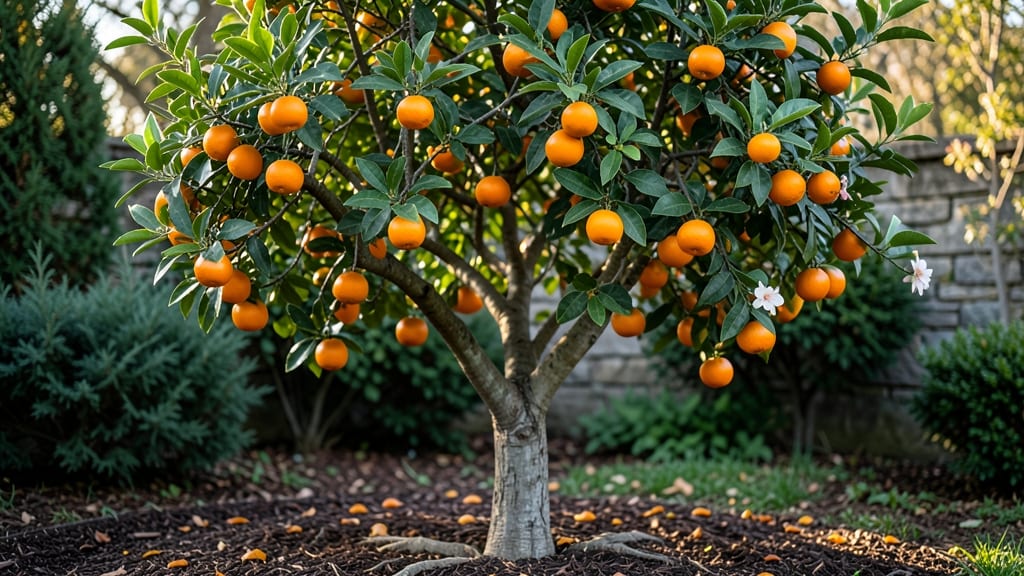
Those mysterious orange balls on your cedar tree aren't berries—they're seed cones that need cold stratification to germinate. 🌱 I've spent years wrestling with cedar seed germination, and these little orbs hold the key to growing your own trees from scratch. The problem?
Most people don't realize these cones need a winter chill to break dormancy. Without it, seeds stay dormant for years. The solution is simple: collect mature cones, store them in a moist bag in the fridge for 90 days, then plant them in well-draining soil.
By spring, you'll see tiny seedlings pushing through the dirt—proof that patience pays off. The process mimics nature's way, giving you healthy starts without buying nursery trees. Works for Eastern red cedar, juniper, and other conifers. Here's how to do it right—no guesswork involved.
Nature’s Seed Strategy Explained
Those bright orange balls on your cedar tree aren’t just a quirky autumn decoration—they’re the tree’s clever way of ensuring the next generation survives. Understanding why they appear and how they function can help you appreciate (and even encourage) their role in the tree’s lifecycle.
Here’s the science behind the phenomenon:
Cedar trees, like many conifers, rely on wind or animal pollinators—often birds or small mammals—to transfer pollen from male cones to female cones. The female cones (those orange "balls") start small and green, but after fertilization, they swell, harden, and turn a vibrant orange.
This color shift is a visual signal to wildlife: "I’m ripe and ready to be dispersed!"
- Key trigger: Successful pollination triggers hormonal changes in the cone, prompting resin production and color transformation.
- Actionable insight: If you notice few orange cones, your tree may have poor pollinator activity. Planting nearby conifers (like junipers) can improve cross-pollination.
The orange cones won’t release seeds immediately—they need a cold, moist period (called cold stratification) to break seed dormancy. This mimics winter conditions, ensuring seeds germinate in spring when conditions are ideal. Without this step, seeds might never sprout, even if they’re viable.
- Why it’s critical: The cold weakens the seed coat, allowing water to penetrate and kickstarting metabolic activity.
- Pro tip: 🌡️ If you’re germinating seeds indoors, replicate this by refrigerating them in a damp paper towel for 30–90 days before planting.
Those orange cones are a buffet for birds, squirrels, and rodents. Animals eat the fleshy scales (or carry cones away), then excrete seeds far from the parent tree. This reduces competition and spreads the species. The bright color? Evolution’s way of saying, “Eat me—I’m delicious and nutritious!”
- Common culprits: Northern flickers, jays, and chipmunks are frequent cedar seed dispersers.
- What to watch for: If cones disappear overnight, wildlife is likely at work. This is good—it means your tree is supporting local ecosystems!
Not all orange cones open. Some remain shut due to:
| Cause | Why It Happens | Fix or Adaptation |
|---|---|---|
| Drought | Lack of moisture halts cone maturation, leaving them hard and unopened. | Water deeply during dry spells (but avoid overwatering). Mulch to retain soil moisture. |
| Pests/Disease | Fungal infections (like Sphaeropsis) or cedar bark beetles can deform cones. | Prune infected branches and treat with copper fungicide if needed. |
| Improper Pollination | Male and female cones on separate trees (or poor wind conditions) lead to underdeveloped cones. | Plant male and female cedars nearby or use a small brush to hand-pollinate. |
💡 Remember: Even "failed" cones serve a purpose—they provide shelter for insects or decompose into nutrient-rich mulch. Nature’s efficiency is remarkable!
Fixing Cedar Tree Seed Issues
If your cedar tree is producing orange balls (likely cedar "apples" or cones) but you’re struggling with germination, don’t worry—there are practical solutions to revive those seeds and encourage healthy growth. Below, we’ll break down common problems and their fixes, along with prevention tips to keep your cedar seedlings thriving.
Cold stratification mimics the natural winter cycle, breaking seed dormancy so they can sprout. If your cedar seeds aren’t germinating, they may need this step.
How to Fix It:
- 🍳 Collect and Clean Seeds
- Extract seeds from the orange cedar "apples" (cones) by drying them in a warm, dry place for 1–2 weeks.
- Remove any remaining pulp or debris—clean seeds germinate faster.
- 👨🍳 Mix Seeds with Moisture-Retentive Material
- Place seeds in a container with damp sand, peat moss, or a paper towel.
- Keep the mixture moist but not soggy (excess water causes rot).
- ⏰ Refrigerate for 30–90 Days
- Store the sealed container in the fridge (34–40°F) for at least 30 days, up to 3 months.
- Check periodically—if mold appears, discard and restart.
- 🌱 Plant After Stratification
- Once cold-treated, sow seeds ½ inch deep in well-draining soil.
- Keep soil consistently moist and place in a sunny spot (or under grow lights).
💡 Pro Tip: If seeds still don’t sprout after stratification, try scarification—lightly nick the seed coat with sandpaper to help water penetrate.
Cedar seeds need consistent moisture but hate soggy conditions. If your soil is either too dry or waterlogged, germination will fail.
How to Fix It:
- For Dry Soil:
- Water seeds gently with a spray bottle to avoid displacing them.
- Use a humidity dome (or plastic wrap) to retain moisture while allowing airflow.
- Check soil daily—it should feel like a wrung-out sponge.
- For Waterlogged Soil:
- Ensure pots have drainage holes to prevent root rot.
- Mix in perlite or sand (20%) to improve aeration.
- Let the top inch of soil dry slightly between waterings.
✨ Prevention Tip: Use a moisture meter or stick your finger in the soil—if it’s damp but not dripping, you’re golden!
Cedar seeds germinate best in cool to moderate temperatures (60–75°F). If your space is too hot or cold, growth stalls.
How to Fix It:
- For Too-Hot Environments:
- Move seedlings to a shadier, cooler spot (like a basement with indirect light).
- Use a fan on low to prevent overheating.
- For Too-Cold Conditions:
- Place trays near a south-facing window or under grow lights.
- Avoid drafts—cedar seeds dislike sudden temperature swings.
🎯 Prevention Tip: A seedling heat mat (set to 70°F) can help if your home runs cold.
Mold, fungus gnats, or damping-off can kill cedar seeds before they sprout. Keep your setup clean!
How to Fix It:
- For Mold/Fungus:
- 🔪 Discard contaminated seeds and sterilize containers with 1 part hydrogen peroxide to 10 parts water.
- Sprinkle cinnamon or diatomaceous earth on soil to prevent fungal growth.
- For Pests (Like Gnats):
- Trap adults with yellow sticky cards near seedlings.
- Use sand or vermiculite on soil surface to deter egg-laying.
💡 Pro Tip: Neem oil spray (diluted) can prevent fungal issues—apply lightly to soil before planting.
If seeds still refuse to sprout after trying the above, don’t give up—cedar seeds can be stubborn!
How to Fix It:
- 🔄 Re-stratify for Longer
- Some cedar varieties need up to 6 months of cold treatment. Extend your fridge time.
- 🌱 Use a Growth Hormone (Optional)
- Soak seeds in water + a drop of liquid seaweed extract for 12 hours before planting.
- 🌿 Try Direct Outdoor Sowing (Fall Planting)
- Plant seeds outdoors in autumn—natural winter cold may trigger germination better than artificial methods.
✨ Prevention Tip: Label and track your seeds—some cedar types (like Eastern Red Cedar) germinate faster than others.
Final Reminder: Patience is key! Cedar seeds can take 2–6 weeks (or longer) to germinate. Stay consistent with moisture, temperature, and care, and you’ll see those little seedlings break through. 🌱
Frequently asked questions
Are those orange balls on my cedar tree actually berries?
No, they're not true berries! Those bright orange "balls" are actually seed cones (also called cedar "apples"). They're the tree's way of protecting seeds until they're ready to germinate. Unlike berries, these cones won't soften when ripe—they'll stay firm and woody.
Why do some cedar trees have more orange cones than others?
Cones appear more abundantly on healthy, mature trees with good pollination. If your tree has few cones, it might need a male cedar nearby (since female cones require pollen). Poor soil nutrients or drought can also reduce cone production—try adding compost or mulching to encourage better growth.
Can I eat the orange cedar cones?
No, they're not edible! While some animals (like birds) eat the fleshy scales, the hard outer shell and seeds contain compounds that can be toxic to humans. The cones are primarily for seed dispersal—not for consumption. That said, they make great natural bird feeders if left on the tree!
How do I know when cedar cones are ready for seed collection?
Look for cones that are fully orange and beginning to open slightly (but not yet releasing seeds). The best time to collect is late fall to winter when cones are mature but haven't fully opened. Avoid collecting green cones—they won't contain viable seeds. Store them in a cool, dry place until you're ready for cold stratification.
What should I do if my cedar tree isn't producing any orange cones?
Check for these common issues:
- Age: Young trees (under 5 years) may not produce cones yet
- Pollination: Plant a male cedar nearby if you only have females
- Health: Poor soil or pests can reduce cone production