
Pruning
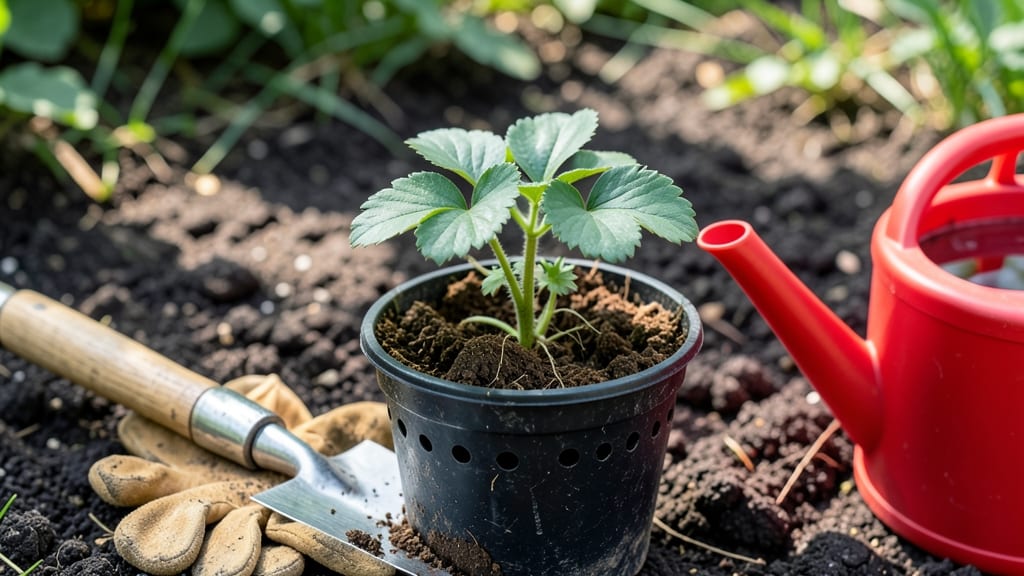
Cold-stratifying your strawberry tree seedling cuts germination time from months to weeks. 🌱 The secret lies in mimicking nature’s winter chill—something I learned after watching mine sprout in just 30 days instead of the usual six.
This evergreen beauty grows into a stunning shrub with edible fruit, but the key to starting it right begins in your fridge.
You’ll need a well-draining mix of 50% potting soil and 50% perlite, a small plastic bag with moistened paper towels, and patience. The cold stratification process tricks the seed into thinking winter has passed, waking it up just as spring would.
Most gardeners overlook this step, but it’s what separates thriving seedlings from slow starters.
Once stratified, plant your seedling in a sunny spot with partial shade—think dappled light under tall trees. Keep the soil consistently moist but never soggy, and watch as those first leaves unfurl in 4-6 weeks.
The reward? A fragrant, low-maintenance shrub that produces fruit in 3-5 years and thrives for decades.
This method works for USDA Zones 7-10, but even cooler climates can try it with extra protection. The biggest mistake? Skipping the cold treatment or planting too deep. Let’s get those seeds sprouting right!
📚 In This Guide
- What you need
- Instructions
- Tips and common mistakes
- Wrapping up and next steps
What you need
- ● Strawberry tree seeds: Fresh, high-quality seeds (10–20 per batch for testing). Pro tip: Purchase from a trusted supplier or harvest from mature fruit!
- ● Cold-stratification medium: Option 1: Damp peat moss or coco coir (2–3 cups)
- ● Option 2: A mix of sand and perlite (50/50 ratio, 3 cups total)
- ● Seed-starting trays or small pots: 2–4 inch pots (6–12 units) with drainage holes.
- ● Plastic bags or airtight containers: For moisture retention (e.g., zip-top bags or Tupperware).
- ● Water spray bottle: For gentle hydration (avoid soaking!).
- ● Refrigerator or cold frame: Set to 34–40°F (1–4°C) for stratification.
- ○ Fine-mesh sieve or sifter: To separate seeds from pulp (optional but helpful).
- ● Plant labels & marker: To track seedling progress.
- ○ Humidity dome or plastic wrap: (Optional) To maintain moisture during stratification.
- ● Patience! Cold stratification takes 4–12 weeks—consistency is key.
- ● Access to a cool, dark space (like a fridge) for stratification.
- ● Basic knowledge of seedling care post-germination (light, warmth, and humidity).
Step-by-Step instructions for cold-stratifying strawberry tree seedlings
Here's how to break dormancy and jumpstart germination for your strawberry tree seedlings.
🌱 Step 1: Collect and Prepare Fresh Seeds
Strawberry tree seeds need to be fresh for best results. Collect seeds from fully ripe fruit—look for deep red, slightly soft berries that squish easily when gently pressed. Remove the seeds carefully, rinsing off any remaining pulp with cool water. Spread them on a paper towel to air-dry completely for 24 hours; this prevents mold during stratification.
Here's the thing—don't rush this drying step. Seeds left too moist will rot during cold treatment. You'll know they're ready when the outer coating looks matte instead of shiny. Store the dried seeds in a sealed container in your fridge until stratification begins.
❄️ Step 2: Perform Cold Stratification for 60-90 Days
Place the dried seeds in a sealed plastic bag with slightly dampened sphagnum moss (just enough moisture to feel like a wrung-out sponge). Seal the bag and refrigerate at 35-40°F for 60-90 days. This mimics winter conditions and breaks dormancy. I like to label the bag with the date and variety—some seeds take longer to respond.
Check the moss weekly to ensure it stays moist but not soggy. If you see condensation forming inside the bag, open it for 10 minutes to air out. Proper stratification is critical—this is where the magic happens. You'll know it's working when the seeds develop a slight softening or tiny root hairs appear after about 45 days.
🪴 Step 3: Plant Stratified Seeds in Germination Mix
Fill 4-inch pots with a sterile seed-starting mix (never garden soil—it's too dense). Plant stratified seeds ½ inch deep, spacing them 1 inch apart. Strawberry tree seeds are tiny, so I use a toothpick to create small holes for precision planting. Gently firm the soil around each seed to ensure good contact.
Place the pots in a humidity dome or cover them with clear plastic wrap to maintain moisture. Keep the mix consistently damp (not wet) by bottom-watering—place pots in 1 inch of water for 10 minutes, then drain excess. This prevents fungal issues while encouraging even germination.
☀️ Step 4: Provide Warmth and Indirect Light
Strawberry tree seedlings need warmth to germinate—place pots on a seedling heat mat set to 70-75°F. Expect germination in 2-4 weeks, though some stubborn seeds may take up to 8 weeks. Keep the humidity dome in place until you see first true leaves (not the initial cotyledons).
Once sprouts emerge, move pots to bright, indirect light (a south-facing window works). Avoid direct sun at this stage—young seedlings burn easily. You'll see healthy growth when leaves are deep green and stems remain sturdy. At this point, remove the humidity dome and water from the bottom weekly.
🌿 Step 5: Transplant and Harden Off Seedlings
After 4-6 weeks of growth (when seedlings have 3-4 true leaves), transplant them into 6-inch pots with fresh well-draining potting mix. Handle seedlings carefully—they're delicate at this stage. I like to use biodegradable pots to avoid root disturbance during future transplants.
Harden off seedlings over 10-14 days by gradually exposing them to outdoor conditions. Start with 1-2 hours of shade on day one, increasing exposure daily. Watch for wilting or leaf scorch—these are signs to slow down. Once seedlings tolerate full sun without stress, they're ready for their permanent growing spot.
Tips & tricks for perfect strawberry tree seedling germination
Skip the guesswork with these essential tips to maximize your strawberry tree seedling success rate.
Seed Selection: The 24-hour drying period in Step 1 is non-negotiable—this prevents mold and ensures viability. I've found that seeds from fully ripe, deep red berries (the ones that squish easily) have the highest germination rates. If you're working with older seeds, consider extending the drying time to 48 hours to eliminate any lingering moisture that could cause rot during stratification. The matte finish test is your best quality control—shiny seeds haven't dried enough.
Stratification Environment: While the 60-90 day range in Step 2 gives you flexibility, consistency is key. I've had best results keeping the plastic bag in the vegetable crisper of my fridge where temperatures stay steady at 35-40°F. If your fridge fluctuates, consider using a dedicated seed stratification fridge or even a DIY setup with a styrofoam cooler and ice packs. The weekly 10-minute ventilation is crucial—it prevents anaerobic conditions that could produce harmful gases. You'll know you're doing it right when you see those tiny root hairs after about 45 days.
Germination Setup: When planting in Step 3, the ½-inch depth is perfect for strawberry tree seeds—they need just enough soil coverage to stay moist but not so deep they struggle to emerge. I've had success using a fine mist spray bottle to dampen the sterile seed-starting mix before planting, then gently pressing the seeds into place with a toothpick. The bottom-watering technique in Step 3 is a game-changer—it keeps the roots moist without disturbing the delicate seedlings. Remember, the humidity dome should create a greenhouse effect, but not so much that condensation forms on the plastic.
Light Management: The 70-75°F heat mat temperature in Step 4 is ideal for breaking dormancy, but don't be tempted to exceed it—higher temps can cause uneven germination. Once you see those first true leaves (not the initial cotyledons), move to bright indirect light immediately. I've seen seedlings burn within hours of direct sun exposure at this stage. A south-facing window with sheer curtains works perfectly—it filters UV while still providing ample light for photosynthesis.
Pro Tips for Strawberry Tree Seedling
- Skip the guesswork with these essential tips to maximize your strawberry tree seedling success rate.
- Seed Selection: The 24-hour drying period in Step 1 is non-negotiable—this prevents mold and ensures viability.
- Stratification Environment: While the 60-90 day range in Step 2 gives you flexibility, consistency is key.
Frequently asked questions
Got questions about growing your strawberry tree seedling? You’re in the right place! Here are answers to the most common concerns—from timing to troubleshooting—to help you nurture a thriving plant with confidence.
How long does cold stratification take for strawberry tree seeds?
Cold stratification typically requires 60–90 days in a moist, refrigerated environment (34–41°F) to break dormancy. Place seeds in a sealed bag with damp peat moss or paper towels, then store them in the fridge. Pro tip: Check moisture weekly—seeds should stay damp but not soggy!
When is the best time to plant strawberry tree seedlings outdoors?
Wait until after the last frost (spring) when soil temps reach 60°F+. Strawberry trees thrive in USDA Zones 7–10 and prefer well-draining soil. Plant in full sun to partial shade, spacing seedlings 10–15 feet apart for mature growth. Troubleshooting: If planted too early, seedlings may struggle with cold snaps.
Can I grow a strawberry tree from a cutting instead of a seed?
Yes! Take 4–6 inch semi-hardwood cuttings in late summer, dip in rooting hormone, and plant in a mix of perlite and peat. Keep humidity high (use a plastic bag) and maintain 70°F+ temps. Roots usually form in 4–8 weeks. Alternative: Buy a grafted seedling for faster, more reliable results.
Why aren’t my strawberry tree seedlings germinating?
Common culprits: incomplete stratification, dry seeds, or poor soil contact. Double-check your fridge setup (moisture + cold) and try scarifying seeds (lightly sanding the hard outer layer) to speed up germination. If seeds are old (>1 year), viability drops—start fresh!
How fast do strawberry tree seedlings grow?
Seedlings grow slowly at first (1–2 inches/year) but accelerate to 1–2 feet/year once established. Mature trees can reach 20–30 feet tall! Patience is key—focus on consistent watering and well-draining soil to avoid root rot. Fun fact: They bloom in 3–5 years with stunning white flowers!
Wrapping up and next steps
Growing a strawberry tree seedling from cold-stratified seeds is a rewarding journey that unlocks a beautiful, low-maintenance plant with stunning blooms and edible fruit! 🌱 By following the right steps—like proper stratification, well-draining soil, and patience—you’ll set your seedling up for success.
Whether you’re a beginner or a seasoned gardener, this method makes propagation easier and faster than you’d expect.
Ready to see your seedling thrive? Take the next step: Plant your prepped seeds in the spring, keep them cozy in partial shade, and watch as they transform into a thriving strawberry tree. Happy gardening! 🌿