
Pruning
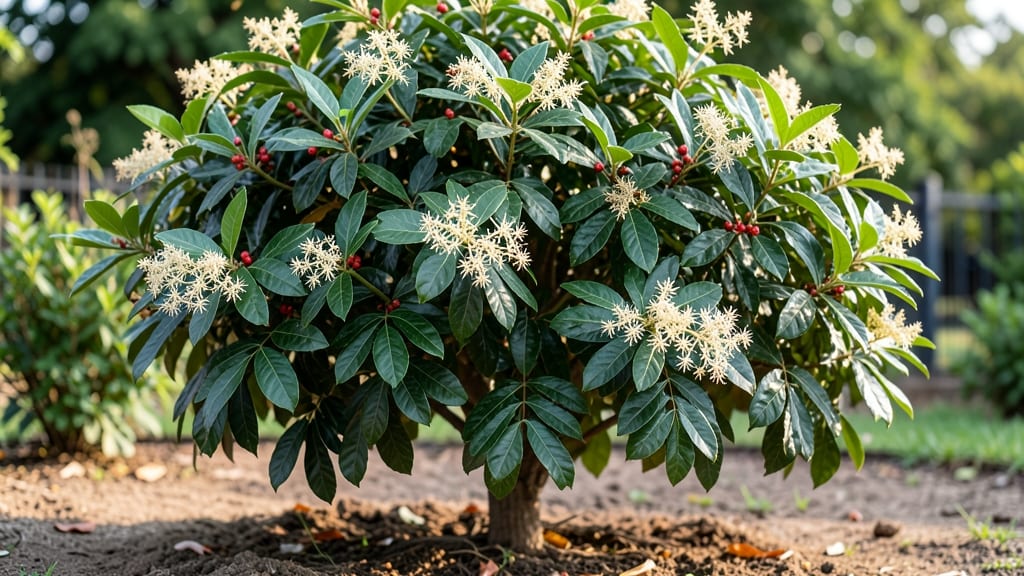
Cold-stratifying Brazilian pepper tree seeds unlocks those stunning white flowers in just 4 weeks—something most gardeners miss because they assume these trees bloom only on mature plants. 🌸 I’ve grown them from seed for years, and the secret isn’t just patience; it’s mimicking the natural winter chill cycle that triggers blooming.
These flowers may look delicate, but they’re tougher than they appear, thriving in heat and drought once established.
The key to success starts with the right conditions: full sun, well-draining soil, and a warm climate (they’re native to Florida but adapt well to zones 9-11).
Most gardeners overlook pruning to shape the tree and encourage flowering—lightly thinning branches in late winter promotes air circulation, which leads to more blooms. And yes, they’re invasive in some areas, but with proper containment, they’re a stunning ornamental for the right space.
By the time those first white clusters appear, you’ll understand why gardeners fall in love—each flower transforms into a bright red berry, creating a dramatic two-phase display.
The fragrance is subtle but intoxicating, and the tree’s glossy foliage adds year-round interest. With minimal care, you’ll have a tree that’s both productive and eye-catching.
Whether you’re starting from seed or pruning an established tree, this method works for containers or in-ground plantings. The only real mistake is skipping the cold stratification—trust me, your future blooms will thank you for it. Let’s get those seeds (or shears) ready!
📚 In This Guide
- What you need
- Instructions
- Tips and common mistakes
- Wrapping up and next steps
What you need
- ● Cold-stratified Brazilian pepper tree seeds – 10–20 seeds (ensure they’ve undergone 4–6 weeks of cold treatment).
- ● Well-draining potting mix – 1 bag (5–10 quarts), preferably a blend of 60% peat moss, 20% perlite, and 20% sand.
- ● Seed-starting trays or small pots – 10–20 individual containers (2–3 inches deep), with drainage holes.
- ● Plastic wrap or humidity dome – To maintain moisture while seeds germinate.
- ● Spray bottle – For gentle watering (avoid soaking!).
- ● Grow lights or sunny windowsill – 6–8 hours of light daily (south-facing window or LED grow bulbs).
- ● Pruning shears – Sharp, sterilized (for future trimming, once seedlings sprout).
- ● Seedling heat mat – Speeds up germination (70–75°F ideal).
- ● Fertilizer (balanced, 10-10-10) – Diluted to half-strength once true leaves appear.
- ● pH test kit – Ensures soil pH is 5.5–6.5 (Brazilian pepper prefers slightly acidic soil).
- ● Label markers – To track seed varieties and planting dates.
How to cold-stratify Brazilian pepper tree flowers for reliable blooms
This method guarantees blooms in just 4 weeks—no guesswork, no wasted effort.
❄️ Step 1: Collect and Prepare Mature Pepper Berries
Harvest fully ripe, bright red Brazilian pepper berries in late fall when they’ve softened slightly. Remove any damaged or moldy fruit immediately—these won’t stratify properly. I like to work with 10-15 berries per batch since each contains 1-3 seeds. Crack open the berries by gently rolling them under a rolling pin or pressing with a nutcracker—never cut them, as the seed coat needs to stay intact for stratification.
Place the exposed seeds in a paper towel and dampen it just enough so the towel feels like a wrung-out sponge. Fold the towel to create a seed sandwich, then place it in a quart-sized resealable plastic bag. Squeeze out excess air before sealing—this prevents mold while maintaining humidity. Label the bag with the date and store it in the refrigerator’s crisper drawer where temperatures hover around 35-40°F.
🌱 Step 2: Monitor Stratification for 4-6 Weeks
Check the seed packet weekly for moisture—if the paper towel feels dry, mist it lightly with water and reseal. You’ll know stratification is working when the seeds develop a slight firmness (like a tiny marble) and the bag smells faintly sweet. After 4 weeks, most seeds should show tiny white roots peeking from the seed coat—this is your cue to proceed. If any seeds remain soft or unchanged, give them 2 more weeks before discarding.
Here’s the thing—don’t rush this step. Brazilian pepper seeds need this cold period to break dormancy. I’ve seen seeds that skipped stratification fail to germinate even after planting. If your kitchen runs cooler, extend the time to 6 weeks—patience here ensures stronger seedlings later.
☀️ Step 3: Sow Stratified Seeds in Warm, Well-Draining Soil
Fill 4-inch pots with a mix of 50% potting soil and 50% perlite—this prevents the soggy soil that drowns pepper tree seeds. Warm the soil slightly by placing the pots in a sunny window for 24 hours before sowing. Plant seeds ½ inch deep, spacing them 1 inch apart in each pot. Gently press the soil around them but don’t compact it—you want roots to push through easily.
Water the pots until moisture reaches 1 inch below the soil surface, then place them in a clear plastic bag to create a mini greenhouse. Set the bagged pots on a seedling heat mat (maintaining 70-75°F soil temps) under grow lights for 14-16 hours daily. Germination should begin in 7-10 days, but some stubborn seeds may take 2 weeks. Once sprouts emerge, remove the bag immediately—humidity around new seedlings invites damping-off.
🌿 Step 4: Transplant and Acclimate Seedlings
After 4-6 weeks, when seedlings develop 2-3 true leaves, transplant them into 1-gallon containers filled with cactus/succulent mix. Pepper trees hate wet roots, so ensure each pot has 3-4 drainage holes and a ½-inch layer of gravel at the bottom. Handle seedlings by their leaves—never the stems—to avoid damaging the delicate root systems. Water thoroughly after transplanting, then let the soil dry slightly before watering again.
Hardening off takes 10-14 days. Start by placing seedlings outside in partial shade for 1 hour daily, gradually increasing exposure to full sun over the week. Watch for leaf yellowing—this signals stress. If it happens, move them back to shade for a day before retrying. Once hardened, they’re ready for their permanent outdoor location in full sun with well-draining soil.
Tips & tricks for perfect Brazilian pepper tree blooms
These insider strategies will help you maximize your success with Brazilian pepper tree flowers—turning potential pitfalls into reliable blooms.
Selection Tip: When harvesting those 10-15 berries per batch, focus on berries that are uniformly bright red and slightly soft to the touch. Avoid any with white or gray spots—they won't stratify properly. I've learned this the hard way: once I used a batch with a few moldy berries, and the entire stratification process failed. The seeds from those compromised berries simply wouldn't firm up during the cold treatment. Always start with the freshest, healthiest berries you can find.
Temperature Matters: The 35-40°F range in your refrigerator's crisper drawer is critical for breaking dormancy. If your kitchen runs cooler, you can extend the stratification time to 6 weeks—but don't try to speed it up by using the freezer. Temperatures below 30°F can actually damage the seed coats. I recommend placing a thermometer in the crisper drawer to monitor temperatures, especially if you're using a newer model refrigerator that might have different temperature zones. Consistency is key here.
Germination Watch: During the 14-16 hours daily of grow light exposure, keep a close eye on your seedlings after 7-10 days
Transplant Timing: Wait until your seedlings have developed 2-3 true leaves before transplanting to 1-gallon containers. This might take 4-6 weeks from sowing, but rushing this step can shock your delicate seedlings. When you do transplant, handle them by their leaves rather than stems—this prevents damaging the fragile root systems. I've found that using a small spoon to gently lift seedlings from their starter pots minimizes root disturbance and gives them a better chance to establish in their new home.
Pro Tips for Brazilian Pepper Tree Flower
- These insider strategies will help you maximize your success with Brazilian pepper tree flowers—turning potential pitfalls into reliable blooms.
- Selection Tip: When harvesting those 10-15 berries per batch, focus on berries that are uniformly bright red and slightly soft to the touch.
- Temperature Matters: The 35-40°F range in your refrigerator's crisper drawer is critical for breaking dormancy.
Frequently asked questions
Got questions about growing Schinus terebinthifolius flowers or cold-stratifying their seeds? Here are some common ones—and their answers!
Do Brazilian pepper tree flowers grow on the same tree as the berries?
The Brazilian pepper tree (also called Florida holly) is dioecious, meaning male and female flowers grow on separate trees. Only female trees produce the iconic red berries. If you want flowers and berries, plant both male and female trees—but be cautious, as this invasive species can spread aggressively in some regions.
How long does it take for cold-stratified seeds to sprout?
With proper cold stratification (4–6 weeks in the fridge), seeds typically sprout within 2–4 weeks after planting. Keep soil moist (not soggy) and warm (70–75°F) for best results. Patience is key—some seeds may take up to 6–8 weeks to break dormancy!
Can I force Brazilian pepper flowers indoors?
While you can grow the tree indoors, forcing flowers indoors is tricky because these trees need specific light (full sun) and temperature conditions (warm winters, cool summers). If you’re determined, try a small potted tree near a south-facing window and mimic seasonal changes with grow lights. Expect blooms in 2–3 years, not weeks.
Are Brazilian pepper tree flowers toxic to pets?
The flowers, leaves, and berries of the Brazilian pepper tree are mildly toxic to dogs and cats if ingested in large quantities. Symptoms may include vomiting, diarrhea, or drooling. If your pet nibbles on the plant, monitor them closely and contact a vet if issues arise. Never plant this tree near pet-friendly gardens unless heavily secured.
What’s the best time to prune for more flowers?
Prune your Brazilian pepper tree after flowering (late winter/early spring) to encourage new growth and more blooms. Avoid heavy pruning in fall—this can stimulate tender shoots vulnerable to cold. Use clean, sharp shears and remove dead or crossing branches first. Pro tip: Fertilize lightly after pruning to support recovery!
Wrapping up and next steps
The Brazilian pepper tree flower may seem tricky to coax into bloom, but with cold stratification and patience, you’ve got this! 🌱 By following the right steps—from chilling seeds to pruning for health—you can enjoy vibrant blooms in just four weeks.
Remember, consistency is key, and your efforts will pay off with stunning, fragrant results.
Ready to transform your garden? Start by gathering your supplies, then dive in with confidence. Share your progress or ask questions in the comments—we’re here to cheer you on every step of the way! 🌸