
Diseases
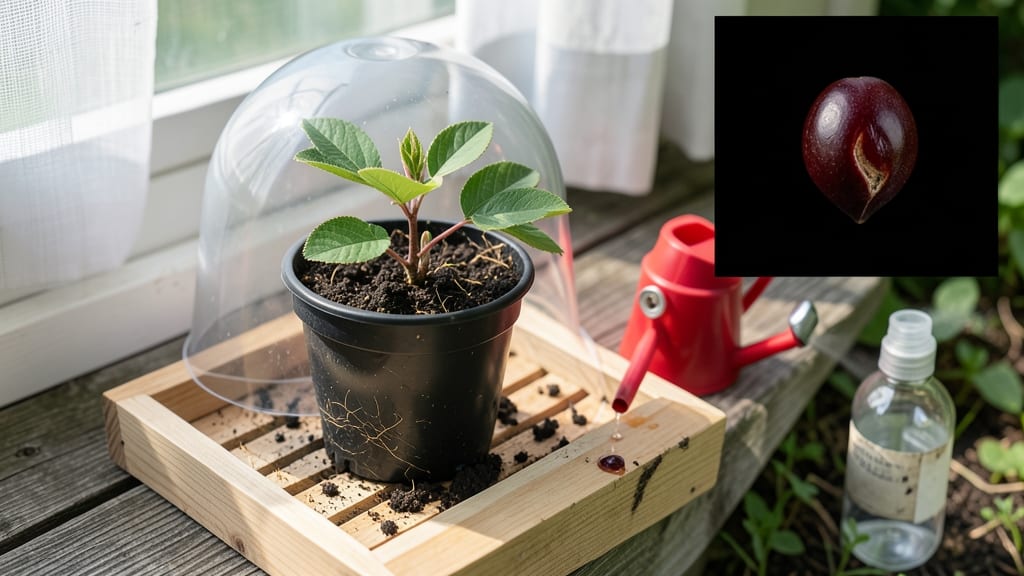
You can grow a cherry tree from a cherry seed, but the process is unpredictable: the tree will take 5–7 years to bear fruit, produce small, tart cherries, and likely won't match the parent variety due to genetic differences. Proper care and patience are key to success.
Starting a cherry tree from seed is a rewarding but slow process that relies on nature's unpredictability. 🌱 The seeds need stratification—a cold period to break dormancy—before they'll sprout, which often takes months.
Unlike grafted trees sold in nurseries, seed-grown cherries develop unique traits, sometimes producing fruit that's smaller or less sweet than expected. I've seen seedlings thrive in containers before transplanting, but they require consistent moisture and protection from harsh weather during their vulnerable early years.
What makes this journey special is watching the transformation from tiny seed to mature tree. The first blooms after years of care are especially meaningful, even if they don't yield perfect fruit.
Many gardeners start this way simply for the experience, knowing they might end up with a beautiful ornamental tree even if it never bears commercial-quality cherries. The real lesson? Patience and curiosity often yield the most unexpected rewards in gardening.
💡 In This Article
- How Cherry Seed Germination and Growth Work
- Step-by-Step Guide to Growing Cherries from Seeds
How cherry seed germination and growth work
The journey begins with a cherry pit that contains the embryo, surrounded by a hard seed coat designed to protect it during dormancy. For cherry seeds, this protective layer requires stratification—a cold, moist period mimicking winter conditions—to break dormancy.
Most cherry seeds need 60-90 days at 33-41°F (1-5°C) to trigger germination hormones.
Without this step, the seed might never sprout, even with ideal growing conditions afterward. 🌱 The science behind this is fascinating: cold temperatures cause the seed coat to weaken while promoting internal chemical changes that prepare the embryo for growth.
Once stratified, the seed enters a rapid growth phase where roots emerge first, followed by the shoot. The initial root system develops quickly, reaching depths of 2-4 inches within weeks, while the shoot grows more slowly.
Seedlings typically reach 4-6 inches in their first year but remain delicate, with leaves that are smaller and darker than mature trees. This early growth stage is critical—seedlings are highly susceptible to damping-off disease (a fungal infection) if the soil stays too wet, which is why well-draining soil is essential.
The genetic lottery also kicks in here: some seedlings may inherit traits like disease resistance or cold hardiness from their parents, while others might develop weaknesses.
Here's where things get interesting: seed-grown cherry trees develop through a process called cross-pollination, where genetic material from multiple parent trees combines. This is why your homegrown cherry tree might produce fruit that's smaller, tart, or even different in color from the parent variety.
For example, a seed from a sweet Bing cherry might yield a tree bearing tart, mealy fruit that's more suited to cooking than fresh eating. This genetic variation is what makes seed-growing an adventure—you never know what you'll get! 🌿
Grafted cherry trees (the ones sold in nurseries) offer more predictable results because they're genetically identical to the parent plant. However, seed-grown trees often develop stronger root systems and can be more resilient to local soil conditions. The trade-off?
They may take 3-5 years longer to bear fruit compared to grafted varieties. For gardeners willing to embrace uncertainty, the reward comes in the form of unique trees that might outperform commercial varieties in specific climates or soil types.
The key is understanding that you're not just growing a tree—you're participating in nature's genetic experiment.
One often-overlooked factor is the role of mycorrhizal fungi in seedling development. These beneficial soil fungi form symbiotic relationships with tree roots, enhancing nutrient uptake and drought tolerance. Many gardeners accidentally hinder this process by using sterile potting mixes or excessive fungicides.
Instead, planting in native soil or adding compost creates an environment where these fungi can thrive, giving your seedling a competitive advantage from day one. The result? Healthier growth and better resilience against environmental stressors.