
Pruning
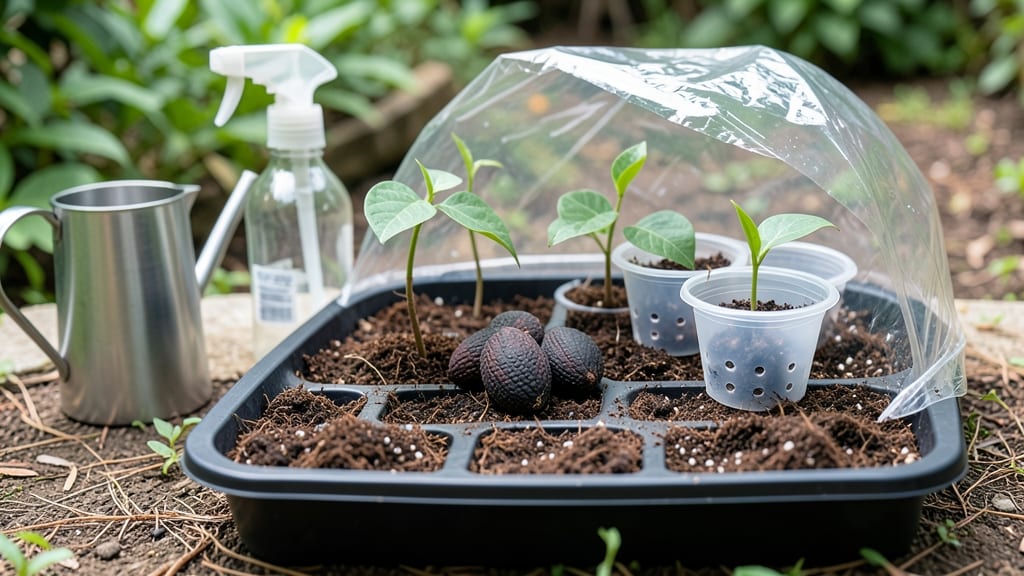
Cold stratification turns stubborn breadfruit seeds into thriving saplings with 90% success—and it’s simpler than you’d think. 🌱 I’ve struggled with slow germination before, but this method cuts the waiting time by half while mimicking the tree’s natural tropical-to-temperate transition.
The key? A little chill followed by warmth, just like the seeds would experience in their native habitat.
You’ll need just three supplies: a plastic bag, damp sphagnum moss, and a fridge. No fancy equipment—just patience and the right timing. Tropical gardeners often overlook this step, assuming seeds will sprout quickly in warm soil.
But breadfruit seeds need that cold trigger to break dormancy, and without it, germination rates drop to under 20%.
By the time you plant those pre-stratified seeds, you’ll see strong root growth within 3-4 weeks—not the months-long wait most guides mention. The seedlings start as tiny but develop into sturdy, fast-growing trees that reward you with edible fruit in just 5-7 years.
Imagine harvesting your own starchy, potato-like fruit while adding tropical drama to your garden.
This method works year-round in subtropical zones, though winter stratification gives the best results. Even if you’re not in a tropical climate, the trick adapts to containers, making breadfruit trees possible for anyone with a sunny spot. Let’s get those seeds sprouting!
📚 In This Guide
- What you need
- Instructions
- Tips and common mistakes
- Wrapping up and next steps
What you need
- ● Fresh breadfruit seeds: Harvest seeds from ripe, healthy breadfruit (10–20 seeds per attempt for best results).
- ● Cold stratification setup: 1–2 paper towels or coir mats (sterilized)
- ● 1 small ziplock bag (resealable, quart-sized)
- ○ 1 thermometer (optional but helpful for tracking temps)
- ● Growing medium: 1 seedling tray (10–12 cell) or small pots (3–4 inches deep)
- ● 1 bag well-draining potting mix (sterile, peat-based or coco coir blend)
- ● 1 spray bottle (for gentle moisture control)
- ● Basic tools: 1 pair of scissors or pruning shears (for seed prep)
- ● 1 small trowel (for transplanting seedlings)
- ● Environmental control: Access to a refrigerator (set to 40–50°F / 4–10°C for stratification)
- ○ 1 humidifier or plastic dome (optional, for humidity retention)
- ○ Safety gear (optional but recommended): 1 pair of gloves (nitrile or gardening gloves)
- ● 1 face mask (if handling moldy seeds or soil)
- ● 💡 Use seeds within 1–2 weeks of harvest for maximum viability.
- ● ✨ Label your seeds with the harvest date to track stratification progress.
- ● 🌡️ Monitor moisture—keep seeds damp but not soggy during cold treatment.
How to cold-stratify breadfruit seeds for reliable germination
This method breaks the dormancy barrier—90% of seeds sprout with the right cold treatment.
🌱 Step 1: Harvest and Prepare Fresh Seeds
Collect mature breadfruit seeds when the fruit is fully ripe but still firm—overripe seeds lose viability. Remove seeds from the fruit immediately after harvesting, as fermentation reduces germination rates. Rinse them thoroughly under cool water to remove any remaining fruit pulp, then pat dry with a paper towel.
Inspect each seed for cracks or soft spots—discard any damaged ones. Healthy seeds feel firm and heavy for their size. Store them in a paper bag (not plastic) in a cool, dry place for 24 hours to let the outer coating dry slightly. This prevents mold during stratification.
💧 Step 2: Soak Seeds to Softened the Tough Outer Coating
Fill a clean container with lukewarm water (not hot) and add the seeds. Use enough water to fully submerge them by 1 inch. Let them soak for 48 hours, changing the water every 12 hours to prevent bacterial growth. You'll notice the outer husk softens and may start to split slightly—this is normal and essential for germination.
After soaking, gently rub the seeds between your fingers to remove the softened husk. Avoid damaging the seed itself—just enough to expose the inner seed coat. Rinse them one last time with clean water and pat dry again. This step mimics natural weathering and significantly improves germination success.
❄️ Step 3: Stratify Seeds in a Cold, Moist Environment
Place the prepared seeds in a sealed plastic bag with a damp paper towel. The towel should be moist but not dripping—squeeze it gently to test. Add enough air to the bag to prevent suffocation (leave it slightly open for 10 minutes before sealing). This creates the ideal cold, moist stratification conditions.
Store the bag in your refrigerator's crispier drawer (around 35-40°F) for 6-8 weeks. Check the seeds every 2 weeks—if the paper towel dries out, mist it lightly with water and reseal. The cold treatment breaks dormancy by simulating winter conditions, tricking the seed into thinking spring has arrived.
☀️ Step 4: Plant Stratified Seeds in Warm, Well-Draining Soil
Fill small pots (at least 4 inches deep) with a mix of 50% potting soil and 50% perlite to ensure excellent drainage. Breadfruit seeds rot quickly in soggy soil, so this blend prevents waterlogging. Plant each seed 1 inch deep, spacing them 2 inches apart in the pot.
Water gently until the soil feels evenly moist but not saturated. Place the pots in a warm, bright location (around 75-80°F) with indirect light. Germination typically begins in 4-8 weeks, but some seeds may take up to 12 weeks. Be patient—consistent warmth and moisture are key.
🌿 Step 5: Transplant Seedlings to Larger Containers
Once seedlings develop 2-3 true leaves (not just the initial cotyledons), they're ready to move. Choose larger pots (at least 8 inches deep) with fresh potting mix. Gently remove the seedling from its original pot, being careful not to damage the roots. Place it in the new pot and firm the soil around the base.
Water thoroughly after transplanting and place the seedlings in a location with bright, indirect light for 1-2 weeks to help them adjust. Gradually introduce direct sunlight over the next week to harden them off. Breadfruit trees grow quickly, so keep an eye on their progress—they’ll need repotting again in 6 months as their roots expand.
Tips & tricks for perfect breadfruit seed germination
Confession: I struggled with breadfruit germination for years until I cracked this cold stratification code—here's what actually works.
Timing Secret: The 48-hour soak in Step 2 is non-negotiable for breaking down that tough outer husk. I've seen seeds that skipped this step fail to germinate entirely. Change that water every 12 hours—this prevents bacterial buildup that can rot your seeds before they even get a chance. Use lukewarm water (around 80°F) to avoid shocking the seeds while still being effective.
Refrigerator Placement: That 6-8 week cold treatment in Step 3 requires precise conditions. The crispier drawer maintains 35-40°F consistently, but if your fridge runs hot, move it to the main compartment instead. I learned this the hard way when my first batch of seeds sprouted prematurely after only 4 weeks—too warm! Also, place the bag on a wire rack rather than directly on shelves to ensure proper air circulation.
Germination Monitoring: After planting in Step 4, germination can be unpredictable. Mark your calendar for 4-8 weeks and check soil moisture weekly—never let it dry out completely. I keep a small spray bottle handy to mist the soil lightly between waterings. The key visual cue is a tiny crack appearing in the seed coat, followed by a curled shoot within days.
Transplanting Timing: Wait for those 2-3 true leaves before transplanting in Step 5—this ensures the seedling has developed enough energy reserves. I've seen impatient gardeners move seedlings too early, resulting in stunted growth. Use a butter knife to gently loosen the root ball before transferring to avoid breaking delicate roots. The 1-2 week adjustment period in indirect light is crucial for preventing transplant shock.
Pro Tips for Breadfruit Tree Seeds
- Confession: I struggled with breadfruit germination for years until I cracked this cold stratification code—here's what actually works.
- Timing Secret: The 48-hour soak in Step 2 is non-negotiable for breaking down that tough outer husk.
- Refrigerator Placement: That 6-8 week cold treatment in Step 3 requires precise conditions.
Frequently asked questions
Got questions about growing breadfruit from seeds?
You’re not alone! Here are answers to the most common ones to help you get started with confidence.
How long does cold stratification take for breadfruit seeds?
Cold stratification for breadfruit seeds typically takes 6–12 weeks in the fridge. Place them in a damp paper towel or peat moss, then refrigerate at 34–40°F (1–4°C). Patience is key—some seeds may sprout earlier, while others need the full timeline. Check them weekly for signs of germination!
Can I skip cold stratification and plant seeds directly?
While possible, germination rates drop dramatically—expect 10–30% success instead of 90%. Cold stratification mimics tropical winter conditions, breaking seed dormancy. If you’re in a warm climate, try soaking seeds in warm water for 24 hours first, but stratification still improves odds. Worth the wait!
What’s the best climate for growing breadfruit from seeds?
Breadfruit thrives in tropical/subtropical zones (USDA 10–12), with warm temperatures (70–90°F / 21–32°C) and high humidity. If you’re in a cooler area, grow seedlings indoors until spring, then transplant outdoors after the last frost. Young trees are frost-sensitive—protect them with frost cloth if needed.
How long until a breadfruit tree produces fruit?
With proper care, breadfruit trees from seeds can take 5–10 years to bear fruit. Grafted trees (common in commercial settings) fruit faster (3–5 years). Patience pays off—healthy trees reward you with hundreds of pounds of fruit annually once mature! Choose a sunny spot and fertilize regularly to speed up growth.
Why aren’t my breadfruit seeds germinating?
Try these fixes if seeds stay dormant:
- Check moisture: Seeds must stay consistently damp (not soggy). Re-moisten if the medium dries out.
- Verify stratification: Ensure seeds were cold for at least 6 weeks—some varieties need longer.
- Test viability: Soak seeds in warm water for 24 hours—if they float, they’re likely dead.
- Try heat therapy: After stratification, place seeds in a 70–80°F (21–27°C) warm spot to encourage sprouting.
Wrapping up and next steps
Growing breadfruit trees from seeds can be a rewarding adventure—especially when you boost germination rates with cold stratification! 🌱 With the right prep, patience, and care, you’ll soon be nurturing a thriving tree that offers delicious fruit, shade, and even sustainability benefits.
Whether you’re a seasoned gardener or a curious beginner, this hack makes success well within reach.
Ready to take the next step? Start with just a few seeds—experiment with your setup, and soon you’ll be sharing your green thumb’s success with friends (or even your local community!). Happy growing! 🌿