
How To
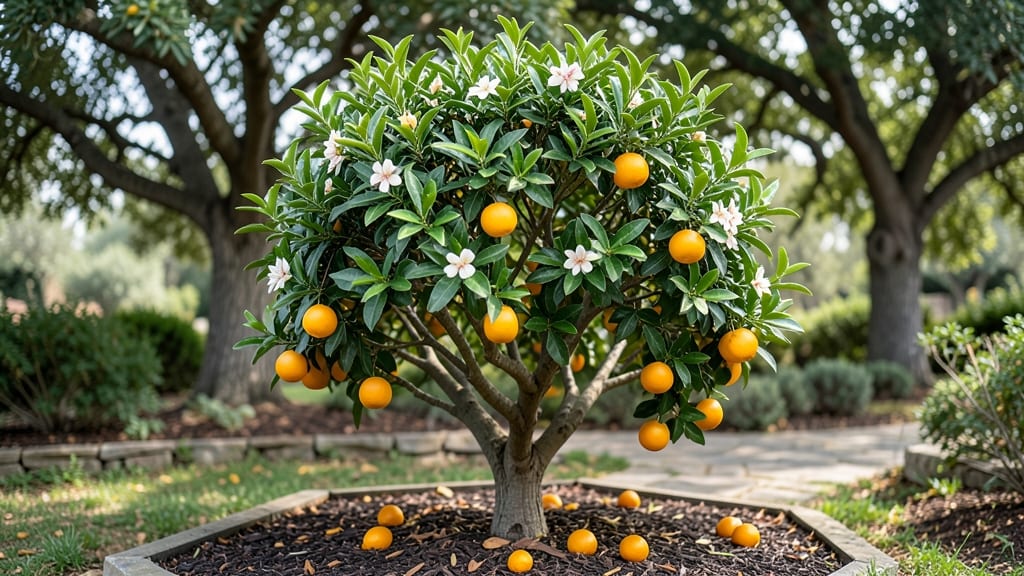
How tall does a tangerine tree grow? It typically reaches heights between 6 and 20 feet, depending on the variety and growing conditions, with some dwarf types staying as short as 6 feet—perfect for small yards or containers.
If you’ve ever dreamed of picking fresh 🍊 tangerines from your own tree but worry about space, the answer lies in choosing the right variety. Standard types can reach towering heights, while dwarf or semi-dwarf options keep things manageable—ideal for urban gardens or balconies.
The height of your tangerine tree also depends on where you live. In warmer climates like USDA Zone 9+, trees thrive and grow taller, while in cooler zones like 6a, they may stay smaller unless you use dwarf rootstock or provide winter protection.
Below, I’ll break down the exact heights of popular varieties, how pruning affects growth, and whether a tangerine tree can fit in your space—whether you’re planting in the ground or a pot.


Tangerine tree height by popular variety: from dwarf to giant sizes
Choosing the right tangerine tree variety is key when planning your citrus garden. Some varieties stay compact enough for container growing, while others grow tall enough to shade your patio. The mature height of a tangerine tree depends on its genetics, pruning habits, and growing conditions.
For example, a Clementine tree might stay under 10 feet, while a standard Dancy tangerine can reach 20 feet or more. Let’s explore the height ranges of the most popular varieties so you can pick the perfect fit for your space.
Before we dive into the specifics, remember that pruning techniques and container size can significantly impact a tangerine tree’s height. Regular pruning can keep even large varieties manageable, while dwarf rootstock can reduce the size of standard varieties by up to 50%.
Whether you’re dreaming of a backyard citrus grove or a balcony potted tree, knowing these details will help you plan accordingly.
Here’s a quick comparison of 10 popular tangerine varieties, ranked from smallest to tallest at maturity. This table includes average heights, growth rates, and space requirements to help you visualize how each variety will fit into your garden.
| Variety | Mature Height (ft) | Growth Rate (ft/year) | Space Needs | Pruning Impact |
|---|---|---|---|---|
| Clementine | 6-10 ft | 1-2 ft | Small patio or container | Minimal; natural shape |
| Dwarf Murcott | 8-12 ft | 1.5-2 ft | Medium container or small yard | Light pruning for shape |
| Satsuma (Owari) | 10-15 ft | 2-3 ft | Backyard or large container | Moderate; open canopy |
| Minneola (Honeybell) | 12-16 ft | 2.5-3 ft | Large yard or espalier | Regular pruning for fruit access |
| Dancy Tangerine | 15-20 ft | 3-4 ft | Full backyard or orchard | Heavy pruning for size control |
| Kara (Seedless) | 10-14 ft | 2-3 ft | Medium to large space | Light pruning for airflow |
| Ellendale | 14-18 ft | 2.5-3.5 ft | Backyard with space | Moderate; upright growth |
| Sunburst | 12-16 ft | 2-3 ft | Large container or yard | Light pruning for shape |
| Imperial Mandarin | 10-14 ft | 2-3 ft | Medium space or container | Minimal; compact growth |
| Orlando | 16-20 ft | 3-4 ft | Full backyard or orchard | Heavy pruning required |
The Clementine and Dwarf Murcott varieties are ideal for small spaces or container gardening. Their slow growth rates and compact sizes make them perfect for patios, balconies, or even sunny windowsills in large pots.
If you’re looking to grow a tangerine tree in a 5-gallon container, these varieties will thrive with
Climate zones and tangerine tree growth: how cold hardiness affects height
Tangerine trees thrive in warm climates but struggle in colder zones, where their height growth slows dramatically or stops entirely. In USDA zones 9-11, these trees can reach their full 15-20 ft potential, while colder zones (7-8) require dwarf rootstock or winter protection to survive at all.
Understanding your zone's impact on growth helps you choose the right variety and care strategy.
Cold hardiness directly limits a tangerine tree's mature size. Trees in zones 9-11 grow tallest because they experience minimal winter stress, while those in zones 7-8 often stay stunted unless grafted onto cold-resistant rootstock. Even then, winter pruning becomes essential to prevent dieback and maintain any height gains.
🌱 Cold hardiness directly impacts height potential:
In zones 7-8, only dwarfing rootstock like Flying Dragon or Swingle citrus allow tangerine trees to survive, keeping heights between 6-10 ft. These rootstocks restrict growth naturally, making them ideal for small spaces. Without them, trees risk severe winter damage or death, even if pruned aggressively.
Tropical varieties like Murcott or Dancy tangerines reach their maximum height in zones 10-11, where they grow unchecked. In these climates, expect 15-20 ft trees unless you prune regularly. Even then, their natural vigor makes height control challenging compared to dwarf varieties.
Winter pruning in colder zones isn't just about height control—it's survival. After the last frost, cut back dead or damaged branches to encourage new growth, but avoid heavy pruning that stresses the tree.
In zone 9, light pruning after frost helps maintain a 10-15 ft semi-dwarf structure, while zones 7-8 may need annual winter wraps to protect the trunk.
For gardeners in zones 7-8, consider container growing with dwarf varieties like Calamondin or Kumquat-tangerine hybrids. These stay under 6 ft even in colder climates, provided they're moved indoors during winter. With the right variety and care, you can enjoy tangerine fruit regardless of your zone's height limitations.