
Pruning
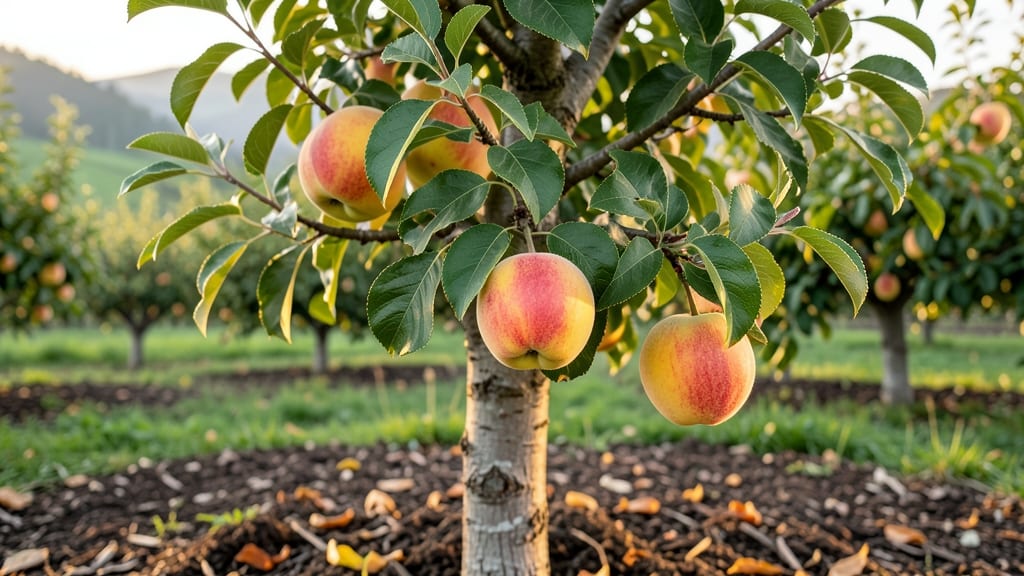
Bonfire peach tree fruit delivers a smoky-sweet flavor that turns every harvest into a backyard campfire feast—but only if you time it right.
Picture this: a July afternoon with peaches so ripe they blush orange and give just slightly when you squeeze them. That’s the perfect moment to pick, but miss it by even a day, and you’re left with mealy flesh or unripe tartness.
I’ve made both mistakes (and the neighbors have heard my sighs).
This guide cuts through the guesswork with clear signs of ripeness—no more waiting too long or harvesting too soon. You’ll learn how to spot the ideal peach, the best tools to use, and how to store them so they stay juicy for days.
Plus, I’ll share my secret trick for mimicking that campfire flavor at home, even if you’re not near a fire pit.
By the end, you’ll know exactly when to pluck those fire-kissed peaches, how to preserve their magic, and five ways to turn them into dishes that taste like summer’s best-kept secret.
When and how to harvest Bonfire peach tree fruit for maximum flavor
The Bonfire peach tree delivers fruits with a smoky-sweet flavor that’s perfect for grilling or roasting. But to unlock that campfire-inspired taste, you must harvest at the exact right moment.
Unlike store-bought peaches, these require patience—waiting until they’re fully ripe on the tree ensures the best flavor and texture. I’ve learned the hard way that picking too early means bland, mealy fruit, while waiting too long risks overripeness and pests.
Timing is everything with Bonfire peaches. These trees typically bear fruit between mid-July and early September, depending on your USDA hardiness zone. In Zone 6a (where I garden), harvest usually kicks off in late July, but warm springs can push it earlier.
Pay attention to your local frost dates—first frost in October signals the end of the season, so don’t delay if your peaches are ready.
| Harvest Stage | Key Indicators | Action Required |
|---|---|---|
| Early Season (July) | Fruit turns 50-70% colored, slight blush | Monitor daily for ripening |
| Peak Ripeness (Aug-Sept) | Fully colored, skin yields to gentle pressure, slight twist separates fruit | Harvest immediately (morning preferred) |
| Overripe | Skin softens too much, bruises easily, fermented scent | Use immediately or discard |
To test ripeness, I use the "three-point check": first, examine the color. Bonfire peaches develop a deep golden-yellow or red-orange hue—never harvest if green patches remain. Next, check the texture by gently pressing the peach near the stem.
It should yield slightly, like a ripe avocado, but not feel mushy. Finally, give it a gentle twist—if it separates cleanly from the tree, it’s ready.
Avoid the common mistake of harvesting based on size alone. Some Bonfire peaches stay small but pack intense flavor, while others grow larger but may lack sweetness. Always prioritize color and texture over size.
I once picked a peach because it was the biggest on the tree, only to find it tasted bland and watery—don’t make that mistake!
The best time of day to harvest is early morning, when temperatures are cool. This preserves the fruit’s natural sugars and prevents bruising. Use a pair of sharp pruning shears or a fruit picker to avoid damaging the tree.
Never pull peaches off the branch—this can tear the fruit or harm the tree’s structure. I keep a small bucket lined with paper towels nearby to gently place harvested peaches and prevent bruising.
If you miss the window and peaches ripen on the ground, don’t toss them! These can still be used for preserves or baking, though they may lack the firmness needed for grilling.
To ripen peaches indoors, place them in a paper bag with a banana or apple for 1-2 days—the ethylene gas speeds up the process. Avoid refrigerating until fully ripe, as cold temperatures can dull their flavor.
One pro tip I’ve learned is to harvest in batches. Bonfire peaches don’t all ripen at once, so check the tree every 2-3 days during peak season. This ensures you enjoy the best flavor without wasting overripe fruit.
Keep a harvest journal to track ripening patterns—note the year’s first frost date, bloom times, and any unusual weather, as these factors influence your next harvest.
After harvesting, store peaches at room temperature for up to 3 days to continue ripening. Once fully ripe, refrigerate for up to 5 days to maintain freshness. For long-term storage, consider canning or freezing, but these methods may alter the texture slightly.
The key to fire-roasted flavor is using peaches at their peak—so plan your grilling or roasting sessions around your harvest schedule.
Finally, be mindful of pests and diseases during harvest. Birds and squirrels love ripe peaches, so cover the tree with netting if needed. Look for signs of brown rot or peach leaf curl—discard any affected fruit immediately to prevent spreading.
With the right timing and care, your Bonfire peach tree will reward you with a bounty of smoky-sweet perfection every season. 🍑
Post-harvest care: storing and preparing Bonfire peaches for fire-roasted perfection
Your Bonfire peaches are now ripe and ready to transform your backyard into a flavor paradise—but proper post-harvest care is key to preserving their smoky-sweet essence. Unlike store-bought peaches, these tree-ripened gems have delicate skin and concentrated sugars that demand gentle handling.
Whether you're prepping for a campfire feast or preserving their peak flavor, understanding storage and preparation techniques will make all the difference.
First, never wash your peaches until right before use. The natural wax coating on their skin protects them from drying out and spoilage. Instead, handle them with dry hands or use a soft cloth to wipe away dirt.
This simple step ensures your fire-roasted peaches retain their juicy perfection for days longer than if stored improperly.
Room Temperature Storage vs. Refrigeration
Room Temperature Storage
Pros:
- Preserves peak flavor and texture
- Keeps peaches firm for grilling
- Ideal for 1-3 days max
Cons:
- Risk of over-ripening in warm climates
- Limited shelf life compared to refrigeration
Refrigeration (34-38°F)
Pros:
- Extends freshness up to 1 week
- Slows moisture loss for later use
- Better for batch cooking
Cons:
- Can make peaches softer too quickly
- Alters flavor profile slightly
- Requires gentle handling to avoid bruising
For fire-roasted perfection, let your peaches ripen fully at room temperature if they weren't picked at peak ripeness. Place them in a single-layer container with a paper towel to absorb excess moisture.
This method accelerates ripening while preventing mold. Check daily—once they yield slightly to gentle pressure, they're ready for the grill. Never refrigerate unripe peaches, as cold temperatures halt ripening entirely.
When it's time to prepare for the fire, pit your peaches using a sharp knife or specialized peach pitter. Cut a small "X" at the blossom end, then twist gently to remove the pit.
For authentic campfire flavor, brush the cut sides with olive oil and sprinkle with coarse salt and smoked paprika. Grill over medium-high heat for 2-3 minutes per side until caramelized and blistered. Serve warm with vanilla ice cream or crumbled goat cheese for a true backyard feast.
For a smoked twist, use a small smoker or even a smoked wood chip on your grill. Apple or hickory wood enhances their natural sweetness without overpowering. Smoke at 225°F for 10-15 minutes until tender.
This method infuses a deep, woodsy aroma that pairs beautifully with grilled chicken or bacon-wrapped peaches. Store leftovers in an airtight container in the fridge for up to 3 days.
Pro tip: Freeze excess peaches by slicing them, tossing with lemon juice (to prevent browning), and storing in a single layer on a tray before transferring to a bag.
This preserves their texture perfectly for smoothies or summer desserts later in the season. Just thaw overnight in the fridge before using.