
Pruning
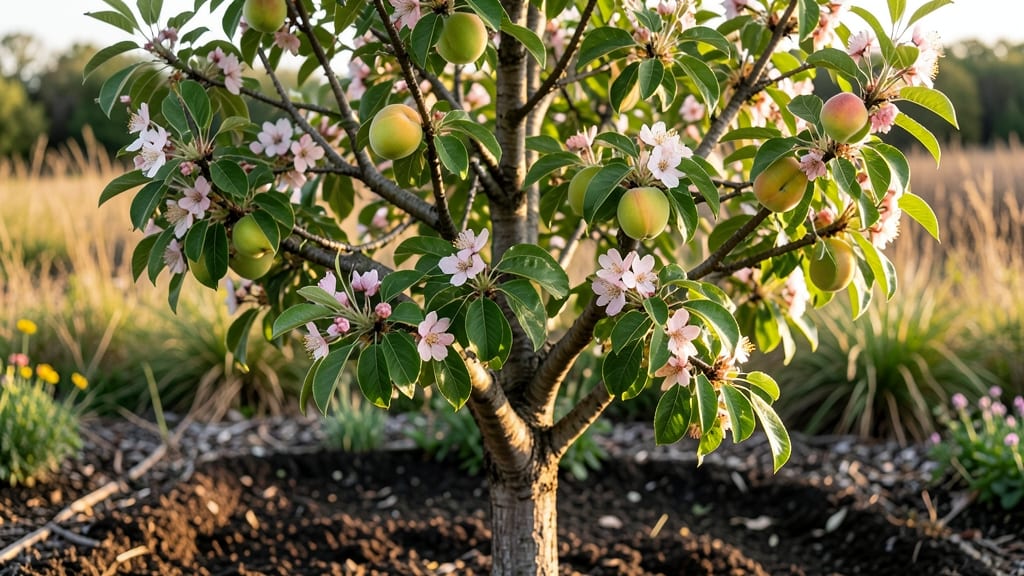
Peach tree season determines how many sweet, juicy fruits you’ll harvest next summer—and one wrong move can ruin it all.
Did you know pruning your peach tree at the wrong time can slash your harvest by 40%? Timing is everything when it comes to maximizing fruit, and this season’s the perfect window to get it right.
Whether you’re in USDA Zone 6a or a warmer climate, knowing when to prune makes the difference between a few peaches and a bountiful crop.
From late winter’s dormant season to summer’s fruit-setting phase, each stage of your 🍑 tree’s lifecycle needs a different approach. Skip the guesswork and learn the exact moments to prune—because a little effort now means big rewards come harvest time.
In this guide, I’ll walk you through the seasonal pruning calendar, common mistakes to avoid, and how to adjust for your local climate. Ready to turn your peach tree into a fruit-producing powerhouse?
Peach tree pruning calendar by season: exact timing for maximum fruit
Pruning your peach tree at the right time isn’t just about shaping its branches—it’s about boosting fruit production by up to 40%. The difference between a sparse harvest and a bountiful peach crop often comes down to seasonal timing.
Each pruning window serves a unique purpose, from dormant season cleanup to summer growth control. Let’s break down the exact timing for each season and why it matters so much for your tree’s health and yield.
Peach trees are deciduous fruit trees with a distinct seasonal cycle. Their growth and fruit production are deeply tied to temperature shifts, bud dormancy, and active flowering.
Pruning at the wrong time can stimulate unwanted growth, delay fruit set, or even invite pests and diseases. For example, cutting too late in spring can remove flower buds before they open, while summer pruning should focus on light shaping rather than heavy cuts.
Understanding these phases is key to maximizing your harvest.
Here’s the seasonal pruning breakdown you need to follow, tailored to USDA Zone 6 (adjust based on your local frost dates). Each season offers a specific opportunity to improve your tree’s structure, airflow, and fruit-bearing capacity.
| Season | Pruning Window | Primary Goal | Key Actions | Avoid |
|---|---|---|---|---|
| Late Winter | Mid-February to Early March | Structural Pruning | Remove dead/diseased wood, crossing branches, and water sprouts. Open canopy for sunlight and airflow. | Cutting flower buds or over-pruning (never remove >25% of canopy). |
| Early Spring | Late March to Early April | Light Pruning | Trim excessive growth from last season, shape the tree, and remove suckers. Wait until after bloom to avoid cutting flower clusters. | Heavy pruning before bloom (can reduce fruit set by 30%). |
| Summer | June to Early July | Growth Control | Remove suckers, shade branches, and lightly thin crowded areas. Focus on air circulation to prevent brown rot. | Heavy pruning during fruit development (can stress the tree). |
| Fall | October to November | Minimal Pruning | Remove broken or diseased branches only. Avoid heavy cuts to prevent late-season growth (vulnerable to frost). | Pruning after first frost (can stimulate weak growth). |
Late winter is the best time to prune peach trees because the tree is dormant, making it easier to see the branch structure without leaves blocking your view.
During this 3-4 week window (mid-February to early March in Zone 6), focus on removing dead wood, thinning crowded branches, and opening the canopy for better sunlight penetration. This structural pruning sets the stage for healthy spring growth and optimal fruit production.
Pro tip: Use sharp pruning shears and sterilize tools with rubbing alcohol to prevent bacterial spread.
Early spring pruning (late March to early April) should be minimal and strategic. This is when flower buds form, and cutting too aggressively can reduce your harvest. Instead, focus on light shaping, removing water sprouts, and thinning out crossing branches.
Wait until after bloom to avoid accidentally pruning off potential fruit clusters. If you must prune during bloom, limit cuts to non-fruiting branches only. This season is also ideal for training young trees to develop a strong central leader.
Summer pruning might seem counterintuitive, but it’s crucial for maintaining tree health and fruit quality. During June and early July, focus on
3 Critical mistakes that ruin your peach tree harvest (and how to avoid them)
Pruning your peach tree might seem straightforward, but timing and technique make all the difference. One wrong move can reduce your harvest by 40% or more, leaving you with fewer sweet peaches and more frustration.
The peach tree season demands precision—especially when it comes to avoiding these three common mistakes.
First, many gardeners wait too long to prune. Cutting during the wrong season—like summer or fall—stresses the tree and invites pests. Second, removing the wrong branches (like fruit-bearing wood) can eliminate next year’s harvest.
Finally, using dull or dirty tools spreads disease and weakens growth. Let’s fix these errors step by step.
⚠️ Peach Tree Pruning Warning
Pruning at the wrong time (like late summer) can trigger late-season growth, leaving branches vulnerable to frost damage and disease. The best window? Late winter (before buds swell) or early spring (after last frost).
✅ Do: Prune when the tree is dormant (Jan–Feb in most zones).
❌ Don’t: Prune after June—it stunts fruit production.
Mistake #1: Pruning too late in the season. If you wait until summer or fall, your peach tree will grow tender new shoots that can’t survive winter. These late cuts also delay fruit development, shrinking next year’s harvest.
The fix? Mark your calendar for late winter (before buds break) or early spring (after last frost).
Mistake #2: Removing the wrong branches. Many gardeners trim fruit-bearing wood by accident, thinking it’s dead or overgrown. These branches hold next year’s peaches! Instead, focus on thinning crowded branches and dead wood. Use the 3-cut method to avoid tearing bark: cut 6–12 inches from the branch collar.
Mistake #3: Using dirty or dull tools. Rusty pruners spread bacterial canker and fungal diseases, which can kill your tree. Always sterilize blades with 70% rubbing alcohol or a 10% bleach solution. Sharp tools make cleaner cuts that heal faster—never use hedge clippers on peach trees.
To avoid these mistakes, start by inspecting your tree in late winter. Remove dead wood and crossing branches first, then thin the canopy to improve airflow. Never remove more than 25% of the foliage in one season—this stresses the tree.
With the right timing and tools, your peach tree season will yield bigger, sweeter harvests for years.