
Container Gardens
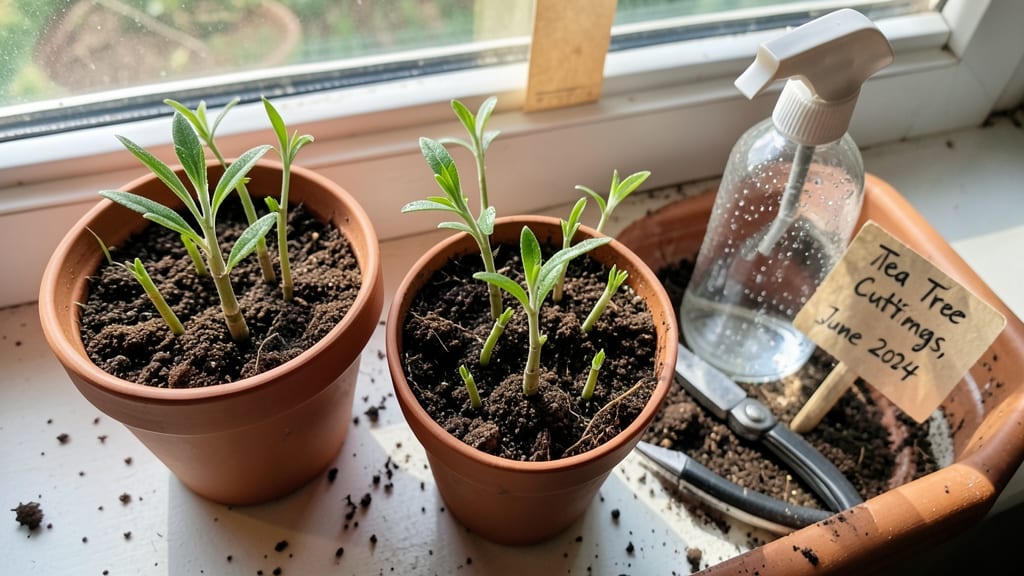
Tea tree plants thrive in containers but require specific care for lush growth and continuous harvests. These proven techniques ensure healthy year-round production, whether you're a balcony gardener or urban farmer.
Well-Draining Soil Mix for Tea Tree Pots
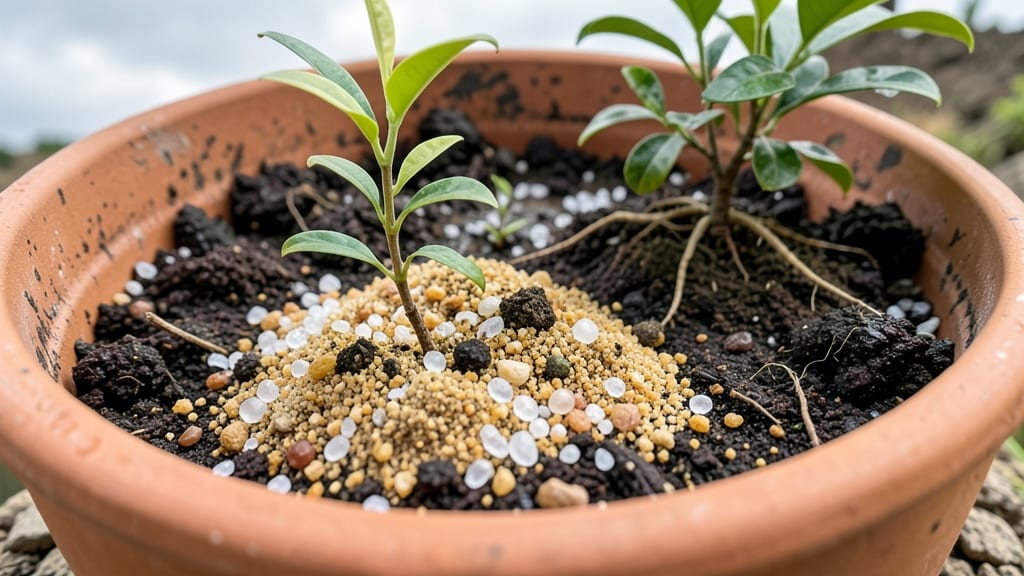
Tea trees hate soggy roots, and the wrong soil mix can turn your pot into a swamp. A well-draining blend of sand, peat, and perlite is your secret weapon against root rot—especially for beginners who want foolproof results.
Start with 50% potting soil (the base), then mix in 25% coarse sand (for grit) and 25% perlite (to prevent compaction). This trio ensures excess water drains quickly while retaining enough moisture for healthy roots. For extra insurance, add a handful of orchid bark to improve aeration—tea trees thrive when their roots can breathe.
This mix is perfect for urban gardeners with limited space or anyone worried about overwatering. Once you’ve got the foundation right, your tea tree will focus on growing lush, oil-rich foliage instead of struggling for air. 🌱
Sunlight Optimization for Indoor Tea Trees
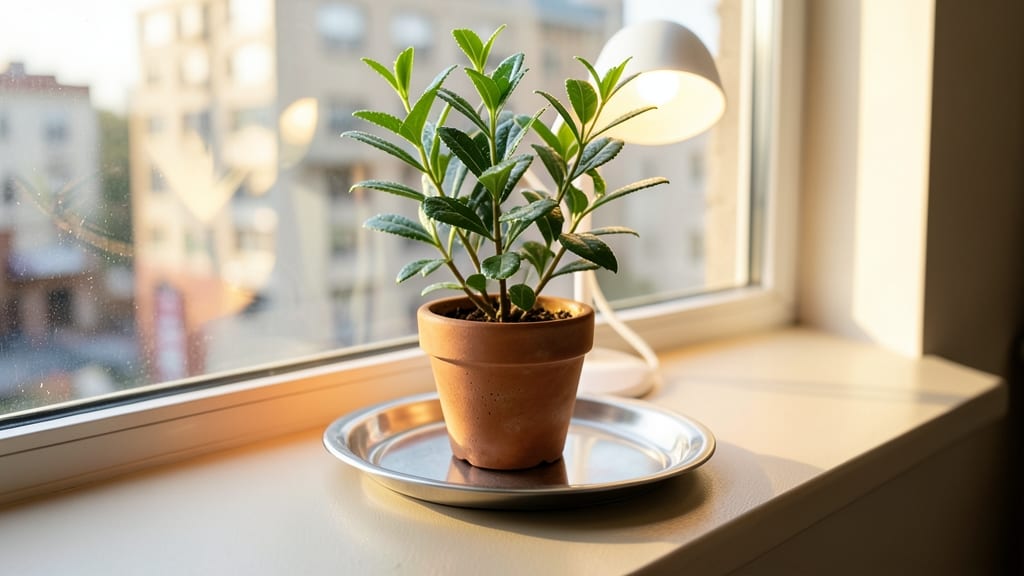
City dwellers with only a sunny windowsill can still grow thriving tea trees—no backyard required. By strategically using reflective surfaces and grow lights, you can mimic the 6+ hours of sunlight these plants crave, even in dim apartments.
Place your pot near a south-facing window and add a mirror behind it to bounce extra light onto the leaves. For low-light spaces, supplement with a full-spectrum LED grow light** (12–14 hours/day) positioned 6–12 inches above the plant. Rotate the pot weekly to prevent lopsided growth, and monitor leaf color: pale yellow means more light is needed, while crispy edges signal too much heat from the bulb.
This method is ideal for urban gardeners who want year-round tea tree oil production without sacrificing precious balcony space. With the right setup, your plant will grow just as vigorously as its outdoor counterparts. 💡
Pruning Techniques for Bushier Tea Tree Growth
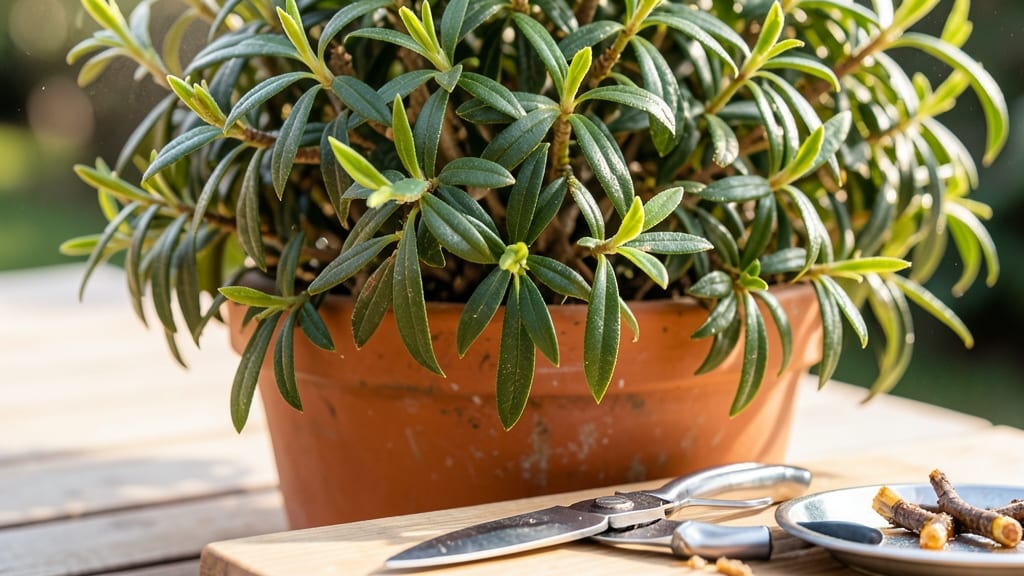
Want a tea tree with thick, aromatic foliage that produces more oil-rich leaves? Strategic pruning is your secret weapon—it stimulates bushier growth while keeping your plant compact and manageable, even in small spaces.
Start by pruning in early spring before new growth appears. Use sharp, sterilized shears to trim back one-third of the oldest branches to encourage fresh, oil-rich shoots. For shape, cut just above a leaf node at a 45-degree angle to prevent water pooling. Repeat lightly every 4-6 weeks during the growing season to maintain density without stressing the plant.
This method works especially well for container growers—it prevents leggy, sparse plants while maximizing your harvest potential. Just avoid heavy pruning in fall or winter, as the plant needs energy to recover before dormancy. 🌿
Container Size Recommendations for Tea Trees
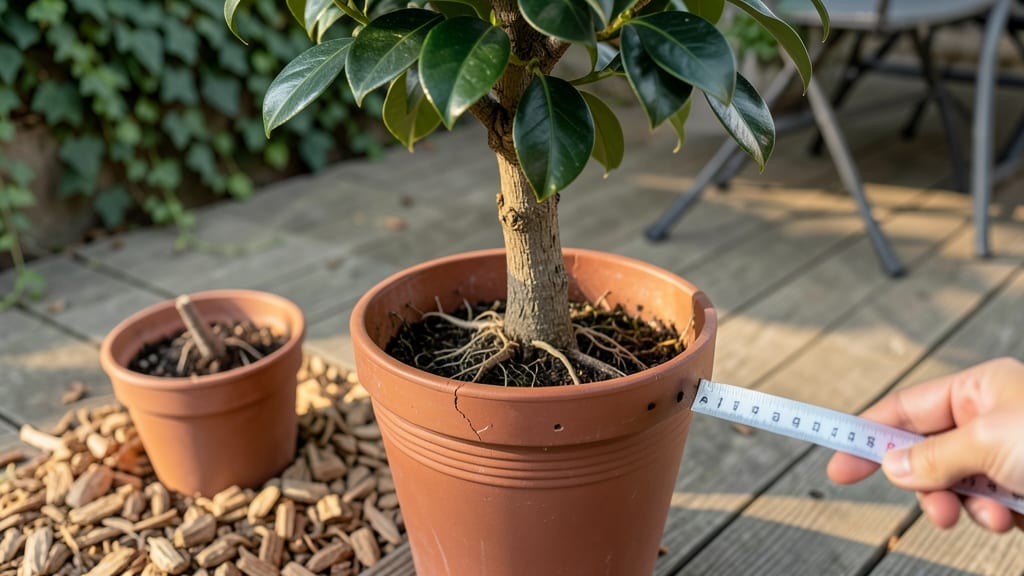
Tea trees love their space—but not too much. The right container size keeps roots happy without making your plant a permanent fixture on your patio. Start with a 5-gallon pot for young plants, then upgrade every 2-3 years as your tree grows.
For mature tea trees (3+ years old), aim for at least 15-20 gallons to support robust root systems while maintaining portability. Look for pots with drainage holes and 1-2 inches of extra space between roots and pot edges to prevent circling roots. Terracotta pots help regulate moisture, while fabric grow bags offer flexibility as roots expand.
Balancing root space and portability is key—especially for urban gardeners. Upgrading pots at the right time ensures your tea tree stays healthy and productive for years to come. 🌿
Year-Round Watering Schedule for Potted Tea Trees
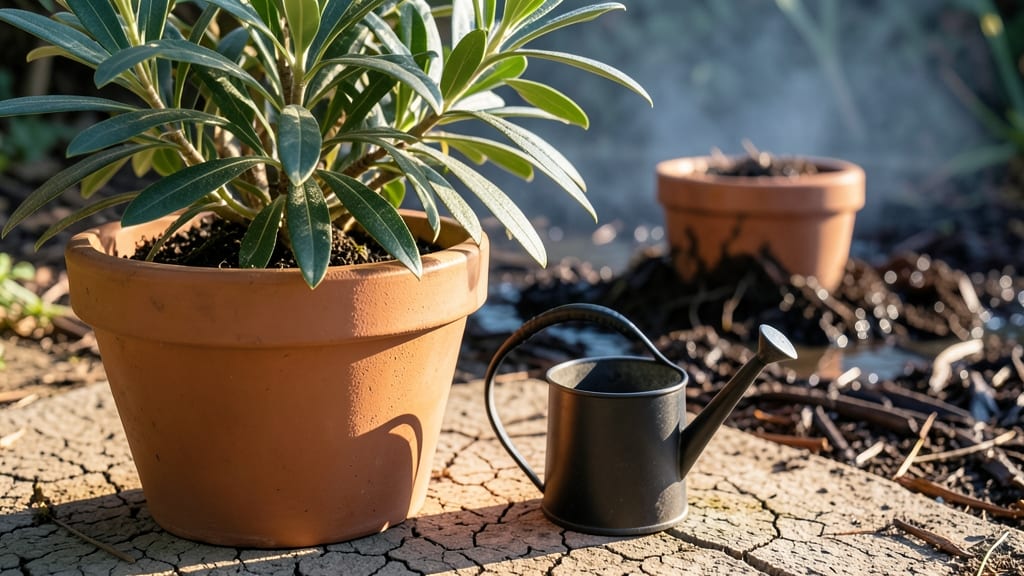
Tea trees in pots demand a watering routine that adapts to the seasons—too much or too little can stunt growth or even kill your plant. Unlike in-ground plants, container-grown tea trees dry out faster, especially in summer heat, but their roots also suffocate in soggy soil during winter.
Start by watering thoroughly when the top 1-2 inches of soil feel dry to the touch. In spring and summer, this may mean watering every 3-5 days, while in fall and winter, reduce to every 7-10 days. Check for moisture by lifting the pot—if it feels light, it’s time to water. Yellowing leaves or wilting signal overwatering, while crispy edges mean underwatering.
This seasonal approach keeps your tea tree thriving and oil production consistent, making it ideal for growers who want reliable harvests year-round. 💚
Fertilizing Tea Trees in Containers
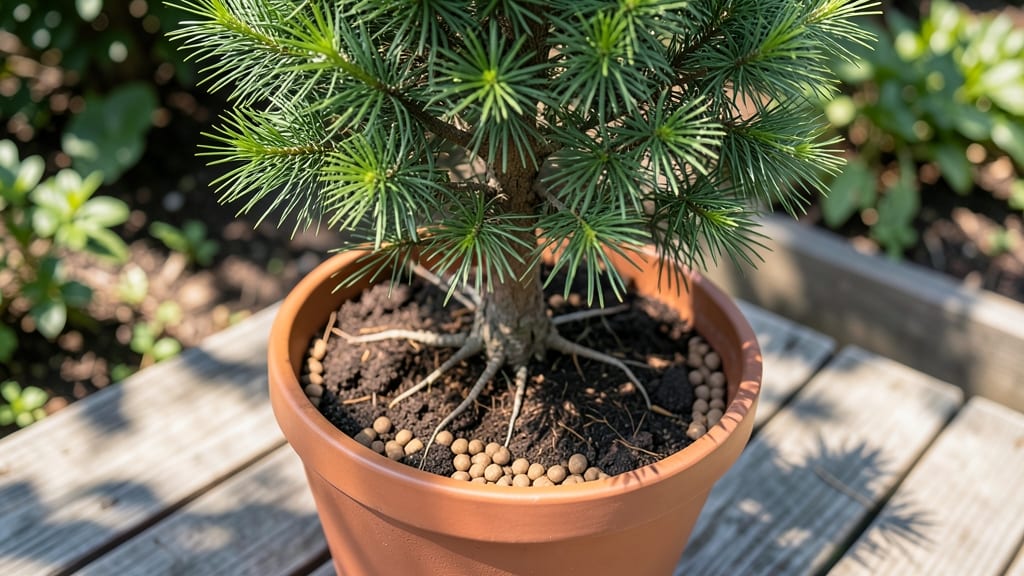
Want to boost your tea tree's essential oil production without the hassle of frequent feedings? A slow-release organic fertilizer plan keeps your potted plant thriving while preventing root burn—a common issue with synthetic fertilizers. The key is timing and balance.
Start with a balanced organic fertilizer (like fish emulsion or worm castings) in spring, then switch to a low-nitrogen, high-phosphorus blend (such as bone meal) every 3-4 months to encourage oil-rich foliage. For busy growers, granular slow-release pellets mixed into the soil at planting time provide nutrients for up to 6 months. Always water before applying fertilizer to avoid salt buildup.
This approach ensures steady growth and higher oil content, perfect for urban gardeners or anyone aiming to maximize their harvest. Your plants will reward you with lush, aromatic leaves year-round. 🌿
Pest Control for Container-Grown Tea Trees
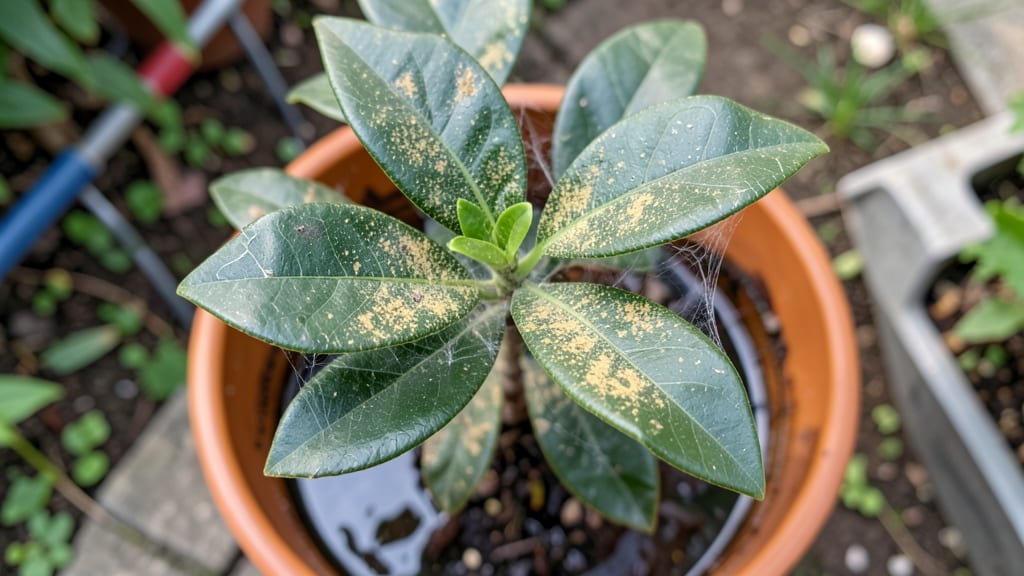
If you notice tiny webs or speckled leaves on your container-grown tea tree, you’re likely dealing with spider mites—a common but manageable pest for organic gardeners. These pests thrive in dry conditions, making early detection key to preventing infestations before they spread.
Start by inspecting leaves weekly with a magnifying glass, focusing on the undersides where mites hide. For natural control, spray leaves with a neem oil solution (1 tsp neem oil + 1 quart water + a drop of dish soap) every 5–7 days until pests disappear. Alternatively, introduce predatory mites or release lacewings, which feast on spider mites without harming your plant.
This method is ideal for organic gardeners who want to avoid harsh chemicals while keeping their tea trees thriving. 💚
Harvesting Tea Tree Leaves for Essential Oil
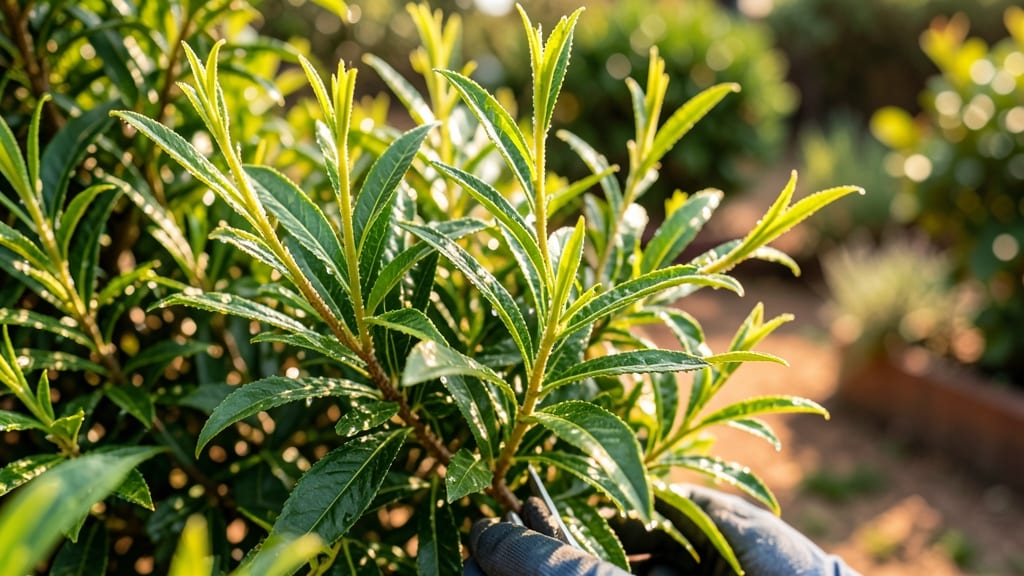
Ready to turn your tea tree leaves into high-quality essential oil? Timing and technique make all the difference—harvesting at the right moment ensures maximum oil content without stressing your plant.
Start harvesting in late spring or early summer when leaves are fully mature but still vibrant. Use clean, sharp scissors or pruners to snip just above a leaf node, avoiding over-pruning any single branch. For home distillers, aim for 10-15% of the plant’s foliage per harvest—this keeps growth vigorous while yielding enough leaves for processing. Always harvest on a dry morning to preserve oil potency.
This method is perfect for home distillers who want a steady supply of fresh leaves without sacrificing plant health. With the right approach, you’ll enjoy a thriving tea tree that keeps producing year after year. ✨
Winter Care for Container Tea Trees
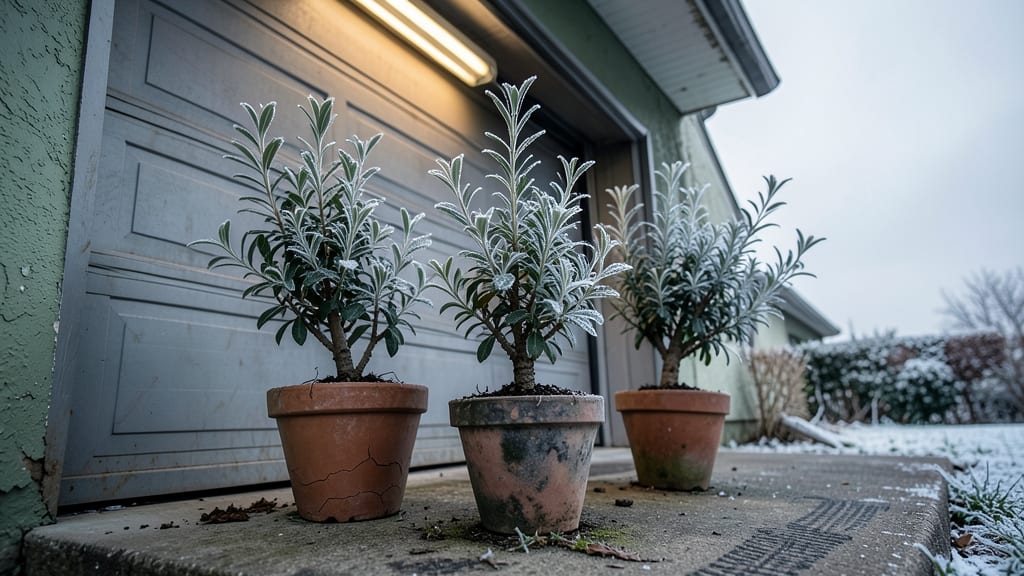
Cold snaps can devastate your container tea trees if you're not prepared—frost damage stunts growth and reduces oil production. The key is acting before temperatures dip below 20°F (-6°C), when even healthy plants risk irreversible harm.
Start by moving pots to a sheltered spot like a garage or under an eave, then wrap them in burlap or frost cloth to trap heat. For extra insulation, place pots on a layer of straw or bubble wrap to shield roots from freezing. Water lightly before winter to prevent soil from drying out completely, but avoid soggy conditions that worsen frost damage.
Gardeners in Zone 5 and colder will find these methods especially valuable—they’re the difference between a dead plant and one that thrives year after year. With the right prep, your tea tree will bounce back stronger in spring. ✨
Tea Tree Propagation from Cuttings in Pots

Want to grow your tea tree collection without spending a fortune? Propagating from cuttings in pots is the perfect solution for gardeners who love tea trees but want more plants for less. This beginner-friendly method lets you create identical plants from just a few snips, perfect for expanding your garden or sharing with friends.
Start by taking 4-6 inch cuttings from healthy stems in spring or early summer. Remove lower leaves and dip the cut end in rooting hormone to boost success. Place the cuttings in small pots filled with a mix of perlite and peat moss, keeping them lightly moist but never soggy. Within 4-6 weeks, roots will form, and you can transplant them into individual pots.
This method is ideal for urban gardeners with limited space or those who want to experiment with different varieties. Plus, it’s a great way to ensure your new plants are already adapted to your growing conditions. 🌱