
Diseases
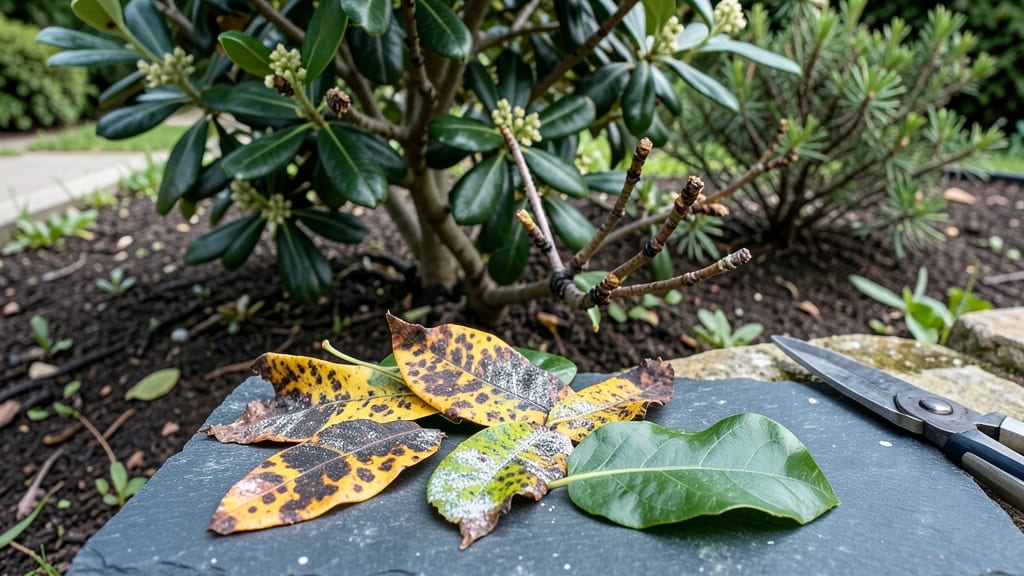
Bay leaf trees fight back against diseases like Phytophthora and bacterial blights with the right care. 🌿 I’ve seen these stubborn trees recover from brown spots and wilting when I acted fast—here’s how to spot the warning signs before they take over.
The key is early action: prune infected branches immediately, improve drainage, and avoid overhead watering. Most gardeners overlook soil health, but amending with compost and mulching can stop fungal spores from spreading like wildfire. By the time you see yellowing leaves or blackened stems, the battle’s already lost.
But catch it early, and you’ll save your tree with simple organic sprays and better watering habits that keep roots happy. Works for both potted bay trees and those planted in the ground—no matter how severe the infection looks at first.
Root Causes Of Bay Tree Ailments
Bay leaf trees—whether grown as ornamental Laurus nobilis or for culinary harvests—can fall victim to diseases due to a mix of environmental stress, microbial invaders, and cultural mismanagement. Understanding why these issues arise is the first step to prevention and treatment.
Below, we break down the key culprits behind bay tree diseases, from fungal spores lurking in damp soil to bacterial infections triggered by poor pruning habits.
Fungal diseases like Phytophthora root rot or anthracnose thrive in conditions where excess moisture lingers. Here’s why:
- Overwatering or poor drainage: Bay trees prefer well-draining soil, but soggy roots create the perfect breeding ground for Phytophthora and other water-loving fungi. 💡 Pro Tip: Ensure pots or garden beds have drainage holes and avoid letting soil stay waterlogged for more than 24 hours.
- High humidity: Fungal spores spread easily in humid climates or greenhouses. Botrytis blight, for example, thrives when air circulation is poor and leaves remain damp overnight.
- Organic debris buildup: Fallen leaves, mulch, or pruning clippings near the base of the tree can trap moisture, accelerating fungal growth. 🔥 Warning: Clear away debris regularly and avoid piling mulch directly against the trunk.
Bacterial diseases such as Xanthomonas leaf spot or Pseudomonas infections enter through openings in the plant’s protective layers. The triggers include:
- Poor pruning practices: Using contaminated tools or making jagged cuts can introduce bacteria into the tree. ✨ Key Fix: Sterilize pruners with rubbing alcohol between cuts and avoid pruning during wet weather.
- Physical damage: Hail, strong winds, or even bird pecking can create entry points for pathogens. Weakened bark is especially vulnerable.
- Splashed water: Overhead irrigation or rain can splash bacteria from soil or infected leaves onto healthy foliage. 🌡️ Prevention: Water at the base of the tree and avoid wetting leaves whenever possible.
A bay tree struggling with nutrient imbalances becomes an easy target for diseases. Common deficiencies that lower resistance include:
| Deficiency | Symptoms | Why It Matters |
|---|---|---|
| Nitrogen (N) | Yellowing leaves (chlorosis), stunted growth | Weakens overall vigor, making the tree more susceptible to fungal/bacterial attacks. |
| Potassium (K) | Brown leaf edges, poor disease resistance | Potassium strengthens cell walls—critical for fending off pathogens. |
| Calcium (Ca) | Blossom-end rot (in fruit-bearing varieties), weak stems | Calcium stabilizes cell membranes, preventing bacterial entry. |
💡 Pro Tip: Conduct a soil test every 2–3 years and amend with compost or balanced fertilizer (e.g., 10-10-10) to maintain optimal nutrition.
Bay trees are adaptable but can succumb to diseases when pushed beyond their limits. Stress factors include:
- Temperature extremes: Sudden cold snaps or heatwaves shock the tree, reducing its ability to fight off infections. 🌡️ Ideal Range: 60–80°F (15–27°C); protect young trees with frost cloth in winter.
- Poor air circulation: Crowded plantings or dense foliage trap humidity, promoting fungal spores. 🔥 Solution: Prune to open the canopy and space trees at least 6–8 feet apart.
- Pest infestations: Sap-sucking insects (e.g., spider mites, aphids) weaken the tree, making it more vulnerable to secondary infections. 🛡️ Action Step: Monitor for pests and treat early with neem oil or insecticidal soap.
Fixing Bay Leaf Tree Ailments
Now that you’ve identified the issue plaguing your bay leaf tree, it’s time to take action! Whether it’s fungal infections like anthracnose or leaf spot, bacterial woes such as canker, or pest-related stress, each problem requires a targeted approach.
Below, we’ll break down practical, step-by-step solutions tailored to the most common bay leaf tree diseases—plus prevention tips to keep your tree thriving long-term.
Fungi love damp conditions, so pruning and airflow are your first line of defense.
🔥 Step 1: Remove Infected Foliage
- 👨🍳 Snip off yellowing, spotted, or wilting leaves immediately using sterilized pruners (wipe with rubbing alcohol between cuts).
- 🔪 Dispose of infected leaves in the trash (not compost)—fungi can survive in soil.
🍳 Step 2: Apply Fungicide
- 🌡️ Use a copper-based or neem oil fungicide (follow label instructions). These are organic, effective, and safe for edible bay leaves.
- 🎯 Reapply every 7–10 days during wet seasons to prevent recurrence.
✨ Prevention Tips
- 💡 Space trees 3–5 feet apart for better airflow.
- 🌧️ Water at the base (avoid overhead sprinkling) and water early in the day so leaves dry quickly.
- 🌿 Mulch lightly (1–2 inches) to retain moisture without suffocating roots.
Bacterial canker spreads via wounds, so cleanliness and quick action are key.
🔥 Step 1: Prune Infected Branches
- 🔪 Cut out cankered branches 6 inches below the affected area using sterilized tools.
- 🔪 Burn or trash (do not compost) infected wood to prevent spread.
🍳 Step 2: Seal Wounds
- 🎯 Apply a 50/50 mix of water and white vinegar (or a copper fungicide) to pruning cuts to slow bacterial spread.
- 🌡️ Avoid over-fertilizing—excess nitrogen weakens defenses.
✨ Prevention Tips
- 💡 Sterilize pruners before and after use (bleach solution or alcohol wipe).
- 🌧️ Water in the morning to reduce humidity around leaves.
- 🌿 Choose disease-resistant varieties (e.g., Texas bay or Italian bay) if replanting.
Pests weaken trees, making them vulnerable to secondary infections. Act fast!
🔥 Step 1: Blast Off Pests
- 💦 Spray with neem oil or insecticidal soap (follow label rates). Repeat every 5–7 days for severe infestations.
- 🌡️ For scale insects, scrape off clusters with a soft brush dipped in soapy water.
🍳 Step 2: Introduce Beneficial Insects
- 🐞 Release ladybugs or lacewings (available at garden centers) to naturally control aphids and mites.
✨ Prevention Tips
- 💡 Inspect new plants before bringing them home—quarantine for 2 weeks if pests are suspected.
- 🌿 Encourage natural predators by planting marigolds or dill nearby.
- 🌧️ Reduce drought stress—pests thrive on weak, thirsty trees.
Even after treating the disease, boost your bay leaf tree’s health with these long-term fixes:
| Issue | Solution |
|---|---|
| Poor Soil Drainage | Amend soil with perlite or sand; consider raising beds if needed. |
| Overcrowding | Thin out nearby plants to improve airflow. |
| Nutrient Deficiency | Fertilize lightly with balanced organic fertilizer (10-10-10) in spring. |
| Sunlight Issues | Ensure 6+ hours of sunlight daily; move potted trees if needed. |
- 🔍 Check leaves weekly for new symptoms—early action prevents outbreaks.
- 📅 Keep a garden journal to track treatments and what works best for your climate.
With these targeted fixes, your bay leaf tree can bounce back stronger—and you’ll be well-prepared to prevent future problems**. 🌿✨
Frequently asked questions
What are the first signs of fungal diseases like Phytophthora in bay leaf trees?
Look for yellowing leaves that eventually turn brown and crispy, especially at the edges. You may also notice blackened stems or mushy roots if you gently lift the tree from its pot. Fungal infections often start in the lower canopy where moisture lingers.
How do I tell if my bay leaf tree has a bacterial infection instead of a fungal one?
Bacterial issues like Xanthomonas leaf spot show up as water-soaked, greasy-looking spots that ooze when pressed. Unlike fungi, bacterial spots often have yellow halos around them. Check for cankers (sunken, dead areas on branches) too—these are classic bacterial signs.
Can I save my bay leaf tree if the disease has already spread to the trunk?
It depends on how deep the infection has penetrated. If you see cracked or oozing bark, the damage may be irreversible. For early trunk infections, try pruning out infected branches 6 inches below the damage and applying a copper fungicide. If the trunk is fully compromised, consider propagating from healthy cuttings.
Is it safe to use store-bought fungicides on edible bay leaf trees?
Only use organic, food-safe fungicides like copper-based sprays or neem oil on trees you plan to harvest. Avoid synthetic chemicals like chlorothalonil—they can leave residues on leaves. Always follow label instructions and harvest leaves after 14 days of treatment.
How often should I inspect my bay leaf tree for early disease signs?
Check your tree weekly during growing seasons (spring-fall) and biweekly in winter. Focus on the undersides of leaves, new growth, and areas where branches meet the trunk. Early detection gives you the best chance to treat problems before they spread.