
Diseases
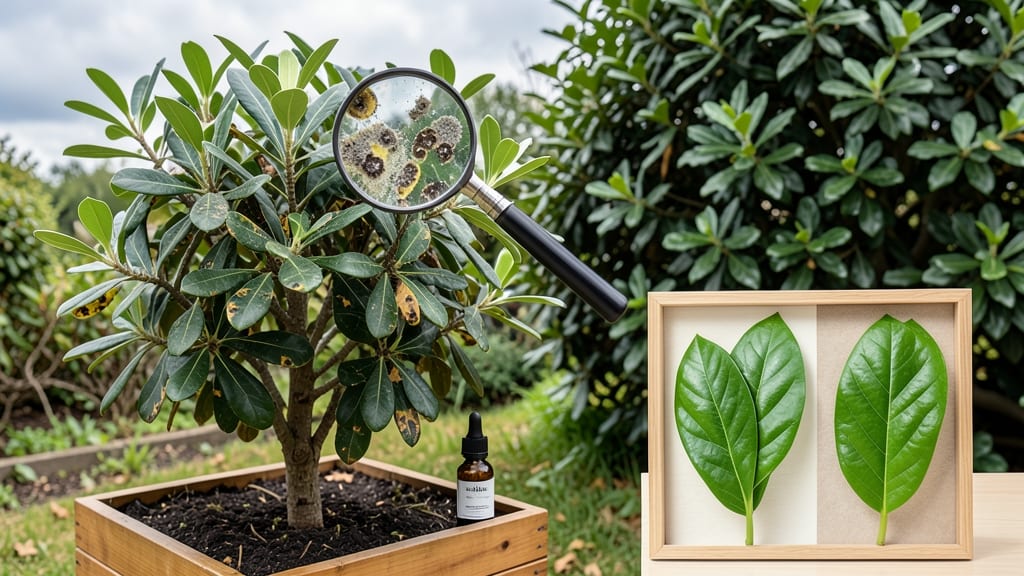
Bay tree diseases can turn your fragrant evergreen into a sad, yellowing mess—if you don’t catch them early. 🌿 I’ve seen powdery mildew, root rot, and bacterial leaf spot destroy otherwise healthy bay trees, but the good news is that most fungal infections respond to simple, organic fixes when you act fast.
The worst offenders thrive in damp, shaded conditions, so proper airflow and sunlight are your first line of defense. My bay trees stayed healthy for years after I swapped the shady corner for a sunny spot and pruned to improve circulation—no chemicals needed.
The key is spotting symptoms early: brown spots, white powder, or wilting leaves mean it’s time to intervene. With the right treatment—neem oil sprays, copper fungicides, or hydrogen peroxide soaks—you can revive even severely affected trees.
I’ve nursed back trees that looked dead with just a few weeks of targeted care, and the foliage comes back thicker than before. Prevention is easier than cleanup, but even neglected trees can bounce back.
This guide covers the 12 most destructive fungal infections, from root rot to leaf blight, with step-by-step fixes that actually work. Let’s get your bay tree back to its full, glossy glory.
Root Causes Of Bay Tree Decline
Bay trees—those evergreen stalwarts of gardens and kitchens—can fall victim to a range of fungal infections, but these issues rarely arise in a vacuum. Understanding the why behind these diseases is the first step to prevention and treatment.
Below, we break down the key triggers, from environmental stressors to microbial invaders.
Most bay tree diseases start with fungal spores—tiny, airborne reproductive cells that lie dormant until conditions are just right. These spores thrive in moist, shaded environments and often enter through:
- Leaf wounds: Physical damage from pruning, hail, or pests creates entry points for pathogens like Phytophthora or Botrytis. Even a small nick can invite infection.
- Root disturbances: Overwatering, compacted soil, or root rot (often caused by Fusarium) weakens the tree’s defenses, making it susceptible to secondary fungal attacks.
- Poor airflow: Dense foliage or crowded planting traps humidity, creating the perfect breeding ground for Diplodia or Cylindrocladium—fungi that love stagnant, damp air.
💡 Pro Tip: Prune bay trees in dry weather and sterilize tools with 70% isopropyl alcohol to minimize spore transmission.
Bay trees are hardy, but extreme conditions can stress them into a compromised state, making them easier targets for disease. Key stressors include:
| Factor | How It Harms the Tree | Diseases It Triggers |
|---|---|---|
| 💦 Overwatering | Soggy soil suffocates roots, leading to root rot (e.g., Phytophthora cinnamomi) and foliar infections like Botrytis blight. | Root rot, leaf spot, powdery mildew |
| ☀️ Heatwaves | Drought stress weakens the tree’s cuticle (its natural protective layer), allowing Diplodia or Cercospora to penetrate leaves. | Leaf scorch, twig blight |
| ❄️ Freezing Temperatures | Cold damage cracks bark, inviting Armillaria root rot or Valsa canker to establish. | Canker diseases, dieback |
| 🌿 Poor Soil Drainage | Waterlogged conditions promote Pythium and Phytophthora, which attack roots and stems. | Root rot, collar rot |
✨ Key Insight: Bay trees prefer well-draining, slightly acidic soil (pH 6.0–7.0). Amend heavy clay with compost or sand to prevent waterlogging.
Some bay tree diseases don’t act alone—they hitchhike on insect activity. Pests like:
- Scale insects: Excrete honeydew, a sugary substance that fosters sooty mold (a secondary fungal growth that smothers leaves).
- Spider mites: Weakened leaves from feeding become prime targets for Cercospora leaf spot.
- Bark beetles: Bore into wood, creating entry points for Armillaria or Nectria canker fungi.
🔥 Action Step: Monitor for pests early—use neem oil or insecticidal soap to control infestations before fungal spores take hold.
Even well-meaning gardening habits can backfire. Common mistakes that invite disease include:
- Over-fertilizing with nitrogen: Leads to lush, soft growth that’s more susceptible to fungal infections like Botrytis.
- Ignoring mulch depth: Thick mulch (over 3 inches) can smother roots and trap moisture, promoting Phytophthora.
- Planting too closely: Reduces airflow, increasing humidity around foliage and encouraging powdery mildew.
- Reusing contaminated tools: Pruners or shears carrying Diplodia spores can spread disease between cuts.
🎯 Prevention Tip: Space bay trees 6–10 feet apart and mulch with wood chips (not fresh bark) to improve drainage.
Quick Fixes for Bay Tree Troubles
Reviving a sick bay tree starts with identifying the root cause—then taking action. Below, we’ll map the most common fungal infections to practical, step-by-step solutions, including prevention tips to keep your tree thriving. 🌿✨
Causes: Phyllosticta leaf spot or Septoria leaf spot (yellow/brown spots, often with black centers).
🔥 Step 1: Prune the Damage
- Remove infected leaves with clean, sharp pruners (sterilize with rubbing alcohol between cuts).
- Cut back to healthy tissue—don’t leave stubs, or the fungus will return.
🍳 Step 2: Apply Fungicide
- Copper-based fungicides (like Copper Soap or Cheshunt Compound) are effective for spot treatments.
- Spray undersides of leaves thoroughly—fungi love hiding there! 🌧️
- Reapply every 7–10 days until new growth appears.
🌡️ Step 3: Boost Airflow & Light
- Thin out dense foliage to improve airflow (fungi thrive in humidity).
- Move the tree to a sunnier spot—bay trees need 6+ hours of sunlight daily.
💡 Prevention Tips:
✔ Water at the base (avoid wetting leaves—use a drip irrigation system if possible). ✔ Space plants 3–4 feet apart to reduce humidity buildup. ✔ Clean up fallen leaves regularly (pile them in a sealed bin or compost with high heat).
Causes: Puccinia rust (orange pustules on leaves, often in clusters).
👨🍳 Step 1: Isolate the Tree
- Move infected branches to a shaded area away from healthy plants (rust spores spread via wind).
- Avoid pruning during wet weather—spores are most active when leaves are damp.
🥘 Step 2: Use Organic Fungicides
- Neem oil (1 tsp per quart of water + a drop of dish soap) disrupts fungal growth.
- Baking soda spray (1 tbsp baking soda + 1 tsp oil + 1 gallon water) works as a preventive.
- Spray every 2 weeks until new leaves emerge rust-free.
⏰ Step 3: Adjust Watering Habits
- Water in the morning so leaves dry by evening.
- Avoid overhead sprinklers—use a soaker hose instead.
🎯 Prevention Tips:
✔ Plant bay trees in full sun (rust spreads faster in shade). ✔ Remove rusted leaves immediately—don’t compost them (they’ll reinfect). ✔ Rotate fungicide types to prevent resistance (e.g., alternate neem oil with copper).
Causes: Phytophthora or Fusarium (yellowing leaves, soft stems, foul-smelling soil).
🔪 Step 1: Check the Roots
- Gently dig around the base—healthy roots are firm and white; rotten roots are mushy and brown.
- Trim blackened roots with sterilized shears.
🌱 Step 2: Repot or Improve Drainage
- If in a pot: Repot in fresh, well-draining soil (mix potting soil with perlite or sand).
- If in the ground: Amend soil with compost + coarse sand to improve aeration.
- Raise the pot on feet or a saucer to prevent waterlogging.
💧 Step 3: Adjust Watering
- Let the top 1–2 inches of soil dry before watering again.
- Use a moisture meter to avoid overwatering (bay trees hate soggy roots!).
✨ Prevention Tips:
✔ Use pots with drainage holes (or drill them if DIY-ing). ✔ Avoid mulching too close to the trunk (keep 2–3 inches away). ✔ Test soil pH—bay trees prefer 6.0–7.0; amend with lime if too acidic.
No matter the issue, prevention is key. Here’s how to keep your tree resilient:
- Fertilize lightly (use a balanced 10-10-10 fertilizer in spring).
- Monitor for pests (aphids and spider mites weaken trees—spray with insecticidal soap if needed).
- Inspect monthly—catch problems early before they spread!
Remember: Patience is crucial. Some treatments take 4–6 weeks to show results. Stick with it—your bay tree can bounce back with the right care! 🌟
Frequently asked questions
Why do bay tree leaves turn yellow even when I water regularly?
Yellowing leaves often signal overwatering or root rot, even with consistent watering. Bay trees prefer slightly dry soil between waterings—check for mushy roots or foul-smelling soil. If drainage is poor, repot with perlite or sand to improve airflow.
Can I save a bay tree with brown spots that look like rust?
Yes! Those orange pustules are likely rust fungus. Isolate the tree, remove infected leaves, and spray with neem oil or baking soda solution every 2 weeks. Boost airflow by thinning foliage—rust thrives in damp, shaded conditions.
How do I know if my bay tree has powdery mildew vs. regular dust?
Powdery mildew appears as white, powdery patches (like flour dust) on leaves, often on undersides. Unlike dust, it spreads quickly and leaves a fuzzy residue. Wipe leaves with a damp cloth, then treat with copper fungicide or hydrogen peroxide spray (1 part peroxide to 4 parts water).
Is it safe to prune a bay tree during disease treatment?
Yes, but sterilize tools with rubbing alcohol first to avoid spreading spores. Prune only infected areas, cutting 1 inch below the damage. Thin dense branches to improve airflow—this helps prevent future outbreaks.
Will my bay tree recover if I see blackened stems?
Blackened stems may indicate canker disease or advanced rot. If only small areas are affected, prune them out and apply copper fungicide. For severe cases, the tree may not recover—replace it and sterilize the soil to prevent reinfection. Test soil pH to rule out nutrient deficiencies.