
Pruning
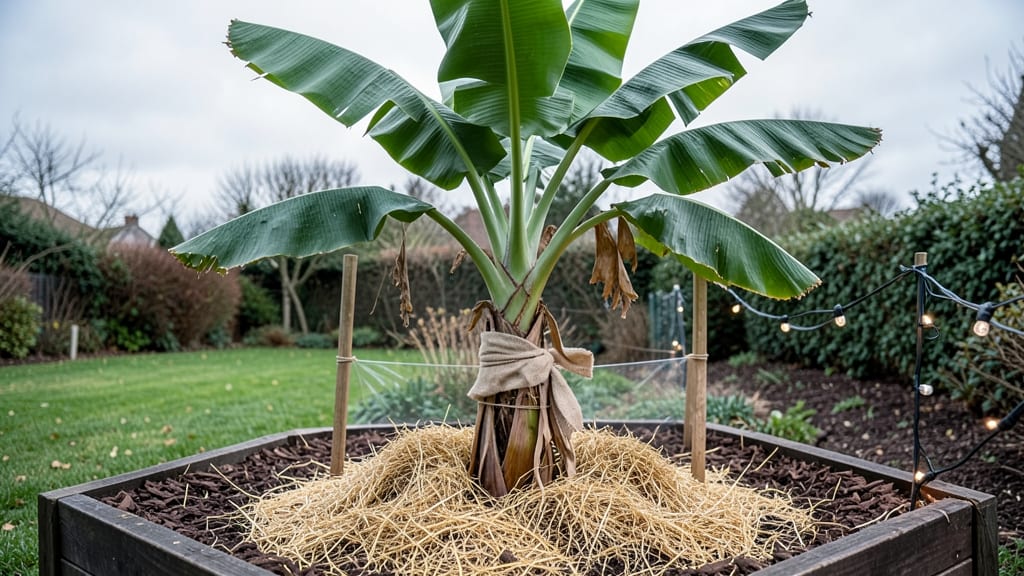
Banana tree winter protection is a must—those roots can’t handle frost, and layered mulch is the shield that saves them when temperatures drop below 30°F. 🌿 I’ve watched my own banana plants go from crispy brown leaves to lush green growth by mid-spring, all because I learned to protect them before the first freeze. The key isn’t just piling on mulch—it’s creating a three-layer insulation system that traps warmth while keeping moisture in the soil.
Timing matters more than you’d think. Start wrapping the trunk and adding mulch once nighttime temps hit 40°F consistently, usually in late fall.
Use straw or leaves for the first layer, then black plastic or burlap to block wind, and top it all with 6-12 inches of mulch—the deeper, the better for root protection. My biggest mistake? Waiting until after the first frost—by then, the damage was already done.
What you’ll end up with is a banana tree that looks dormant but stays alive, ready to burst back into growth when spring arrives. The leaves might yellow, but the roots stay safe, and that’s what keeps your plant thriving.
It’s not just about survival—it’s about next year’s harvest, too, since a well-protected tree grows stronger and more productive.
Works for USDA zones 8-11, but even in cooler zones, this method gives your banana tree a fighting chance. The trick is consistency—check your layers every few weeks to adjust for rain or wind. Here’s how to do it right, step by step.
📚 In This Guide
- What you need
- Instructions
- Tips and common mistakes
- Wrapping up and next steps
What you need
- ● Organic mulch: 4–6 inches of straw, pine needles, or shredded leaves (avoid grass clippings—they mat down). Quantity: Enough to cover the root zone fully.
- ● Burlap or landscape fabric: 1–2 sheets (4’ x 6’ each) to wrap the trunk and shield roots from wind.
- ● Cardboard or thick paper: 2–3 sheets (cut to fit around the base) to block weeds and retain moisture.
- ● Garden twine or burlap strips: For securing wraps snugly (but not too tight!).
- ● Watering can or hose: To keep mulch moist (not soggy) before freezing temps hit.
- ● Pruners or sharp shears: For trimming dead leaves or fronds (sterilize with rubbing alcohol!).
- ○ Thermometer (optional but helpful): To monitor soil temps—aim to keep roots above 40°F (4°C).
- ● Insulating foam board: Cut to fit around the base (1–2 inches thick) for extra cold protection.
- ● Hot water bottle or heat tape: Place near the root zone on extremely cold nights (below 20°F/-7°C).
- ● Compost or aged manure: Mix into the top 6 inches of soil before mulching for nutrient boost.
- ● Reflective bubble wrap: Wrap the trunk loosely for added insulation (remove in spring!).
Step-by-Step instructions for protecting banana trees in winter
Here’s how to shield your banana tree’s roots from freezing temperatures using a layered mulch system.
🌱 Step 1: Clear and Prepare the Base
Start by removing any dead leaves, debris, or old mulch from around the base of your banana tree. This prevents rot and ensures new protection reaches the roots directly. Use a rake to clear a 12-inch radius around the trunk, scraping away anything that might insulate cold air against the soil.
If your banana tree is in a pot, move it to a sheltered location—like a garage or against a south-facing wall—before winter. For in-ground plants, focus on the soil mound where the roots spread. The goal is to create a clean, dry base where mulch can work effectively.
🪴 Step 2: Build a Mulch Barrier
Spread a 4-inch layer of straw or pine needles directly over the soil around the base of the tree. These materials are ideal because they allow airflow while trapping heat. Avoid using leaves—they compact and trap moisture, which can rot roots.
Pile the mulch higher—up to 12 inches thick—around the trunk and taper it outward like a cone. This creates a thermal blanket that insulates the roots from ground-level cold. Water the mulch lightly after applying it to help it settle and retain heat.
☀️ Step 3: Add Insulation Layers
Cover the straw with a 6-inch layer of shredded bark or wood chips to further insulate the roots. This adds bulk and blocks wind, which can pull heat away from the soil. For extra protection, top it with a heavy-duty landscape fabric secured with bricks or stakes—this shields the mulch from rain and snow while keeping warmth trapped.
If temperatures drop below 20°F, add a final layer of burlap or cardboard over the fabric. This acts as a windbreak and reflects any residual sunlight back toward the tree. Leave the top of the trunk exposed—banana trees are tropical and need airflow above ground.
⏰ Step 4: Monitor and Adjust
Check the mulch layers every 2-3 weeks throughout winter. If the mulch compresses or shifts, fluff it up to restore insulation. Watch for signs of moisture buildup—if the soil feels soggy, remove the top layer temporarily to let it dry.
In early spring, when nighttime temperatures stay above 40°F, begin removing the outer layers. Start with the fabric and bark, then wait another week before uncovering the straw. This gradual exposure prevents shock to the roots as they wake up from dormancy.
Tips & tricks for banana tree winter protection
Here's what nobody tells you—these little details make all the difference when shielding your banana tree from winter's chill.
Material Selection Matters: When choosing straw or pine needles in Step 2, opt for fresh, dry materials that haven't been chemically treated. I learned this the hard way after using moldy straw that actually worsened root rot. For extra insulation, mix in a handful of dry leaves (not compacted) into the straw layer—they add bulk without trapping moisture like they would alone. The key is maintaining that delicate balance between insulation and airflow.
Wind Protection Strategy: In Step 3, if your banana tree sits in an exposed area, consider adding a temporary windbreak like a burlap screen around the base before applying the fabric layer. Wind can pull heat away from the soil faster than you'd expect, especially when temperatures drop below 20°F. I've seen mulch systems fail spectacularly when wind gets behind them—this extra step prevents that. Position the windbreak to catch prevailing winds without blocking sunlight during the day.
Spring Removal Sequence: The gradual removal process in Step 4 is crucial—don't rush it! I've seen gardeners pull everything off at once, only to have their trees show signs of shock. Start with the fabric and bark when nighttime temps hit 40°F consistently, but leave the straw in place for another week. This mimics natural warming conditions and gives roots time to adjust. Think of it like helping your banana tree wake up from a long nap—rushing it can lead to stress.
Moisture Management: After applying your mulch layers, resist the urge to water heavily. The goal is to trap heat, not create a soggy mess. In Step 2, that light watering is just to help the mulch settle—don't drench it. If you notice condensation forming between layers during warm days, gently fluff the mulch to restore airflow. The last thing you want is frozen, waterlogged roots trying to thaw out in spring.
Pro Tips for Banana Tree Winter Protection
- Here's what nobody tells you—these little details make all the difference when shielding your banana tree from winter's chill.
- Material Selection Matters: When choosing straw or pine needles in Step 2, opt for fresh, dry materials that haven't been chemically treated.
- Wind Protection Strategy: In Step 3, if your banana tree sits in an exposed area, consider adding a temporary windbreak like a burlap screen around the base before applying the fabric layer.
Frequently asked questions
Got questions about keeping your banana tree thriving through winter? Here are answers to the most common concerns—so you can protect your tropical beauty without the stress!
How cold is too cold for a banana tree?
A banana tree can survive light frosts (28–32°F) but will suffer damage below 25°F. If your area dips to 20°F or lower, take protective measures like mulching, wrapping, or moving potted trees indoors. Young plants or newly planted trees are especially vulnerable—prioritize their care!
When should I start winterizing my banana tree?
Begin 4–6 weeks before the first frost (typically late fall). This gives mulch and protective layers time to insulate roots and foliage. If you’re in a mild climate, wait until temperatures consistently drop below 50°F at night. Pro tip: Monitor your local frost dates for precise timing!
Can I use regular soil or mulch for winter protection?
No—banana trees need well-draining, insulating layers. Use a mix of:
- Straw or pine needles (top layer, 4–6 inches)
- Leaves or wood chips (middle layer, 3–4 inches)
- Burlap or bubble wrap (wrap trunk if temps drop below 28°F)
What do I do if my banana tree’s leaves turn brown or black in winter?
Brown/black leaves usually mean cold damage or frostbite. Trim affected foliage back to healthy green growth in early spring. If the trunk shows cracks or oozing sap, the tree may be severely damaged—consider replacing it. Good news: Banana trees regrow quickly from the base if roots stay protected!
Can I grow a banana tree in a pot and move it indoors for winter?
Yes! Potted banana trees are easier to protect. Move them to a cool, bright spot (50–60°F) like a garage or sunroom before frost. Reduce watering (let soil dry slightly between waterings) and avoid fertilizing until spring. Watch out: Sudden temperature swings can stress the tree—acclimate it gradually!
Bonus Tip: How do I know if my banana tree survived the winter?
Check for:
- Green shoots emerging from the base by late winter/early spring
- Firm, unbroken trunk (no dark spots or mushiness)
- Root growth when you gently scratch back mulch in spring
Wrapping up and next steps
Protecting your banana tree from winter’s chill doesn’t have to be complicated—just layered, thoughtful, and timely! 🌱 By insulating roots with mulch, wrapping the trunk, and shielding leaves, you’ll give your tropical friend the best chance to thrive.
Remember, consistency is key, so check your setup regularly and adjust as needed.
Ready to give your banana tree a cozy winter? Start with a quick inspection of its current setup—then roll up your sleeves and apply those protective layers before the first frost hits. Your tree (and future harvests!) will thank you!