
How To
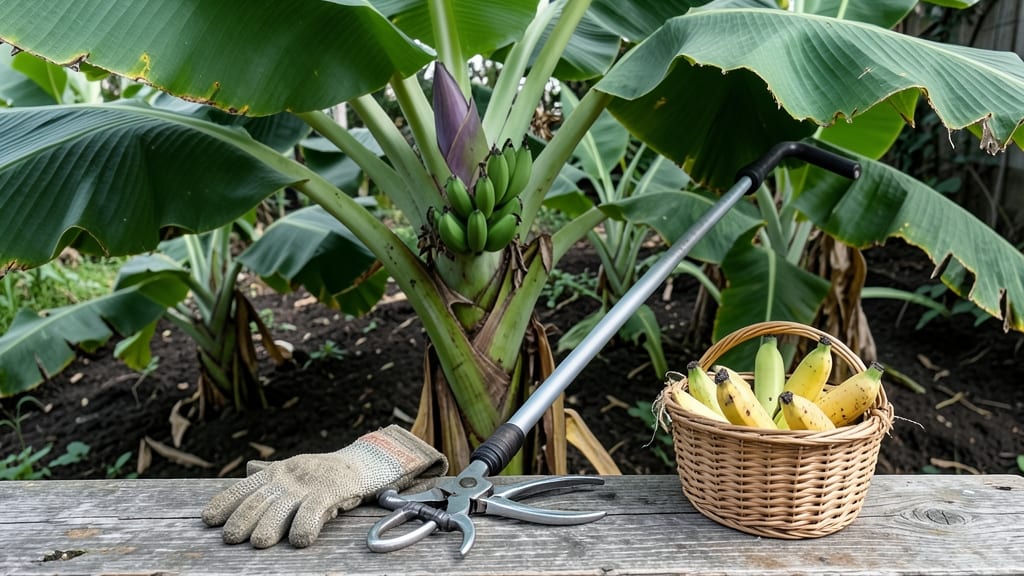
Picking Florida banana trees 🍌 at the right moment means the difference between sweet, creamy fruit and bland, mealy disappointment.
Picture this: you’ve waited months for your banana tree to produce, only to pluck a bunch that’s either rock-hard or mushy past its prime. That’s why timing your harvest isn’t just about patience—it’s about reading the subtle cues Florida’s tropical climate offers.
From the moment bananas shift from green to speckled yellow to the way they yield under gentle pressure, there’s a science to it. Miss these signs, and you might as well be tossing out hard-earned harvests—or worse, stressing your plant by over-picking.
In this guide, I’ll walk you through the exact ripeness cues, the best times to harvest by season, and how to avoid the three biggest mistakes Florida gardeners make. Ready to turn your banana tree into a flavor factory?


How to identify perfect ripeness stages in Florida banana trees
Florida’s humid climate creates ideal conditions for growing banana trees, but knowing exactly when to pick your bananas is an art. Unlike grocery store bananas that ripen after picking, Florida’s tropical varieties like Cavendish and Red Dacca must be harvested at the perfect moment for peak flavor.
Miss the window, and you’ll end up with mealy texture or wasted fruit. The key lies in combining visual cues, tactile tests, and even scent—yes, bananas have a signature aroma when ripe!
Start by examining the fruit color, which is the most obvious sign. For most Florida varieties, bananas transition from bright green to pale yellow with occasional brown speckles. However, some heirloom types like Red Dacca develop a deep red blush when ready.
Ignoring color alone can lead to mistakes—overripe bananas turn completely yellow with black spots, while underripe ones stay green and firm.
Next, perform the gentle squeeze test, a critical step many gardeners overlook. Press your thumb lightly against the banana’s skin. If it yields slightly (like a ripe avocado), it’s ready.
A hard fruit means it needs more time, while a mushy feel signals overripeness. This tactile check works best in the morning, when bananas are cooler and firmer.
| Ripeness Stage | Visual Cues | Tactile Test | Aroma | Action |
|---|---|---|---|---|
| Unripe | Firm green skin | Hard to the touch | No scent | Wait 1-2 weeks |
| Perfectly Ripe | Pale yellow with brown speckles | Yields slightly under pressure | Sweet, tropical aroma | Harvest immediately |
| Overripe | Bright yellow with black spots | Mushy, soft skin | Fermented, strong smell | Use for baking or compost |
| Pro Tip | Check stem base color | Brown = ready to pick | — | Twist gently to detach |
Don’t forget to inspect the stem base near where the banana attaches to the hand. When ripe, this area turns from green to brown, almost like a natural "ripe stamp." This is especially useful for Red Dacca varieties, where the fruit may still look greenish externally.
Combine this with the gentle twist test: ripe bananas should separate cleanly from the hand with minimal force.
Florida’s high humidity can accelerate ripening, so check your bananas every 3-4 days during peak growing seasons (spring to fall). In cooler months, the process slows down, giving you more time to monitor.
If you’re unsure, err on the side of underripe—bananas won’t ripen further after picking, but they’ll improve if left on the tree for a few more days.
Pay attention to the flower cluster at the top of your banana tree. Once the bananas form, the old flower stalk (called a pseudostem) will wither and die back, signaling that the tree is focusing its energy on fruit maturation.
This is your final green light to start monitoring ripeness more closely. Some gardeners even mark the date when the flower dies to track the 120-180 day ripening window for most varieties.
For Cavendish bananas, the most common commercial variety in Florida, aim for 70-80% yellow skin with minimal speckling. Red Dacca and other heirloom types often develop their signature colors (red or purple hues) before reaching peak ripeness.
Pro tip: Cut open a test banana if you’re still unsure—look for cream-colored flesh with no brown streaks. Dark spots indicate overripeness, while pale flesh means it needs more time.
Finally, trust your nose. Ripe bananas emit a sweet, tropical fragrance that’s unmistakable once you know what to look for. Unripe bananas have no scent, while overripe ones smell fermented or alcoholic.
This scent-based cue works best in the afternoon, when temperatures peak and aromas are strongest. Pair this with the visual and tactile tests for foolproof results.
Remember, Florida’s microclimates can affect ripening speeds—coastal areas ripen faster due to higher humidity, while inland regions may take longer. Adjust your monitoring frequency based on your specific location.
With these cues, you’ll never miss the perfect harvest window again, ensuring bananas that are sweeter, creamier, and more flavorful than store-bought varieties.
Optimal picking times by variety and Florida season
Florida’s warm, humid climate creates ideal conditions for banana trees, but seasonal shifts still impact ripening speed and harvest windows. Unlike cooler climates, Florida bananas can ripen year-round, but peak production aligns with warmer months when humidity stays high.
Understanding these patterns helps you time harvests for maximum sweetness and yield.
Temperature and humidity play critical roles: high heat (85°F+) speeds ripening, while humidity above 70% prevents splitting. In Florida, Cavendish bananas (most common) ripen fastest in summer months, while Red Dacca varieties may need slightly longer in cooler fall/winter periods. Let’s break down the best month-by-month approach.
| Variety | Best Harvest Months | Peak Ripening Conditions | Key Visual Cues |
|---|---|---|---|
| Cavendish | May–October | 80–90°F, 75%+ humidity | Yellow with brown speckles, slight softness when pressed |
| Red Dacca | April–November | 75–85°F, 65%+ humidity | Deep red-purple hue, firm but yielding peel |
| Dwarf Cavendish | June–September | 85°F+, 80%+ humidity | Small yellow fruit with green tips, easy twist-off |
| Ice Cream Banana | March–October | 70–80°F, 70%+ humidity | Creamy white peel with yellow base, soft texture |
For Cavendish bananas, aim to harvest in late summer when temperatures peak. These varieties ripen quickly in heat, so check clusters weekly in July–August. Red Dacca, however, thrives in spring and early fall—its slower ripening makes it ideal for extended harvests during cooler months.
Winter (December–February) is the slowest ripening period due to cooler nights, but don’t skip checks entirely. Dwarf varieties like Ice Cream Banana may still produce small harvests if protected from light frosts (though Florida rarely sees them). Use row covers if temps dip below 50°F.
Pro tip: Harvest in the morning when fruit is coolest and firmest. Avoid picking after rain—wet peels split easily. Store harvested bananas at room temperature for 2–3 days to ripen fully, or refrigerate unripe ones to slow ethylene gas production.
Missed the perfect window? Don’t worry—Florida’s long growing season means another chance. Just prune spent stems and fertilize lightly to prep for the next peak harvest cycle.