
Pruning
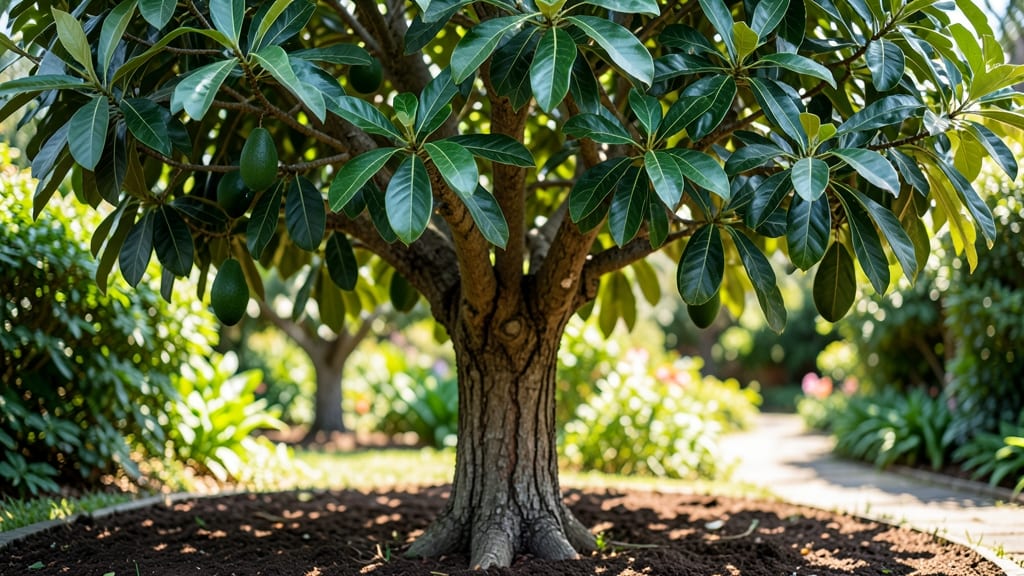
Balancing avocado tree sun exposure is the secret to those glossy leaves and heavy fruit—too much or too little throws everything off. 🌿 I learned this the hard way when my first tree’s leaves turned crispy after a scorching summer afternoon, despite being in "full sun."
The truth? Avocados crave bright, indirect light—think dappled shade in their native tropical forests, not harsh midday glare.
Most avocado trees thrive with 6-8 hours of sunlight daily, but the key is gentle light—morning sun and filtered afternoon light work best. In hot climates like Southern California, afternoon shade (from a sheer curtain or nearby tree) prevents leaf scorch.
In cooler zones like Florida’s interior, they handle more direct sun, but even there, afternoon shade keeps leaves lush.
You’ll know you’ve got it right when new growth stays rich green and stems stay sturdy. Yellowing leaves? Too much sun. Drooping or pale foliage? Not enough.
The goal is consistent brightness—like a sunroom where light dances but never burns. Even in containers, rotate the pot occasionally to ensure even exposure.
For limited spaces, east-facing windows or grow lights (12-14 hours daily) work wonders. Just avoid south-facing windows in peak summer—they’re like a desert for your tree. With the right balance, your avocado won’t just survive; it’ll burst with fruit and foliage that makes neighbors jealous.
📚 In This Guide
- What you need
- Instructions
- Tips and common mistakes
- Wrapping up and next steps
What you need
- ● Avocado tree (Persea americana) – Choose a variety suited to your climate (e.g., Hass for cooler areas, Fuerte for warmer zones). Pro tip: 💡 Start with a young tree (3–5 years old) for easier management.
- ● Well-draining soil mix – A blend of 60% potting soil, 30% perlite or pumice, and 10% compost (for potted trees). For in-ground planting, amend native soil with organic matter.
- ○ Container (if potted) – A large pot (18–24 inches in diameter) with drainage holes. Optional: 🌡️ Use a fabric grow bag for better aeration.
- ● Pruning tools: Bypass pruners (for small branches)
- ● Loppers (for thicker stems, up to 1-inch diameter)
- ● Sterilized pruning saw (for large branches)
- ● Sunlight monitor – A light meter or sun exposure app (e.g., Sun Surveyor) to track daily light hours.
- ● Mulch – 2–3 inches of organic mulch (e.g., straw or wood chips) to retain moisture and regulate soil temperature.
- ● Shade cloth (30–50%) – For gradual acclimation to full sun (especially in hot climates).
- ● Growth regulator – Such as Paclobutrazol to control rapid growth if your tree gets too much sun.
- ● Drip irrigation system – To maintain consistent moisture without overwatering.
- ● Soil pH test kit – Avocados prefer slightly acidic soil (pH 6.0–7.0).
Instructions for perfecting avocado tree sun exposure
Here's how I balance light for healthy growth and fruit production—no guesswork involved.
☀️ Step 1: Identify Your Avocado's Sun Tolerance Stage
Young avocado trees thrive in bright, indirect light for their first year, while mature trees need 6-8 hours of direct sun daily. If you're growing Hass or Fuerte varieties, they prefer morning sun and afternoon shade—this prevents leaf scorch while ensuring enough energy for fruit development. I always check the tree's current leaves: if they're pale green with yellowing edges, it's getting too much harsh afternoon sun.
For indoor trees, position near an east-facing window where light is gentle but abundant. If you notice new growth stretching toward the light, it's not getting enough intensity—supplement with a grow light placed 12-18 inches away for 12-14 hours daily. The key is consistency: avocado trees hate sudden light changes, so move them gradually if adjusting positions.
🌿 Step 2: Adjust Light Gradually for Outdoor Transitions
When moving a potted avocado outside, acclimate it over 7-10 days to avoid shock. Start with 1-2 hours of morning sun on day one, then increase by 1 hour daily. Watch for leaf curling or drooping—these are signs it's getting too much sun too fast. Mature trees can handle full sun in coastal climates (zones 9-11), but inland or hotter areas need afternoon shade protection.
I like to use lightweight shade cloth (30-50% block) during peak summer hours if the tree shows stress. The goal is to let it toughen up naturally. If you see brown spots on leaves, that's sunburn—immediate shade relief is needed. For container growers, rotate the pot quarter-turn weekly so all sides get even light exposure and the tree grows straight.
✂️ Step 3: Prune Strategically to Optimize Light Penetration
Prune in late winter or early spring before new growth begins. Remove crossing branches and any growing inward—these block light from reaching the center. I always cut back overly leggy growth by one-third to encourage bushier, more compact growth that catches more light. The rule is: never remove more than 25% of the canopy at once, or you'll stress the tree.
Thin out dense foliage on the lower half of the tree to improve air circulation and light access. You'll know you've done it right when you can see light filtering through to the inner branches. Avoid heavy pruning in summer—new growth won't harden off before fall, making the tree vulnerable to cold damage. Always use sterilized pruners to prevent fungal infections from open wounds.
💧 Step 4: Monitor Light Effects on Watering Needs
More sun means more water—directly proportional. A tree getting full sun may need watering every 2-3 days in summer, while one in partial shade might only need it every 5-7 days. Check moisture by sticking your finger 2 inches into the soil: if it's dry, water deeply until it runs out the drainage holes. Overwatering in full sun is a common mistake that leads to root rot.
I also watch for leaf drop during hot spells—this often signals underwatering in sunny conditions. Mulch with 2-3 inches of organic material (like shredded bark) to retain moisture and regulate soil temperature. The mulch layer should never touch the trunk, though—keep it 2-3 inches away to prevent rot. In winter, reduce watering by half, even in sunny climates, as the tree's growth slows dramatically.
Tips & tricks for perfect avocado tree sun management
Balancing sunlight for your avocado tree isn't rocket science—it's about reading your tree's signals and making small adjustments. Here's what I've learned after watching my trees thrive (and occasionally struggle) through different light conditions.
Light Intensity Matters: In Step 1, when positioning your tree near an east-facing window, pay attention to the quality of light—not just quantity. Avocado trees need bright, indirect light for their first year, which means avoiding south-facing windows that can deliver harsh, concentrated sunlight. If you notice new leaves emerging smaller than previous ones, that's your cue the light isn't intense enough. For indoor growers using grow lights, position them 12-18 inches away and use a timer for 12-14 hours daily to mimic natural daylight cycles.
Outdoor Transition Strategy: The 7-10 day acclimation period in Step 2 is non-negotiable if you want to avoid sun shock. I've seen trees go from vibrant green to crispy brown in a single afternoon when rushed outside. Start with just 1-2 hours of morning sun and increase gradually—this mimics how trees naturally adapt in their native environments. Pro tip: Move your pot to a shaded area during peak afternoon hours (12-3 PM) if you notice leaves wilting or developing brown edges.
Pruning for Light Penetration: When pruning in Step 3, focus on creating an open canopy that allows light to reach all branches. I always look for branches growing at sharp angles—these often block light from reaching the center. Cut back overly leggy growth by one-third to encourage bushier growth, but never remove more than 25% of the canopy at once. This rule prevents stress that could make your tree vulnerable to pests or disease. For container growers, rotate your pot quarter-turn weekly to ensure even light exposure on all sides.
Watering Adjustments: The directly proportional relationship between sun exposure and water needs in Step 4 is crucial. In full sun, check soil moisture every 2-3 days by sticking your finger 2 inches deep—if it's dry, water thoroughly. But here's what nobody tells you: avocado trees in full sun actually need less frequent but deeper watering than those in partial shade. The key is to water until you see moisture running out the drainage holes, which encourages deep root growth. In winter, reduce watering by half regardless of sun exposure, as the tree's metabolic rate slows dramatically.
Pro Tips for Avocado Tree Sun
- Balancing sunlight for your avocado tree isn't rocket science—it's about reading your tree's signals and making small adjustments.
- Light Intensity Matters: In Step 1, when positioning your tree near an east-facing window, pay attention to the quality of light—not just quantity.
- Outdoor Transition Strategy: The 7-10 day acclimation period in Step 2 is non-negotiable if you want to avoid sun shock.
Frequently asked questions
Got questions about keeping your avocado tree happy in the sun?
Here are answers to the most common concerns—from sunlight needs to troubleshooting leaf issues—so you can grow a thriving tree with lush fruit!
How much sun does an avocado tree need daily?
Avocado trees thrive with 6–8 hours of direct sunlight daily, especially in their first few years. Mature trees can tolerate partial shade (4+ hours), but fruit production may drop. In hot climates, morning sun + afternoon shade prevents scorching. Watch for yellowing leaves—too much sun can "cook" them!
How long does it take for an avocado tree to adjust to full sun?
Gradual exposure is key! Acclimate young trees over 2–4 weeks by increasing sunlight 1–2 hours per day. Sudden full-sun exposure can cause leaf burn (brown, crispy edges). Mature trees adapt faster, but monitor for stress signs like wilting or leaf drop.
What if my avocado tree’s leaves turn yellow in the sun?
Yellowing leaves often signal too much direct sun or heat stress. Move the tree to partial shade (e.g., near a lattice or tree canopy) and ensure consistent watering. Overwatering or poor drainage can worsen the issue—check soil moisture before reacting. Prune severely damaged leaves to encourage new growth.
Can I grow an avocado tree indoors with grow lights?
Yes, but it’s tricky! Avocado trees need bright, full-spectrum LED grow lights (12–16 hrs/day) to mimic sunlight. Place lights 6–12 inches above the tree and adjust height as it grows. Expect slower growth and smaller fruit compared to outdoor trees. A sunny windowsill won’t cut it—supplement with lights!
Does sun exposure affect avocado fruit ripening?
Fruit needs balanced sun and shade to ripen evenly. Too much direct sun can cause sunburn (blackened spots), while too little shade leads to poor color and flavor. Prune nearby branches to create dappled shade during peak afternoon heat. Harvest when fruit yields slightly to gentle pressure—ripen indoors with a banana!
Wrapping up and next steps
Growing a thriving avocado tree starts with understanding its sunlight needs—a balance of bright, indirect light and short bursts of direct sun is key! Whether you're nurturing a young sapling or maintaining a mature tree, providing the right light ensures vibrant foliage and delicious fruit. 🌿☀️
Now that you’re armed with the knowledge, it’s time to put it into action. Start by observing your tree’s response to sunlight—adjust placement or prune strategically to optimize growth. Happy growing! 🌱