
Diseases
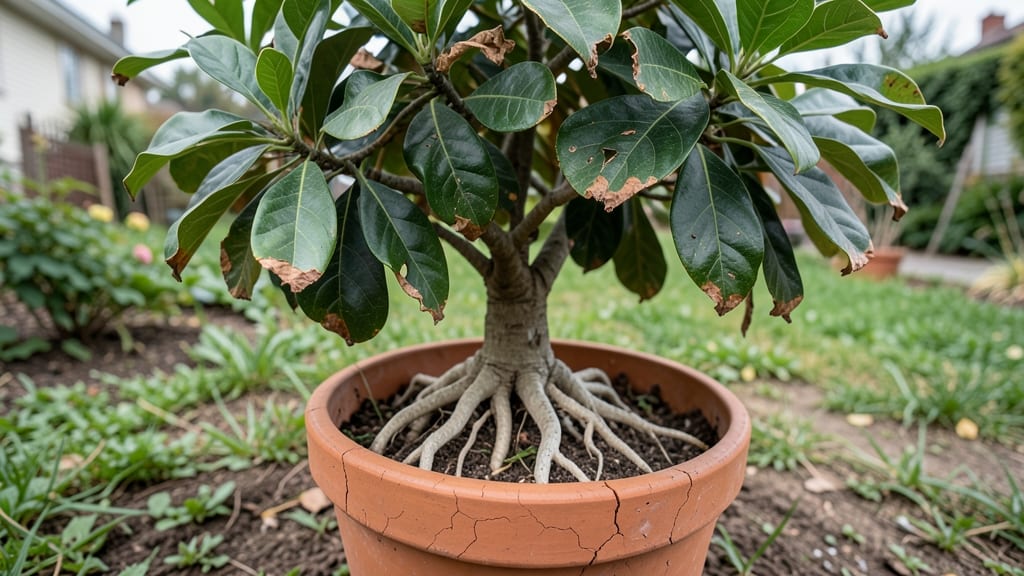
Seeing brown tips on your avocado tree leaves? This is your emergency guide to diagnosing and fixing the problem before it’s too late. These 10 targeted solutions will help you revive your tree’s health and keep it thriving for years.
Overwatering and Root Rot Prevention
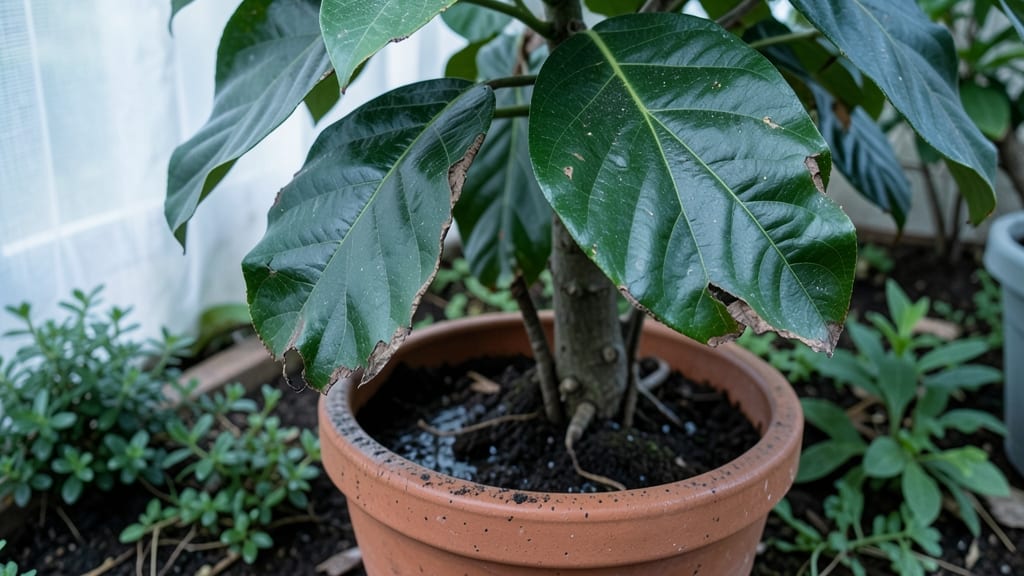
Your avocado tree’s brown tips might be screaming for help—literally. Overwatering is the silent killer of houseplants, suffocating roots and triggering root rot, which then starves the leaves of nutrients. Unlike thirsty plants that wilt, overwatered trees show brown, crispy edges while the soil stays damp.
Start by checking soil moisture with your finger: if the top 1-2 inches feel soggy, hold off on watering. Avocado trees prefer their soil to dry out slightly between waterings, especially in pots. Upgrade to a well-draining mix with perlite or orchid bark, and ensure pots have drainage holes. If your tree is already showing signs of root rot (smelly, mushy roots), repot it in fresh, dry soil and trim any blackened roots with sterilized scissors.
This fix is a game-changer for container gardeners and beginners who tend to overcompensate with water. A little less love (and more patience) can turn brown tips green again in just weeks. 💚
Underwatering and Soil Dryness Fixes
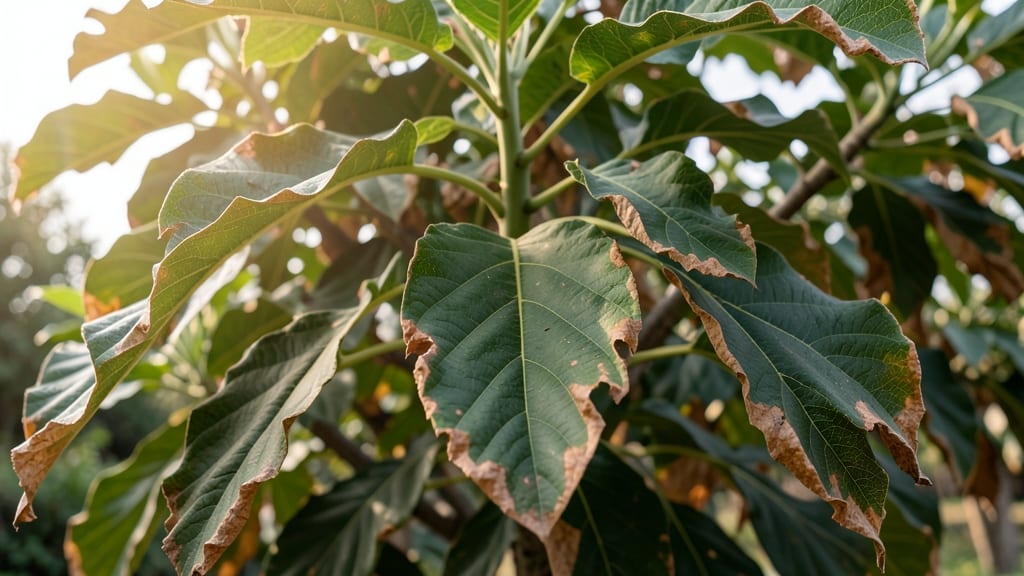
If your avocado tree’s leaves are crisping at the edges like overcooked toast, underwatering is likely the culprit. Unlike overwatering, dehydration causes dry, papery brown tips that spread inward—often starting on older leaves first. The good news? This fix is simpler than you think.
First, check the soil 2 inches down—if it’s bone dry, it’s time to water deeply until moisture reaches the bottom of the pot. Avocado trees prefer well-draining soil with a mix of perlite or sand to prevent clumping. For containers, mulching with 1–2 inches of organic mulch (like bark chips) locks in moisture and regulates temperature, reducing how often you need to water. Water in the morning to allow foliage to dry before evening, preventing fungal issues.
This routine works best for container-grown avocado trees or those in dry climates, where soil dries out faster. With consistent moisture and the right soil mix, you’ll see new growth in as little as 2–4 weeks. 🌱
Chlorine and Fluoride Damage Solutions
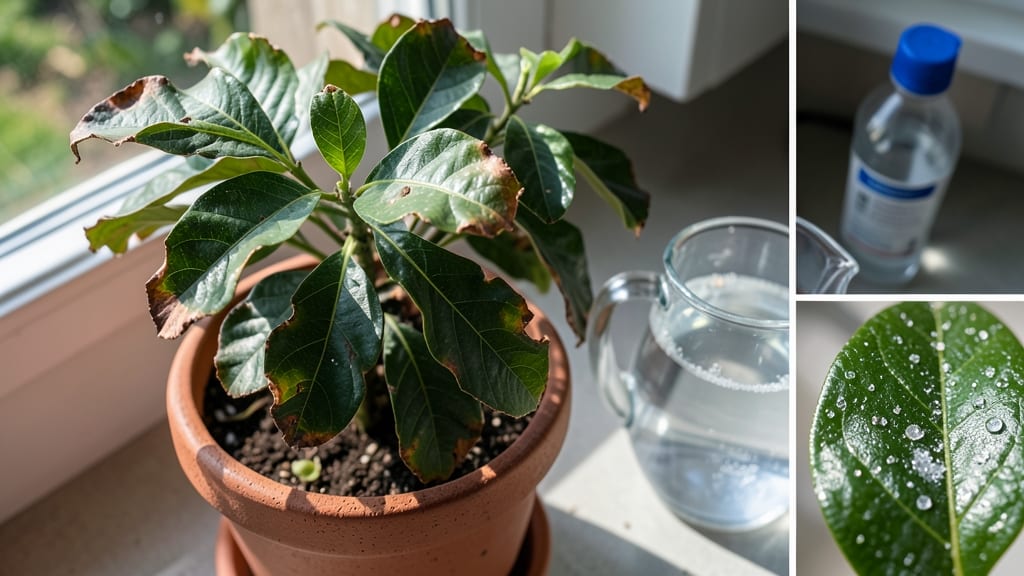
If your avocado tree’s leaves are developing crispy, brown edges after watering, chlorine and fluoride in tap water might be the culprit. These chemicals can accumulate on foliage, causing unsightly damage and stressing your plant over time.
Start by letting tap water sit out for 24 hours before using it—this allows chlorine to dissipate naturally. For a faster solution, add 1 tablespoon of hydrogen peroxide (3%) per gallon of water to neutralize both chlorine and fluoride. Alternatively, collect rainwater in a clean container for watering, or use a carbon filter on your water source. Always water at the base of the plant rather than overhead to minimize chemical contact with leaves.
Urban gardeners and those with sensitive plants will benefit most from these simple adjustments. With the right water treatment, you’ll see healthier foliage and fewer brown tips in just a few weeks. 💡
Nutrient Deficiencies: Iron Chlorosis Cure
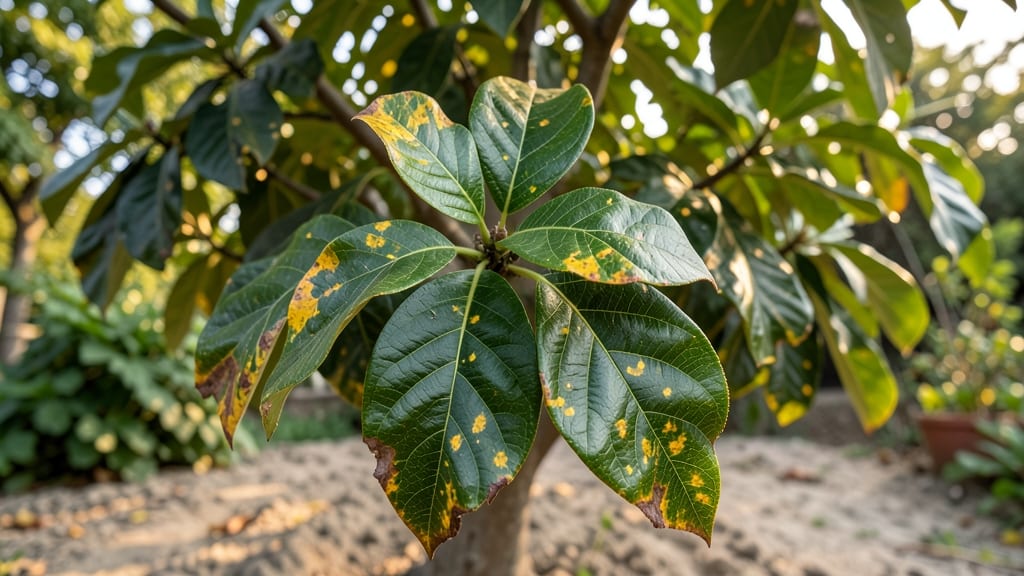
If your avocado tree leaves are showing yellowing between the veins paired with brown tips, you’re likely dealing with iron chlorosis—a common issue in alkaline soils that blocks iron uptake. This deficiency stunts growth and weakens your tree if left unchecked, but the fix is simpler than you think.
Start by testing your soil’s pH—aim for 6.0 to 7.0 for avocado trees. If it’s higher, amend with sulfur or peat moss to lower alkalinity over time. For immediate relief, apply a chelated iron supplement (like iron sulfate or EDTA-chelated iron) every 4-6 weeks during growing season. Water thoroughly after application to help roots absorb the nutrient.
Gardeners in container gardens or urban areas with hard water will see the fastest results from this method. With consistent care, your tree will regain its vibrant green leaves and thrive. 💚
Salt Buildup from Fertilizer Burn
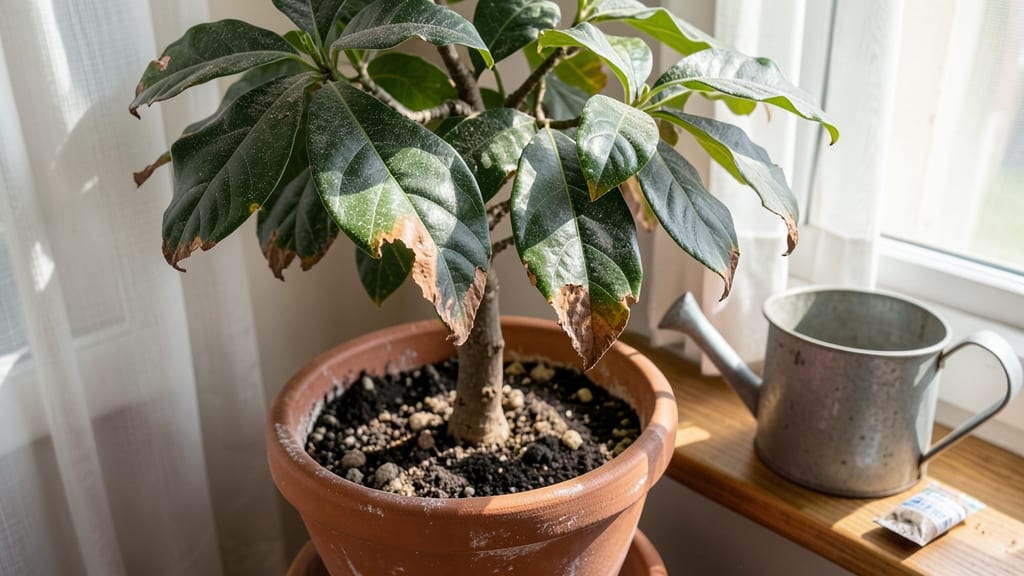
If your avocado tree’s leaves are developing crispy brown edges despite proper watering, salt buildup from over-fertilizing might be the culprit. Excessive salts in the soil disrupt water absorption, causing leaf tips to dry out and curl—even when the soil feels moist.
To fix it, flush the soil by watering thoroughly until water runs freely from the drainage holes (repeat 2-3 times over a week). For future care, switch to organic, slow-release fertilizers like composted manure or worm castings, which break down gently and reduce salt shock. Avocado trees thrive with fertilizer applied every 3-4 months during active growth, not monthly.
This solution is perfect for container gardeners or those using synthetic fertilizers—it’s a simple way to revive stressed trees without harsh chemicals. 🌱
Low Humidity and Air Circulation Adjustments
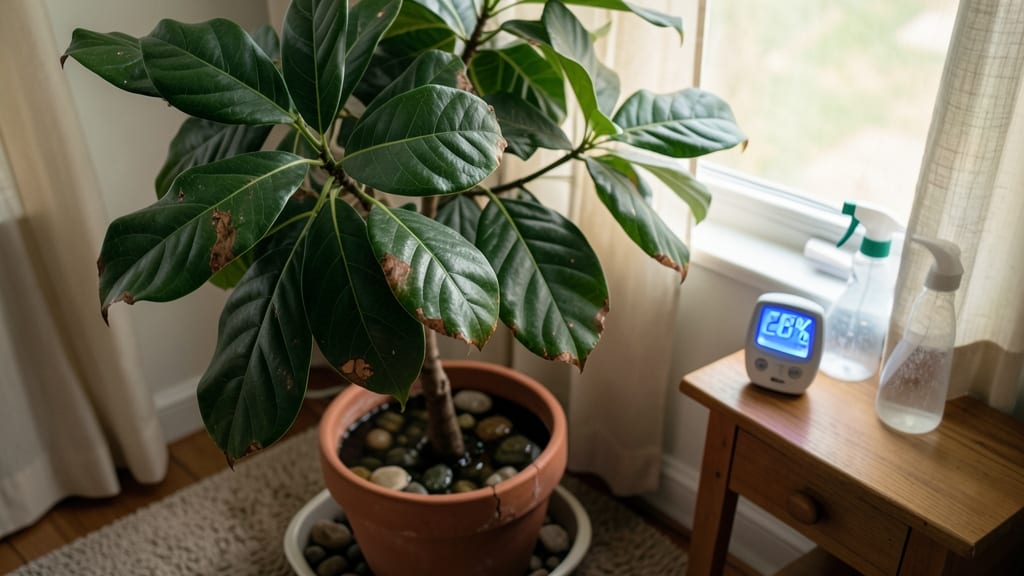
If your indoor avocado tree’s leaves are developing brown tips despite consistent watering, dry indoor air might be the culprit. Avocado trees thrive in humidity levels between 50-70%, but most homes—especially in winter—drop below 30%, causing leaf edges to crisp and brown.
Boost humidity by placing a pebble tray under the pot (fill a shallow tray with water and pebbles, ensuring the pot sits above the waterline) or using a humidifier nearby. For extra airflow, gently rotate the pot weekly and avoid placing it in stuffy corners—avocado trees need light breeze circulation to prevent fungal issues. A simple misting routine (especially in winter) can also help, though avoid soaking the leaves.
This fix is perfect for urban gardeners with indoor avocado trees—no fancy equipment needed, just a few small adjustments to mimic the tropical conditions your tree craves. 🌱
Pest Damage: Spider Mites and Scale Insects
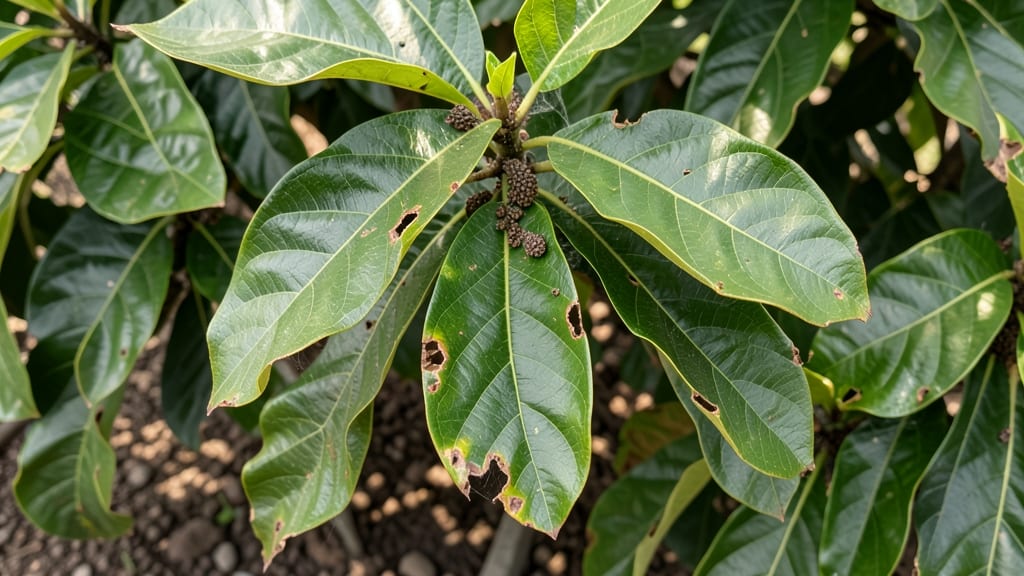
If your avocado tree’s leaves are developing brown tips but the soil feels just right, tiny pests might be the culprit. Spider mites and scale insects thrive on sap, leaving behind telltale brown, crispy edges while the rest of the leaf stays green—unlike nutrient deficiencies that affect the whole leaf.
Start by inspecting the undersides of leaves with a magnifying glass. Spider mites appear as tiny red or yellow dots, while scale insects look like small brown bumps stuck to the leaf surface. Combat them naturally by spraying a neem oil solution (1 tsp neem oil + 1 tsp mild soap per quart of water) every 5–7 days until they disappear. For severe infestations, introduce beneficial insects like ladybugs or lacewings to your tree’s ecosystem.
This remedy is perfect for container gardeners or those with indoor avocado trees, as it avoids harsh chemicals while effectively restoring your tree’s health. 🌿
Fungal Infections: Root Rot and Leaf Spot
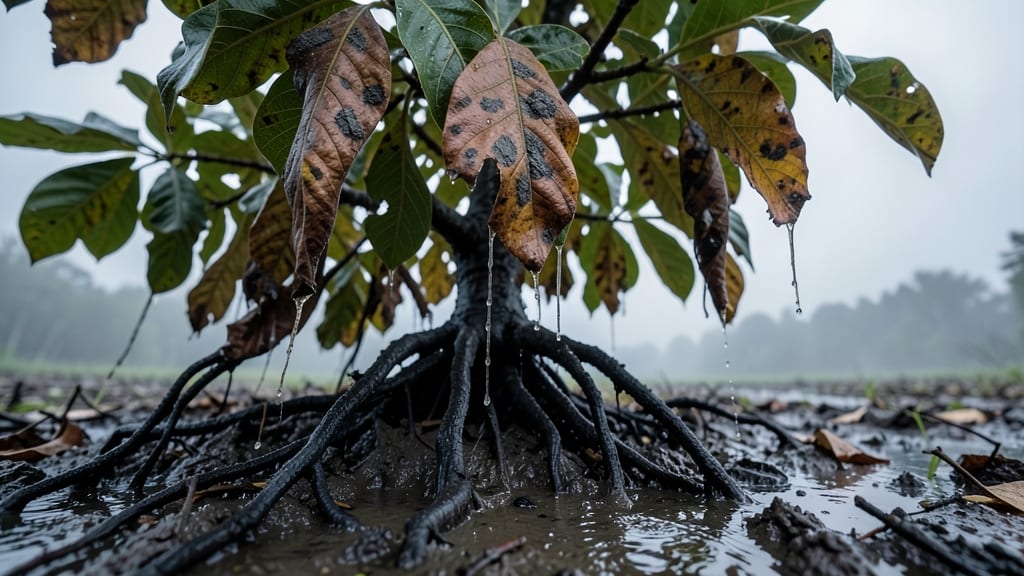
If your avocado tree’s brown tips appear slimy or covered in dark spots, fungal infections like root rot or leaf spot may be the culprit. Unlike other causes, these infections spread quickly in overly wet soil or humid conditions, turning leaves brown and mushy while roots turn black and foul-smelling.
Start by reducing watering and improving drainage—fungi thrive where soil stays soggy. For existing infections, spray leaves with a 3% hydrogen peroxide solution (1 part peroxide to 3 parts water) or use organic fungicides like copper soap or neem oil. Prune affected leaves immediately to prevent spread, and avoid overhead watering.
This is especially critical for container-grown trees or those in shady, damp spots. Catching fungal issues early can save your tree from irreversible damage. 💚
Pruning Brown Tips for New Growth
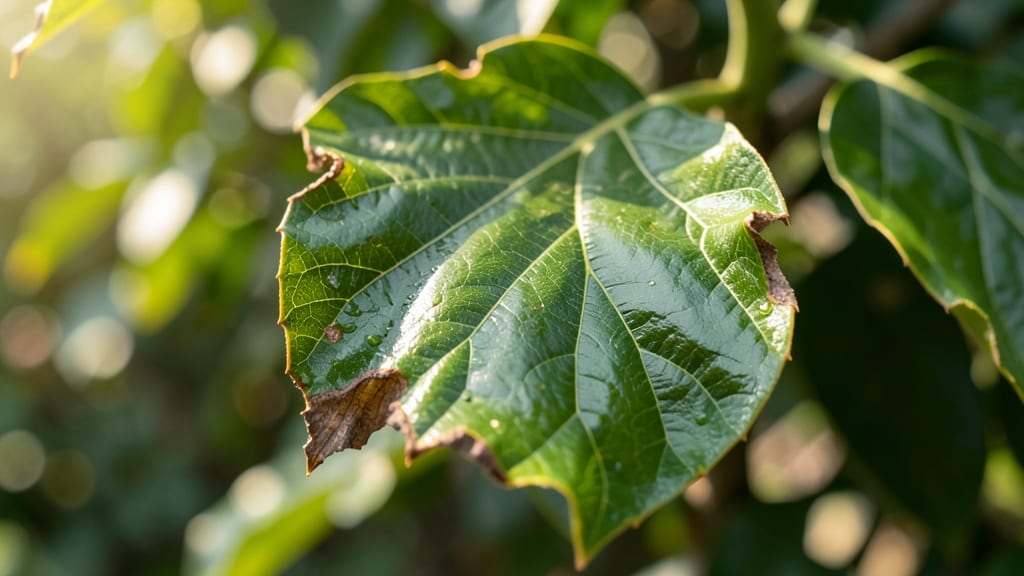
When your avocado tree’s leaves show brown tips but the rest of the leaf stays green, pruning just the damaged edges can spark new growth without shocking the plant. This targeted approach preserves the leaf’s ability to photosynthesize while signaling the tree to focus energy on healthier foliage.
Use sterilized pruning shears to snip only the brown tips at a 45-degree angle, leaving the green tissue intact. Avoid removing more than one-third of the leaf at once, and always prune in morning hours when humidity is higher. For container-grown trees, this method also helps maintain airflow, reducing fungal risks while encouraging fresh, vibrant leaves to emerge.
This technique is perfect for container gardeners or those with limited space, as it minimizes stress on young trees. With consistent care, you’ll see new growth within weeks—proof that even small adjustments can revive a struggling avocado tree. 🌱
Repotting for Better Drainage and Space

When your avocado tree’s roots outgrow their container, they send distress signals—like those frustrating brown tips—telling you it’s time to upgrade its home. Root-bound trees struggle with poor drainage and limited nutrients, causing stress that manifests in dry, crispy leaf edges.
Start by choosing a container 2-3 inches larger in diameter than the current pot, with drainage holes to prevent waterlogging. Use a well-draining mix (60% potting soil, 30% perlite, and 10% compost) to mimic its natural tropical environment. Gently loosen tangled roots before repotting to encourage outward growth. This simple upgrade can stop brown tips and jumpstart healthier foliage.
Container gardeners and urban avocado growers will see the biggest benefits—your tree will finally have the space and airflow it craves to thrive. 🌱