
Pruning
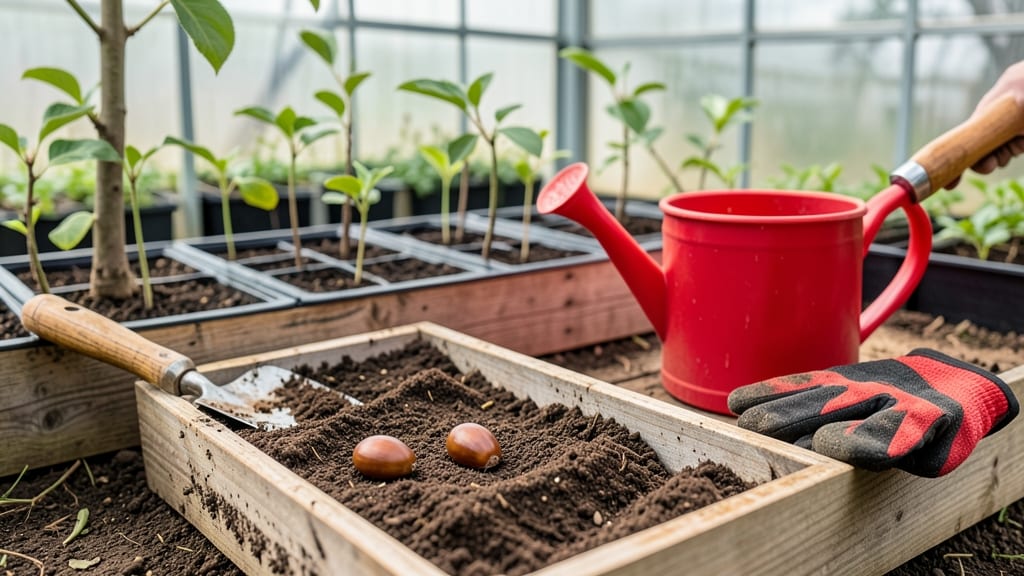
Growing Asian pear trees from seeds means 90% germination—but only if you crack the dormancy puzzle first. 🌱 I’ve struggled with stubborn seeds that refused to sprout until I learned the right trick: a two-month cold stratification that mimics winter’s natural signal.
Most gardeners skip this step and end up waiting months for seeds that may never break through. The secret lies in patience and timing.
You’ll need fresh seeds (or at least ones stored properly), a mix of 50% sand and 50% peat moss, and a 35-45°F environment for that cold treatment. Afterward, warmth and light trigger the magic—roots appear in 4-8 weeks, not the months you might expect.
That first green shoot feels like a victory after weeks of waiting. Once those seedlings emerge, you’ll have stocky, disease-resistant young trees ready for transplanting by spring. The foliage stays lush even in heat, and the roots develop deep—key for fruit production later.
Just avoid overwatering; Asian pears hate soggy soil from day one. This method works for backyard orchards, containers, or even urban balconies. The payoff? Trees that outperform nursery-bought saplings because they’re hardened from the start. Let’s get those seeds sprouting!
📚 In This Guide
- What you need
- Instructions
- Tips and common mistakes
- Wrapping up and next steps
What you need
- ● Asian pear seeds: 10–20 fresh, plump seeds (harvested from ripe fruit, cleaned and dried)
- ● Stratification medium: Option 1: Damp peat moss or coco coir (1 small bag, ~2–3 quarts)
- ● Option 2: Vermiculite or perlite (1 small bag, ~1–2 quarts)
- ● Plastic storage bag: 1 gallon-sized with a zip-top or twist-tie
- ● Refrigerator: Standard home fridge (35–40°F / 2–4°C)
- ● Seed-starting mix: 1 small bag of sterile potting soil (for transplanting)
- ● Small pots or trays: 2–3 biodegradable pots (2–3 inches deep) or a seed tray with cells
- ● Spray bottle: For gentle watering (avoid soaking)
- ● Label markers: To track seed varieties and planting dates
- ○ Heating mat (optional): For post-stratification warmth (70–75°F / 21–24°C)
- ○ Humidity dome (optional): Clear plastic wrap or a mini greenhouse lid to retain moisture
- ○ Grow lights (optional): 12–16 hours of cool-white LED light for seedlings
- ○ Fungicide (optional): Neem oil or hydrogen peroxide (3%) to prevent mold
How to break dormancy in Asian pear tree seeds
Here's the method I've refined over years to coax stubborn Asian pear seeds into reliable germination.
🌱 Step 1: Harvest and Clean the Seeds Properly
Extract seeds from fully ripe pears immediately after picking—ripe fruit yields seeds with higher viability. Cut open the fruit and scoop out the seeds, then rinse them thoroughly under cool water to remove any remaining fruit pulp. This prevents fermentation, which can damage the seed coat and reduce germination rates.
Spread the cleaned seeds on a paper towel and let them air-dry for 24-48 hours in a shaded area. You'll know they're ready when the outer seed coat feels slightly papery to the touch. Store them in a sealed container with a moist paper towel at 35-40°F for 6-8 weeks to simulate natural winter stratification.
⏰ Step 2: Stratify for Dormancy Breakthrough
Asian pear seeds require cold stratification to break their natural dormancy. Place the seeds between two layers of dampened paper towels inside a sealed plastic bag. I like to use a ziplock bag with a tiny hole for airflow—just enough to prevent mold while maintaining moisture.
Store the bag in your refrigerator's crispier drawer (around 35°F) for 6-8 weeks. Check the seeds weekly and mist with water if the towels dry out. You'll see the seed coat soften noticeably after 3-4 weeks, signaling the dormancy-breaking process is working. This cold treatment mimics winter conditions and triggers the seed's internal signals to germinate.
💧 Step 3: Warm Up and Sow for Germination
After stratification, transfer the seeds to a sterile seed-starting mix in small pots (I use 2-3 inch deep containers). Press each seed ½ inch deep into the moistened soil—deeper planting can delay emergence as the seedling struggles to reach light. Label each pot with the date to track germination progress.
Place the pots in a warm, bright location (around 70-75°F). A seedling heat mat helps maintain consistent warmth, but a sunny windowsill works too. Keep the soil evenly moist—not soggy, but never allowed to dry out completely. You should see first sprouts in 3-6 weeks, though some seeds may take up to 8 weeks to break through.
☀️ Step 4: Provide Light and Care for Seedlings
Once the first true leaves appear (not the initial seed leaves), move seedlings to a south-facing window or under grow lights for 14-16 hours daily. Asian pear seedlings need strong light to prevent leggy growth—watch for stems stretching toward the light or leaves turning pale yellow.
Water gently at the soil line to avoid disturbing the delicate roots. After 4-6 weeks, when seedlings have 3-4 sets of true leaves, transplant them into 4-inch pots with fresh potting mix. This gradual upsizing prevents root shock and gives them room to grow before outdoor planting in spring.
✂️ Step 5: Harden Off Before Outdoor Planting
Three weeks before your last frost date, begin hardening off seedlings by placing them outside in partial shade for 1-2 hours the first day. Gradually increase exposure over 10-14 days, ending with full sun conditions. This slow acclimation prevents transplant shock and helps seedlings develop thicker stems.
Choose a sunny, sheltered spot with well-draining soil for planting. Asian pear trees thrive in full sun and slightly acidic soil (pH 6.0-6.5). Dig a hole twice as wide as the root ball but only as deep as the container. Water deeply after planting to settle the soil and encourage root expansion into the surrounding earth.
Tips & tricks for breaking Asian pear seed dormancy
These refined techniques will help you maximize your 90% germination goal with minimal fuss.
Timing Secret: The 24-48 hour drying period in Step 1 is crucial—don't rush it. If seeds dry too quickly, they may crack; if left too long, they risk mold. I place them on a mesh screen over a bowl of water to maintain humidity while allowing airflow. This balance prevents both extremes while keeping the seed coat intact for stratification.
Stratification Strategy: For the 6-8 week cold treatment in Step 2, I recommend using a small container with a lid that allows you to peek inside without opening it fully. This prevents temperature fluctuations every time you check on them. The tiny hole in the ziplock bag should be just large enough for a toothpick to fit through—this maintains airflow while preventing desiccation.
Lighting Optimization: When moving seedlings to 14-16 hours of light in Step 4, I use a combination of natural south-facing windows and a simple LED grow light on a timer. If you notice leaves turning pale yellow, it's a sign they're stretching toward light—this means you need to either move them closer to the light source or increase the light duration slightly. A grow light can often provide the intensity needed without the heat stress of traditional bulbs.
Seedling Transplant: The 4-6 week mark for transplanting to 4-inch pots is a delicate transition. I gently remove seedlings by grasping the soil ball rather than the stem, which minimizes root disturbance. After transplanting, I water thoroughly and place the pots in a shaded area for 24 hours to reduce transplant shock. This gradual adjustment period helps seedlings establish before facing full light conditions again.
Pro Tips for Asian Pear Tree Seeds
- These refined techniques will help you maximize your 90% germination goal with minimal fuss.
- Timing Secret: The 24-48 hour drying period in Step 1 is crucial—don't rush it.
- Stratification Strategy: For the 6-8 week cold treatment in Step 2, I recommend using a small container with a lid that allows you to peek inside without opening it fully.
Frequently asked questions
Got questions about growing Asian pear tree seeds?
You’re not alone! Here are answers to the most common queries—from timing to troubleshooting—so you can boost your germination success like a pro.
How long does it take for Asian pear tree seeds to germinate?
With proper dormancy-breaking (like cold stratification or scarification), most seeds sprout within 4–12 weeks. Some may take longer—patience is key! Keep soil consistently moist (not soggy) and warm (65–75°F) to speed things up. Pro tip: If no sprouts appear after 3 months, gently check for rot or replant fresh seeds.
Can I plant Asian pear seeds directly outside, or do they need indoor prep first?
Direct outdoor planting is risky—90% of seeds fail without dormancy treatment. Start indoors in pots (6–8 weeks before last frost) after cold-stratifying seeds for 6–8 weeks in a damp paper towel or fridge. Once sprouted, harden off seedlings before transplanting. Why? Outdoor temps may not mimic the cold-wet cycle seeds need to break dormancy.
What’s the best alternative if my seeds won’t germinate?
Try these backup methods:
- Buy grafted trees: Nursery-grown Asian pears (e.g., ‘Kosui’) skip the seed stage and fruit faster.
- Layering: Propagate from mature tree branches (easier than seeds!).
- Hormone gel: Dip seeds in rooting hormone before planting for a slight boost.
Why are my Asian pear seeds molding or rotting?
Overwatering or poor drainage is the #1 culprit. Fix it fast:
- Use a well-draining mix (50% perlite/pumice, 50% seed-starting soil).
- Water only when the top inch is dry—mist lightly instead of soaking.
- Add a fungicide (like hydrogen peroxide, 3%) to water if mold appears.
How do I know if my seedling is healthy enough to transplant?
Healthy seedlings have:
- 2–3 true leaves (not just cotyledons—the first baby leaves).
- Sturdy stems (not leggy or wilting).
- No yellowing (a sign of overwatering or disease).
Wrapping up and next steps
Growing an Asian pear tree from seed is a rewarding journey—especially when you unlock 90% germination success with the right dormancy tricks! Whether you’re a patient gardener or a curious beginner, these methods prove that persistence pays off. 🌱
Ready to take the next step? Start by planting your prepped seeds in well-draining soil and monitor their progress. Soon, you’ll be nurturing a thriving young tree—one that could bear fruit in just a few years. Happy growing! 🌿