
Lawn
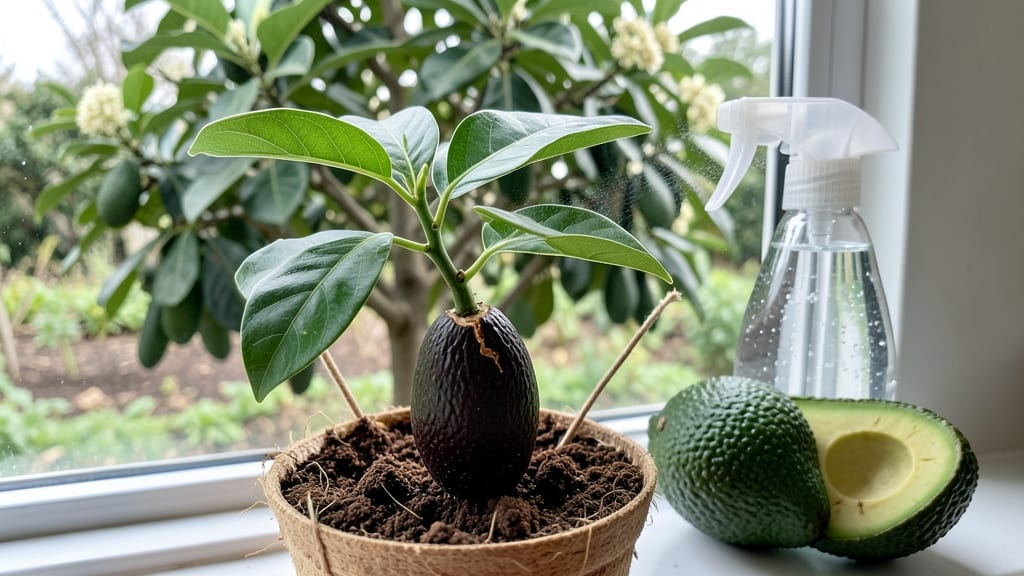
Growing an avocado tree from seed to fruit in just 12 months sounds like magic, but it’s all about patience and the right conditions. 🌱 I’ve watched kitchen scraps turn into towering plants that actually produce fruit—though don’t expect gourmet avocados right away.
The journey starts with a single seed, and with consistent care, you’ll see those first leaves turn into a real tree.
The secret lies in mimicking the tropical climate avocados love—warmth, humidity, and bright light. You’ll need a pot with drainage, well-draining soil, and a spot where it gets at least 6 hours of sunlight daily.
Watering is key: keep the soil moist but never soggy, and prune early to encourage a strong structure. Most seeds take 2-4 weeks to sprout, and by month 12, you might just spot tiny flowers.
By the end of the year, your avocado tree could be 3-4 feet tall with a sturdy trunk. The fruit won’t be ready for eating yet—it’ll take years—but you’ll have a stunning ornamental plant.
The real reward? Watching it grow, knowing you nurtured it from a simple seed. Here’s how to keep it thriving through every stage.
This method works best in zones 9-11, but even cooler climates can grow avocados as houseplants. Just be patient—some trees take 5-10 years to fruit, but the journey is half the fun. Let’s get that seed sprouting!
📚 In This Guide
- What you need
- Instructions
- Tips and common mistakes
- Wrapping up and next steps
What you need
- ● Avocado seed: 1 fresh, organic seed (preferably from a Hass avocado—it’s the most common and productive variety).
- ● Glass or jar: 1 wide-mouth container (16–24 oz) with a lid (e.g., a mason jar or large drinking glass).
- ● Toothpicks or chopsticks: 3–4 toothpicks to suspend the seed.
- ● Water: Room-temperature, filtered water (enough to cover 1–2 inches of the seed’s base).
- ● Well-draining potting soil: 1 bag (10–15 lbs) of high-quality, organic potting mix (avoid garden soil—it’s too dense).
- ● Small pot: 1 nursery pot (6–8 inches in diameter) with drainage holes.
- ● Spray bottle: 1 for gentle watering (to avoid disturbing roots).
- ● Fertilizer: 1 balanced, water-soluble fertilizer (e.g., 10-10-10 NPK ratio) or organic options like fish emulsion.
- ● Pruning shears: 1 pair for trimming (once the tree grows taller).
- ● Grow lights: 1–2 LED grow lights (if natural light is limited, especially in winter).
- ● Humidity dome: 1 plastic cover or greenhouse kit to retain moisture during early growth.
- ● Soil moisture meter: 1 to monitor water levels without over-saturating.
- ● Epsom salt: A small bag for magnesium boosts (mix 1 tbsp per gallon of water monthly).
- ● Compost or worm castings: To enrich soil naturally (mix 1 cup into potting soil).
- ● Trellis or stake: 1 lightweight support as the tree grows (6+ months in).
Step-by-step guide to growing an avocado tree from seed to fruit
Here’s how I turn a simple seed into a thriving avocado tree ready for fruit.
🌱 Step 1: Prepare and Plant the Avocado Seed
Start with a fresh avocado pit—no need to dry it out. I like to clean off any remaining fruit with a damp paper towel, then let it air-dry for a day. Next, insert 3-4 toothpicks around the pit, about ¼ inch from the edges, to suspend it over a small cup filled with 2-3 inches of water. The bottom ⅓ of the pit should sit in the water while the top stays dry.
Place the cup in a warm, bright spot (not direct sun) and change the water every 3-4 days. You’ll see roots emerge from the bottom in 2-6 weeks. Once roots reach 2-3 inches, they’re ready for the next step. Here’s the thing—if mold appears on the water, dump it and start fresh. Mold means bacteria, and that’ll rot your seed before it sprouts.
🪴 Step 2: Transplant the Sprouted Seed into Soil
Now that roots are strong, fill a 6-inch pot with well-draining potting mix—I mix 50% potting soil with 50% perlite to keep roots aerated. Dig a small hole, then place the pit so the roots sit just below the soil line and the top ⅓ of the pit remains exposed. This prevents rot while encouraging a straight stem.
Water lightly until the soil feels moist but not soggy. Place the pot in bright, indirect light (a south-facing window works well). In 2-4 weeks, you’ll spot a sprout breaking through the soil. That’s your first true leaf—don’t cover it or move the pot. Consistency is key here. Overwatering now will drown the delicate sprout.
☀️ Step 3: Care for the Young Seedling
Once the seedling reaches 6 inches tall, it’s time to fertilize. Use a balanced, water-soluble fertilizer (like 10-10-10) at ½ strength every 4-6 weeks. Keep the pot in bright, indirect light for now—direct sun can scorch tender leaves. You’ll know it’s thriving when new leaves appear every 2-3 weeks and the stem stays sturdy.
When the seedling hits 12 inches, it’s ready for its first pruning. Pinch off the top set of leaves to encourage bushier growth. This is where patience pays off—avocado trees grow slowly. If you see yellow leaves, it’s usually overwatering. Let the top 1 inch of soil dry out before watering again. Underwatering? The leaves will curl inward—that’s your cue to water deeply.
✂️ Step 4: Transition to Outdoor Conditions
After 6-12 months indoors, your avocado tree should be 18-24 inches tall with a sturdy stem. If you live in a USDA Zone 10-11, it’s safe to plant it outdoors now. Choose a spot with partial shade and well-draining soil. Dig a hole twice as wide as the pot but the same depth. Gently remove the seedling, loosen the roots, and place it in the hole.
Backfill with soil, water deeply, and mulch around the base to retain moisture. If you’re in a cooler zone, keep it in a large pot and bring it indoors when temperatures drop below 50°F. Avocado trees are tropical—they won’t survive frost. Watch for new growth in spring as a sign it’s adjusting. This is also when you’ll start seeing tiny flower buds (if you’re lucky!).
🍈 Step 5: Encourage Fruit Production
For fruit to form, your tree needs full sun (6+ hours daily) and consistent care. Once established, fertilize every 2 months with a citrus/avocado-specific fertilizer. Prune lightly in late winter to remove dead branches and shape the tree. You’ll know it’s mature enough for fruit when it’s 3-5 years old—yes, it takes time. But here’s the exciting part: small green flowers appear in spring, and if pollinated (avocado trees are self-pollinating but need warmth), you’ll get tiny avocados by fall.
Harvest when the fruit easily detaches from the tree and feels slightly soft. Ripening happens off the tree—store at room temperature until ready to eat. Real talk: Homegrown avocados from seed rarely match store-bought in size or flavor, but the process is rewarding. Plus, you’re growing a living heirloom—something store-bought can’t compete with.
Tips & tricks for growing avocado trees from seed
Here's what I've learned after watching dozens of seeds sprout—and fail—to help you avoid the common pitfalls.
Root Development Watch: Those 2-6 weeks waiting for roots to appear can feel endless, but don't rush it! The roots need to reach 2-3 inches before transplanting. I've seen people move too soon and the delicate roots get damaged. Wait until you see firm, white roots that look like tiny fingers—this means they're strong enough to handle soil.
Lighting Strategy: Avocado seedlings are finicky about light. In Step 2, when you place your pot in bright, indirect light, I recommend rotating the pot a quarter turn every few days. This prevents the seedling from leaning toward one light source, which creates a weak, crooked stem. A south-facing window is perfect, but if your windows are small, supplement with a grow light for 12-14 hours daily.
Fertilizer Timing: The 4-6 week schedule for fertilizer is crucial, but here's what nobody tells you—start with even weaker strength (¼ strength) for the first application. Young roots are sensitive, and too much fertilizer can burn them. After that first application, you can gradually increase to ½ strength as the seedling establishes itself. This gradual approach prevents shock and helps the tree grow stronger over time.
Transplanting Transition: When moving your 6-12 month old tree outdoors in Step 4, harden it off first. Take it outside for just 1 hour on day one, then gradually increase time over 7-10 days. This helps prevent shock from temperature changes. Also, if you're in a cooler zone, don't be afraid to keep it in a large pot—many avocado trees thrive as container plants for years, especially if you bring them indoors when temperatures drop below 50°F.
Pro Tips for Avocado Tree Seed To Fruit
- Here's what I've learned after watching dozens of seeds sprout—and fail—to help you avoid the common pitfalls.
- Root Development Watch: Those 2-6 weeks waiting for roots to appear can feel endless, but don't rush it!
- Lighting Strategy: Avocado seedlings are finicky about light.
Frequently asked questions
Got questions about growing an avocado tree from seed? You’re not alone! Here are some of the most common queries—and their answers—to help you navigate your avocado tree seed-to-fruit journey with confidence.
How long does it take for an avocado seed to sprout?
Patience is key! Most avocado seeds sprout within 2–6 weeks when kept in warm, moist conditions. If you’ve followed the soaking and planting steps correctly but see no signs of life after 6 weeks, gently check for mold or rot. If the seed feels mushy, it may have spoiled—try another seed!
Will my avocado tree actually produce fruit in 12 months?
Unlikely! While you can grow an avocado tree from seed, it typically takes 5–13 years to bear fruit. The "12-month" timeline in this guide refers to growing a small seedling (not a fruiting tree). For faster results, consider grafting or buying a young tree from a nursery.
Can I grow an avocado tree indoors?
Yes, but with caveats! Avocado trees thrive indoors as houseplants, especially in USDA Zones 9–11. Place it near a sunny window (south-facing is ideal) and rotate it weekly for even growth. If you want fruit, eventually move it outdoors to a warm, sheltered spot. Just be prepared for slower growth indoors.
Why is my avocado seed rotting?
Rotting usually happens from too much moisture or poor drainage. If your seed feels soft or smells foul, it’s overwatered. To fix it:
- Remove the seed from water.
- Let it dry for 1–2 days in a warm spot.
- Replant in fresh, well-draining soil (like a mix of perlite and potting soil).
What’s the best climate for growing an avocado tree?
Avocado trees love warmth and humidity—think tropical or subtropical climates (like California, Florida, or Hawaii). They hate frost (below 28°F) and struggle in cold winters. If you live in a colder zone, grow it in a large container and bring it indoors during winter.
Wrapping up and next steps
Growing an avocado tree from seed to fruit is a rewarding journey that blends patience, care, and a touch of green-thumb magic! 🌱 While it may take 12 months or longer to see your first fruit, every step—from sprouting that seed to nurturing a thriving plant—is a testament to your dedication.
Whether you’re a beginner or a seasoned gardener, this process is a fantastic way to connect with nature and enjoy homegrown goodness.
Ready to take the next step? Start small—plant that seed today, and watch your avocado tree grow! Share your progress with fellow gardening enthusiasts, or explore advanced tips like pruning or soil enrichment to maximize your tree’s potential. Happy growing! 🌟