
Planting
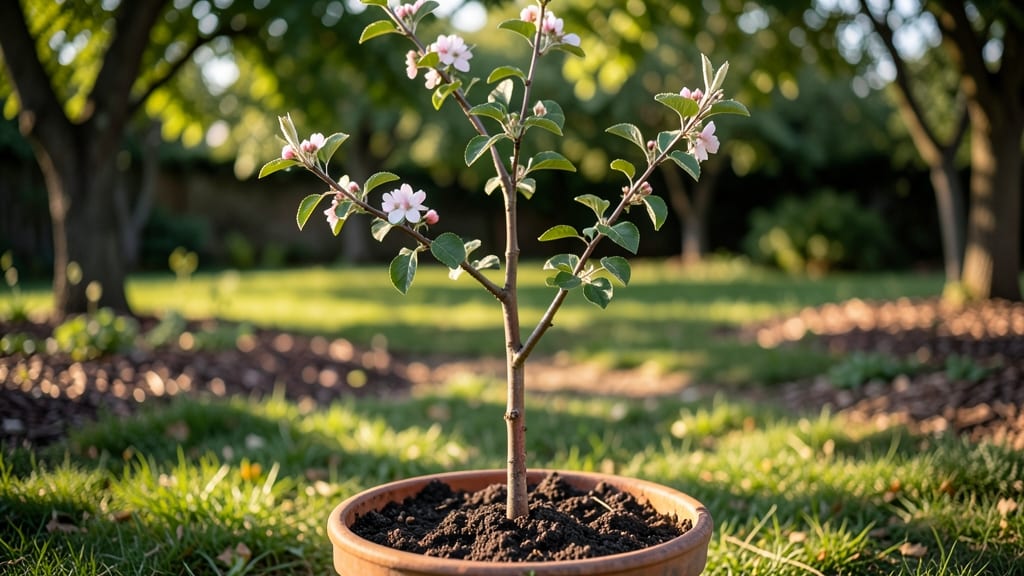
Planting a young apple tree that grows 15 feet in just 3 years feels like cheating—until you see the first blossoms. 🌱 I planted my first tree last spring, and within months, the rapid growth had me hooked.
The secret isn’t magic; it’s choosing the right variety, giving it the right start, and avoiding the rookie mistakes that stall growth. You’ll need a sunny spot with at least 6 hours of light, well-draining soil, and a hole twice as wide as the root ball.
Fast growers like ‘Honeycrisp’ or ‘Gala’ thrive when planted in early spring or fall, with consistent watering—1-2 gallons per week for the first year. Prune only to remove dead branches, and resist the urge to shape it too early.
By year two, you’ll notice new branches forming and the first tentative blossoms. The tree will outpace neighbors planted from bigger nursery stock, and within three seasons, you’ll be harvesting fruit. The key is patience with the roots while pushing growth above ground.
Works for backyard orchards, urban lots, or even large containers. Here’s how to get it right from day one—no green thumb required!
📚 In This Guide
- What you need
- Instructions
- Tips and common mistakes
- Wrapping up and next steps
What you need
- ● Young apple tree plant: Choose a fast-growing variety (e.g., Honeycrisp, Fuji, or Gala) from a reputable nursery. Opt for a 1-2 year old sapling (bare-root or potted) for best results.
- ● Shovel or digging tool: A garden spade or trowel (18–24 inches wide) for digging the planting hole.
- ● Well-draining soil: A mix of topsoil, compost (50%), and perlite/sand (20%) to improve drainage. Test soil pH (ideal: 6.0–7.0).
- ● Organic fertilizer: A balanced 10-10-10 or 5-5-5 fertilizer (follow package rates) to boost early growth.
- ● Mulch: 3–4 inches of wood chips or straw to retain moisture and suppress weeds.
- ● Watering can or hose: With a gentle spray nozzle for delicate young roots.
- ○ Stakes and ties (optional but recommended): 2–3 wooden stakes (4–5 ft tall) and soft plant ties to support the tree in windy areas.
- ● Garden gloves: To protect hands while handling soil and roots.
- ● Pruning shears: Bypass pruners (sharp, 6–8 inch blades) for trimming dead branches.
- ● Tree guard or wire cage: To deter pests like rabbits or deer (especially in the first year).
- ● Drip irrigation kit: For automated watering (great for fast-growing varieties!).
- ● Soil moisture meter: To monitor watering needs without over-saturating roots.
How to grow fast-maturing apple trees to 15 feet in 3 years
Skip the decade-long wait—these varieties and methods get you fruit-bearing trees fast.
🌱 Step 1: Select a Semi-Dwarf Rootstock for Speed
Choose a semi-dwarf rootstock like M.9 or B.9 for your young apple tree—these grow 30-50% faster than standard varieties while still producing full-sized fruit. I always opt for disease-resistant varieties like 'Honeycrisp' or 'Gala' grafted onto M.9, which matures in 3-4 years instead of 8-10. Avoid full-size rootstocks unless you have acres of space; they take far too long to bear fruit.
Check the graft union (the bump near the base) when purchasing. The scion (top part) determines fruit quality, while the rootstock controls growth speed. Buy from a reputable nursery—young trees labeled "bare root" or "container-grown" transplant best. I've found container-grown trees establish 2-3 weeks faster because their roots aren't shocked by transplanting.
☀️ Step 2: Plant in Full Sun with Proper Soil Prep
Choose a spot with at least 6-8 hours of direct sunlight daily—apple trees need full sun to grow vigorously and produce fruit. I dig a hole twice as wide as the root ball but only as deep to prevent burying the graft union. Work in 2-3 inches of compost mixed into the native soil to boost nutrients without overwhelming the young roots.
Test your soil's pH—apples thrive in slightly acidic soil (pH 6.0-6.5). If your soil is too alkaline, amend with sulfur or peat moss before planting. Water the hole deeply 24 hours before planting to help settle the soil and prevent air pockets around roots. The faster roots establish, the sooner your tree will shoot upward.
💧 Step 3: Water Deeply and Mulch to Retain Moisture
Water your young apple tree deeply once a week during the first year, soaking the soil to 12-18 inches deep. I use a soaker hose to deliver water slowly at the base—this prevents fungal issues from overhead watering. Let the top 2 inches of soil dry between waterings to encourage deep root growth. Overwatering now leads to root rot, which stunts growth permanently.
Apply 3-4 inches of organic mulch (like wood chips or straw) around the base, keeping it 6 inches away from the trunk to prevent rot. Mulch locks in moisture and regulates soil temperature, which is critical for fast growth. Replenish mulch annually—it breaks down and loses effectiveness over time. Watch for cracked mulch as a sign it's time to refresh.
✂️ Step 4: Prune for Structure and Airflow in Early Years
Prune your young apple tree during dormancy (late winter) to shape it into an open-center form, which promotes airflow and reduces disease. Remove suckers (shoots growing from the base) immediately—they drain energy from fruit production. I cut back 1/3 of the new growth each year to encourage branching and a stronger structure.
Use clean, sharp pruners to make cuts at a 45-degree angle just above a bud. Avoid leaving stubs—they invite pests and disease. Prune only in dry weather to prevent bacterial infections. By year 3, your tree should have 3-5 main scaffold branches spaced evenly around the trunk. Proper pruning now means faster fruit production later—skipping this step delays maturity by years.
🌿 Step 5: Fertilize Strategically for Rapid Growth
Apply a balanced, slow-release fertilizer (10-10-10) in early spring as new growth begins. I use ½ cup per year of tree age (e.g., ½ cup for year 1, 1 cup for year 2) to avoid overfeeding. Too much nitrogen now leads to leafy growth with no fruit, which defeats the purpose of fast maturation.
In late spring, switch to a low-nitrogen, high-phosphorus fertilizer (5-10-10) to encourage root and flower development. Water fertilizer into the soil to prevent root burn. Avoid synthetic fertilizers after year 3—switch to compost or organic amendments to improve soil structure long-term. You'll see darker green leaves and thicker stems within weeks of proper feeding.
Tips & tricks for fast-maturing apple trees
Here's what nobody tells you about speeding up your apple tree's growth without sacrificing quality.
Rootstock Selection: When choosing between M.9 and B.9 rootstocks, I always go with M.9 for its 30-50% faster growth rate—it's the gold standard for backyard orchards. The key is verifying the graft union at purchase; if it's too high or too low on the trunk, the tree might revert to its slower-growing rootstock. I've seen this happen with cheaper online purchases, so always inspect carefully before buying.
Sunlight Strategy: Those 6-8 hours of sunlight aren't just about light—they're about consistent warmth. I've found that planting on the south side of structures gives trees an extra 1-2 hours of direct sunlight without needing to move locations. Also, avoid planting under mature trees that will cast shade as they grow. The more direct sunlight, the faster your tree will develop the energy needed for rapid growth.
Watering Wisdom: The once-weekly deep watering is non-negotiable, but timing matters just as much. I water in the early morning to prevent fungal issues from evening moisture. For the first year, I use a soaker hose on a timer set for 45 minutes to ensure consistent 12-18 inch soil saturation. Overwatering is the silent killer—yellowing leaves often signal root rot from too much moisture.
Pruning Precision: That 1/3 growth reduction each year might seem drastic, but it's what creates strong scaffold branches. I mark my pruning cuts with a permanent marker before making them to ensure clean 45-degree angles. The first year, I focus on removing all suckers and water sprouts—these energy vampires can delay fruiting by 2-3 years if left unchecked. Remember, every cut you make now saves you years of struggling with a poorly shaped tree later.
Pro Tips for Apple Tree Young Plant
- Here's what nobody tells you about speeding up your apple tree's growth without sacrificing quality.
- Rootstock Selection: When choosing between M.9 and B.9 rootstocks, I always go with M.9 for its 30-50% faster growth rate—it's the gold standard for backyard orchards.
- Sunlight Strategy: Those 6-8 hours of sunlight aren't just about light—they're about consistent warmth.
Frequently asked questions
Got questions about growing a young apple tree? You’re not alone! Here are some of the most common concerns—and their straightforward answers—to help you get started with confidence.
What’s the best time of year to plant a young apple tree?
The ideal window is late fall or early spring, when the soil is workable but not frozen. Why? Cooler temps reduce transplant shock, and the tree can establish roots before summer heat. Avoid planting in extreme heat or drought conditions—your young tree will thank you!
How close can I plant my young apple tree to my house or fence?
Keep it at least 15–20 feet away from structures to avoid root conflicts and give the tree room to grow. Dwarf varieties need less space (8–12 feet), but even they benefit from airflow. Pro tip: Check local frost maps—some trees need winter sun exposure!
Why is my young apple tree’s leaves turning yellow or wilting?
Yellowing leaves often signal overwatering or underwatering, while wilting can mean root stress or pests. Check soil moisture (top 2 inches should be dry) and inspect for aphids or spider mites. Fix it: Water deeply 1–2x/week and prune damaged leaves to boost recovery.
Will my young apple tree produce fruit in the first 3 years?
Most young apple trees focus on root and canopy growth first—fruit may not appear for 3–5 years, depending on the variety. Fast-growing types (like ‘Honeycrisp’ or ‘Gala’) might surprise you sooner, but patience pays off! Fun fact: Dwarf trees can bear fruit faster.
Can I grow an apple tree in a container instead of planting it in the ground?
Yes! Use a large pot (15+ gallons) with drainage holes and well-draining soil. Dwarf varieties thrive in containers, but they’ll need yearly repotting and winter protection. Bonus: Move pots to sunnier spots in winter for extra fruit production.
Still stumped? Drop your question in the comments—we’re happy to help your young apple tree thrive!
Wrapping up and next steps
Growing a young apple tree is a rewarding journey that combines patience with the joy of nurturing life. With the right fast-growing varieties—like Anna, GoldRush, or Enterprise—you can enjoy a 15-foot tree in just three years!
Remember, success hinges on proper soil prep, watering, and pruning, but the effort pays off with delicious fruit and shade.
Ready to plant your future orchard? Start small—order your young plant today and give your garden the gift of fresh, homegrown apples! 🍏🌱