
Plants
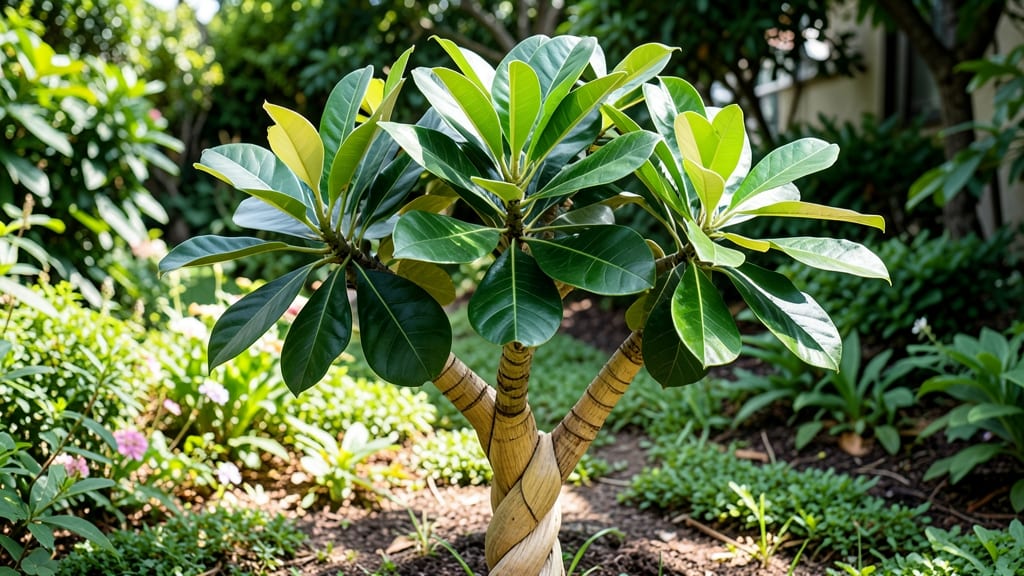
A money tree plant needs bright indirect light for healthy growth, about 4-6 hours daily, to keep its iconic braided stems vibrant and its leaves lush.
Struggling to keep your money tree 🌿 thriving? Light exposure is the secret ingredient—too much sun scorches its leaves, while too little dims its iconic braided stems. Here’s the exact lighting balance your plant craves to grow lush and vibrant.
Most beginners assume these tropical plants love direct sunlight, but that’s a common misconception. Your money tree actually thrives near east or north-facing windows, where gentle morning light prevents leaf burn while providing enough energy for steady growth.
Below, I’ll break down the ideal light conditions, how to spot signs of over- or under-exposure, and the best spots in your home to place it for maximum health—no guesswork required.


Ideal light requirements for a healthy money tree plant
The money tree plant (Pachira aquatica) thrives in bright indirect light, making it perfect for indoor spaces near windows. Unlike sun-loving plants, direct sunlight can scorch its leaves, while too little light causes leggy growth.
Finding the right balance ensures your plant grows lush with its signature braided stems and vibrant foliage.
Your money tree needs about 4-6 hours of bright indirect light daily. This means placing it near an east or north-facing window where sunlight filters through sheer curtains. South-facing windows can work too, but avoid harsh afternoon sun to prevent leaf burn.
Visual indicators help gauge if your money tree is getting the right light. Healthy leaves are deep green and glossy, while yellowing or pale leaves signal insufficient light. Brown patches or crispy edges mean it’s getting too much direct sun.
Here’s how to visualize the perfect light conditions for your money tree:
If your home lacks natural light, grow lights are a game-changer. Place a full-spectrum LED grow light 6-12 inches above your money tree for 8-12 hours daily. This mimics natural sunlight and prevents the leggy growth caused by low light.
Rotating your money tree quarter-turn weekly ensures even light exposure. Uneven growth often happens when one side gets more light, causing the plant to lean. This simple habit keeps your money tree symmetrical and sturdy.
For outdoor enthusiasts, money trees can adapt to partial shade outdoors during spring and summer. However, bring it inside before temperatures drop below 60°F to protect its tropical roots. Gradual acclimation prevents shock from sudden light changes.
Monitor your money tree’s response to light adjustments. If leaves yellow after moving it, it might be adjusting to a new light level. Be patient—healthy growth returns within 2-4 weeks of proper light exposure.
Remember, the key to a thriving money tree is consistency. Whether indoors or outdoors, bright indirect light is non-negotiable for its iconic braided stems and lush foliage. With the right light, your money tree will reward you with years of vibrant growth and good fortune—literally and figuratively! 🌿
Signs your money tree isn’t getting enough light (and how to fix it)
Your money tree (Pachira aquatica) thrives on bright indirect light, but when it’s deprived, its health takes a noticeable hit. The first clue is often yellowing leaves, especially on the lower stems, signaling the plant is struggling to photosynthesize efficiently.
Don’t ignore these early warnings—consistent light deprivation leads to more severe issues like stunted growth and weak, spindly stems that lose their iconic braided structure.
Another red flag is leaves dropping prematurely, often starting with the older ones. This isn’t just about aesthetics—it’s your plant’s way of conserving energy. If you notice new growth emerging but quickly wilting or curling, that’s a clear sign your money tree is desperate for more light.
Even the vibrant green leaves may start looking dull or pale, lacking the rich hue they should have when properly nourished.
⚠️ WARNING: How Much Light Does a Money Tree Plant Need? ⚠️
If your money tree is already showing signs of light deprivation, don’t panic—it’s often reversible. Start by moving it to a sunnier spot, like a bookshelf near an east-facing window, where it can bask in gentle morning rays. Rotate the pot every few weeks so all sides get even exposure, preventing lopsided growth. For severe cases, a LED grow light on a timer can mimic natural light cycles and jumpstart recovery.
While adjusting light exposure, monitor your plant’s response closely. Within 2-4 weeks, you should see new leaves emerging with a darker green color and a firmer structure. If growth remains slow, consider repotting into fresh, well-draining soil to support its recovery.
Remember, patience is key—money trees are resilient, and with the right light, they’ll bounce back stronger than ever.
Pro tip: Use a light meter (or your phone’s lux app) to measure light levels. Ideal spots should register between 1,000-3,000 lux. If you’re unsure, start with a west-facing window with sheer curtains—it strikes the perfect balance for most homes.
Avoid basements or rooms with artificial lighting only, as these won’t provide the spectrum your plant needs to thrive.
Finally, resist the urge to overcompensate by moving your money tree to a direct sun spot. Sudden exposure can cause leaf burn, identifiable by crispy, brown edges. Instead, gradually acclimate it to brighter conditions over 1-2 weeks.
With the right light, your money tree will reward you with lush foliage and that coveted braided stem it’s famous for—proof that even indoor plants can shine with the right care.