
Featured
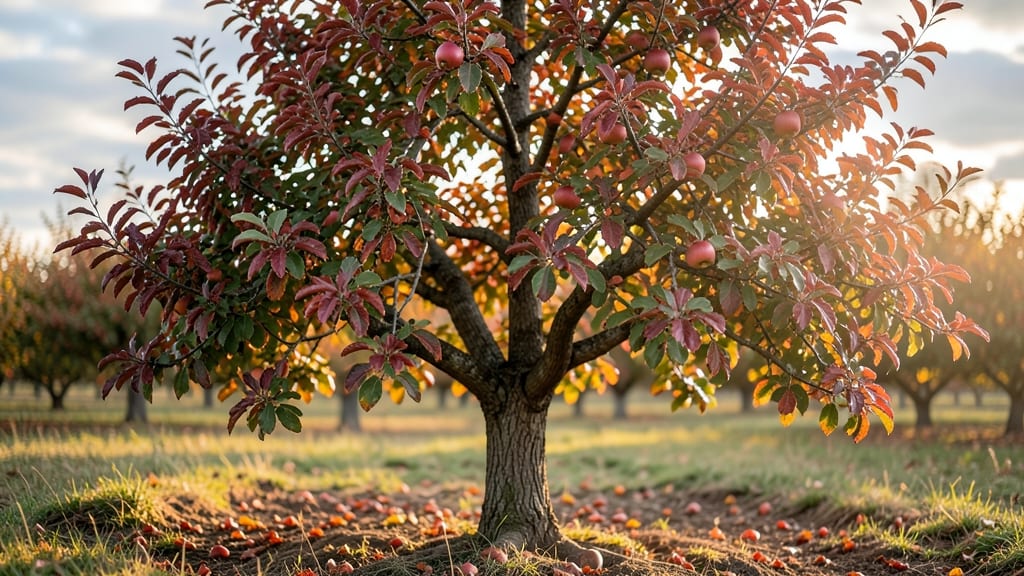
Apple tree leaves turning red isn’t always a problem—sometimes it’s nature’s way of putting on a stunning fall show. 🌿 But when those red leaves appear out of season or with other concerning signs, it could signal stress, disease, or nutrient issues.
I’ve seen my own orchard go from lush green to alarming red patches, and I’ll walk you through how to tell the difference between a beautiful display and something needing attention.
The most common culprits are anthracnose fungus, nitrogen deficiency, or environmental stress like drought or extreme heat. Red leaves often mean the tree is struggling to produce enough chlorophyll, which can happen when roots can’t access water or nutrients properly.
The good news? Many of these issues are fixable with simple adjustments—like pruning affected branches, amending soil with compost, or applying a balanced fertilizer.
You’ll learn to spot the exact type of red (dull vs. vibrant) and where it appears (edges, veins, or entire leaf) to diagnose the problem fast.
Once you identify the cause, I’ll show you how to revive your tree’s health—whether that means adjusting your watering schedule, treating for pests, or improving soil drainage. By the end, your apple tree will be back to its vibrant best, and you’ll know exactly what to watch for next season.
This isn’t just about fixing red leaves—it’s about giving your tree the care it needs to thrive year-round. Whether you’re dealing with a young sapling or a mature orchard, these steps will help you keep your apple tree strong, productive, and stunning in every season.
Let’s get your tree back to its green glory!
Natural Causes Behind Crimson Canopies
Apple tree leaves turning a vibrant red in autumn isn’t just a picturesque coincidence—it’s a fascinating biological process driven by science. Understanding these natural triggers helps you appreciate the seasonal spectacle and even predict when it’ll peak in your orchard.
Here’s why your apple tree’s foliage might be blushing this fall.
When cooler temperatures and shorter daylight hours arrive, apple trees ramp up production of anthocyanins, the pigments responsible for red, purple, and blue hues in leaves. These compounds act like sunscreen and antioxidants, protecting the tree’s cells from oxidative stress during the transition to winter.
- How it works: As chlorophyll (the green pigment) breaks down, anthocyanins flood the leaf veins, creating bold reds, especially in varieties like Red Delicious or Gala.
- Pro tip:💡 Leaves exposed to bright sunlight produce more anthocyanins—so south-facing branches often turn red first!
- Actionable insight: If your tree’s red isn’t as intense as expected, check for shade; prune overgrown branches to improve light penetration.
Apple trees need a mix of cool nights (below 50°F/10°C) and warm days (60–75°F/15–24°C) to trigger optimal color change. A sudden frost or unseasonably warm spell can disrupt this balance, either hastening or dulling the red transformation.
| Condition | Effect on Leaf Color | What to Do |
|---|---|---|
| Rapid temperature drops | Leaves turn red too quickly, then brown prematurely. | Mulch the base of the tree to insulate roots and extend the red phase. |
| Unusually warm autumn | Red hues develop slowly or appear muted (greens/yellows dominate). | Monitor local forecasts; some varieties may need a "cold snap" to peak. |
A healthy apple tree with balanced nutrients is more likely to produce vibrant red leaves. Deficiencies or excesses in key elements can alter pigmentation:
- Nitrogen deficiency: Leaves may turn yellow or red prematurely (a stress signal). Test soil and amend with organic matter if needed.
- Phosphorus excess: Can intensify red hues—ideal for dramatic foliage! Apply bone meal in early fall.
- Stress from pests/disease: If leaves spot or wilt before turning red, address underlying issues (e.g., aphids, fire blight) to preserve autumn color.
🎯 Quick check: Examine a fallen leaf’s underside for pests or discoloration. Healthy red leaves should be crisp, not brittle.
Some apple tree cultivars are genetically predisposed to fiery red foliage, while others lean toward yellow or orange. For example:
- Deep reds: Red Free, Cortland, Jonagold
- Mixed red-orange: Fuji, Honeycrisp
- Subtle red tints: Granny Smith (usually green but may blush in cool climates).
📊 Fun fact: Apple trees in northern climates (e.g., Michigan, Canada) often develop richer reds due to longer, colder autumns.
Revive Your Apple Tree’s Color
Seeing your apple tree’s leaves blush red can be stunning—but if it’s unexpected or excessive, it might signal stress. The good news? Most causes have simple fixes.
Below, we break down the why behind the red and the how to restore balance, whether your tree needs a drink, a trim, or a little extra care. Let’s get your tree thriving again!
If your apple tree’s roots are soggy, leaves may turn red as a distress signal. Waterlogged soil cuts off oxygen, causing root rot and nutrient starvation.
How to Fix It:
🔥 🌱 Improve Soil Drainage
- Test your soil: Dig a 6-inch hole near the tree. If water pools after 30 minutes, drainage is poor.
- Amend the soil with compost, sand, or perlite to loosen heavy clay. Mix in organic matter like peat moss or coconut coir.
🍳 👨🍳 Adjust Watering Habits
- Water deeply 1–2 times per week (depending on climate), ensuring the top 6–12 inches of soil are moist but not soggy.
- Use a soaker hose or drip irrigation to deliver water slowly at the base, avoiding wetting leaves (which spreads disease).
🥘 ⏰ Mulch for Moisture Control
- Apply a 2–3 inch layer of mulch (wood chips, straw, or pine bark) around the tree, keeping it 6 inches away from the trunk. This helps regulate soil temperature and moisture.
💡 Prevention Tips:
- Plant apple trees in well-draining soil or raised beds if your yard is prone to waterlogging.
- Avoid compacting soil around the tree—step carefully near the base.
Intense sunlight or sudden heat waves can scorch leaves, turning them red or crispy along the edges—common in young trees or those suddenly moved to sunnier spots.
How to Fix It:
🔥 🌿 Provide Shade Temporarily
- Use shade cloth (30–50%) or a temporary shade sail for a few weeks to ease stress.
- Place the cloth on the south or west side of the tree (in the Northern Hemisphere) where sun exposure is harshest.
🍳 👨🍳 Water More Frequently
- Increase watering to every 2–3 days during heatwaves, focusing on the root zone.
- Water in the early morning or late evening to reduce evaporation.
🥘 🎯 Prune for Better Airflow
- Thin out dense branches to improve air circulation, reducing heat buildup inside the canopy.
💡 Prevention Tips:
- Acclimate young trees gradually to full sun over 2–3 weeks if moving them.
- Choose heat-tolerant apple varieties like ‘Liberty’ or ‘Enterprise’ for hotter climates.
Reddish-brown spots with yellow halos? Fungal diseases like anthracnose or apple scab thrive in wet, humid conditions, causing leaves to curl, discolor, and drop prematurely.
How to Fix It:
🔥 🔪 Prune Infected Branches
- Remove and dispose of heavily infected leaves/branches (do not compost them). Sterilize pruners with rubbing alcohol.
🍳 👨🍳 Apply Fungicide
- Use a copper-based fungicide or neem oil spray every 7–10 days during wet seasons.
- For organic options, try baking soda spray (1 tbsp baking soda + 1 tsp oil + 1 gallon water).
🥘 🌡️ Improve Airflow & Reduce Humidity
- Space trees 15–20 feet apart to prevent overcrowding.
- Water at the base only (avoid overhead sprinkling).
💡 Prevention Tips:
- Rake and remove fallen leaves in autumn to eliminate fungal spores.
- Plant trees in sunny, well-ventilated spots—fungi love shade and dampness.
Yellowing between leaf veins with red edges? Your tree might be crying out for iron or nitrogen. Poor soil or compacted roots can block nutrient uptake.
How to Fix It:
🔥 📊 Soil Test First
- Send a soil sample to a local extension office for a pH and nutrient analysis. Ideal pH for apple trees: 6.0–7.0.
🍳 👨🍳 Fertilize Smartly
- For iron deficiency: Apply chelated iron or iron sulfate granules to the soil.
- For nitrogen deficiency: Use a balanced fertilizer (10-10-10) in early spring or a slow-release organic option like alfalfa meal.
🥘 🌱 Aerate Compacted Soil
- Use a garden fork to loosen soil around the drip line (where water drips from the canopy).
- Top-dress with compost to boost microbial activity.
💡 Prevention Tips:
- Mulch annually to retain nutrients and improve soil structure.
- Avoid over-fertilizing—too much salt can burn roots.
With these fixes, your apple tree should bounce back in 4–6 weeks, sporting healthier green (or vibrant red!) leaves. Keep an eye on it, and don’t hesitate to adjust care as seasons change. Happy gardening! 🌳🍏
Frequently asked questions
Is it normal for apple tree leaves to turn red in spring?
No, red leaves in spring are almost always a sign of stress—not a healthy seasonal change. Spring redness typically indicates nutrient deficiencies (like nitrogen or phosphorus), fungal infections (such as anthracnose), or environmental stress like drought or frost damage. Check for other symptoms like yellowing, spots, or wilting to pinpoint the issue.
Can I save my apple tree if half the leaves are turning red?
Yes, but act quickly! Start by identifying the cause—waterlogged soil, nutrient deficiency, or disease—and address it immediately. Prune affected branches to improve airflow, apply a balanced fertilizer (like 10-10-10), and ensure proper watering (deep but not soggy). With prompt care, most trees recover within 4-6 weeks, though severe cases may need professional help.
Why do some apple tree varieties turn red while others stay green?
Genetics play a huge role! Varieties like Red Delicious or Cortland naturally produce more anthocyanins (the red pigment) in autumn due to their breeding. Other factors include sunlight exposure (more sun = brighter reds) and climate—northern climates often see richer colors. Even within the same tree, south-facing branches may turn red first because of increased light.
Will red leaves affect my apple harvest?
Not necessarily! If the redness is seasonal (autumn) and the tree is otherwise healthy, it won’t harm fruit production. However, red leaves caused by stress (disease, drought, or poor nutrition) can weaken the tree, potentially reducing yield or fruit quality. Monitor for other signs like smaller apples or delayed ripening, and address any underlying issues promptly.
How can I tell if red leaves are from disease vs. natural autumn color?
Look for these clues: Disease-related redness often appears with spots, curling, or premature leaf drop, while natural autumn color is usually uniform and crisp. Check the leaf undersides for pests or fungal growth. Also, note the timing—healthy autumn redness happens gradually in fall, while stress-related redness can appear anytime, even mid-summer.