
Pruning
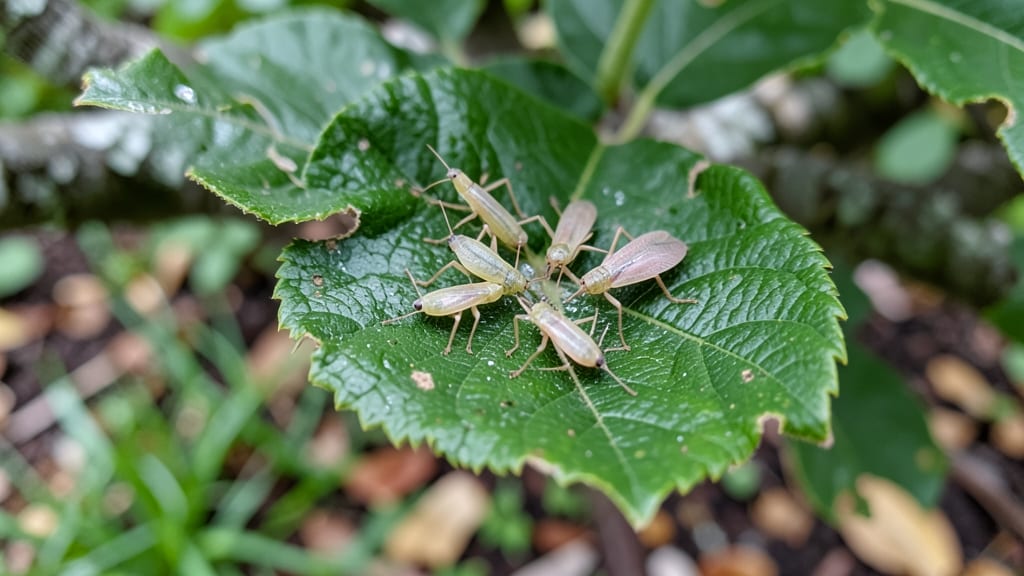
Apple tree leaf bugs are the sneaky pests that turn your tree’s lush foliage into a skeleton in weeks—unless you act fast. 🌿 I’ve battled aphids, leafhoppers, and mites on my own orchard, and these natural remedies actually work without harsh chemicals.
The key is catching them early, when the damage is still small and reversible.
These bugs don’t just nibble—they inject toxins, causing yellowing leaves, curled edges, and sticky residue that attracts ants. My first year, I ignored the tiny specks on the undersides of leaves until half my harvest was at risk.
Now, I check weekly for telltale signs: tiny holes, webbing, or clusters of bugs scurrying away when I shake the branches.
You’ll learn how to blast them off with soapy water sprays (mix 1 tablespoon mild dish soap with 1 quart water) or introduce beneficial predators like ladybugs and lacewings.
Pruning damaged leaves early stops the spread, and neem oil applied at dusk keeps them from returning. The results? A tree that stays green, healthy, and productive all season.
Works for backyard orchards, container-grown trees, or even a single apple tree in your yard. No more helplessly watching your harvest disappear—just a few simple steps to reclaim your tree’s strength. Let’s get started!
Root Causes of Leaf Damage
When your apple tree’s leaves start showing signs of distress—speckled patterns, holes, or sticky residue—it’s often a sign that tiny pests are at work. Understanding why these issues arise helps you tackle the problem at its source.
Below, we break down the most common culprits and the science behind their behavior.
Many apple tree leaf bugs, like aphids, psyllids, and mites, thrive by feeding on sap. When their numbers explode, they leave behind:
- Sticky honeydew: A sugary waste product that attracts sooty mold (a black fungal growth).
- Yellowing or curled leaves: Sap-sucking insects disrupt nutrient flow, causing chlorosis (loss of green pigment).
- Stunted growth: Heavy infestations weaken the tree’s ability to photosynthesize.
Why it happens: Warm springs and dense foliage create ideal breeding grounds. Without natural predators (like ladybugs or birds), populations surge uncontrollably. Pro tip: 💡 Prune in late winter to reduce hiding spots and improve airflow, making the tree less hospitable to pests.
Some leaf bugs, like the apple leafhopper, don’t just feed—they spread pathogens. Their saliva can introduce:
- Fire blight (bacterial): Causes blackened, wilted leaves and fruit.
- Apple scab (fungal): Creates olive-green spots on leaves that turn gray and fuzzy.
Why it happens: Bugs act as vectors, transferring spores or bacteria from infected to healthy plants. Moist, humid conditions (like spring rains) amplify spread. Pro tip: ✨ After pruning infected branches, sterilize tools with a 1:10 bleach-water solution to prevent cross-contamination.
Heatwaves, drought, or poor soil can stress apple trees, making them more vulnerable to pests. Stressed trees = easy targets.
- Drought stress: Reduces sap pressure, making leaves more appealing to sap-feeders.
- Nutrient deficiencies: Lack of nitrogen or potassium weakens cell walls, inviting mites and borers.
- Compacted soil: Limits root growth, starving the tree and attracting secondary pests.
Why it happens: Poor root health disrupts the tree’s defenses. For example, two-spotted spider mites thrive in dry conditions because they can’t survive high humidity. Pro tip: 🌡️ Monitor soil moisture with a probe and mulch with wood chips to retain moisture and regulate temperature.
By addressing these root causes—whether through cultural practices, targeted pruning, or biological controls—you can break the cycle and restore your apple tree’s health. The key? Act early before minor issues escalate into full-blown infestations.
Simple Fixes for Leaf Bug Woes
Tiny invaders like leaf bugs (or other sap-sucking pests) can turn your apple tree’s vibrant foliage into a sad, speckled mess—but don’t worry! With the right approach, you can restore your tree’s health naturally and keep future outbreaks at bay.
Below, we’ve mapped out practical solutions for each common cause, from quick fixes to long-term prevention.
If you catch the problem early, physical removal is often the fastest way to stop the spread.
H3: 👨🍳 Step-by-Step Bug Hunt
- Timing is key – Target bugs in the early morning or late evening when they’re sluggish (they’re less likely to scatter).
- Shake and spray – Hold a white sheet or towel beneath the tree and gently shake branches to dislodge bugs. Drop them into soapy water to kill them instantly.
- Handpick stubborn clusters – Use gloves and tweezers to pluck bugs from leaves, especially under foliage where they hide.
- Dispose properly – Never toss bugs into compost! Burn them or flush them down the toilet to prevent reinfestation.
💡 Pro Tip: Focus on new growth and undersides of leaves—these are hotspots for leaf bugs.
Chemical pesticides can harm beneficial insects and leave residues. Instead, try these eco-friendly sprays that disrupt bugs’ life cycles without harming your tree.
H3: 🍳 Homemade Recipes That Work
| Solution | How to Use | Best For |
|---|---|---|
| Neem Oil Spray | Mix 1 tsp neem oil + 1 tsp mild soap + 1 quart water. Spray every 5–7 days until bugs vanish. | All stages (eggs, nymphs, adults) |
| Insecticidal Soap | Use store-bought or DIY (1 tbsp castile soap + 1 quart water). Spray directly on bugs (avoid hot sun). | Active adults (not eggs) |
| Garlic & Chili Pepper Spray | Blend 4 garlic cloves + 1 tbsp cayenne + 1 quart water. Strain and spray. | Deters bugs with strong scent |
| Horticultural Oil | Apply in early spring or fall (when temps are 50–85°F) to smother eggs. | Eggs and overwintering pests |
🔥 Application Tips:
- Spray undersides of leaves (where bugs hide).
- Reapply after rain—natural sprays wash off quickly.
- Test a small branch first to ensure no leaf burn.
A strong apple tree resists pests better. Focus on soil, water, and nutrition to make your tree less appealing to bugs.
H3: 🌱 Long-Term Care Routine
- Water deeply but infrequently – Drought-stressed trees attract more pests. Water at the base (not leaves) to avoid fungal issues.
- Mulch properly – Use 2–3 inches of organic mulch (wood chips, straw) to retain moisture and block weeds (which harbor bugs).
- Fertilize smartly – Use a balanced, slow-release fertilizer in early spring. Over-fertilizing with nitrogen can attract soft-bodied pests.
- Prune for airflow – Remove dense or crossing branches to reduce humidity (bugs love damp, shaded spots).
- Encourage predators – Plant nearby flowers (like marigolds or dill) to attract ladybugs, lacewings, and birds, which eat leaf bugs naturally.
🎯 Prevention Calendar:
- Early spring: Apply horticultural oil + prune.
- Summer: Spray neem oil monthly if bugs reappear.
- Fall: Rake up fallen leaves (bugs hide in them over winter).
If bugs persist after 2–3 weeks of treatment, it’s time to escalate:
- Severe infestations: Try pyrethrin-based sprays (derived from chrysanthemums) as a last resort.
- Professional help: If your tree is young, valuable, or heavily infested, consult an arborist or organic pest control expert.
🌟 Final Reminder: Consistency is key! Check your tree weekly during peak bug seasons (spring to early summer) to catch issues early. With these steps, your apple tree will bounce back healthier than ever—and those pesky leaf bugs won’t stand a chance! 🍏💪
Frequently asked questions about apple tree leaf bugs
What do apple tree leaf bugs look like?
Common culprits include tiny green or black aphids, pale yellow spider mites, or tiny brown leafhoppers. Look for clusters on leaf undersides or webbing between branches. Aphids are 1/16-inch soft-bodied, while mites are barely visible without magnification. Use a magnifying glass if needed!
Can leaf bugs kill my apple tree?
Not directly, but severe infestations weaken trees by disrupting nutrient flow and spreading diseases. Heavy aphid populations can cause leaf drop, while mites may stunt growth. The real danger is secondary infections like sooty mold from honeydew. Act fast to prevent long-term damage!
Why do bugs keep coming back after treatment?
Most sprays only kill visible bugs—not eggs or nymphs hiding in crevices. Apply neem oil or horticultural oil in early spring and fall to target overwintering eggs. Also check nearby plants (like roses or fruit trees) that may be harboring pests.
Are there any bugs that actually help control leaf bugs?
Ladybugs, lacewings, and parasitic wasps are natural predators. Plant dill, fennel, or marigolds nearby to attract them. Even birds and spiders help—just avoid using broad-spectrum pesticides that kill these beneficial allies.
How often should I check my apple tree for bugs?
Inspect leaves weekly during growing season (spring to early fall). Focus on new growth and leaf undersides where bugs hide. Early detection gives you the best chance to prevent outbreaks before they spread.