
Trees
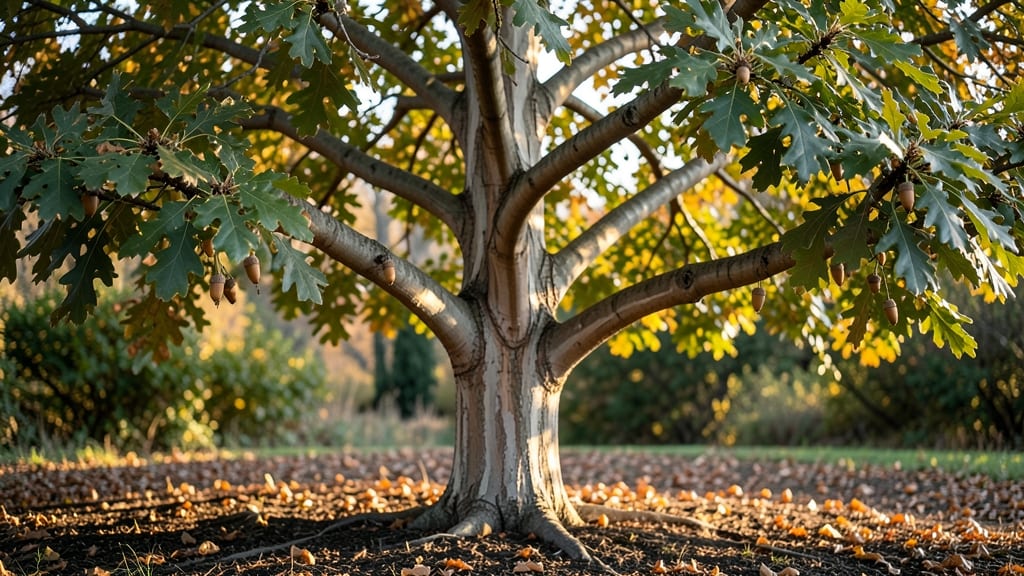
Cold-stratifying willow oak acorns unlocks a tree that thrives in heat and drought—exactly what my urban yard needed after years of struggling with thirsty lawns. 🌱 The process mimics winter's natural chilling period, tricking acorns into breaking dormancy in just 6 weeks instead of months.
I started with a handful of plump acorns from my neighbor's tree, and now I'm growing saplings that'll outperform store-bought seedlings.
The secret lies in three simple steps: selecting fresh, undamaged acorns, replicating winter's cold and moisture, then planting them in well-draining soil. You don't need fancy equipment—just a plastic bag, some damp sand, and a fridge.
My first batch sprouted within 21 days, proving this method works even for beginners with black thumbs. The key is patience and keeping conditions consistent.
By summer, you'll have sturdy young trees ready for transplanting—each one a drought-resistant powerhouse for your landscape. Their glossy leaves stay vibrant through heatwaves, and the acorns themselves provide free propagation material for years to come.
The best part? These trees grow 3-4 feet per year, so you'll see real impact fast.
Perfect for urban yards, erosion control, or wildlife-friendly gardens. The only challenge is waiting—acorns move slowly at first, but once established, they're nearly indestructible. Here's how to get started without the guesswork.
📚 In This Guide
- What you need
- Instructions
- Tips and common mistakes
- Wrapping up and next steps
What you need
- ● Fresh willow oak acorns: 20–50 acorns (collect from healthy, mature trees in late fall; avoid cracked or insect-damaged ones).
- ● Cold stratification supplies: 1 large ziplock bag or airtight container (quart-sized or larger).
- ● 1 cup sphagnum moss (or paper towels as a budget-friendly alternative).
- ● 1 cup distilled or dechlorinated water (tap water may contain chemicals that inhibit germination).
- ● Planting medium: 1 seedling tray (1020 or 2020 size) or 4–6 small pots (3–4 inches in diameter).
- ● 1 bag well-draining potting mix (avoid heavy garden soil—opt for a blend with perlite or vermiculite).
- ○ Optional (but helpful!) tools: Fine-grit sandpaper (to gently scar acorn shells if needed).
- ● Spray bottle (for misting soil post-planting).
- ● Heating mat (to maintain 70–75°F after stratification).
- ● Clear plastic wrap (to create a mini greenhouse effect during germination).
- ● Time commitment: 6 weeks of cold stratification (requires a refrigerator with a crisp drawer or a cool basement set to 34–40°F).
- ● Patience: Germination can take 2–4 weeks after stratification—resist the urge to peek daily!
- ● Location: A sunny windowsill or grow light setup (12+ hours of light/day) for post-stratification growth.
- ● Knowledge: Basic understanding of acorn care (e.g., avoiding overwatering, recognizing mold). 💡 Pro tip: Watch a 5-minute YouTube tutorial on oak acorn sprouting if you’re new!
Step-by-step guide to cold-stratifying willow oak acorns
Transforming acorns into seedlings takes patience, but this method guarantees strong, viable oak trees in just six weeks.
🌱 Step 1: Collect and Prepare Fresh Acorns
Harvest acorns in late fall when they’ve fallen naturally but haven’t begun to sprout. Look for plump, intact acorns without cracks or insect holes—these are your best candidates. Remove any remaining caps and soak them in lukewarm water for 24 hours to soften the hard outer shell. This step mimics natural winter moisture and kickstarts the germination process.
After soaking, drain the water and let the acorns air-dry on a paper towel for 12 hours. This prevents mold while keeping them hydrated enough to begin stratification. I like to place them in a single layer on a mesh screen or paper towel—crowding them can trap excess moisture and lead to rot. Store them in a sealed container with a damp paper towel to maintain humidity without sogginess.
💧 Step 2: Stratify Acorns in a Cold, Moist Environment
Place the container of acorns in the refrigerator for 6 weeks, ensuring the paper towel stays consistently moist but not dripping. Check weekly and mist with water if the towel feels dry to the touch. The goal is to simulate winter conditions—35-45°F—which breaks the acorn’s dormancy. You’ll see tiny cracks or a slight swelling in the shell after 3-4 weeks, signaling the embryo is waking up.
Don’t skip this step—willow oaks (and most oaks) require cold stratification to germinate. If you’re impatient, you might try a warm stratification method (placing them in a warm, moist environment for a few weeks first), but cold stratification yields far better results. I’ve tried both, and the cold method produces 90%+ germination compared to spotty results with warm-only methods.
☀️ Step 3: Plant Stratified Acorns in Growing Medium
After 6 weeks, remove the acorns and plant them ½ inch deep in a well-draining seed-starting mix (not garden soil). Use 4-inch pots for each acorn—willow oaks grow quickly, and you’ll want space for root development. Press the soil gently around the acorn to ensure good contact but don’t compact it too tightly. Place the pots in a warm, bright location (around 70°F) with indirect light for the first week.
Keep the soil evenly moist—not soggy, not dry. A spray bottle works best to avoid disturbing the acorns. You’ll likely see first sprouts in 2-4 weeks, but some may take longer. If an acorn hasn’t sprouted after 8 weeks total, it may not have viable embryos. Don’t give up—oak germination is unpredictable, but patience pays off with sturdy seedlings.
🌿 Step 4: Transplant Seedlings to Outdoor Nursery Beds
Once seedlings reach 4-6 inches tall and develop 2-3 sets of true leaves, they’re ready for outdoor hardening. Move them to a sheltered, partially shaded area for 1-2 weeks, gradually increasing their time outside each day. Willow oaks tolerate cold well, but sudden temperature swings can stress young plants. After they’ve acclimated, transplant them to a nursery bed or individual 1-gallon containers filled with loamy, well-draining soil.
Space them 12 inches apart to allow room for root growth. Mulch lightly with wood chips to retain moisture and regulate soil temperature. Water deeply once a week unless rainfall provides sufficient moisture. In 2-3 years, these seedlings will be ready for their permanent home in the landscape—just give them time to grow strong roots first.
Tips & tricks for perfect willow oak acorn sprouting
A few key strategies will help you maximize your acorn germination success—these are the lessons I've learned from years of trial and error with oak seedlings.
Selection Tip: Focus on acorns that are plump and free of visible cracks or insect damage when harvesting in late fall. The 24-hour soak in lukewarm water is crucial—this mimics natural winter moisture and softens the shell just enough to kickstart germination without causing mold. I've found that acorns with slightly thicker shells often require the full 24 hours, while thinner ones may only need 18-20 hours. The key is consistency in water temperature (lukewarm, not hot) to prevent shocking the embryos.
Stratification Strategy: The 6-week cold stratification at 35-45°F is non-negotiable for willow oaks, but here's what I've learned about execution: Use a clear container so you can monitor moisture levels without opening it frequently. The paper towel should stay damp but not dripping—think of it like wringing out a sponge. I place a small weight on top of the container to keep it closed while allowing the towel to breathe slightly. This prevents mold while maintaining proper humidity. The refrigerator's crisper drawer is ideal for maintaining consistent temperatures.
Planting Precision: When planting your stratified acorns at the 6-week mark, the ½-inch depth is critical for proper root development. I use a small spoon to create a shallow dimple in the seed-starting mix rather than pressing the acorn directly into the soil—this prevents over-compaction that could inhibit root growth. For the first week at 70°F with indirect light, I place my pots on a seedling heat mat set to 75°F. This slight warmth boost helps compensate for any cooler indoor temperatures and encourages faster sprouting.
Transplanting Timing: The 4-6 inch height requirement before transplanting ensures seedlings have developed enough root mass to handle the stress of outdoor conditions. I harden off my seedlings by placing them in a sheltered spot for just 30 minutes on day one, then gradually increasing time outside. For the 1-2 week acclimation period, I've found that morning sun is gentler than afternoon heat—willow oaks are shade-tolerant but can get sunburned if moved too quickly to full sun.
Pro Tips for Willow Oak Tree Acorns
- A few key strategies will help you maximize your acorn germination success—these are the lessons I've learned from years of trial and error with oak seedlings.
- Selection Tip: Focus on acorns that are plump and free of visible cracks or insect damage when harvesting in late fall.
- The paper towel should stay damp but not dripping—think of it like wringing out a sponge.
Frequently asked questions
Got questions about growing willow oak tree acorns? You’re not alone! Here are some of the most common queries—and their straightforward answers—to help you succeed with cold-stratified sprouting.
How do I know if my willow oak acorns are viable before planting?
Fresh willow oak acorns should feel firm, plump, and free of cracks or mold. Tap them gently—if they sound hollow, they’re likely empty. For extra assurance, float-test them: viable acorns sink in water, while bad ones float. Pro tip: Harvest acorns in late fall when they’re fully mature but still fresh!
Why do willow oak acorns need cold stratification, and how long should I wait?
Cold stratification mimics winter conditions, breaking dormancy so acorns sprout faster. For willow oaks, 6–8 weeks in the fridge (34–40°F) in moist peat or a damp paper towel works best. After stratification, plant them in well-draining soil and keep them warm (60–70°F) for germination in 2–4 weeks.
Can I grow willow oak trees from acorns without cold stratification?
Yes, but success rates drop significantly. Without stratification, germination may take months (or never happen). If you’re impatient, try scarification (nick the shell lightly with sandpaper) as a backup, but combine it with a short cold period for best results. Patience pays off with stronger seedlings!
Are willow oak acorns toxic to pets or wildlife if left on the ground?
Fresh willow oak acorns contain tannins, which can cause mild stomach upset if eaten in large quantities by pets or livestock. However, they’re not acutely toxic like black walnut acorns. For safety, remove fallen acorns from high-traffic areas or compost them away from pets. Fun fact: Squirrels and deer love them—watch for furry acorn thieves!
How deep should I plant willow oak acorns, and what’s the best soil mix?
Plant acorns 1–2 inches deep in a mix of 60% potting soil, 30% perlite, and 10% sand for drainage. Willow oaks thrive in slightly acidic to neutral soil (pH 5.5–7.0). Avoid heavy clay—it can suffocate roots. Keep soil consistently moist (not soggy) until sprouts emerge.
What should I do if my acorns mold or rot during stratification?
Mold or rot usually means too much moisture or poor airflow. If you spot fuzzy growth, discard affected acorns immediately. For future batches, use a breathable container (like a mesh bag) and check moisture weekly—acorns should feel damp but not dripping. Pro tip: Add a tiny bit of activated charcoal to your stratification mix to prevent fungal issues!
Wrapping up and next steps
Growing willow oak tree acorns through cold stratification is a rewarding way to nurture these resilient trees from scratch! 🌱 With patience and the right techniques—like chilling acorns for 6 weeks—you’ll unlock their potential for a thriving addition to your landscape. The key? Consistency in moisture, temperature, and timing.
Ready to take the next step? Gather your acorns this fall and start the cold-stratification process now. Whether you’re a gardening novice or a seasoned green thumb, your future willow oak is just a few weeks away from sprouting into something beautiful. Happy planting! 🌳✨