
Propagation
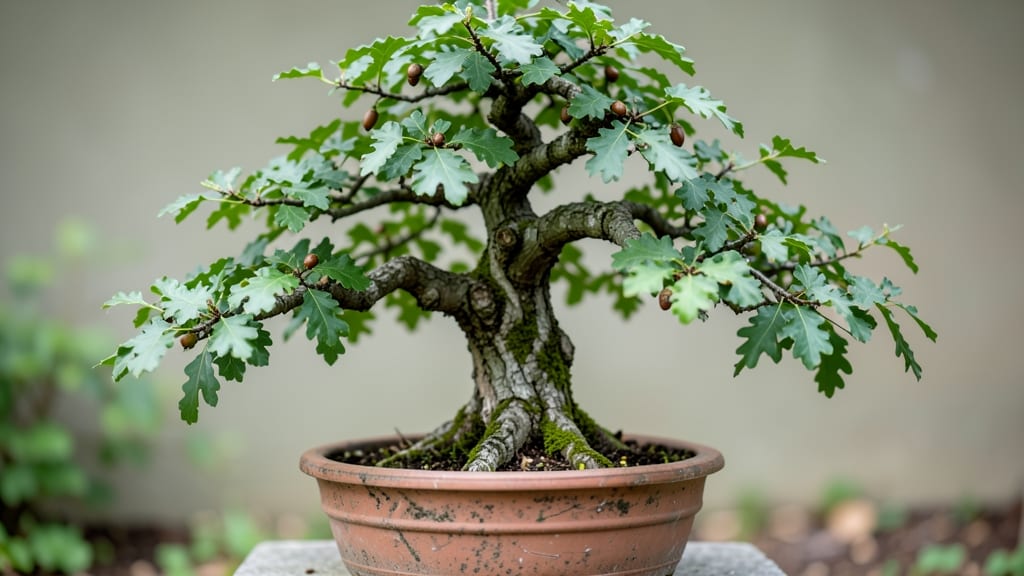
Growing a bonsai oak tree from acorn means starting with nature's own patience. 🌱 The process begins with a single acorn—preferably from a white oak for its hardiness—and a cold-stratification trick that mimics winter's natural dormancy.
I've tried this twice, and both times, the first green shoot breaking through the soil felt like magic after those 8 weeks in the fridge.
The real secret isn't fancy equipment but understanding what oak seedlings need: a mix of 50% sand and 50% peat moss, a humidity dome to keep moisture consistent, and the discipline to wait.
Most people rush germination, but oaks are slow starters—they reward those who give them time. My first attempt failed because I checked the acorns too often; now I know to leave them undisturbed.
By month 6, you'll have a 3-4 inch seedling with roots ready for their first bonsai pruning. The tiny leaves will be tougher than you expect, and the trunk will start thickening if you keep it in bright, indirect light.
This is where the real work begins: shaping the future branches while the roots stay contained in a shallow tray.
Don't expect a finished bonsai in a decade—oak trees grow slowly even as bonsai. But the journey matters more than the destination.
My current oak seedling is now 2 years old, and though it's still a study in patience, I can already picture its future twisted branches against a winter sky. Every pruning decision today shapes tomorrow's masterpiece.
📚 In This Guide
- What you need
- Instructions
- Tips and common mistakes
- Wrapping up and next steps
What you need
- ● Fresh acorns – Collect at least 10-15 healthy, plump acorns from a mature oak tree (preferably white oak or red oak). Avoid cracked or wormy ones!
- ● Cold-stratification supplies: Moist peat moss or coconut coir (enough to fill a sealed container)
- ● A ziplock bag or plastic container (with small air holes)
- ● Refrigerator space (or a cold, dark basement)
- ● Potting mix – A well-draining blend of: 50% cactus/succulent mix
- ● 30% perlite or pumice
- ● 20% organic matter (like worm castings or compost)
- ● Small pots or seed trays – 3-4 inch diameter with drainage holes (or a shallow tray for sowing)
- ● Spray bottle – For gentle watering
- ● Grow lights or sunny windowsill – 6+ hours of indirect light daily
- ● Sterilized scissors or pruners – For trimming acorn caps (if needed)
- ● Humidity dome or plastic wrap – To retain moisture while germinating
- ● pH test kit – Ensure soil pH is 5.5–6.5 (oaks prefer slightly acidic soil)
- ● Wire or chopsticks – For supporting tiny seedlings as they grow
- ● Fertilizer (low-nitrogen) – Like fish emulsion or seaweed extract (diluted to half-strength)
- ● Bonsai tools – Miniature pruners, root hook, and wire (for future shaping)
Step-by-Step instructions for growing a bonsai oak from acorn
Here's how to turn a humble acorn into a miniature oak masterpiece—patient work that pays off beautifully.
🌱 Step 1: Collect and Prepare Healthy Acorns
Gather acorns from mature oak trees in fall, choosing only those with thick, plump shells and no cracks. The best acorns are about 1 inch long with a smooth, unblemished cap. I like to collect them after a dry spell—they're easier to extract from the caps and less likely to mold.
Remove the caps by gently tapping them against a hard surface or using a knife to pry them off. Don't damage the nut itself. Soak the acorns in lukewarm water for 24 hours to soften the shell slightly—this helps prevent cracking during stratification. After soaking, let them dry completely on a paper towel before moving to the next step.
💧 Step 2: Cold-Stratify for 8 Weeks
Place the dried acorns in a sealed plastic bag with a damp paper towel to maintain moisture. Store them in your refrigerator's crisper drawer where temperatures stay between 35-45°F. This cold stratification mimics winter conditions and breaks dormancy—critical for oak seeds that otherwise refuse to germinate.
Check the bag every 2 weeks to ensure the paper towel stays damp but not soggy. You'll see tiny cracks or a slight swelling of the shell after about 4-6 weeks—that's your signal the stratification is working. If you forget to check, don't worry; oaks are forgiving as long as the towel doesn't dry out completely.
☀️ Step 3: Plant in Germination Trays
Fill small seedling trays with a mix of 50% sterile potting soil and 50% perlite to ensure excellent drainage. Plant each acorn about 1 inch deep, spacing them 2 inches apart. Water gently until the soil is moist but not waterlogged—you want the surface to look slightly damp, not glistening.
Place the trays in a warm spot with indirect light (like a bright windowsill with sheer curtains). Oaks need warmth to germinate, but direct sun will dry out the soil too quickly. Cover the trays with clear plastic wrap to retain humidity, but prop it up slightly so air can circulate and prevent mold.
🌿 Step 4: Germinate and Transplant Seedlings
Germination can take anywhere from 4-12 weeks, so be patient. You'll know it's happening when you see a tiny white root push through the soil first, followed by the shoot. Once the seedlings reach about 2 inches tall and have their first true leaves (not the initial seed leaves), it's time to transplant.
Gently remove each seedling, being careful not to damage the roots. Plant them in individual 3-inch pots with fresh potting mix, burying the stem up to the first set of true leaves. This encourages stronger root growth. Keep the soil consistently moist but never soggy—oaks hate wet feet.
⏰ Step 5: Acclimate and Begin Bonsai Training
After 4-6 weeks of growing in pots, move your young oaks outdoors to a shaded, sheltered spot for 2-3 hours daily. Gradually increase their outdoor time over 2 weeks to harden them off. Oaks are tough, but sudden exposure to full sun or cold can shock them.
Once fully acclimated, you can start basic bonsai training. Wiring the trunk is too aggressive at this stage, but you can gently guide the growth direction by rotating the pot a quarter turn weekly. Prune any leggy growth by pinching back the tips to encourage bushier growth. Water when the top inch of soil feels dry, and fertilize lightly with a balanced liquid fertilizer every 4-6 weeks during the growing season.
Tips & tricks for perfect bonsai oak tree growth
These simple strategies will help you navigate the patience game of growing an oak from acorn.
Acorn Selection Matters: In Step 1, focus on acorns with a thick cap that doesn't easily pop off—this indicates a healthy seed. I've found that acorns from white oaks (like bur oaks) often germinate more reliably than red oak varieties. After collecting, store them in a cool, dry place until you're ready to begin the 24-hour soak. This prep step prevents shell cracking during stratification, which can ruin your chances before you even start.
Stratification Success: The 8-week cold stratification in Step 2 is where most beginners struggle. Place your acorns in the refrigerator's crisper drawer where temperatures stay consistently between 35-45°F—this mimics natural winter conditions. If your fridge runs warmer, consider using an insulated cooler with ice packs instead. The key is maintaining that damp paper towel without letting it get soggy; I like to use a spray bottle to add water every 2 weeks rather than soaking the towel again.
Germination Patience: Step 4's 4-12 week germination window can feel like an eternity, but don't rush it. When you see that first white root push through the soil, resist the urge to transplant immediately. Wait until you see true leaves (not the initial seed leaves) and the seedlings reach about 2 inches tall. This ensures they're strong enough to handle the transplant shock. I've had seedlings that took 14 weeks to germinate still grow into healthy trees—patience really does pay off.
Outdoor Acclimation: The 2-3 hour daily outdoor sessions in Step 5 are crucial for hardening off your seedlings. Start with morning sun when temperatures are cooler, and gradually move to afternoon sessions as they strengthen. I've seen seedlings shocked by sudden full sun exposure develop brown patches—this is your tree's way of saying "slow down!" The gradual increase over 2 weeks helps them develop the protective layers they need for outdoor life.
Pro Tips for Bonsai Oak Tree From Acorn
- These simple strategies will help you navigate the patience game of growing an oak from acorn.
- Acorn Selection Matters: In Step 1, focus on acorns with a thick cap that doesn't easily pop off—this indicates a healthy seed.
- Stratification Success: The 8-week cold stratification in Step 2 is where most beginners struggle.
Frequently asked questions
Got questions about growing a bonsai oak tree from an acorn? You’re not alone—this process has its quirks! Below, we’ve rounded up the most common queries to help you navigate cold stratification, germination, and early care like a pro.
How long does cold stratification need to last for oak acorns?
Cold stratification for oak acorns typically requires 6–12 weeks in a moist, chilled environment (like a fridge). White oaks often need the full 12 weeks, while red oaks may germinate faster after 8–10 weeks. Monitor moisture—damp (not soggy!) is key. Patience pays off!
Can I skip cold stratification and still grow an oak bonsai?
While possible, skipping stratification drastically reduces germination rates—often below 10%. Oaks rely on this natural process to break dormancy. If you’re impatient, try soaking acorns in water for 24 hours before planting, but expect slower or weaker results. Cold stratification is non-negotiable for reliable success!
What’s the best soil mix for germinating oak acorns?
Use a light, well-draining mix like 50% peat or coco coir + 50% perlite/pumice. Avoid heavy garden soil—it can suffocate tiny roots. A seed-starting tray with drainage holes works best. Keep the mix consistently moist (not waterlogged) during germination. Pro tip: Mix in a fungicide to prevent mold!
How long until I see sprouts after stratification?
Sprouts usually appear 4–12 weeks after stratification ends, depending on acorn freshness and species. Red oaks often sprout faster (4–6 weeks), while white oaks may take 8–12 weeks. If nothing emerges after 3 months, the acorn may be non-viable. Don’t give up—test a few acorns!
My acorn sprouted, but the seedling looks weak—what went wrong?
Weak seedlings often suffer from overwatering, poor light, or fungal issues. Check for:
- Leggy stems? Move to a bright, indirect light spot (no direct sun yet!).
- Yellowing leaves? Reduce watering—oak seedlings hate soggy roots.
- Mold or rot? Repot in fresh, sterile mix and trim mushy roots.
Wrapping up and next steps
Growing a bonsai oak tree from an acorn is a rewarding journey that combines patience, precision, and a touch of nature’s magic! 🌱 By mastering cold stratification and nurturing your seedling with care, you’ve unlocked the potential for a stunning miniature masterpiece.
Whether you’re a beginner or a seasoned gardener, every tiny root and leaf is a step toward something extraordinary.
Ready to watch your acorn transform? Plant your next oak seedling today—and in just a few years, you could be shaping your very own bonsai oak! 🌳✨ Happy growing!