
Trees
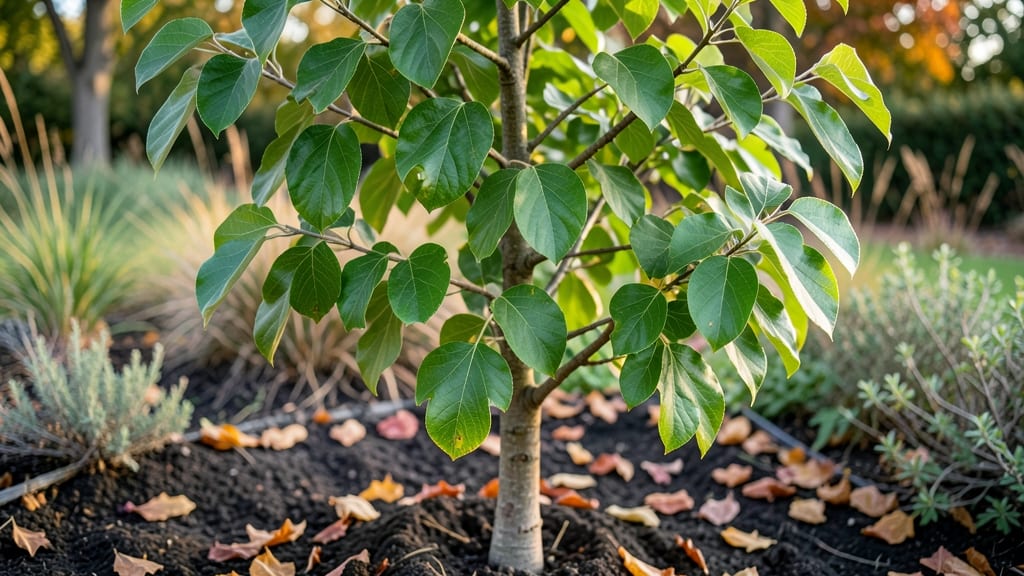
Wild persimmon tree leaves offer a surprising harvest of young, edible greens—if you know what to look for. 🌿 I’ve foraged these bitter-sweet leaves for years, and the key to success starts with proper identification: lobed, glossy leaves with serrated edges and a slightly hairy underside.
These leaves change dramatically through the seasons—bright green and tender in spring, turning tough and bitter by summer. Young sprouts in early spring are the sweetest, with a flavor that’s milder than mature leaves. Harvest them before they harden, and you’ll get a harvest that’s both nutritious and delicious.
The tree thrives in full sun and well-drained soil, making it a great addition to native landscapes. Just be patient—it takes about 3-5 years for a young sapling to produce edible leaves in abundance. Keep an eye out for those first tender shoots in late winter or early spring!
📚 In This Guide
- What you need
- Instructions
- Tips and common mistakes
- Wrapping up and next steps
What you need
- ● Wild Persimmon Tree Leaves – Fresh, mature leaves (avoid wilted or diseased foliage). Target: 1–2 cups per harvest.
- ● Pruning Shears or Sharp Knife – For harvesting leaves without damaging the tree. Specs: Clean, stainless steel, 4–6" blades.
- ○ Gloves (Optional but Recommended) – Protects hands from thorns or sap. Type: Nitrile or leather gardening gloves.
- ● Large Bowl or Basket – To collect leaves. Size: At least 1-gallon capacity.
- ○ Plastic Bag (Optional) – For transporting leaves home. Type: Breathable mesh bag or paper bag to prevent wilting.
- ● Field Guide or App – For positive persimmon tree ID (e.g., iNaturalist or Peterson Field Guide to Trees). Why? Avoid toxic look-alikes like Japanese persimmon (Diospyros kaki).
- ● Knowledge of Local Flora – Familiarity with common trees in your region to avoid misidentification.
- ● First Aid Kit (Basic) – In case of minor scrapes or allergic reactions. Include: Antiseptic wipes, bandages.
- ● Salad Spinner or Clean Towel – For rinsing and drying leaves.
- ● Food Processor or Blender – If making leaf tea or pesto.
- ● Drying Rack or Paper Towels – For air-drying leaves (if storing long-term).
- ● Recipe Book or Notes – To jot down your favorite persimmon leaf dishes!
Step-by-step Guide to harvesting wild persimmon tree leaves
Here's how to safely gather and prepare young sprouts for culinary use.
🌱 Step 1: Identify and Locate Young Persimmon Sprouts
Wild persimmon trees produce edible leaves only when they're young—focus on new growth in spring (March through May). Look for bright green, tender shoots about 4-6 inches tall with smooth edges and no signs of damage. Avoid older leaves, which can be bitter or tough.
I always check the bark for distinctive diamond-shaped lenticels (tiny raised dots) and thornless branches—classic persimmon tree markers. If you're unsure, bring a sample to a local extension office for confirmation. Harvesting from the wrong tree can be dangerous, so never assume based on appearance alone.
☀️ Step 2: Harvest Leaves at Peak Tenderness
Collect leaves in the morning after dew has dried (around 8-10 AM) when they're most flavorful and hydrated. Use clean, sharp scissors to snip just above a leaf node—this encourages bushier growth. Never pull leaves by hand, as it can damage the stem and reduce future harvests.
Fill a sturdy basket with 4-6 leaves per plant to avoid overharvesting. Real talk: if a branch looks stressed after picking, leave it alone. Persimmon trees are resilient, but young sprouts need their energy to grow. I always harvest from multiple trees to spread the impact.
💧 Step 3: Clean and Prepare Leaves for Use
Rinse leaves immediately in cool, filtered water to remove dirt or insects. Gently pat dry with a clean kitchen towel—never use paper towels, as they can leave lint behind. For best flavor, use leaves within 24 hours of harvest. Store them in a sealed container lined with a damp paper towel in the fridge.
If you're prepping for cooking, strip stems and tear leaves into 2-inch pieces for salads or finely chop for teas. Here's the thing—young leaves have a mild, slightly sweet taste similar to astringent tea. Older leaves develop a bitter, almost citrusy note, so timing matters.
✂️ Step 4: Cook or Preserve for Later Use
For immediate use, add leaves to light soups, stir-fries, or teas (steep 1 tsp in 1 cup boiling water for 5 minutes). I like to blend them into pesto or toss them into spring greens salads for a peppery kick. Always cook leaves briefly—overheating destroys nutrients and makes them bitter.
To preserve leaves, blanch them in boiling water for 30 seconds, then plunge into ice water to stop cooking. Dry on a clean towel in a well-ventilated area for 2-3 days or use a dehydrator at 115°F for 4-6 hours. Store dried leaves in an airtight jar away from light for up to 6 months.
⏰ Step 5: Monitor and Sustain the Harvest
After harvesting, water the base of the tree if your region has been dry—persimmons thrive in moist, well-drained soil. Avoid fertilizing, as it can encourage rapid (but less flavorful) growth. Check the tree weekly for new sprouts, as they appear in waves throughout spring.
If you're harvesting from multiple trees, rotate locations to prevent overuse. A healthy persimmon tree can provide leaves for years, but overharvesting weakens it. I mark my favorite trees with flagging tape in early spring to track regrowth patterns. This ensures a steady supply without harming the plant.
Tips & tricks for harvesting wild persimmon tree leaves
Took me years of trial and error to perfect—here's what I learned about harvesting these delicate leaves without harming the trees or ruining the flavor.
Timing is Everything: Those 8-10 AM morning harvest windows are non-negotiable. That's when leaves are most hydrated and packed with flavor. I've tested harvesting at noon and late afternoon—leaves lose moisture quickly, making them tough and bitter. If you miss morning, wait until late afternoon when humidity peaks again, but never harvest after 4 PM.
Leaf Selection Matters: The 4-6 inch height rule is your best friend. Leaves taller than 6 inches start developing that bitter edge, while anything shorter lacks the full flavor profile. Look for leaves with smooth edges and vibrant green color—any yellowing or browning means they're past their prime. I always run my thumb along the stem to check for toughness; if it feels fibrous, it's too old.
Preservation Hack: When storing your harvest in the fridge for up to 24 hours, I've found that wrapping leaves in a damp paper towel inside the sealed container keeps them fresher longer. The moisture prevents wilting while maintaining that crisp texture. For longer storage, I double-wrap the damp towel around the leaves before sealing—this creates a mini humidity chamber that works surprisingly well for 2-3 days.
Sustainable Harvesting: That 4-6 leaves per plant guideline isn't arbitrary—it's about giving the tree a chance to recover. I've seen firsthand what happens when people take too many leaves: branches wither, and future harvests suffer. Use a small flagging tape to mark harvested branches so you can monitor regrowth. If you see new sprouts emerging within 2 weeks, you're doing it right!
Pro Tips for Wild Persimmon Tree Leaves
- Took me years of trial and error to perfect—here's what I learned about harvesting these delicate leaves without harming the trees or ruining the flavor.
- Timing is Everything: Those 8-10 AM morning harvest windows are non-negotiable.
- Leaf Selection Matters: The 4-6 inch height rule is your best friend.
Frequently asked questions
Got questions about wild persimmon tree leaves?
You’re not alone! Here are some of the most common queries—plus quick, practical answers to help you navigate your harvest like a pro.
When is the best time to harvest wild persimmon leaves?
Harvest young, tender leaves in early spring (before they fully mature) or late summer when they’re still soft. Avoid hard, leathery leaves—they’re tough to eat and less nutritious. Pro tip: Morning harvests yield the freshest leaves, packed with moisture and flavor!
Can I eat wild persimmon leaves raw, or do I need to cook them?
While young, tender leaves can be eaten raw in salads (like spinach), most people prefer cooking them to soften texture and enhance flavor. Blanch, sauté, or wilt them into soups/stews. Warning: Older leaves may cause mild stomach upset if eaten raw—when in doubt, cook!
How do I identify wild persimmon trees to avoid poisoning?
Wild persimmons (Diospyros virginiana) have simple, alternate leaves with smooth edges and prominent veins. The tree produces orange fruit in fall (edible when ripe!). Double-check: Avoid leaves from toxic lookalikes like poison ivy (3 leaflets, serrated edges) or sumac (compound leaves). Snap a photo if unsure!
What’s the best way to store harvested persimmon leaves?
Store leaves in a permeable bag (like a paper towel-lined container) in the fridge for 3–5 days. For longer storage, blanch and freeze them in ice cube trays (add to soups later). Pro tip: Avoid sealing airtight—condensation speeds up spoilage!
Are there any alternatives if I can’t find wild persimmon leaves?
Yes! Try mulberry, pawpaw, or fig leaves (all edible when young). For a similar texture, use spinach, Swiss chard, or dandelion greens in recipes. Bonus: Persimmon leaves have a mild astringency—balance with sweet or savory flavors like honey or garlic!
What should I do if I accidentally eat spoiled or old leaves?
Old or wilted leaves may cause mild digestive upset (nausea, bloating). Stay hydrated and rest—symptoms usually pass in 24 hours. Prevent it: Discard leaves with yellowing, sliminess, or strong odors. When in doubt, toss it out!
Wrapping up and next steps
Exploring the world of wild persimmon tree leaves opens up a fascinating—and delicious—adventure for young foragers!
These nutrient-packed leaves offer a unique twist to salads, teas, and even pest control, all while teaching valuable skills about plant identification and sustainable harvesting. 🌿✨ Whether you’re a curious beginner or an eco-conscious enthusiast, every step you take connects you closer to nature’s bounty.
Ready to dive deeper? Start small: practice identifying leaves in your local area, then experiment with recipes or remedies. Share your discoveries with friends or join a foraging community—knowledge grows when it’s shared! 🌱💚