
Pests and Diseases
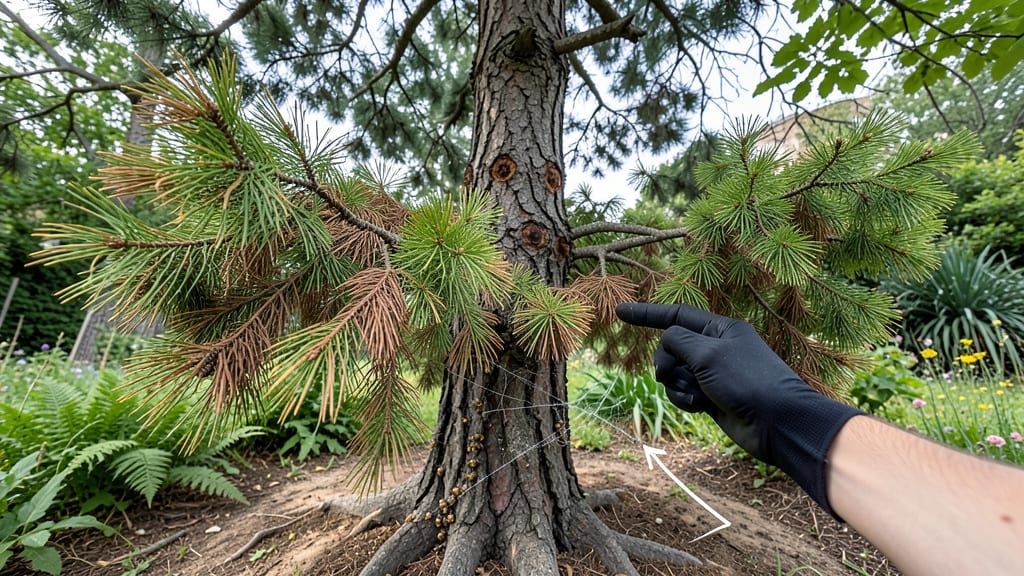
If you're wondering why is my cedar tree turning brown, that heart-sinking moment when you notice its once-lush branches now resemble a browned-out skeleton is all too familiar. 🌲 The culprit could be anything from a sneaky fungal infection to a thirsty root system—each with its own telltale signs that reveal the diagnosis faster than you'd think.
Start by checking the needles: crispy and brittle? Likely drought. Sticky, tar-like spots? Probably needle blight. And if you see tiny holes or sawdust-like frass at the base, bark beetles have moved in. The good news?
Most issues respond well to targeted action—whether it's adjusting your watering routine, pruning dead branches, or applying organic fungicides. Within weeks, you'll see fresh green growth pushing through, and that once-dying tree will bounce back with the right care.
The key is acting fast before the problem spreads deeper into the wood. This works for both eastern red cedars and arborvitae, and the fixes are simple enough for even novice gardeners. Let's get your tree back to its vibrant self.
Root Causes Behind Browned Cedar Needles
When your once-vibrant cedar tree starts sporting a dull, brown hue, it’s often a cry for help from the tree itself. Understanding the underlying reasons can help you diagnose the issue accurately and take targeted action.
Below, we break down the most common culprits—each with a clear scientific explanation and actionable insights to get your cedar back to its lush, green glory.
Cedar trees are hardy, but they’re not immune to temperature swings. Frost damage or heat stress can cause needles to turn brown, especially if the tree is young or already weakened. During winter, freeze-thaw cycles can rupture cell walls in the needles, leading to desiccation (drying out).
In summer, prolonged heatwaves (above 90°F/32°C) can cause oxidative stress, where the tree’s chlorophyll breaks down prematurely.
💡 Pro Tip: Mulch around the base of the tree to regulate soil temperature and retain moisture. If frost is the issue, consider wrapping the tree in burlap during late fall/winter to shield it from harsh winds and cold snaps.
Cedars thrive in well-draining soil, but improper watering is a top cause of browning needles. Overwatering leads to root rot (caused by fungi like Phytophthora), which chokes the tree’s ability to absorb nutrients.
On the flip side, underwatering causes drought stress, where the tree sheds needles to conserve water—a survival mechanism that leaves it looking patchy and brown.
🔍 Signs to Watch For:
- Yellowing needles (early sign of overwatering) followed by brown, mushy needles.
- Crispy, dry needles that crumble easily (underwatering).
- Mushroom-like growths at the base (fungal root rot).
💡 Fix It: Water deeply but infrequently—aim for 1–1.5 inches per week (including rainfall). Improve drainage by amending clay soil with compost or sand and avoid compacting the soil around the roots.
Fungi like Seiridium canker or Cedar apple rust are notorious for turning cedar needles brown.
These pathogens thrive in humid, wet conditions and spread via spores. Seiridium canker, for example, causes dieback (browning and death of branches) by clogging the tree’s vascular system. Cedar apple rust creates orange pustules on needles, which eventually turn brown and brittle.
🔬 How to Spot It:
- Brown, tar-like cankers on branches (Seiridium).
- Orange rust-colored spots on needles (Cedar apple rust).
- Needles that fall prematurely in clusters.
💡 Organic Treatment:
- Prune infected branches 6–12 inches below the damage (sterilize tools with rubbing alcohol between cuts).
- Apply copper fungicide (like Cedar Safe) in early spring to prevent spore spread.
- Improve air circulation by thinning dense foliage.
Insects like cedar bark beetles, spider mites, or bagworms can drain a cedar’s vitality, leading to browning needles. Bark beetles bore into the cambium layer, disrupting nutrient flow, while spider mites suck sap, causing needles to yellow and brown from the edges inward. Bagworms defoliate trees by weaving silk nests around branches, leaving behind a skeleton of brown needles.
🕵️ Pest Identification:
Pest
Signs
Damage Type
Cedar Bark Beetle
Small exit holes in bark, sawdust-like frass.
Branch dieback, brown needles.
Spider Mites
Fine webbing on needles, stippled browning.
Needles turn bronze or gray.
Bagworms
Silk pouch-like nests, defoliation.
Sparse, brown needles.
💡 Natural Pest Control:
- Spray neem oil or insecticidal soap (for mites and young larvae).
- Introduce beneficial predators like ladybugs or parasitic wasps (for bagworms).
- Remove nesting bags by hand in late summer (wear gloves!).
Cedars need a balance of nitrogen, phosphorus, and micronutrients to stay green. A deficiency in nitrogen causes uniform yellowing that progresses to brown, while magnesium or manganese deficiencies (common in acidic soils) lead to interveinal browning (brown patches between needle veins). Iron chlorosis (yellowing between veins with green veins) is another red flag, often seen in alkaline soils.
📊 Diagnosing Deficiencies:
- Nitrogen: Overall pale yellow needles.
- Magnesium/Manganese: Brown "V" shapes on needles.
- Iron: Yellow leaves with green veins.
💡 Fix It Organically:
- Test your soil (pH 6.0–7.0 is ideal for cedars).
- Apply compost or worm castings for slow-release nutrients.
- For iron chlorosis, use chelated iron supplements or plant acid-loving companions (like azaleas) nearby to improve soil health.
Each of these causes has a unique "fingerprint"—pay attention to where the browning starts (tips, edges, or uniformly) and how fast it spreads. The good news? Most issues are reversible with the right care. Next up,
How to Revive Your Cedar Tree
A brown cedar tree can feel like a heartbreaking sight, but the good news? Most cases are treatable—especially with organic, proactive care. Below, we’ll match common causes to step-by-step fixes, plus prevention tips to keep your cedar thriving. Let’s turn that dull brown back to vibrant green!
Symptoms: Brown, crunchy needles (often starting at branch tips), possible white fungal growth.
🔥 Step 1: Prune the Damage
- ✂️ Trim infected branches 6–12 inches below the browning—this stops the spread.
- ⚠️ Warning: Sterilize pruners with rubbing alcohol between cuts to avoid cross-contamination.
🍳 Step 2: Apply Organic Fungicides
- Neem oil spray (1 tsp neem oil + 1 tsp mild soap + 1 quart water): Spray early morning or evening to avoid leaf burn.
Reapply every 7–10 days for 3 weeks. - Baking soda solution (1 tbsp baking soda + 1 quart water + a few drops of dish soap): Spray foliage to raise pH slightly, making the tree less hospitable to fungi.
🌡️ Step 3: Improve Airflow & Hydration
- Thin out dense branches to reduce humidity (fungi love damp, crowded spaces).
- Water deeply but infrequently—cedars hate soggy roots. Aim for 1–1.5 inches of water per week (check soil moisture 2 inches down).
💡 Prevention Tip:
- Mulch properly: Use 2–3 inches of wood chips (not bark) 6 inches from the trunk to regulate moisture.
- Avoid overhead watering—use drip irrigation or soaker hoses to keep needles dry.
Symptoms: Needles turn brown and brittle, especially on the south/southwest sides of the tree.
👨🍳 Step 1: Deep Watering Routine
- Water slowly (30–60 minutes) 2–3 times per week during dry spells. Use a soaker hose or drip irrigation to target roots.
- Test soil moisture: Stick your finger 2–3 inches deep—if it’s dry, water again.
🥘 Step 2: Mulch Like a Pro
- Spread 3–4 inches of mulch (cedar bark or shredded leaves) in a donut shape around the base (keep it 6 inches from the trunk).
- 🌡️ Pro Tip: Mulch retains moisture 3x longer than bare soil.
⏰ Step 3: Adjust Watering in Winter
- Reduce watering in cold months—cedars are drought-tolerant in winter but can rot if overwatered in freezing temps.
🎯 Prevention Tip:
- Plant cedars in well-draining soil—amend clay soil with compost or sand before planting.
- Group thirsty plants nearby so your cedar isn’t competing for water.
Symptoms: Sawdust-like frass at the base, yellowing/browning needles, and small holes in the bark.
🔪 Step 1: Remove Severely Infested Branches
- Cut and destroy (don’t compost!) branches with exit holes or heavy beetle activity.
- Bag and dispose of debris immediately to prevent spread.
🍎 Step 2: Attract Natural Predators
- Plant beetle-loving companions nearby: yarrow, dill, or fennel attract parasitic wasps that eat beetle larvae.
- Install a bat house—bats are cedar beetle snack machines.
💪 Step 3: Strengthen Tree Health
- Fertilize lightly in early spring with organic 5-5-5 fertilizer (follow package rates).
- Avoid stress: Don’t prune heavily in late summer/fall (beetles target weakened trees).
✨ Prevention Tip:
- Monitor for early signs—check the base of the tree for frass (tiny sawdust piles) in spring/summer.
- Keep trees healthy—stressed cedars (from drought or poor soil) are beetle magnets.
Symptoms: Uniform browning, stunted growth, or needles falling prematurely.
📊 Step 1: Test Your Soil
- Use a DIY soil test kit (available at garden centers) to check pH and nutrient levels.
- Ideal pH for cedars: 6.0–7.5 (slightly acidic to neutral).
🥗 Step 2: Amend the Soil
- For acidic soil (pH <6.0): Mix in elemental sulfur (1 lb per 100 sq ft).
- For alkaline soil (pH >7.5): Add peat moss or pine fines.
- For nutrient-poor soil: Work in compost or aged manure in early spring.
🚫 Step 3: Reduce Salt/Pollution Exposure
- Flush soil with rainwater or distilled water if your area uses road salt in winter.
- Avoid fertilizers with high salt content (like synthetic lawn fertilizers).
🎯 Prevention Tip:
- Plant cedars away from driveways (salt spray damages needles).
- Use organic fertilizers (fish emulsion, worm castings) to avoid chemical buildup.
- Prune in late winter/early spring to encourage new growth.
- Inspect annually for pests/diseases—catch problems early!
- Avoid over-pruning—cedars are slow growers and hate aggressive cuts.
🌟 Remember: Patience is key! Some browning may take 1–2 growing seasons to fully recover, but with these steps, your cedar will bounce back—and stay lush for decades. 🌲✨
Frequently asked questions
Is it normal for cedar trees to lose brown needles in winter?
Yes, cedars naturally shed some needles in late fall/winter as part of their dormancy cycle. However, if you see more than 50% browning or needles staying attached in spring, it signals stress from drought, pests, or disease. Healthy cedars should regrow fresh green needles by late spring.
How can I tell if my cedar tree has bark beetles vs. fungal disease?
Check for these clues: Bark beetles leave tiny exit holes in the bark and sawdust-like frass at the base, while fungal diseases show tar-like cankers or orange rust spots on needles. Beetle damage often starts at branch tips, while fungi spread from the inside out on branches.
Will pruning help if my cedar is already mostly brown?
Pruning can help, but focus on removing only dead/dying branches (cut 6–12 inches below the browning). Avoid heavy pruning—cedars are slow growers and may not recover fully if over 50% of the canopy is damaged. Instead, prioritize soil health and pest control first.
Can I save a cedar tree that’s been brown for over a year?
It depends! If the inner branches are still alive (green when scratched), there’s hope. Remove all dead wood, improve soil drainage, and apply organic fertilizer in spring. However, if the trunk shows deep cracks or extensive beetle damage, the tree may be beyond saving.
Why does my cedar tree look fine one year but brown the next?
Sudden browning often stems from environmental stress like drought, extreme heat, or poor soil. Check for changes in your watering routine, nearby construction (dust/pollution), or new pests. Cedar trees are resilient but react poorly to abrupt changes—consistent care is key!