
Pruning
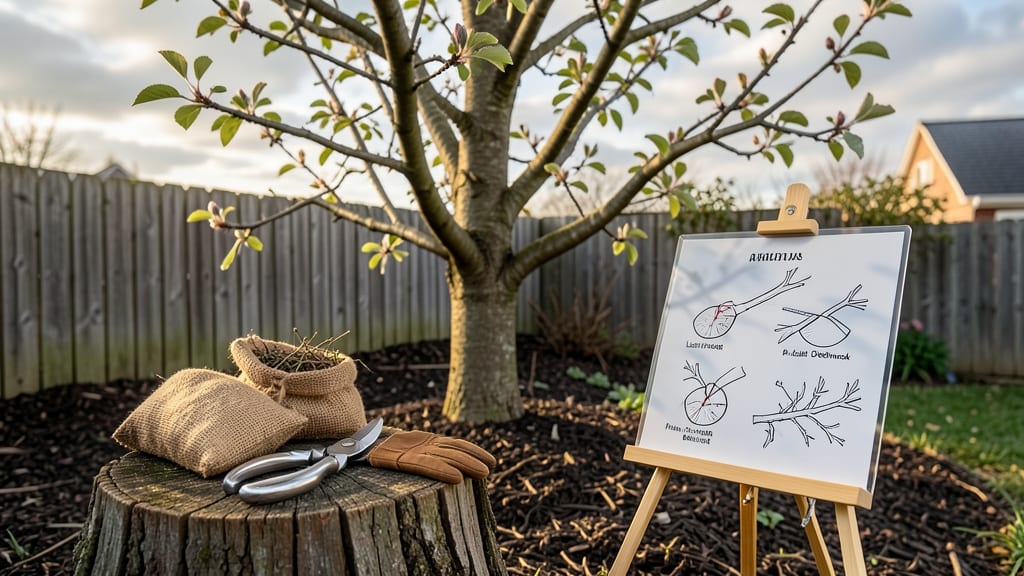
To trim apple tree branches at the perfect time means unlocking healthier growth and bigger harvests—and the dormant season is where it all begins.
Picture this: You’ve spent months nurturing your 🍎, only to watch it struggle with weak fruit production or disease because you pruned at the wrong time. The truth? Timing isn’t just about convenience—it’s about giving your tree the best shot at thriving.
Late winter or early spring, before buds swell, is the golden window for shaping your tree’s future, but why does it matter so much?
When you prune during dormancy, you’re not just cleaning up—you’re preventing disease, boosting airflow, and setting the stage for next year’s crop. Skip this step, and you risk inviting pests, stunting growth, or even losing branches to frost damage.
The key lies in understanding how your tree’s natural cycles align with your pruning schedule.
In this guide, I’ll walk you through the exact when, why, and how of trimming your apple tree, from identifying branches to cut to the tools that make the job easier.
Whether you’re a first-time pruner or refining your technique, these insights will help you transform your tree into a fruit-bearing powerhouse.
Best times to trim apple tree branches for maximum fruit production
Timing your apple tree pruning is the difference between a bountiful harvest and a struggling tree. The dormant season—late winter to early spring—is the golden window for pruning because it minimizes stress on the tree while maximizing fruit production.
During this time, your tree isn’t actively growing, so cuts heal faster and disease risks drop significantly. Summer and fall pruning can still help, but they require a lighter touch and different goals.
Understanding the seasonal pruning cycle ensures you’re cutting at the right time to encourage strong branch structure, better airflow, and optimal fruit development. For example, pruning too early in spring can stimulate weak growth vulnerable to frost, while waiting too long in summer may stress the tree during peak fruiting.
Let’s break down the best times and why they matter most for your apple tree’s health.
⚠️ Key Insight: Dormant season pruning (February–March) is ideal because it allows wounds to seal before spring growth begins, reducing disease entry points. This timing also helps shape the tree’s structure for maximum sunlight exposure, which directly impacts fruit quality and quantity.
| Season | Best Time to Prune | Purpose | Key Considerations |
|---|---|---|---|
| Late Winter/Early Spring (Dormant Season) | February–March (before buds swell) | Structural shaping, disease prevention, fruit bud development | Remove dead wood, cross branches, and thin canopy for sunlight penetration. Avoid heavy pruning if frost is forecasted. |
| Summer (Post-Harvest) | June–August (after fruit set) | Corrective pruning, water sprout removal, fruit cluster thinning | Light pruning only—focus on removing vigorous growth to balance tree energy. |
| Fall (Limited Pruning) | October–November (avoid late fall) | Minimal cleanup, removing diseased wood | Prune only if necessary; avoid heavy cuts to prevent winter damage. |
Summer pruning is less ideal but essential for managing water sprouts and improving air circulation, which reduces fungal diseases like apple scab. However, avoid heavy pruning during this season, as it can divert energy away from fruit production.
Instead, focus on light trimming to maintain the tree’s balance and shape.
Fall pruning should be minimal and only address diseased or dead branches. Heavy cuts in late fall can stimulate new growth that won’t harden off before winter, making branches susceptible to frost damage.
If you must prune in fall, do so early and keep it light to avoid stressing the tree.
Climate plays a role too. In colder regions, wait until after the last frost to prune, while in milder climates, you might start as early as late January. Always check your local frost dates to align pruning with your tree’s natural cycle.
For young apple trees (under 3 years old), focus on establishing a strong structure by removing competing branches and encouraging a central leader. Mature trees benefit from thinning cuts to open the canopy, while overgrown trees may need more aggressive pruning—but never exceed 25% of the foliage in one season.
✂️ Pro Tip: Mark your calendar for late winter—this is when your apple tree is most receptive to pruning. A well-timed cut now can mean double the fruit yield next season.
How to prune apple tree branches: step-by-step for healthy growth
Not all cuts are equal—proper pruning techniques directly impact your apple tree’s health and fruit production. Focus on these three priorities: removing dead/diseased wood, thinning the canopy for sunlight, and shaping the tree for airflow.
The right approach ensures your tree thrives while avoiding common mistakes that can stress it unnecessarily.
First, identify branches that need removal. Dead or diseased branches (blackened, cracked, or oozing sap) should be cut immediately to prevent disease spread. Next, look for crossing branches rubbing together—these create wounds and reduce fruit quality.
Finally, remove water sprouts, those fast-growing vertical shoots that steal energy from fruit production.
Here’s where timing matters most: Dormant season pruning (late winter/early spring) is ideal because wounds heal before spring growth begins. Summer pruning is limited to light corrective cuts, while fall pruning should be minimal to avoid winter damage. Always prioritize gradual thinning over heavy pruning to maintain tree strength.
Mistake: Heavy Pruning in One Season
Best Practice: Gradual Thinning
- ✅ Encourages vigorous regrowth
- ✅ Reduces stress on the tree
- ✅ Promotes stronger fruit bud formation
- ❌ Can weaken the tree if overdone
- ❌ May require multiple years to recover
- ❌ Risk of sunburn on exposed bark
- ✅ Improves air circulation
- ✅ Prevents disease buildup
- ✅ Balances fruit production
- ❌ Requires patience (10–25% removal per year)
- ❌ Less dramatic results in a single season
- ❌ Demands regular monitoring
For clean cuts, use the right tools: bypass pruners for branches under 1 inch, loppers for 1.5–2.5 inches, and a pruning saw for thicker branches. Always disinfect your tools between cuts with rubbing alcohol to prevent disease spread.
Cut at a 45-degree angle just outside the branch collar (the swollen area where the branch meets the trunk) for faster healing.
Safety is key—wear gloves and safety glasses to protect against sharp branches and sap. Avoid pruning during wet weather, as this can spread fungal spores.
After pruning, inspect your tree for any remaining issues and apply a wound sealant if needed, though many experts recommend letting small wounds heal naturally for better results.
Remember, the goal is to shape your tree for optimal sunlight exposure and airflow. A well-pruned apple tree will reward you with healthier branches, better fruit production, and longer lifespan. With the right timing and technique, your apple tree will thrive for years to come. 🍎✂️