
Plants
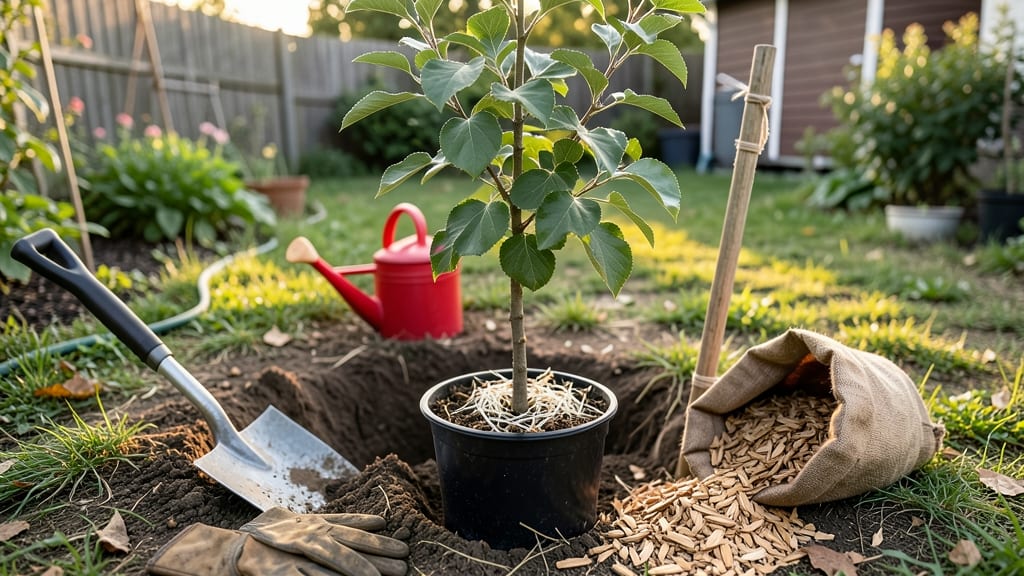
Planting a tree in the ground at the right time ensures it thrives for decades—so timing is everything, especially in Zone 6a where frost lingers until mid-April.
Picture this: you dig a hole, place your 🌳 in the earth, and water it—only to watch it struggle through a late frost or wither in summer heat. That’s why knowing when to plant isn’t just about seasons; it’s about matching your tree’s needs to your climate’s rhythm.
In cooler zones like yours, late winter to early spring (after the last frost) or fall (4-6 weeks before the first frost) are the best windows. But evergreens and deciduous trees have different rules, and regional frost dates can shift the calendar by weeks.
Below, I break down the exact months for your zone, how to prep soil for strong roots, and the one mistake that kills young trees before they even take hold.
Best planting times by USDA climate Zones: a seasonal breakdown
Planting a tree in the wrong season can mean the difference between a thriving shade provider and a struggling sapling. Your USDA hardiness zone determines the best window—whether it's late winter in cold climates or early fall in warmer regions.
Deciduous trees like oaks and maples prefer dormant season planting, while evergreens such as pines need careful timing to avoid transplant shock. Let's break down the ideal planting months for each zone to maximize root establishment.
Understanding your last frost date is crucial. In Zone 3, where winters are harsh, planting in May after frost ensures roots establish before cold sets in again. Meanwhile, Zone 10 gardeners can plant year-round, though fall and winter are safest to avoid summer heat stress.
Evergreens, like cedar or spruce, need extra attention—their shallow roots can dry out quickly in hot climates, making early fall planting ideal.
Soil temperature plays a hidden role. Cool-season trees like apple or cherry need soil temps below 50°F (10°C) to avoid root burn. In Zone 6-7, this means planting in October or early November or waiting until March-April.
Use a soil thermometer to check—roots won’t grow well in warm soil during dormancy. For Zone 8-9, where mild winters prevail, late fall to early spring (November-February) is perfect for most species.
| USDA Zone | Best Planting Window | Deciduous Trees | Evergreen Trees | Soil Temp Goal |
|---|---|---|---|---|
| Zone 3-4 | Late April–early June or September–October | Oak, Maple, Birch | Spruce, Fir, Pine | Below 50°F (10°C) |
| Zone 5-6 | April–May or October–November | Apple, Cherry, Walnut | Douglas Fir, Hemlock | 45–55°F (7–13°C) |
| Zone 7-8 | November–February or March–April | Crabapple, Redbud, Hickory | Arborvitae, Yew | 50–60°F (10–16°C) |
| Zone 9-10 | November–February (avoid summer) | Citrus, Olive, Fig | Cypress, Palm | 60–70°F (16–21°C) |
| Zone 11 | Year-round (avoid extreme heat) | Mango, Avocado | Banyan, Monkey Pod | 65–75°F (18–24°C) |
Frost dates are your best friend when planning. In Zones 3-5, aim to plant 4-6 weeks before the first frost—this gives roots time to establish before winter dormancy. For Zones 6-9, fall planting (September-November) is ideal because cooler temps reduce transplant shock.
Evergreens, however, should avoid summer planting in hot zones like Zone 10, where roots can dry out quickly.
Don’t overlook bare-root trees, which are best planted in dormant season (late fall to early spring). These trees have exposed roots, making them sensitive to heat and drought. In Zone 7, for example, planting a dogwood in March gives it time to establish before summer heat arrives.
Container-grown trees, on the other hand, can be planted year-round in mild climates but still benefit from fall or spring timing.
Mulching is a game-changer for new plantings. Apply 2-4 inches of mulch around the base (but not touching the trunk) to retain moisture and regulate soil temperature. In Zone 4freeze-thaw cycles, while in Zone 910-15 gallons for small trees—to encourage root spread into surrounding soil.
Watch for transplant shock signs like wilting or yellowing leaves, which can occur if planted at the wrong time. In Zones 5-6early fall when temps drop. For Zone 10June-August—opt for winter months when humidity is higher and evaporation is minimal.
Local microclimates matter too. A south-facing slope in Zone 6 may warm up faster than the rest of your yard, allowing earlier planting. Use a minimum thermometer to track soil temps—roots won’t grow if soil stays above 50°
Signs your tree is ready for planting (and when to wait)
Knowing when to plant a tree isn't just about checking a calendar—it's about reading your soil and climate like a pro. The best planting windows align with dormancy cycles and soil temperature, ensuring roots establish before stress hits.
For most trees, late winter to early spring (after last frost) or fall (4-6 weeks before first frost) are ideal. But how do you know for sure?
Start by testing your soil temperature. Use a soil thermometer—roots struggle below 40°F (4°C). If your area experiences frost, wait until the ground thaws at least 6 inches deep. Moisture levels matter too: soggy soil can suffocate roots, while dry soil makes transplanting stressful.
Aim for evenly moist conditions, not a muddy mess.
🌱
✅ Ready to Plant?
Watch for tree dormancy signals. Deciduous trees (like oak or maple) are ready when they're bare or just budding. Evergreens (like pine or cedar) should be planted in container-grown form, anytime the ground isn't frozen.
If you see new growth, you’ve missed the window—wait for next year’s dormant season.
Timing also depends on your tree species. Fruit trees (e.g., apple or peach) thrive when planted in early spring to avoid summer heat stress.
Meanwhile, shade trees (like birch) adapt better to fall planting because cooler temps reduce transplant shock. Always check your USDA zone for local frost dates.
Common mistakes include planting too early (when soil is still cold) or too late (when roots can’t establish before winter).
I once planted a dogwood in late spring—it survived, but its growth was stunted for two years. Root establishment is critical: give your tree at least 6-8 weeks of favorable conditions before stress hits again.
Pro tip: If you’re unsure, opt for bare-root trees in early spring—they’re cheaper and easier to plant when dormant. For container-grown trees, check the root ball: if roots circle the pot, trim them to encourage outward growth. And always water deeply after planting to eliminate air pockets.
☀️