
Planting
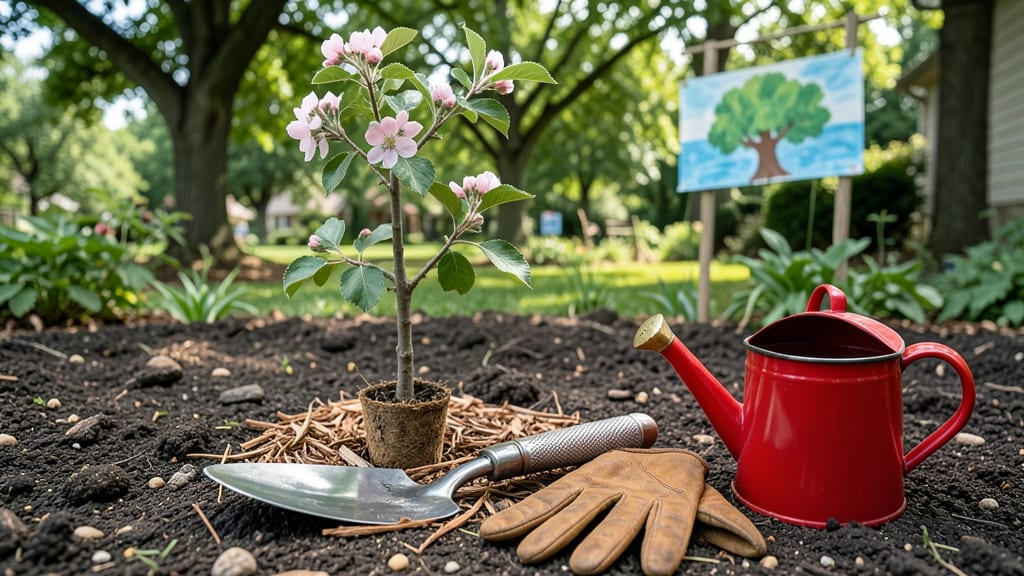
Planting a tree on Earth Day isn't just about the moment—it's about the decades of shade, oxygen, and wildlife habitat you'll give back to your community. 🌱 I've planted more than a dozen trees over the years, and every single one reminds me that even small actions grow into something meaningful.
The best part? You don't need a sprawling backyard—containers, community plots, and even urban sidewalks can all host new trees.
Spring planting means choosing trees that thrive in your climate, like native oaks, maples, or fruit-bearing varieties that feed birds and pollinators. Fast-growing species like willows or silver maples give quick rewards, while slower growers like white pines offer long-term benefits.
Grab a shovel, gloves, and a young tree from a local nursery—just make sure to pick one with strong roots and healthy foliage.
You'll end up with a living legacy that cools your neighborhood, cleans the air, and provides food for wildlife. The first year is about watching roots establish and leaves unfurl, but the real magic happens in years to come—imagine sipping coffee under your tree's shade in 10 years.
The best part? You're not just planting a tree; you're joining a movement.
For extra impact, involve friends or neighbors—turn it into a community event with pizzas and planting stations. Or adopt a tree through a local conservation program to ensure it thrives long after Earth Day. Either way, you're planting more than wood; you're planting hope.
📚 In This Guide
- What you need
- Instructions
- Tips and common mistakes
- Wrapping up and next steps
What you need
- ● Tree sapling: 1 native tree species (e.g., oak, maple, or fruit-bearing trees like apple or cherry—check local recommendations!)
- ● Size: 1–3 feet tall (whips or small balled-and-burlapped trees work best for beginners)
- ● Shovel: Medium to large (18–24 inches wide) for digging a proper hole.
- ● Garden gloves: 1 pair (to protect your hands from dirt and thorns).
- ● Watering can or hose: With a gentle spray nozzle for post-planting hydration.
- ● Mulch: 2–3 bags (shredded bark or wood chips, 2–4 inches deep).
- ○ Stakes (optional but helpful): 2–3 wooden or metal stakes + twine (for young, flexible trees).
- ● Tree planting guide: Local nursery or extension service resources for species-specific tips.
- ● Pruning shears: Small pair for trimming dead branches.
- ● Soil amendments: Compost or fertilizer (if your soil is poor—test first!).
- ● Tree guard: Plastic or metal collar to protect from critters.
- ● Camera: To capture your tree’s growth journey! 📸
Step-by-Step instructions for planting a tree on Earth Day
Here's how to plant a tree that will thrive for decades—no green thumb required.
🌱 Step 1: Choose the Right Tree for Your Space
Pick a tree suited to your climate and yard size. Native species like oak, maple, or serviceberry adapt best and support local wildlife. Avoid fast-growing trees like willows—they often develop weak wood and require more maintenance. Check the mature height (some reach 50+ feet!) to ensure it won’t crowd your house or power lines.
For Earth Day planting, opt for a bare-root sapling if available—these establish faster than container-grown trees. If buying a container tree, look for one with a sturdy trunk and roots growing outward (not circling). I always dig a small test hole first to confirm the space can accommodate the root ball.
🪴 Step 2: Dig the Hole and Prepare the Soil
Dig a hole twice as wide as the root ball but only as deep—planting too deep suffocates roots. Loosen the sides of the hole with a shovel so roots can spread easily. If your soil is clay-heavy (it stays hard when dry), mix in 2-3 inches of compost from your materials list to improve drainage and fertility.
Gently remove the tree from its container or wrapping, shaking off excess soil to expose roots. If roots are circling, untangle them carefully with your fingers. This step prevents girdling, where roots strangle the trunk as the tree matures. A quick root check takes just a minute but saves years of struggle.
☀️ Step 3: Position and Plant the Tree
Place the tree in the hole so the top of the root ball sits 1-2 inches above ground level. This ensures the tree doesn’t settle too low over time. Fill the hole with native soil, tamping down lightly every 4-6 inches to remove air pockets. Water thoroughly to settle the soil around roots—you’ll see the ground firm up as it absorbs moisture.
Stake the tree only if it’s tall or in a windy area. Use two stakes placed diagonally, tied loosely with soft fabric (not wire) to avoid cutting into the trunk. Mulch the base with 2-3 inches of organic mulch, keeping it 6 inches away from the trunk to prevent rot. Water deeply again until the soil is moist 12 inches down.
💧 Step 4: Water and Monitor for Growth
Water the tree twice weekly for the first month, then taper to once weekly once established. Deep watering encourages roots to grow downward. You’ll know it’s getting enough water when the soil feels damp 6 inches down—stick your finger in to check. Overwatering is just as harmful as underwatering.
Watch for new leaves within 4-6 weeks—that’s your sign the tree is thriving. If leaves yellow or wilt, it may need more water or protection from afternoon sun. I always mark the planting date on the trunk with a paint pen so I remember when to fertilize (spring of the following year).
⏰ Step 5: Long-Term Care for a Healthy Tree
After the first year, water only during dry spells (when rain provides less than 1 inch per week). Prune dead branches in late winter, cutting just outside the branch collar where it meets the trunk. Avoid "topping" trees—cutting the top flat encourages weak growth and disease.
Mulch annually in early spring, adding 1-2 inches to maintain moisture and suppress weeds. Celebrate Earth Day each year by planting a new tree nearby—your yard will become a mini forest in no time. This isn’t just planting; it’s a legacy that grows with you.
Tips & tricks for perfect tree planting on Earth Day
Transforming your yard into a thriving green space starts with these essential insights that'll help your tree take root and flourish.
Tree Selection Wisdom: When choosing your tree, focus on native species that thrive in your local climate. For example, a red maple might be perfect in the Northeast, while a live oak could be ideal in the Southeast. I always check the mature height—some trees like bald cypress can grow over 60 feet tall, so make sure it won't outgrow your space. If you're unsure, consult your local nursery or extension office—they know your growing conditions best.
Soil Preparation Secret: In Step 2, when you're digging that hole twice as wide as the root ball, take an extra moment to test your soil's drainage. Fill a small container with soil from the hole, add water, and wait 10 minutes. If water still stands, your soil drains poorly—amend it with 2-3 inches of compost as mentioned. For clay-heavy soil, you might need to add a bit more compost or even sand to improve aeration. This simple test prevents future root rot.
Planting Position Pro Tip: The 1-2 inches above ground level rule in Step 3 is crucial because it accounts for soil settling. I've seen trees planted too deep where the roots suffocate, leading to poor growth. After placing your tree, use a level to ensure it's perfectly upright—this prevents leaning that can stress the trunk over time. Also, avoid planting too close to sidewalks or buildings where roots might cause damage.
Watering Strategy: Those first 4-6 weeks are critical for root establishment. I recommend watering deeply in the morning to reduce evaporation. Use a rain gauge or tuna can to measure 1 inch of water per week—this ensures consistent moisture without overwatering. A drip irrigation system set on a timer can automate this process, saving you time while keeping roots happy.
Pro Tips for Plant A Tree On Earth Day
- Transforming your yard into a thriving green space starts with these essential insights that'll help your tree take root and flourish.
- Tree Selection Wisdom: When choosing your tree, focus on native species that thrive in your local climate.
- Soil Preparation Secret: In Step 2, when you're digging that hole twice as wide as the root ball, take an extra moment to test your soil's drainage.
Frequently asked questions
Got questions about planting a tree on Earth Day? You’re not alone—here are some of the most common ones to help you get started with confidence!
What’s the best type of tree to plant for Earth Day?
Choose native species! They thrive in your local climate, support wildlife, and require less water. Fast-growing options like red maple or swamp white oak are great for quick impact. Check with your local nursery or conservation group for tailored recommendations.
Can I plant a tree in April, or should I wait for spring?
Earth Day is April 22, so go for it! Most trees can handle cool spring soil, but avoid planting if frost is forecast. Bare-root trees (sold dormant) are ideal for early spring. If your area has late frosts, opt for container-grown saplings—they adapt better to temperature shifts.
How much does it cost to plant a tree, and are there free options?
Costs vary: bare-root trees start at $10–$30, while mature specimens can run $50–$150+. Save money by joining community tree-planting events (check Arbor Day Foundation or local parks). Some cities offer free saplings—call your municipality or utility company for programs!
What if I don’t have a yard? Can I still participate?
Renters or urban dwellers can:
- Adopt a community tree through programs like TreePedia.
- Plant in a pot or raised bed (dwarf fruit trees or herbs work too!).
- Support urban forestry initiatives by donating to local groups.
My tree’s leaves are yellowing—did I kill it?
Not necessarily! Newly planted trees often stress out (yellow = thirsty or shocked). Fix it fast:
- Water deeply 1–2x/week (1 inch total).
- Mulch 3 inches deep (keep mulch away from the trunk).
- Check for pests (aphids, mites)—spray with soapy water if needed.
Wrapping up and next steps
Planting a tree on Earth Day isn’t just about adding greenery—it’s a powerful act of hope for our planet’s future.
Every seed you plant today is a step toward cleaner air, thriving ecosystems, and a healthier world for generations to come. 🌱 Whether you’re a beginner or a seasoned gardener, your effort makes a difference.
Ready to take action? Start small—research native species, gather your tools, and find a local planting event. Your tree could be the first of many! Let’s grow together, one root at a time. 💚