
Plants
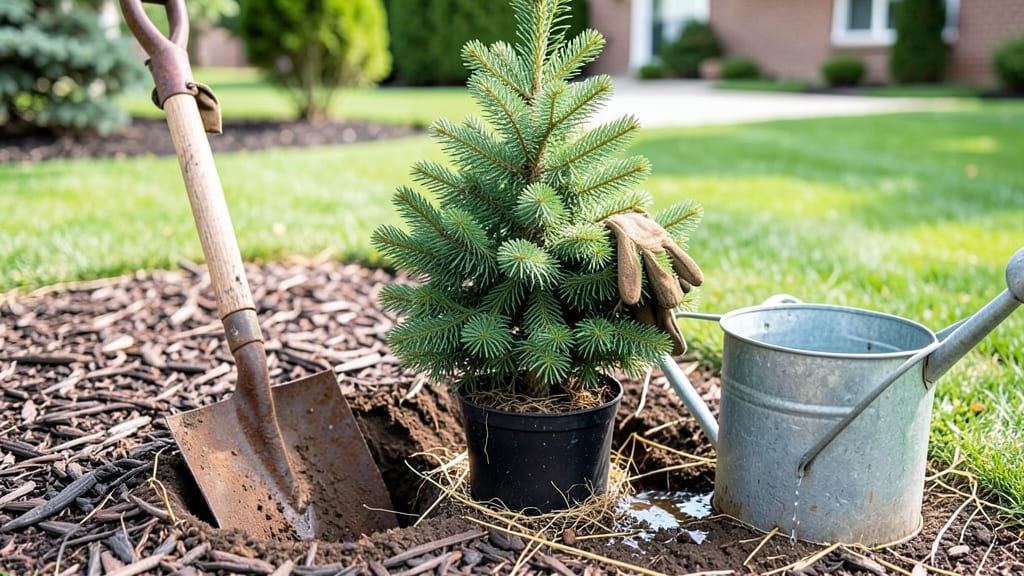
Planting a tree in Colorado at the right time can mean the difference between a thriving 🌳 and a struggling sapling.
If you’ve ever watched a newly planted tree wilt under late spring frosts or struggle to take root in scorching summer heat, you know how critical timing is.
Colorado’s USDA Zones 5–7 bring unique challenges, from sudden cold snaps to drought-prone soil, but the best planting windows exist—you just need to know where to look.
Fall and early spring are the golden windows for most Colorado trees, but the exact month depends on your elevation and microclimate.
Whether you’re planting a bare-root sapling or a container-grown specimen, this guide breaks down the ideal timing, soil prep, and post-planting care to give your tree the best shot at long-term success.
Discover how to align your planting schedule with Colorado’s frost dates, choose the right species for your zone, and avoid the top 3 mistakes that kill young trees before they even get started.
Colorado’s planting zones: best months by climate region
Colorado’s diverse climate means planting windows vary dramatically from the Front Range’s high desert to the Eastern Plains’ semi-arid conditions. Understanding your USDA hardiness zone (typically 4–7) and microclimates (like urban heat islands or mountain valleys) is key to choosing the right timing for your tree.
Plant too early, and frost will damage tender roots; too late, and drought stress sets in before winter.
For most Colorado gardeners, the sweet spot is fall planting (September–October) when soil stays warm but temperatures drop, encouraging root growth before dormancy. Spring planting (March–April) works for bare-root trees once the ground thaws, but container-grown trees can go in slightly earlier.
Let’s break down the best months by region, including frost-free date calculations and local adjustments.
⚠️ PRO TIP: Check Colorado State University’s Almanac frost dates for your exact location—Denver’s last spring frost averages April 24, while Grand Junction’s can be May 15 or later. Use these as your minimum safe planting windows.
In the Front Range, where zones 5–6 dominate, fall planting is ideal because cooler temps reduce transplant shock. Aim for September 15–October 15—this gives roots time to establish before the first frost (typically October 15–November 1).
Spring planting here should wait until after April 24, when the soil thaws and stays frost-free.
On the Western Slope (zones 6–7), you’ve got a slightly longer window due to milder winters. Plant bare-root trees in late winter (February–March) or container-grown trees in October–November.
The later frost dates (up to May 15) let you push spring planting into May–June for heat-loving species like Pecan or Desert Willow.
For the Eastern Plains, where winds can scorch young foliage, fall planting is critical. The drier climate means you’ll need to water deeply every 7–10 days for the first year.
If planting in spring, choose wind-resistant trees like Russian Olive or Hackberry, and protect them with burlap windbreaks.
The San Luis Valley’s high elevation (zones 4–5) demands patience—spring planting should wait until after May 10, and fall planting must finish by August 30 to avoid early frosts.
Prioritize native species like Engelmann Spruce or Quaking Aspen, which thrive in these conditions. Avoid tender varieties like Crape Myrtle, which struggle with sub-zero temps.
💡 MICROCLIMATE HACK: Urban areas like Denver or Colorado Springs can be 5–10°F warmer than rural zones due to heat islands. If you’re in a city, plant 1–2 weeks later than rural guidelines to avoid heat stress on newly planted trees.
No matter your region, soil temperature is your best guide. Use a soil thermometer—ideal planting temps are 50–60°F. For container-grown trees, you can plant 2–3 weeks earlier than bare-root, as their roots are less sensitive to cold. Always water thoroughly at planting and mulch to retain moisture.
Timing your tree planting right in Colorado isn’t just about the calendar—it’s about reading your local microclimate and choosing species
Critical factors that determine tree planting success in Colorado
Colorado’s diverse elevation zones and dry climate create unique challenges for tree planting. Unlike coastal regions, our soil composition varies dramatically—from alkaline clay in the Front Range to sandy loam on the Western Slope. These differences directly impact root establishment and long-term survival rates.
Before selecting a tree species, assess your site’s water availability. Colorado’s arid conditions mean even drought-tolerant species like Ponderosa Pine or Rocky Mountain Juniper require proper soil moisture during their first critical growing seasons.
A single misstep in watering can mean the difference between a thriving canopy and a struggling sapling.
Elevation plays a decisive role in species selection. Trees planted at 5,000 feet face different temperature fluctuations than those at 10,000 feet. For example, Blue Spruce thrives at mid-elevations but may struggle in the thin air of the San Luis Valley.
Always match your tree species to your specific USDA hardiness zone (typically 5–7 in Colorado).
⚠️ WARNING: Colorado’s Frost Risks Can Ruin Your Tree ⚠️
⚠️ Planting at the wrong time exposes young trees to:
- Late spring frosts (April–May) that damage tender new growth
- Winter desiccation from dry winds at high elevations
- Poor root establishment if planted too early (before soil warms)
Don’t overlook soil preparation—Colorado’s native soils often lack organic matter. Amend clay-heavy soils with compost or sand to improve drainage, while sandy soils benefit from organic amendments like peat moss. A soil test (available through local extension offices) reveals pH levels and nutrient deficiencies that could stunt growth.
Consider microclimates in your yard. South-facing slopes warm up faster, creating ideal conditions for early spring planting, while north-facing areas may stay colder longer. Evergreens like Douglas Fir handle these variations better than broadleaf species, which need consistent warmth.
Always plant on a slight slope to prevent water pooling around roots.
Finally, mulching is non-negotiable. Apply 3–4 inches of organic mulch (wood chips or straw) around the base of your tree to retain moisture and regulate soil temperature. Avoid piling mulch against the trunk—keep it 2–3 inches away to prevent rot.
With these factors in mind, your Colorado tree will establish strong roots and reach maturity with minimal stress.