
Plants
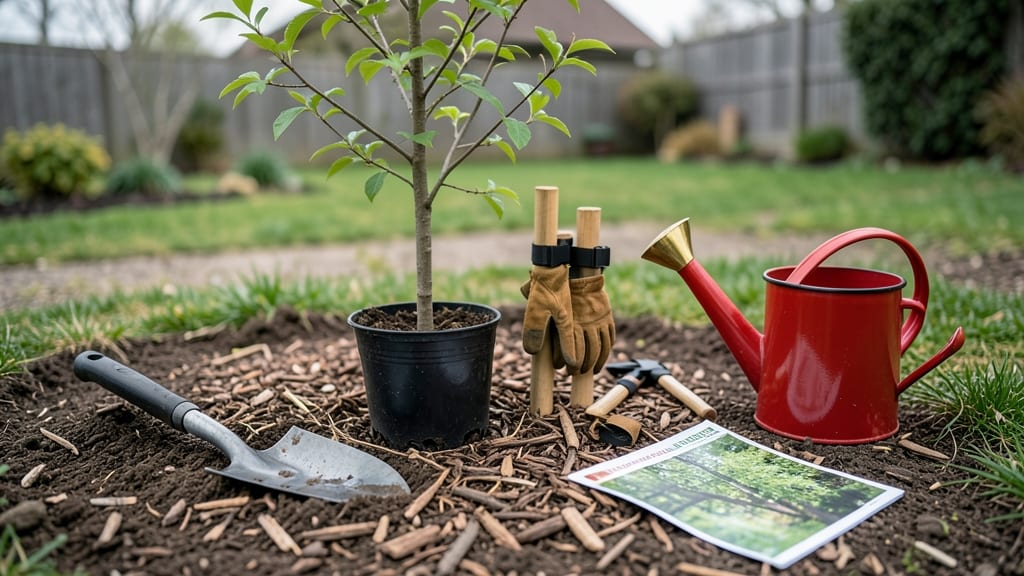
Planting a tree in Iowa at the right time means the difference between a strong, healthy 🌳 and one struggling to survive the first winter.
You’ve got two prime windows—early spring or fall—but get the timing wrong, and you’re fighting frost heaves, poor root growth, or even transplant shock. In zones 5a-6b, those 30-day windows between frost and soil thaw (or before the ground freezes) are your golden opportunity.
Here’s how to pick the best month for your tree, whether it’s an oak, maple, or fruit-bearing variety, plus the soil prep tricks that make all the difference in Iowa’s unpredictable climate.
Skip ahead to learn which monthly window fits your hardiness zone, how to tell if your soil is ready, and the one mistake that kills more young trees than frost ever does.
Iowa’s best tree planting months by hardiness zones (5a-6b)
Iowa’s USDA hardiness zones 5a-6b create unique challenges for tree planting, where late frosts and hot summers demand precise timing. Planting outside these windows risks stunted growth or winter damage, especially for deciduous trees like oaks and maples.
The key? Aligning your planting with soil temperatures and dormancy cycles—not just calendar months.
For bare-root trees, the ideal window is early spring (March-April) or fall (September-October), when trees can establish roots before extreme weather. Container-grown trees, however, offer more flexibility, allowing planting even in late spring or early fall.
But timing isn’t one-size-fits-all—evergreens like pines and spruces need different care than fruit trees or ornamental species.
Here’s how Iowa’s microclimates and frost dates influence planting success across zones 5a-6b:
| Zone | Best Planting Months | Soil Temp Threshold | Tree Type | Key Consideration |
|---|---|---|---|---|
| 5a (Northern IA) | April 1–May 15 September 15–October 15 |
40–50°F (4–10°C) | Deciduous (oak, maple) Evergreen (pine, spruce) |
Avoid late spring frosts; mulch heavily for winter protection. |
| 5b (Central IA) | March 20–April 30 September 1–October 10 |
45–55°F (7–13°C) | Fruit trees (apple, pear) Shade trees (elm, hickory) |
Monitor soil moisture—drought stress is common in May. |
| 6a (Southern IA) | March 15–April 15 September 10–October 5 |
50–60°F (10–15°C) | Fast-growing (willow, poplar) Ornamental (crabapple, dogwood) |
Plant container-grown trees in late fall for earlier spring growth. |
| 6b (Southeast IA) | March 1–April 10 September 5–October 1 |
55–65°F (13–18°C) | Tropical-looking (crepe myrtle) Drought-tolerant (redbud, ginkgo) |
Use windbreaks to protect young trees from spring storms. |
In zone 5a, where winters are longest, focus on bare-root planting in early spring to outpace frost. The soil temperature must stay above 40°F (4°C) for roots to establish—use a soil thermometer to confirm.
For evergreens, avoid fall planting in colder zones; their roots need time to harden before winter.
Zone 6b, with milder winters, allows a slightly extended fall window. Here, container-grown trees can be planted as late as early October, but bare-root species should go in by mid-September. The critical factor is avoiding late-season drought, which stresses newly planted trees before dormancy.
For fruit trees, timing matters even more. Plant apple or pear trees in early spring to ensure they flower and fruit in sync with Iowa’s pollinators.
In zone 5a-5b, delay planting until after last frost dates (typically April 15), while zone 6a-6b can start as early as March 15.
Pro tip: Amend clay-heavy Iowa soils with compost before planting—this improves drainage and root establishment. Water deeply after planting, then mulch 3–4 inches to retain moisture and regulate soil temperature. In urban areas, where soil compaction is common, consider raised beds or root stimulants for slower-growing species.
Remember, tree health starts underground. A tree planted in the wrong season may survive but won’t thrive. By following these zone-specific guidelines, you’ll give your new trees the best chance to grow strong roots, withstand Iowa’s unpredictable weather, and provide shade for decades to come. 🌳
Critical factors that determine success beyond just months
Timing your tree planting isn’t just about picking a month—it’s about understanding how soil moisture, frost dates, and tree species interact in Iowa’s unique climate.
A red oak planted too late in fall may struggle with winter desiccation, while a sugar maple needs moist soil to establish roots before dormancy. Even the pine species you choose affects when you should plant.
Urban areas like Des Moines experience heat islands that delay frost, while rural zones in northern Iowa face earlier freezes. This means your planting window might shift by weeks depending on location.
For example, bare-root trees thrive when planted in early spring (March-April) when soil temperatures hit 40°F, but container-grown trees can handle fall planting until mid-October.
🌱 Iowa Tree Planting Success Factors
- Soil Moisture: Keep roots hydrated but avoid waterlogged soil (especially for oak and maple).
- Frost Dates: Plant 6-8 weeks before first frost (typically by October 15).
- Tree Species: Pines tolerate drier soil; maples need consistent moisture.
- Urban vs. Rural: Urban areas stay warmer—adjust planting 2-3 weeks later than rural zones.
Pro Tip: Use a soil thermometer to confirm 40°F+ soil temps before planting in spring.
Let’s break down how these factors play out for Iowa’s top three trees. Oaks (like bur or white oak) need deep, well-draining soil and should be planted when soil moisture is high—typically in early spring to avoid summer drought stress. Maples, including sugar or red maple, prefer moist, slightly acidic soil and benefit from fall planting to establish roots before winter.
Meanwhile, pine species (like white or Scotch pine) are more adaptable. They handle drier conditions and can be planted in late spring or early fall. However, avoid planting pines in urban heat islands where summer drought can stress young roots.
Rural areas with loamy soil provide the ideal balance for pine growth.
Don’t overlook microclimates in Iowa. A south-facing slope in central Iowa may warm up faster in spring, while a north-facing yard in northern Iowa could stay colder longer. Adjust your planting by observing local frost patterns—check the Iowa State University Extension frost maps for your county.
For example, Dubuque’s last frost often comes 2 weeks later than Sioux City’s.
Finally, consider mulching and watering schedules based on these factors. Newly planted trees in urban areas may need weekly deep watering due to heat stress, while rural trees might only require watering every 10-14 days.
Use 3-4 inches of mulch to retain moisture and regulate soil temperature, but keep mulch 6 inches away from the trunk to prevent rot.
By aligning your planting with these soil, climate, and species-specific factors, you’ll give your tree the best chance to thrive—whether it’s a shade-providing oak or a windbreak pine.
The right timing isn’t just about the calendar; it’s about understanding how these elements work together in your specific Iowa location. 🌳