
Watering
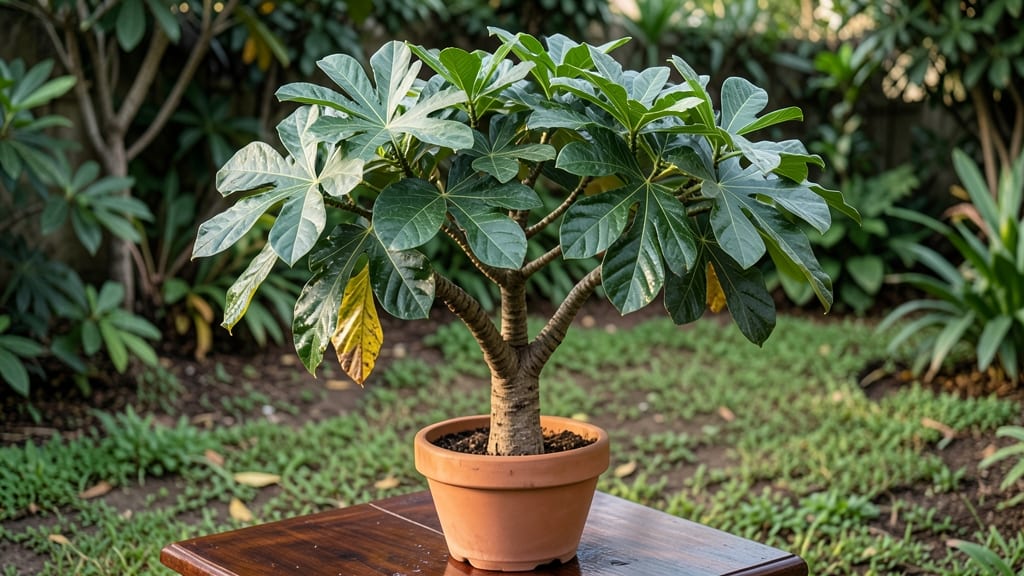
An overwatered money tree looks like a sad, soggy mess—droopy leaves, yellow spots, and roots that turn mushy when you check. 🌱 I’ve seen it happen after a well-meaning friend drowned their plant for a week straight, thinking more water was better.
The leaves start wilting first, then turn yellow at the edges, and the soil smells funky, like wet socks left in a gym bag.
The real giveaway? The roots. Healthy roots are firm and white, but overwatered ones are brown, slimy, and crumble like wet cardboard. This isn’t just wilting—it’s root rot, and it spreads fast.
The good news? You can often save your money tree with the right fix, but you’ve got to act before the whole plant turns to mush.
Here’s the kicker: overwatering mimics underwatering at first. Both cause droopy leaves, but underwatered plants feel dry and crispy at the roots, while overwatered ones stay damp for days. The difference? Overwatered soil stays soggy, and the leaves yellow and droop—never just one or the other.
Fix it by letting the soil dry out completely between waterings, repotting in fresh, well-draining mix, and trimming any mushy roots. Within weeks, you’ll see new growth pushing through—proof that even a soggy mess can bounce back with the right care.
The Root Causes of Overwatering
When your money tree (Pachira aquatica) starts showing signs of distress like yellowing leaves, drooping branches, or mushy stems, the culprit is often too much water. But why does this happen?
Overwatering isn’t just about giving your plant a little extra drink—it’s a complex issue tied to soil science, plant biology, and environmental factors. Let’s break down the key reasons your money tree might be drowning in its own pot.
Plants, like humans, need balance. While money trees thrive in humid conditions, their roots require oxygen to breathe. When you water too frequently—or let your plant sit in soggy soil—you disrupt this equilibrium. Here’s what happens:
- Oxygen deprivation: Soil is full of tiny air pockets that roots use for respiration. When overwatered, these pockets fill with water, suffocating the roots. Without oxygen, roots can’t absorb nutrients efficiently, leading to wilting or yellowing leaves.
- Fungal growth: Excess moisture creates the perfect breeding ground for pathogenic fungi like Phytophthora or Pythium. These organisms attack root cells, causing rot and weakening the plant’s structure.
- Nutrient leaching: Overwatering washes away essential minerals (like nitrogen, phosphorus, and potassium) from the soil. Even if you’re using fertilizer, the plant can’t access it, leading to nutrient deficiencies that mimic drought stress.
Actionable fix: Let the top 1–2 inches of soil dry out between waterings. Use a moisture meter or stick your finger in the soil to check—if it’s damp, wait!
Not all pots are created equal. If your money tree is in a container without drainage holes, water pools at the bottom instead of draining away. This creates a permanent soggy environment that roots can’t escape.
Even if you water sparingly, the lack of drainage turns every watering session into a potential disaster.
- Waterlogging: Without an exit route, excess water sits at the root zone, cutting off oxygen and promoting rot. Money trees are tropical but hate waterlogged conditions—their roots are adapted to well-draining soils in their natural swampy habitats.
- Salt buildup: Over time, minerals from tap water or fertilizer accumulate in the soil. In a pot without drainage, these salts crystallize around roots, further restricting water and nutrient uptake.
- Compacted soil: Some potting mixes (especially heavy or clay-based ones) don’t allow water to move freely. If the soil stays dense and wet, roots suffocate even if you’re not overwatering directly.
Actionable fix: Repot your money tree in a container with drainage holes and use a chunky, airy mix (e.g., 50% peat or coconut coir, 30% perlite, 20% orchid bark). If repotting isn’t an option, add a layer of hydroponic clay pebbles at the bottom to improve drainage.
Your money tree’s environment plays a huge role in how it handles water. If the air is too cold, humid, or stagnant, the plant’s natural transpiration process (how it releases water vapor through leaves) slows down.
When transpiration drops, the plant can’t “drink up” excess moisture fast enough, leading to waterlogging.
- Low temperatures: Cold air reduces evaporation from the soil surface. If your plant is in a drafty spot (like near an AC unit or an unheated windowsill), the soil stays wet longer, increasing rot risk.
- High humidity: While money trees love humidity (40–60% is ideal), excessive humidity without airflow traps moisture around the plant. This creates a greenhouse effect, slowing water evaporation and keeping roots damp.
- Lack of airflow: Stagnant air prevents water from evaporating from the soil and leaves. If your plant is crowded with other houseplants or tucked in a corner, it’s more prone to overwatering-related stress.
Actionable fix: Place your money tree in a bright, indirect light spot with moderate airflow (e.g., a few feet from a window with a sheer curtain). Use a small fan on low setting to improve circulation, or group it with other plants to create a microclimate that balances humidity.
One of the biggest mistakes plant parents make is sticking to a rigid watering schedule instead of checking the plant’s actual needs. Money trees are not cacti—they don’t thrive on infrequent deep waterings.
But they also don’t need daily drinks. When you water based on time (e.g., “every Wednesday”), you ignore critical factors like:
- Seasonal changes: In winter, growth slows, and the plant needs 30–50% less water than in spring/summer. A fixed schedule can drown it during colder months.
- Pot size: A small 6-inch pot dries out faster than a 12-inch one. Watering the same amount regardless of pot size leads to overwatering in larger containers.
- Light levels: A money tree in low light transpires less water than one in bright, indirect light. If you’re watering based on light exposure (e.g., a sunny windowsill), but the plant gets moved to a dim corner, it’s at risk.
Actionable fix: Switch to the “finger test” method: Stick your finger 1–2 inches into the soil. If it’s dry, water; if it’s moist, wait. Adjust your schedule based on season, pot size, and light—not just days of the week.
Revive Your Money Tree Now
Overwatering can feel like a death sentence for your money tree (Pachira aquatica), but don’t panic—most plants bounce back with the right care! The key is acting fast, diagnosing the damage, and adjusting your watering habits.
Below, we break down cause-specific fixes and prevention tips to save your leafy friend and keep it thriving for years.
Cause: Too much moisture suffocates roots, cutting off oxygen and nutrients, leading to yellowing or browning leaves.
How to Fix It:
- Stop Watering Immediately 🚰
- Let the top 2–3 inches of soil dry out completely before watering again. Stick your finger in the soil—if it’s damp past your first knuckle, wait.
- Repot in Fresh, Well-Draining Soil 🏺
- Gently remove the plant from its pot and inspect the roots (more on that below). If the soil is compacted or waterlogged, replace it with a cactus or succulent mix (or add perlite/pumice for drainage).
- Trim Damaged Leaves ✂️
- Snip off yellow or mushy leaves with clean scissors to redirect energy to healthy growth. Avoid cutting more than 1/3 of the foliage at once.
- Boost Airflow 🌬️
- Move your money tree to a bright, indirect spot (like an east or north-facing window) and ensure it’s not crammed between other plants.
💡 Pro Tip: Yellowing at the bottom leaves is normal aging, but new leaves turning yellow = overwatering. Act fast!
Cause: Waterlogged roots can’t absorb moisture, causing the plant to wilt even when soil is wet.
How to Fix It:
- Check Root Health 👀
- Remove the plant from its pot and gently rinse the roots under lukewarm water. Healthy roots are firm and white; rotten roots are mushy, brown, or black.
- Trim away mushy roots with sterilized scissors (snip at a 45° angle to prevent splintering).
- Repot in a Larger, Drainage-Friendly Container 🏗️
- Choose a pot 1–2 inches larger than the current one with drainage holes (terracotta is ideal). Fill the bottom with gravel or perlite for extra drainage.
- Water Lightly After Repotting 💦
- Give the plant a shallow watering (just enough to moisten the soil) and avoid deep soaking for 1–2 weeks. Let the soil dry completely between waterings.
- Fertilize Lightly (If Needed) 🌿
- Wait 4–6 weeks after repotting before fertilizing. Use a balanced, water-soluble fertilizer (like 10-10-10) diluted to half strength once a month in spring/summer.
⚠️ Warning: If the stem feels soft or hollow, the damage is severe. Propagate healthy cuttings (see below) and compost the rest.
Cause: Chronic overwatering creates anaerobic conditions, inviting root rot or fungal infections (like Phytophthora).
How to Fix It:
- Prune the Plant Back 🌿
- If the roots are 90% rotten, cut back the foliage to half its size to reduce stress on the remaining roots.
- Disinfect Everything 🧼
- Sterilize your scissors with rubbing alcohol, and wash the pot with soapy water and bleach solution (1 part bleach to 10 parts water) to kill fungi.
- Root in Water (Temporary Fix) 💧
- Place the pruned plant in a jar of fresh water (change weekly) to let the roots recover. Keep it in bright, indirect light and avoid direct sun.
- Repot in Sterile Soil 🏡
- After 2–4 weeks, repot in fresh, sterile potting mix (bake soil in the oven at 200°F for 30 mins to kill pathogens). Add fungicide (like neem oil) to the soil for extra protection.
🌡️ Pro Tip: If the air smells musty near the plant, root rot is spreading. Act immediately—this is a plant emergency!
Once your money tree recovers, keep it happy with these easy habits:
- Watering Schedule:
- Spring/Fall: Water every 10–14 days (let soil dry completely).
- Winter: Water every 3–4 weeks (growth slows).
- Summer: Water every 7–10 days (but check soil moisture—heat dries soil faster).
- Pot & Soil Check:
- Drainage holes are non-negotiable. If your pot doesn’t have them, drill them or use a cache pot (a decorative outer pot with gravel inside).
- Soil mix matters: Use a blend of pepper potting soil + perlite + orchid bark (60:20:20 ratio).
- Humidity & Light:
- Money trees love 40–50% humidity. Use a pebble tray or humidifier if your home is dry.
- Avoid direct sunlight (leaves scorch) but ensure bright, indirect light (like a few feet from a window).
- Monitor & Adjust:
- Weigh your pot—if it feels light, it’s time to water. If it’s heavy, wait.
- Leaf color is your guide: Dark green = happy; yellow/brown = overwatered; crispy edges = underwatered.
🎯 Final Thought: Overwatering is the #1 killer of money trees, but with these fixes, your plant can fully recover in 4–8 weeks. Stay patient, adjust your routine, and soon you’ll have a lush, lucky money tree thriving in your home! 💰🌿
Frequently asked questions
How can I tell if my money tree is overwatered vs. underwatered?
Overwatered money trees have droopy, yellow leaves with mushy stems, while underwatered ones have crispy edges and dry soil. The key difference? Overwatered soil stays damp for days and smells funky, while underwatered soil feels bone-dry. Check the roots—healthy ones are firm and white; overwatered roots are brown and slimy.
Can I save my money tree if the roots are already rotting?
Yes, but act fast! Trim away mushy roots with sterilized scissors, repot in fresh, well-draining soil, and let the soil dry completely between waterings. For severe cases, propagate healthy cuttings in water while the roots recover. If the stem feels hollow, the plant may not survive—but you can often save part of it.
Why does my money tree’s soil stay wet even after days without water?
This usually means poor drainage—either from a pot without holes, compacted soil, or too much organic matter holding moisture. Fix it by repotting in a container with drainage, using a chunky mix (like perlite + orchid bark), and avoiding heavy soils. If repotting isn’t possible, add a layer of hydroponic pebbles at the bottom.
How often should I water my money tree in winter?
Cut back to every 3–4 weeks in winter, as growth slows and the plant needs far less water. Stick your finger in the soil—if it’s still damp at 1 inch down, wait. Grouping plants together creates humidity, so you’ll water even less. Always use a pot with drainage to prevent soggy soil.
Will pruning yellow leaves help an overwatered money tree recover?
Trimming yellow or mushy leaves redirects energy to healthy growth. Just avoid cutting more than 1/3 of the foliage at once. Pair pruning with proper drainage and reduced watering—this combo helps the plant bounce back faster. New growth will push through within 4–6 weeks if roots aren’t severely damaged.