
Pruning
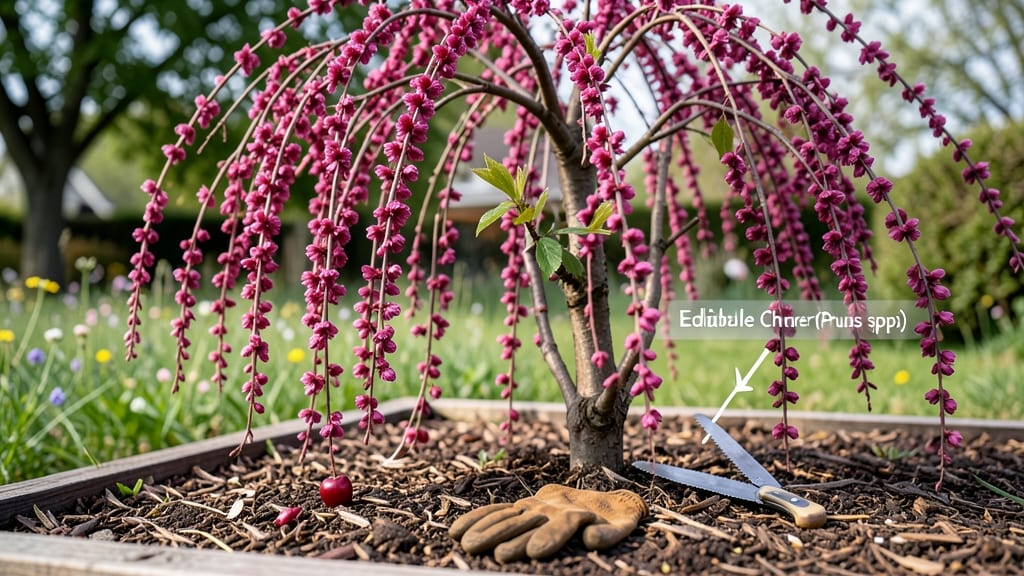
Parts of the weeping cherry tree edible like ripe fruit and tender young leaves can be eaten safely, though in limited amounts. The delicate flowers are both edible and flavorful, while the bark and woody stems contain dangerous cyanogenic glycosides. Always verify the tree's identity before consuming any part.
The weeping cherry tree edible offers a surprising culinary opportunity with its fruit, flowers, and young leaves—but caution is key. 🌸 The ripe cherries are the safest edible part, often used in preserves or fresh salads, while blossoms add a floral note to teas or desserts.
What makes this tree tricky is the cyanide risk in non-fruit parts, which requires positive identification before harvesting. I always recommend consulting a local arborist or using a plant identification app to avoid confusion with toxic look-alikes.
Harvesting these edibles at the right time maximizes both safety and flavor. For fruit, wait until fully ripe and avoid the pits entirely—they're the most dangerous part, containing concentrated cyanide compounds.
Young leaves can be used sparingly in spring salads, but they must be thoroughly washed to remove any potential contaminants from the environment.
💡 In This Article
- Edible vs Toxic Parts of Weeping Cherry Trees
- How to Harvest and Prepare Weeping Cherry Tree Edibles
Edible vs toxic parts of weeping cherry trees
The weeping cherry tree's edible components are primarily its ripe fruit and young leaves, but only when harvested at precise stages. The fruit contains cyanogenic glycosides like amygdalin, which breaks down into cyanide when damaged—but in ripe cherries, these compounds exist in safe concentrations.
Think of it like apple seeds: the whole fruit is edible, but the seeds contain concentrated toxins. The tree's flowers are also safe, offering a mild almond-like flavor perfect for culinary uses.
Here's the critical distinction: bark, stems, and pits contain 10-100 times more cyanogenic glycosides than the fruit. A single 1-ounce serving of pits could contain enough cyanide to be lethal. The leaves also contain these compounds, but in lower concentrations—young leaves (harvested before full maturity) are the safest option.
For comparison, a 100g serving of ripe weeping cherry fruit contains about 50mg of amygdalin, while the same weight of pits contains 1,200mg—a 24-fold increase.
The cyanide risk comes from an enzymatic reaction: when plant cells are damaged (by chewing, crushing, or cooking), the enzyme beta-glucosidase converts amygdalin into toxic hydrogen cyanide. This process happens instantly in pits but much more slowly in ripe fruit.
That's why you should never eat the pits, even if the fruit itself is delicious. The flowers, however, contain negligible amounts of these compounds, making them one of the safest edible parts.
Visual identification is your first line of defense. Weeping cherry trees have darker bark than ornamental varieties and darker fruit than sweet cherries—often a deep red-purple when ripe. The leaves are lance-shaped with serrated edges, but they can resemble other toxic trees like wild cherries.
Always cross-reference with at least three identifying features before harvesting, and consider sending a photo to a local botanist for verification.
Another key factor is harvest timing. Fruit should be fully colored and slightly soft to the touch, while leaves should be no larger than 2 inches and harvested before flowering.
The flowers bloom in early spring, typically lasting 1-2 weeks, and should be picked in the morning when their flavor is most intense. Never harvest leaves after they've fully matured—their cyanide content increases as they age.
For those curious about culinary uses, the flowers make an excellent garnish for desserts or can be steeped in hot water for 2-3 minutes to create a fragrant tea. The fruit can be used like sweet cherries, though the flavor is slightly more tart.
Always remove pits immediately and store fruit in the refrigerator for up to 5 days to prevent spoilage.
Remember: the margin for error with weeping cherry trees is narrow. What makes them fascinating for foraging also makes them dangerous if misidentified. When in doubt, skip it—there are plenty of safe alternatives for floral garnishes and fruit salads. 🌿