
Flowers
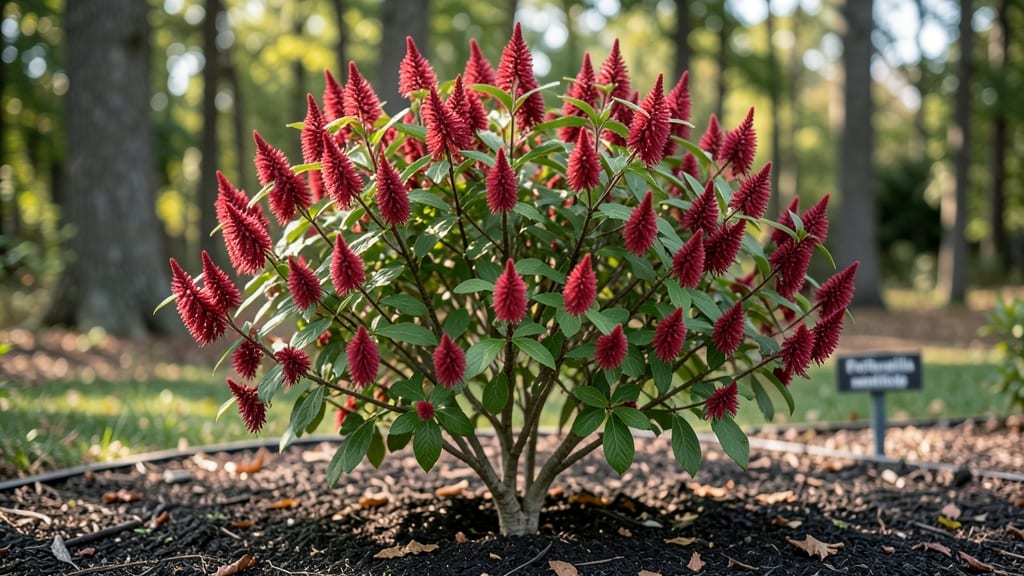
That red fuzzy flowered tree is the whimsical centerpiece your garden has been missing—imagine velvety blooms that catch sunlight like fireworks. 🌸 I planted mine last spring, and now it’s the talk of the neighborhood, drawing hummingbirds and late-afternoon admirers alike.
This isn’t just another shrub; it’s a four-season star with winter bark, spring blooms, and fiery fall foliage.
The real magic happens when you pair it with silver foliage plants—like lamb’s ear or Russian sage—to make the red flowers pop even more. Place it where you can see it from the house, maybe near a path or patio, so you get to enjoy its drama daily.
It thrives in full sun but handles partial shade too, making it perfect for small yards or cottage-style gardens.
Once established, this tree needs almost no fuss—just well-drained soil and occasional pruning to shape it. The fuzzy flowers attract pollinators year-round, and the bark adds winter interest when everything else is bare.
It’s the kind of plant that makes your garden feel like a storybook, with something to admire in every season.
For themed gardens, it’s a wildlife magnet (hummingbirds adore it) and fits right into cottage, pollinator, or even modern minimalist designs. The key is letting it be the star—no need for overcrowding. Just give it space to shine, and watch your garden transform into a living postcard.
Behind the blooms natural mystery
The sight of a tree adorned with vibrant red fuzzy flowers is nothing short of magical, but have you ever wondered why these delicate blooms emerge in such striking colors and textures?
The answer lies in a fascinating interplay of biology, environmental cues, and evolutionary survival strategies. Let’s peel back the layers to uncover the science behind this enchanting phenomenon.
The red fuzzy texture of these flowers isn’t just a random quirk—it’s hardwired into the tree’s genetic code. Many species, like the Japanese kerria (Kerria japonica) or coralberry (Symphoricarpos orbiculatus), produce these flowers as a result of specific genes that regulate pigment production and trichome (hair-like structure) growth.
- Anthocyanins: These water-soluble pigments give flowers their bold red hues. They act as natural sunscreen, protecting delicate petals from UV damage while also signaling to pollinators like bees and butterflies.
- Trichomes: The fuzzy texture is often due to dense clusters of these tiny hair-like outgrowths on the flower’s surface. They can deter pests, reduce water loss, and even reflect excess sunlight—keeping the bloom cool.
💡 Pro Tip: If you’re growing a tree with red fuzzy flowers and notice the blooms losing their vibrancy, it could signal nutrient deficiencies (like low phosphorus) or pH imbalances in the soil. A soil test can help you adjust fertilizers for richer, more vivid blooms.
Not all trees with red fuzzy flowers bloom year-round—some are seasonal show-offs, while others, like the coral ardisia (Ardisia crenata), can flower intermittently depending on conditions. Here’s how climate plays a role:
| Factor | Effect on Blooming |
|---|---|
| 🌡️ Temperature | Most fuzzy-flowered trees thrive in mild to warm climates (USDA Zones 6-9). Cold snaps can delay blooming, while consistent warmth (60–80°F) encourages continuous flowering. |
| ☀️ Sunlight | Full sun (6+ hours/day) triggers photoperiodism, a process where plants detect daylight length to produce flowers. Shady spots may result in sparse or pale blooms. |
| 💧 Water Balance | Drought stress can cause buds to drop, while overwatering may dilute nutrient uptake. Aim for well-draining soil to keep roots happy and blooms vibrant. |
✨ Fun Fact: Some trees, like the fuzzy azalea (Rhododendron), bloom in response to temperature fluctuations—a cold winter followed by a warm spring can set off a spectacular display!
Those fuzzy red flowers aren’t just pretty—they’re strategic masterpieces designed to attract pollinators. Here’s how:
- Color Contrast: Bright red stands out against green foliage, making it easy for bees and hummingbirds to spot from a distance.
- Texture Appeal: The fuzzy texture can trap pollen, ensuring it sticks to visiting insects and increasing the chances of successful pollination.
- Nectar Rewards: Many fuzzy-flowered trees produce nectar, offering a sweet incentive for pollinators to linger and spread their genetic material.
🎯 Garden Hack: If your tree’s fuzzy blooms aren’t attracting pollinators, consider planting companion flowers (like lavender or salvia) nearby to create a pollinator buffet and boost your tree’s reproductive success.
By understanding these natural mechanisms, you can not only appreciate the beauty of red fuzzy flowers but also encourage their growth in your own garden. Whether it’s tweaking soil conditions, providing the right sunlight, or inviting pollinators to the party, science and nature are on your side! 🌿🔬
Reviving Your Blooming Beauty
If your tree with vibrant red fuzzy flowers isn’t thriving as expected, don’t fret—most issues have simple fixes! Below, we’ve mapped common problems to practical solutions, so you can get your botanical star back to its show-stopping glory. Prevention tips are included to keep your tree flourishing long-term.
Problem: Stunted growth or yellowing leaves often signal roots struggling for room. Fix:
- 🔪 Prune surrounding plants within 3–5 feet of the tree’s base to reduce competition for water and nutrients.
- 🕰️ Transplant (if needed): If the tree is in a container or overly compacted soil, gently loosen roots and replant in a larger area with well-draining soil.
- 💡 Pro Tip: Mulch around the base (but avoid piling against the trunk) to retain moisture and improve soil aeration.
Problem: Fuzzy red blooms fading or wilting may mean light exposure is off. Fix:
- 🌞 Check sunlight needs: Most red fuzzy-flowered trees (like Cornus florida or Hamamelis) thrive in partial shade to full sun. Observe leaf color:
- Yellow/brown leaves? → Move to shadier spot (e.g., dappled sunlight under taller trees).
- Dull, sparse blooms? → Gradually increase sunlight (morning sun is gentler than harsh afternoon rays).
- 🌡️ Heatwave hack: If your area gets scorching summers, provide afternoon shade with a lightweight cloth shade until the tree adjusts.
Problem: Drooping leaves, crispy edges, or moldy soil hint at over- or under-watering. Fix:
- 👨🍳 Watering routine:
- Underwatered? Soak the soil deeply 1–2 times per week (check 2 inches down—if dry, water more).
- Overwatered? Let the top 3 inches dry out between waterings. Improve drainage by amending soil with perlite or compost.
- 🌧️ Rainy season? Ensure pots have drainage holes or plant in a slightly elevated bed to prevent root rot.
Problem: Chewed leaves, sticky residue, or tiny bugs mean pests are crashing your tree’s party. Fix:
- 🔍 Identify the culprit:
- Aphids/spider mites? Spray with neem oil or a soapy water mix (1 tsp mild soap per quart of water).
- Scale insects? Scrape off visible bugs with a soft brush and treat with horticultural oil.
- Caterpillars? Handpick or use Bt (Bacillus thuringiensis), a natural bacteria-based pesticide.
- 💡 Prevention: Encourage beneficial insects (like ladybugs) by planting marigolds or basil nearby.
Problem: White powder, black spots, or mushy stems = fungal infections. Fix:
- 🧹 Remove infected parts immediately with sterilized pruners (wipe with rubbing alcohol between cuts).
- 🍄 Fungal treatment:
- Early stages? Apply copper fungicide or a baking soda spray (1 tsp baking soda + 1 quart water + a drop of soap).
- Severe cases? Replace topsoil with fungicide-treated mix and improve airflow by thinning dense foliage.
- 🎯 Prevention: Water at the base (not leaves), avoid overhead sprinklers, and sterilize tools after pruning.
Problem: Pale leaves or slow growth mean your tree is hungry. Fix:
- 📊 Soil test first: Use a DIY test kit or send a sample to a local extension office to check pH and nutrient levels.
- 🥗 Fertilizer options:
- Balanced feed (10-10-10): Apply in early spring before blooming season.
- Organic boost: Mix in compost or worm castings for slow-release nutrients.
- Micronutrients: If magnesium is low (yellow between veins), sprinkle Epsom salt lightly around the base.
- ✨ Pro Tip: Avoid fertilizing in extreme heat—it can burn roots. Water thoroughly before and after applying.
With these targeted fixes, your red fuzzy-flowered tree should bounce back stronger than ever. Monitor progress weekly and adjust care as needed—your garden’s star deserves the spotlight! 🌸
Frequently asked questions
What’s the most common tree with red fuzzy flowers?
The coralberry (Symphoricarpos orbiculatus) is one of the most popular choices, known for its clusters of fuzzy red berries that resemble flowers. Other top picks include Japanese kerria (Kerria japonica) and fuzzy azalea (Rhododendron), both prized for their velvety blooms and pollinator appeal.
Can these trees grow in containers?
Yes! Many red fuzzy-flowered varieties like dwarf ninebark (Physocarpus) or coral ardisia (Ardisia crenata) thrive in containers. Use well-draining potting mix and a pot with drainage holes. For larger trees (like dogwood), choose a spacious container and repot every 2-3 years to refresh the soil.
Do red fuzzy flowers attract hummingbirds?
The fuzzy texture and bright red color make these flowers irresistible to hummingbirds. Planting near bee balm or salvia creates a pollinator buffet. Just ensure your tree gets enough sunlight—hummingbirds need energy-rich nectar, which thrives in full sun.
How do I prune to encourage more fuzzy blooms?
Prune right after flowering (late spring) to shape the tree and remove dead branches. For shrubs like coralberry, cut back one-third of old stems to the ground—this stimulates new growth and denser blooms. Avoid heavy pruning in fall/winter, as it removes next year’s flower buds.
Are these trees deer-resistant?
Most red fuzzy-flowered trees (like kerria or ninebark) are moderately deer-resistant, but hungry deer may still nibble. For extra protection, use deer repellent sprays or plant near deer-deterrent herbs (lavender, rosemary). Young trees need extra shielding until established.