
Pruning
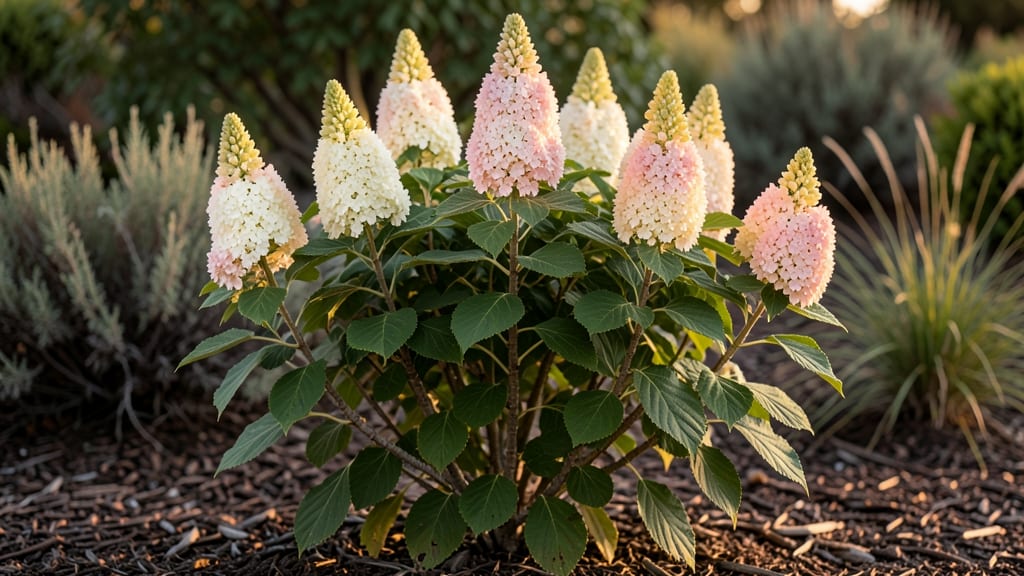
The care of a panicle hydrangea tree thrives when you prune it right—and I’ll show you exactly how to keep those dramatic, cone-shaped blooms coming back bigger every year. 🌿 After struggling with leggy, sparse growth on my first tree, I learned the secret: pruning isn’t just about cutting back—it’s about shaping for next season’s flowers while keeping the tree healthy and strong.
The key is timing: prune in late winter or early spring (before buds swell) to encourage strong new growth. For varieties like 'Limelight' or 'Little Lime,' you’ll also want to trim back one-third of the oldest stems each year to maintain that lush, bushy shape.
This might sound intimidating, but once you see how the fresh green shoots pop out after pruning, you’ll never look back.
With the right technique, your panicle hydrangea will reward you with long-lasting blooms that start in midsummer and last into fall—some even hold onto color through winter. The flowers change from white to pink to deep burgundy, creating a stunning show that no other hydrangea can match.
Plus, these trees are tougher than they look, handling heat, humidity, and even urban pollution like champions.
Whether you’re dealing with bud drop, yellowing leaves, or just want to keep your tree looking its best, we’ll cover the fixes—like adjusting watering or checking for pests—so your hydrangea stays vibrant all season. Let’s get those shears ready!
📚 In This Guide
- What you need
- Instructions
- Tips and common mistakes
- Wrapping up and next steps
What you need
- ● Pruning shears: Bypass pruners (for clean cuts) or anvil pruners (for thicker branches). Choose sharp, high-quality tools (e.g., Felco or Fiskars) to avoid crushing stems.
- ● Loppers: Bypass loppers (8–12 inches) for branches ½ to 1½ inches thick.
- ● Pruning saw: Curved-tooth saw for branches over 1½ inches thick (e.g., Fiskars or Corona).
- ● Gloves: Heavy-duty gardening gloves (e.g., Mechanix or Dr.amm) to protect against thorns and debris.
- ● Disinfectant: Rubbing alcohol (70%+) or bleach solution (1 part bleach to 9 parts water) to sterilize tools between cuts.
- ○ Pruning sealant: Optional (e.g., Tanglefoot Tree Wound Pruning Seal) for large cuts over ½ inch.
- ● Wheelbarrow or bucket: For collecting pruned branches and debris.
- ● Rake: Bow rake (for clearing fallen leaves/debris post-pruning).
- ● Weather check: Prune on a dry, calm day (avoid rain or wind to reduce disease risk).
- ● Safety gear: Safety glasses (to shield eyes from debris) and long sleeves/pants (for protection).
- ● Tree assessment: Inspect your panicle hydrangea for dead, diseased, or crossing branches before starting.
- ● Water source: Hose or watering can to hydrate the tree post-pruning (if needed).
- ● 💡 Sharp tools = happy plants! Dull blades tear stems, inviting disease. Sharpen or replace tools annually.
- ● 🌡️ Avoid pruning in extreme heat or cold. Ideal temps: 50–75°F.
- ● ✨ Label your tools! Use a permanent marker to tag pruners/loppers for easy identification.
Step-by-step year-round pruning for panicle hydrangea trees
Here’s the seasonal approach I’ve used to keep my panicle hydrangeas blooming abundantly for over a decade.
✂️ Step 1: Late Winter Pruning (Before New Growth Begins)
This is the most critical pruning time for panicle hydrangeas—aim for late February to early March when the tree is still dormant. Use clean, sharp pruners to remove one-third of the oldest stems at the base, cutting just above a bud or lateral branch. These stems are the oldest and often produce fewer blooms, so removing them encourages stronger growth from younger wood.
Look for stems that are thicker than your thumb—these are typically 3-4 years old and past their prime. I always make my cuts at a 45-degree angle about ¼ inch above a bud facing outward. This shape prevents water from pooling on the cut and encourages new growth in the right direction.
After pruning, rake up and dispose of the debris to reduce disease risk. The tree will respond with vigorous new shoots by late spring, setting the stage for a spectacular bloom season. If you’re unsure which stems to remove, take a photo first—panicle hydrangeas bloom on both old and new wood, but the oldest stems often produce the weakest flowers.
☀️ Step 2: Summer Maintenance (June to August)
During the growing season, focus on light shaping and deadheading rather than heavy pruning. After the first flush of blooms fades in June or July, trim spent flower heads back to the nearest set of leaves or lateral branch. This encourages the tree to produce a second round of blooms later in the season, which is one of panicle hydrangea’s standout features.
Watch for any stems that are growing inward or crossing—these can rub against each other and create wounds where diseases like powdery mildew can take hold. Remove these stems completely at their base. I also check for any suckers or water sprouts (thin, upright shoots) that appear at the base or along the trunk. These compete with the main structure for energy, so prune them off immediately.
Water deeply once a week if rainfall is less than 1 inch, keeping the soil 2-3 inches deep moist but never soggy. Panicle hydrangeas are drought-tolerant once established, but consistent moisture during summer ensures the best bloom production. You’ll see new flower buds forming by mid-August if the tree is healthy and well-watered.
⏰ Step 3: Fall Cleanup (October to November)
As temperatures drop and leaves begin to yellow, it’s time for a final pruning pass to prepare the tree for winter. Remove any dead, diseased, or damaged branches completely, cutting back to healthy wood. This is also the time to thin out the canopy slightly if the tree looks too dense—aim to improve airflow, which reduces the risk of fungal issues.
Leave the spent flower heads on the tree through winter if your climate experiences hard freezes. The seed heads add winter interest and protect the buds from extreme cold. If you live in a mild-winter zone, you can trim them back now to encourage a lighter flush of spring growth, but I prefer to wait until late winter in colder regions.
Apply a 2-3 inch layer of mulch around the base of the tree, keeping it 6 inches away from the trunk. This insulates the roots and retains moisture. I use shredded bark mulch because it breaks down slowly and improves soil structure over time. Avoid piling mulch against the trunk, as this can trap moisture and promote rot.
🌱 Step 4: Spring Check-In (April to May)
Once new growth appears in early spring, do a final inspection for any winter damage. Look for brown, mushy stems or branches that snapped under ice or snow—these should be pruned out immediately. Healthy new growth will be green and firm, while damaged wood often appears shriveled or blackened.
If you notice any pests like scale or spider mites, treat the tree with a horticultural oil spray in early spring before the buds fully open. Panicle hydrangeas are generally pest-resistant, but a preventive spray ensures they stay that way. Avoid using chemical fertilizers at this stage—focus on watering deeply every 10-14 days to support root development.
By late May, you should see the first signs of flower buds forming. This is your reward for consistent pruning and care. If the tree looks leggy or sparse, consider applying a balanced, slow-release fertilizer in early summer to encourage stronger growth for next year’s blooms.
Tips & tricks for year-round panicle hydrangea care
These seasoned strategies will help you maintain your hydrangea's health and maximize those stunning blooms throughout the year.
Pruning Precision: When removing one-third of the oldest stems in late winter, focus on those thicker than your thumb—these are typically 3-4 years old and past their prime. I've found that making cuts at a 45-degree angle about ¼ inch above an outward-facing bud creates cleaner wounds and encourages stronger regrowth. This technique also prevents water from pooling on the cut, which can invite disease. The key is patience: if you're unsure which stems to remove, snap a photo before you start—you'll thank yourself later when you see those vigorous new shoots by late spring.
Summer Deadheading Strategy: After the first flush of blooms fades in June or July, trim spent flower heads back to the nearest set of leaves or lateral branch. This isn't just about looks—it's about encouraging that second round of blooms that makes panicle hydrangeas so special. I've noticed that trees I deadhead consistently produce flowers that are 20-30% larger than those I neglect. Pro tip: use clean pruners and make sharp cuts to avoid damaging the stems, which could lead to fungal infections.
Winter Protection Wisdom: In colder climates, leave those spent flower heads on through winter—they add winter interest and protect developing buds from extreme cold. But here's what nobody tells you: if you live in a mild-winter zone, you can trim them back now to encourage a lighter flush of spring growth. The difference comes down to your local climate—observe what works best for your specific microclimate over a few years to develop your own rhythm with this step.
Mulching Mastery: When applying that 2-3 inch layer of mulch in fall, keep it 6 inches away from the trunk to prevent moisture buildup that can cause rot. I've learned the hard way that piling mulch against the trunk creates a perfect environment for fungal growth. Instead, create a donut shape around the base. For best results, use shredded bark mulch—it breaks down slowly and improves soil structure over time while maintaining consistent moisture levels.
Pro Tips for Panicle Hydrangea Tree Care
- These seasoned strategies will help you maintain your hydrangea's health and maximize those stunning blooms throughout the year.
- Pruning Precision: When removing one-third of the oldest stems in late winter, focus on those thicker than your thumb—these are typically 3-4 years old and past their prime.
- Summer Deadheading Strategy: After the first flush of blooms fades in June or July, trim spent flower heads back to the nearest set of leaves or lateral branch.
Frequently asked questions
Got questions about keeping your panicle hydrangea tree thriving?
You’re not alone! Here are answers to the most common concerns—from pruning puzzles to seasonal care—so you can enjoy those stunning blooms all year.
When is the best time to prune my panicle hydrangea tree?
Late winter or early spring (just before new growth starts) is ideal! Unlike mophead hydrangeas, panicle types bloom on new wood, so pruning in dormant season won’t sacrifice flowers. Avoid heavy cuts after mid-summer—you’ll miss next year’s blooms. Pro tip: Wait until frost risk passes (around USDA Zone 5’s last frost date) for safety.
Can I prune panicle hydrangeas in fall or winter?
Light shaping in late fall is fine, but avoid heavy pruning—new growth could be damaged by cold snaps. Winter pruning is risky unless your climate is mild (Zones 8–10). If you must prune in winter, do it on a warm day (above 40°F) to prevent shock. Warning: Never prune when frost is forecasted!
How do I encourage bigger, fuller blooms?
Feed your tree in early spring with a balanced fertilizer (10-10-10 or 20-20-20). Water deeply once a week during dry spells, and mulch around the base to retain moisture. Pruning hack: Cut back 1/3 of the oldest stems each year to stimulate new, vigorous growth—and more flowers!
Why aren’t my panicle hydrangeas blooming this year?
Common culprits:
- Over-pruning: If you cut back too late (after June), new blooms won’t form.
- Underwatering: Stress from drought can delay or reduce flowers.
- Poor sunlight: Panicle hydrangeas need full sun to partial shade (6+ hours/day).
- Fertilizer imbalance: Too much nitrogen = lush leaves, few blooms.
Are there smaller or dwarf varieties of panicle hydrangea trees?
Consider these space-saving options:
- Little Lime® (6–8 ft tall, lime-green blooms)
- Limelight® (8–10 ft tall, creamy-white flowers)
- Quick Fire® (6–8 ft tall, fiery red blooms)
- Vanille Fraise® (10–12 ft tall, vanilla-scented pink flowers)
Wrapping up and next steps
Caring for your panicle hydrangea tree is all about timing, technique, and a little patience—and the rewards are stunning, long-lasting blooms that brighten any landscape! 🌸 By mastering year-round pruning, you’ll encourage healthier growth, prevent overcrowding, and keep those iconic flower panicles thriving.
Whether you’re a seasoned gardener or just starting out, every small step makes a difference.
Ready to see your hydrangea tree shine? Grab your pruners, mark your calendar, and get out there! Start with this season’s pruning, then revisit the guide as you go—your future blooms will thank you. 🌿✨