
Light Requirements
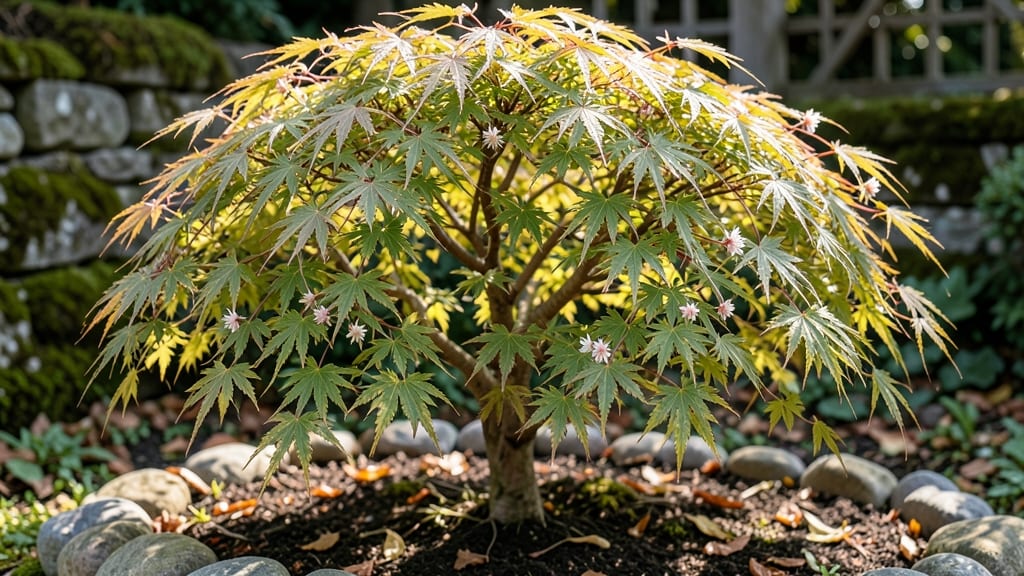
The tree with dark and light green leaves transforms any garden into a living masterpiece. 🌿 I’ve planted mine as a dramatic focal point, and the way sunlight dances through the variegated foliage—some leaves deep emerald, others pale chartreuse—creates a mesmerizing contrast that never fades, even in winter.
These trees thrive in partial shade, making them perfect for underplanting near patios or lining garden borders where full sun might scorch delicate leaves. The best part? They demand minimal care—just consistent watering and occasional pruning to shape their natural elegance.
My Dracaena marginata (dragon tree) has become the star of my backyard, its striking stripes adding depth to every season. You’ll love how these trees pair with hostas for shade gardens or poppies for sunny borders, creating a layered look that feels both wild and intentional.
The visual impact is immediate—think of a bold, architectural statement that grows more striking with age. Whether you’re designing a modern courtyard or a cottage-style garden, these trees deliver year-round interest with almost no effort. Let’s find the perfect one for your space!
📚 In This Guide
- What you need
- Instructions
- Tips and common mistakes
- Wrapping up and next steps
What you need
- ● Tree selection: 1–3 mature Drimys winteri (Winter’s Bark) or Nothofagus (Southern Beech) saplings (3–6 ft tall, depending on desired maturity speed).
- ○ Optional: Pre-pruned trees for instant contrast (check local nurseries for "variegated" or "bicolor" foliage varieties).
- ● Soil amendments: 5–10 lbs of well-draining potting mix (or garden soil + 20% perlite for in-ground planting).
- ● 1 lb of compost or worm castings (for nutrient-rich soil).
- ● Fertilizer: 1 slow-release balanced fertilizer (10-10-10 or 20-20-20, 1 lb per tree).
- ● Planting tools: 1 shovel or trowel (for digging).
- ● 1 pruning shears (sterilized, for shaping).
- ● 1 watering can or hose with nozzle (gentle spray for new plants).
- ○ Safety gear (optional but recommended):strong> 1 pair of gardening gloves (to protect hands from thorns or rough bark).
- ● 1 mulch (wood chips or pine straw) (2–3 inches, to retain moisture).
- ● ✅ A sunlight assessment: Most dark/light green leaf trees thrive in partial shade to full sun (6+ hours/day). Test your garden’s light conditions for 24 hours before planting.
- ● ✅ Space planning: Ensure 10–15 ft of clearance around the tree (or prune regularly for smaller varieties).
- ● ✅ Local climate check: Verify your USDA hardiness zone (most variegated trees suit zones 6–9).
How to plant and care for a variegated tree for bold garden drama
This striking foliage plant thrives with minimal fuss—just follow these steps for year-round visual impact.
🌱 Step 1: Select the Right Variegated Tree for Your Space
For that perfect dark-and-light green contrast, I always reach for dwarf variegated holly (Ilex crenata 'Sky Pencil') or golden privet (Ligustrum x vicaryi 'Golden Mops'). Both handle partial shade and stay compact—ideal for small gardens or container planting. Check the mature height: 6-10 feet for holly, 3-5 feet for privet.
Here's the thing—variegated trees need at least 4-6 hours of sunlight daily to maintain their bold coloration. If your spot gets less, choose a shade-tolerant option like variegated Japanese maple (Acer palmatum 'Butterfly'), which thrives in morning sun and afternoon shade. Avoid planting in windy areas—those delicate light-green leaves will scorch.
🪴 Step 2: Prepare the Planting Site for Optimal Growth
Dig a hole twice as wide as the root ball but only as deep—this prevents root damage from being buried too deep. Amend the native soil with 2-3 inches of compost mixed into the bottom of the hole. Variegated trees hate soggy roots, so if your soil drains poorly, add a 4-inch layer of gravel at the bottom before backfilling.
I always test soil moisture before planting: stick your finger in the hole—if it feels damp after 2 hours, your site drains too slowly. In that case, plant on a 6-inch mound to keep roots elevated. For container planting, use a 15-gallon pot with drainage holes and fill it with well-draining potting mix (never garden soil).
☀️ Step 3: Plant and Water for Strong Establishment
Remove the tree from its container and loosen any circling roots with your fingers—this encourages outward growth. Place it in the hole so the top of the root ball sits 1 inch above ground level. Fill around the roots with native soil, pressing gently to eliminate air pockets. Water deeply until the soil 2 inches down feels moist to your touch.
Mulch the base with 2-3 inches of wood chips, keeping it 6 inches away from the trunk to prevent rot. The first year is critical—water once a week during dry spells (check by pushing a screwdriver into the soil; if it resists, water again). Variegated trees show stress first through yellowing of the light-green leaves, so monitor closely.
✂️ Step 4: Prune and Maintain for Year-Round Drama
Prune in late winter or early spring before new growth begins. Remove any dead, crossing, or inward-growing branches first—this opens the canopy for better air circulation. For shape, trim back overly leggy growth by ⅓ of its length to encourage bushier growth. Always use clean, sharp pruners to avoid tearing bark.
Fertilize once in early spring with a balanced 10-10-10 formula—variegated trees don’t need heavy feeding. I swear by a slow-release granular fertilizer scattered around the drip line (not touching the trunk). Watch for leaf scorch in hot summers: if edges brown, increase watering to 2-3 times per week during heatwaves. This keeps the color contrast vibrant all season.
⏰ Step 5: Protect and Enjoy Year-Round Beauty
In winter, variegated trees need extra protection if temperatures drop below 15°F. Wrap the trunk with burlap and mound 4-6 inches of mulch around the base. Avoid heavy snow buildup—brush it off gently to prevent branch breakage. The dark-green leaves act as natural insulation, but the lighter variegation can still suffer frost damage.
Here's the payoff: with proper care, your tree will deliver bold texture contrast for decades. The key is consistent moisture and light pruning—skip the heavy hand, and you’ll have a showstopper that turns heads all year. Real talk: the first winter might look patchy, but by year two, it’ll fill in beautifully.
Tips & tricks for stunning year-round variegated foliage
A few simple secrets can transform your variegated tree from good to showstopping—here's what I've learned after years of growing these dramatic plants.
Lighting is Everything: Those 4-6 hours of sunlight aren't just a suggestion—they're non-negotiable for maintaining vibrant variegation. I've seen trees lose their striking contrast when placed in spots with less light. If your garden gets afternoon shade, position your tree to catch morning sun instead. The light-green leaves need that direct sunlight to stay crisp and bright, while the dark-green leaves can handle more shade.
Root Ball Placement Matters: That 1-inch elevation above ground level in Step 3 isn't just about aesthetics—it prevents water pooling around the trunk, which can cause rot. I've had to replant trees that were buried too deep, and the recovery was slow. For container planting, use a pot with drainage holes and consider adding a layer of pebbles at the bottom to improve drainage further.
Watering Wisdom: The once-a-week guideline works for average conditions, but your tree's needs change with seasons. In summer heat, I check soil moisture every 3-4 days—if the top 2 inches are dry, it's time to water. The key is consistent moisture without soggy roots. You'll notice the light-green leaves yellow first when the tree is thirsty, so monitor them closely during dry spells.
Pruning Payoff: When you trim back overly leggy growth by ⅓ in Step 4, you're not just shaping the tree—you're encouraging denser, bushier growth. I've found that pruning in late winter gives the tree time to fill out before summer. Always use clean, sharp pruners to make clean cuts, and avoid cutting into old wood where new growth won't sprout.
Pro Tips for Tree With Dark And Light Green Leaves
- A few simple secrets can transform your variegated tree from good to showstopping—here's what I've learned after years of growing these dramatic plants.
- Lighting is Everything: Those 4-6 hours of sunlight aren't just a suggestion—they're non-negotiable for maintaining vibrant variegation.
- Root Ball Placement Matters: That 1-inch elevation above ground level in Step 3 isn't just about aesthetics—it prevents water pooling around the trunk, which can cause rot.
Frequently asked questions
Got questions about trees with dark and light green leaves? You’re not alone! Here are some of the most common queries—and their answers—to help you pick the perfect specimen for your garden.
Why do some trees have variegated leaves (dark + light green)?
Variegation occurs when a tree’s cells produce less chlorophyll in certain areas, creating striking light green, yellow, or white patches. This genetic trait often results in slower growth but adds visual drama to landscapes. Think of it as nature’s way of designing a living work of art!
Are variegated trees harder to grow than solid-green ones?
Not necessarily! While some variegated trees thrive in full sun, others prefer shade—so always check the species. The key is consistent moisture; variegated leaves can be more sensitive to drought or extreme heat. A little extra TLC ensures they stay vibrant year-round.
Can I plant a variegated tree in a small yard or container?
Dwarf varieties like Dwarf Japanese Maple or Variegated Boxwood are perfect for tight spaces. For containers, choose shallow-rooted species (e.g., Variegated Holly) and use well-draining soil. Just ensure the pot is large enough—root-bound trees stress easily!
Why are my variegated leaves turning all dark green?
This usually means your tree is stressed—often from too much shade, overwatering, or poor nutrition. Try moving it to a sunnier spot (gradually!) and fertilize with a balanced, iron-rich formula. If the problem persists, a soil test can pinpoint deficiencies.
What’s the best variegated tree for low-maintenance gardens?
For effortless beauty, try Variegated Smoke Tree (Cotinus) or Emerald Gaiety Holly. Both handle drought, pests, and partial shade with ease. Bonus: Their foliage adds texture contrast without demanding constant pruning. Win-win!
Wrapping up and next steps
Discovering the perfect tree with dark and light green leaves can transform your garden into a year-round masterpiece of texture and contrast! These stunning varieties thrive in various light conditions, from bright sun to partial shade, making them versatile additions to any landscape.
Whether you’re drawn to the bold foliage of Drimys winteri or the delicate variegation of Ilex crenata ‘Green Lustre’, the key is choosing a tree that aligns with your space’s light exposure and your vision for drama.
Ready to elevate your outdoor space? Start small—research a few options, sketch a layout, and take the first step toward planting a tree that will wow you (and your neighbors!) for seasons to come. 🌿✨