
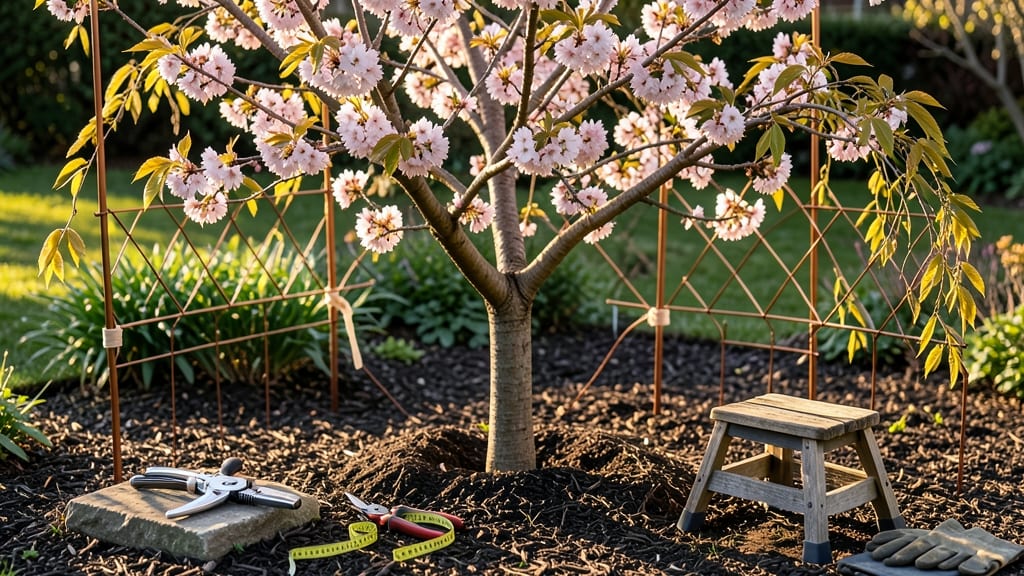
Tree Shaping Ideas: 10 Creative Pruning Techniques for Year-Round Structure

Trees

Tree Shaping Ideas: 10 Creative Pruning Techniques for Year-Round Structure

Discover tree shaping ideas that can turn your yard into a stunning, structured masterpiece—one that stands out year-round 🌳 — and the best part? You don’t need a green thumb to get started.

Picture this: your backyard transformed with trees that look like living sculptures, not just random branches. Whether you’re dreaming of a weeping willow, a neatly trimmed topiary, or an espaliered fruit tree, the right pruning techniques can make it happen.

The key is knowing which methods work best for your climate, tree type, and space.

From seasonal maintenance tips to the tools you’ll need, this guide breaks down everything you need to shape trees like a pro. We’ll cover everything from classic topiary to bold pollarding, so you can pick the perfect style for your garden.

Ready to give your trees a makeover? Let’s dive into 10 creative pruning techniques that will have your neighbors asking, “How’d you do that?”

10 Creative tree shaping techniques for unique landscape design

Transforming your yard into a living art gallery starts with mastering tree shaping techniques—where nature’s structure meets creative design. These methods allow you to sculpt trees into stunning focal points that enhance your landscape while preserving their health.

Whether you want to create a whimsical topiary or a structured espalier, each technique offers unique aesthetic and functional benefits. The key is selecting the right method for your tree species and climate while maintaining seasonal adaptability.

Tree shaping isn’t just about aesthetics—it’s also about structural integrity and long-term growth. For example, pollarding promotes dense foliage in hardwood trees like oaks, while weeping forms create elegant, cascading silhouettes perfect for small gardens.

Each technique requires specific tools, timing, and aftercare to ensure your trees thrive while showcasing your design vision. Let’s explore 10 creative techniques that will inspire your next landscaping project.

Technique Ideal Tree Species Best Season to Prune Tools Needed Maintenance Level
Espalier Apple, Pear, Citrus Late Winter/Early Spring Hand Pruners, Twine, Spreader Bars Moderate (Annual pruning)
Pollarding Oak, Beech, Horse Chestnut Late Winter (Dormant Season) Loppers, Saw, Pruning Sealant High (Regular cuts required)
Topiary Boxwood, Yew, Privet Spring & Summer Hand Pruners, Topiary Shears, Wire High (Frequent shaping)
Weeping Forms Willow, Japanese Maple, Weeping Cherry Late Winter Pruning Saw, Loppers Low (Minimal pruning)
Coppicing Hazel, Willow, Alder Winter (Dormant Season) Pruning Saw, Billhook Moderate (Biennial cuts)
Bonsai Juniper, Ficus, Pine Spring & Early Summer Concave Cutters, Wire, Tweezers Very High (Daily care)
Standard Trees Crabapple, Dogwood, Magnolia Late Winter/Early Spring Hand Pruners, Loppers Low (Minimal shaping)
Vine Training Grape, Wisteria, Clematis Spring & Summer

How to choose the right tree shaping method for your climate and space

Selecting the perfect tree shaping method depends on your local climate and available yard space. For example, drought-prone regions benefit from pollarding or espalier techniques that reduce water needs, while humid climates may require open-center pruning to improve airflow.

Always match your tree type—whether deciduous or evergreen—to the shaping style for best results.

Start by assessing your yard size. Small spaces thrive with dwarf varieties or compact topiary designs, while larger properties can accommodate tall pollarded trees or weeping forms.

Consider sunlight exposure too: full-sun trees like oaks handle bold shapes, while shade-tolerant species may need delicate layered pruning to maintain health.

For low-maintenance options, prioritize natural shaping over intricate designs. Deciduous trees respond well to selective thinning in late winter, while evergreens benefit from light annual trims to shape their dense foliage. Always use sharp, sterilized tools to prevent disease spread during pruning.

Quick Guide: Shaping by Climate & Space

Climate/Space Best Techniques Tree Types
Arid/Dry Pollarding, Espalier Olive, Fig, Mulberry
Humid/Wet Open-Center, Layered Magnolia, Crape Myrtle
Small Yards Topiary, Dwarf Espalier Japanese Maple, Boxwood
Large Properties Weeping Forms, Pollarding Willow, Oak, Pine

💡 Pro Tip: Always prune deciduous trees in late winter and evergreens in early spring for optimal regrowth.

If you live in a cold climate, focus on hardy species like linden or hawthorn, which tolerate pollarding well. In warm climates, citrus trees lend themselves to espalier or standard shapes for year-round interest.

Always check your USDA hardiness zone to ensure the tree and shaping method align with your region’s temperature extremes.

For busy gardeners, opt for minimalist shaping like natural pruning or selective thinning. These methods require fewer cuts while maintaining a healthy structure. Use slow-release fertilizers and mulch to reduce maintenance needs—this keeps your trees thriving with less effort.

Finally, observe your tree’s growth habits over time. Some fast-growing species like poplars need annual pruning, while slow growers like oaks can handle every 2-3 years. Adjust your approach based on seasonal changes and tree response to ensure long-term success.

With the right tree shaping method, your yard will become a year-round masterpiece that adapts to your lifestyle and climate. Start small, experiment with one technique at a time, and watch your trees transform into stunning focal points! 🌳

★★★★★4.7(9 reviews)
Categories Trees