
Landscaping
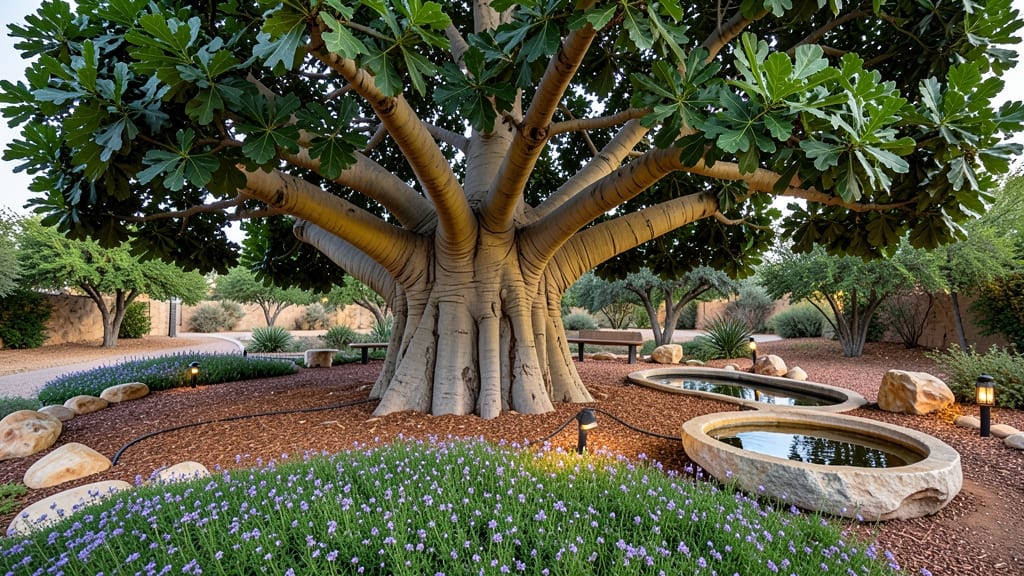
A Tree of Life landscape transforms your yard into a living sanctuary—where native trees, layered shrubs, and symbolic plants create both privacy and spiritual depth. 🌿 I designed mine around a southern magnolia as the centerpiece, surrounded by evergreen azaleas and fragrant boxwoods to ensure year-round greenery.
The magic lies in the layers: tall trees for structure, mid-height shrubs for texture, and ground covers to tie it all together. My design includes a winding gravel path that invites exploration, while the dense foliage blocks neighbors' views without sacrificing sunlight. The result?
A living wall that feels like a retreat, not just a fence. By mid-spring, you’ll see vibrant blooms from camellias and dogwoods, followed by lush summer canopies that keep your space cool. The fall brings fiery maple leaves, and winter? Evergreens hold their color while berries feed birds.
It’s a garden that works as hard as it looks—privacy, beauty, and wildlife support, all in one. This approach works for small urban yards or spacious estates. Start with a focal tree, then build outward with plants that thrive in your climate.
The key is balance: evergreens for structure, deciduous trees for seasonal interest, and low-maintenance ground covers to fill gaps. Let’s make your outdoor space feel like a sanctuary.
📚 In This Guide
- What you need
- Instructions
- Tips and common mistakes
- Wrapping up and next steps
What you need
- ● Tree of Life plants (Pachypodium lamerei) – 3-5 mature plants (6+ feet tall for instant impact) or 10-15 seedlings (3-4 feet tall) for gradual growth.
- ● Well-draining soil mix – 50% cactus/succulent soil + 30% perlite + 20% coarse sand (avoid heavy clay!).
- ● Organic compost – 1-2 bags (for nutrient-rich planting holes).
- ● Slow-release fertilizer – 10-20 lbs (look for a balanced 10-10-10 or 7-9-5 formula).
- ● Mulch (gravel or bark) – 2-3 cubic feet (to retain moisture and deter weeds).
- ○ Drip irrigation system or soaker hose – Optional but highly recommended for consistent watering.
- ● Shovel & garden trowel – For digging planting holes.
- ● Measuring tape & stakes – To mark plant spacing (4-6 feet apart for mature plants).
- ● Garden gloves & knee pads – For comfort during planting.
- ● Wheelbarrow – For mixing soil and transporting materials.
- ● Pruning shears – For shaping and maintaining growth.
- ● Erosion control fabric – If planting on a slope.
- ● Decorative rocks or pebbles – For a polished, desert-inspired look.
- ● Trellis or wire mesh – To support climbing plants (like jasmine or bougainvillea) for added texture.
- ● Solar-powered landscape lights – To highlight your Tree of Life at night!
Step-by-step instructions for designing a Tree of Life privacy screen
Here's how to create a stunning, evergreen privacy screen that thrives year-round.
🌱 Step 1: Select and Prepare Planting Locations
Choose a site with 6+ hours of sunlight daily and well-draining soil. The Tree of Life (Pachypodium lamerei) thrives in full sun but can tolerate partial shade in hotter climates. Mark planting spots 8-10 feet apart—this spacing ensures mature plants develop a full, lush canopy without overcrowding.
Dig holes twice as wide as the root ball and 1 inch deeper than the container. Loosen the sides of each hole with a shovel to prevent root circling later. If your soil is heavy clay, mix in 2-3 inches of compost into the bottom of each hole to improve drainage—this plant hates soggy roots.
🪴 Step 2: Plant Trees and Establish Support
Remove the tree from its container and gently tease apart any tangled roots. Place the plant in the hole so the top of the root ball sits 1 inch above ground level. This prevents waterlogging and allows for settling over time. Backfill with native soil, tamping lightly every 2 inches to eliminate air pockets.
Water deeply immediately after planting to settle the soil and encourage root contact. Install a 3-foot tall stake next to each tree and loosely tie the main stem with soft garden twine. The Tree of Life grows upright but may need support in windy areas—this prevents stem damage as it matures.
☀️ Step 3: Mulch and Water for Initial Growth
Spread 2-3 inches of mulch around each base, keeping it 6 inches away from the trunk to prevent rot. Use wood chips or bark mulch—they retain moisture and slowly release nutrients as they break down. Water deeply once weekly during the first 6 weeks, ensuring the soil stays moist but never soggy.
Watch for new growth in 4-6 weeks—healthy leaves will appear along the stems. If you notice yellowing or wilting, reduce watering slightly. The Tree of Life is drought-tolerant once established, but young plants need consistent moisture to develop strong roots.
✂️ Step 4: Prune and Maintain Year-Round
Lightly prune in early spring to remove any dead or damaged branches. Focus on shaping the canopy to encourage fuller growth—trim back any leggy stems by ⅓ of their length. Avoid heavy pruning; this plant grows slowly and benefits from natural form.
Fertilize once in early spring with a balanced, slow-release fertilizer. The Tree of Life doesn’t need frequent feeding—over-fertilizing can harm its delicate root system. Monitor for pests like mealybugs; wipe them off with a damp cloth if spotted. With proper care, your privacy screen will develop a stunning, dense canopy in 3-5 years.
Tips & tricks for perfect Tree of Life privacy screen
Creating a stunning privacy screen with Tree of Life plants is all about the details—here's how to ensure your landscape thrives for years to come.
Location is Everything: While the instructions mention 6+ hours of sunlight, I've found that morning sun with afternoon shade works best in hotter climates. The Tree of Life's thick stems store water, but too much afternoon sun can stress young plants. If you notice leaves curling or yellowing after planting, move them to a slightly shadier spot for the first few weeks.
Root Ball Preparation: When removing the Tree of Life from its container, I always give the roots a gentle shake to loosen them—this helps prevent transplant shock. The instructions mention placing the root ball 1 inch above ground level, but I've found it's worth double-checking this with a level. Uneven planting can cause water to pool and lead to root rot, especially in heavy clay soils where you're adding compost.
Watering Wisdom: The first 6 weeks are critical for establishing roots, but I've learned the hard way that "moist but never soggy" means checking soil moisture with your finger. Stick your finger about 2 inches into the soil—if it feels dry at that depth, it's time to water. Overwatering is the #1 killer of young Tree of Life plants, and they're surprisingly resilient once established.
Support System: While the 3-foot stakes work well, I've found that adding a second stake at a 45-degree angle provides better support in windy areas. The garden twine should be loose enough that you can slide your finger between it and the stem—too tight can girdle the plant as it grows. I also recommend checking the ties every few months and replacing them if they start to degrade.
Pro Tips for Tree Of Life Landscape
- Creating a stunning privacy screen with Tree of Life plants is all about the details—here's how to ensure your landscape thrives for years to come.
- Location is Everything: While the instructions mention 6+ hours of sunlight, I've found that morning sun with afternoon shade works best in hotter climates.
- Root Ball Preparation: When removing the Tree of Life from its container, I always give the roots a gentle shake to loosen them—this helps prevent transplant shock.
Frequently asked questions
Got questions about creating a stunning Tree of Life landscape? You’re not alone!
Here are answers to the most common concerns—from planning to maintenance—so you can design a thriving, year-round privacy screen with confidence.
What’s the best time of year to plant a Tree of Life for fastest growth?
The ideal window is early spring (March–April) or fall (September–October). Planting then gives roots time to establish before extreme heat or cold. Young trees thrive with consistent moisture, so mulch well and water deeply 2–3 times per week for the first month. Pro tip: Avoid planting in summer—heat stress slows growth!
How long does it take for a Tree of Life to provide full privacy?
Expect 3–5 years for dense canopy coverage, depending on climate and care. Fast-growing varieties (like Thuja occidentalis ‘Smaragd’) may reach 10–15 feet in 5 years, while slower types take longer. Spacing matters: Plant saplings 3–5 feet apart for quicker fill-in. Patience pays off!
Are there budget-friendly alternatives to full-sized Tree of Life plants?
Yes! Consider these cost-effective options:
- Container-grown saplings (cheaper than mature trees but still fast-growing).
- Native shrubs like Arborvitae or Holly for similar structure and lower maintenance.
- Dwarf varieties (e.g., ‘Teddy Bear’ Juniper) for smaller spaces or layered planting.
Check local nurseries for discounted bare-root plants in winter!
What pests or diseases should I watch for in a Tree of Life landscape?
Common issues include:
- Spider mites (yellowing leaves, webbing)—treat with neem oil.
- Bagworms (sacs on branches)—handpick or use Bt spray.
- Root rot (from overwatering)—ensure well-draining soil and avoid soggy roots.
Prevention tip: Prune for airflow and fertilize with balanced, slow-release granules to boost resilience.
How and when should I prune my Tree of Life for shape and health?
Prune twice a year:
- Late winter/early spring (before new growth) to shape and remove dead branches.
- Light trimming in summer (after flowering) to encourage bushiness.
Use clean, sharp shears and avoid over-pruning—never cut more than 1/3 of the foliage at once. Pro move: Step back and “see” the tree as a whole before snipping!
Wrapping up and next steps
Transforming your outdoor space into a year-round privacy haven with a Tree of Life landscape isn’t just possible—it’s a rewarding journey! 🌿 This resilient, fast-growing plant offers dense foliage, low maintenance, and stunning visual appeal, making it a perfect choice for any yard.
Whether you're shielding your patio from prying eyes or creating a serene retreat, the Tree of Life delivers beauty and functionality in every season.
Ready to get started? Sketch a rough design, gather your materials, and begin planting—your private oasis is just a few steps away! 🌱 For extra inspiration, explore local nurseries or online plant communities to refine your vision.