
Diseases
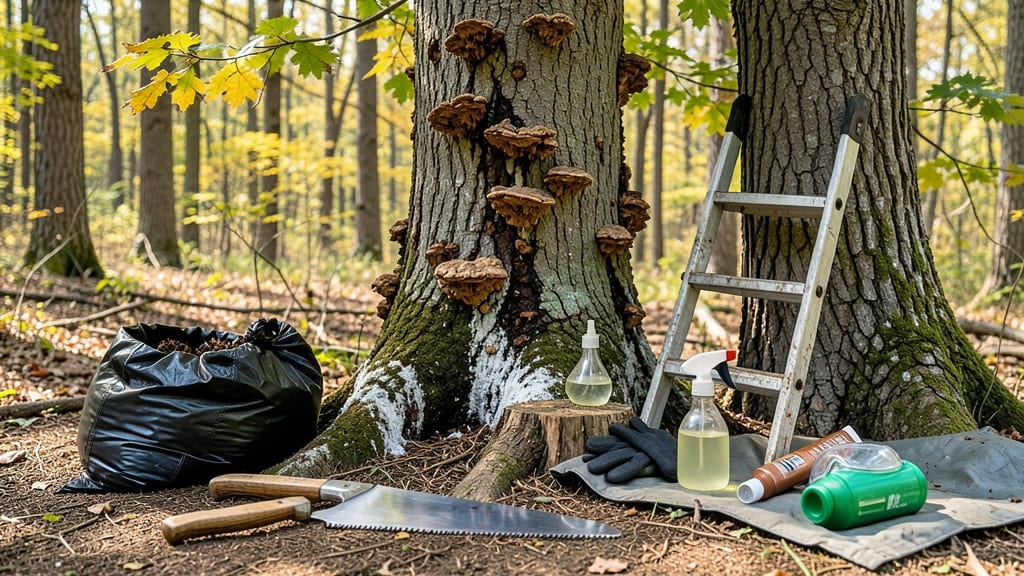
Your oak trees in Aledo aren’t just fighting heat—they’re battling the fungus removal in Aledo that turns leaves to sludge and weakens roots. 🌳 I’ve seen firsthand how Texas humidity turns anthracnose and oak wilt into year-round threats, but the right spray solution can stop them before they spread.
The key? Targeted treatments that respect your local ecosystem while keeping your trees strong.
Most fungicides fail because they treat symptoms, not causes. Here in North Texas, we need copper-based sprays for leaf spots, systemic fungicides for vascular diseases like oak wilt, and—most importantly—a plan to remove infected wood safely.
(Yes, that means bagging and burning, not just chopping and hoping.) The right approach cuts treatment time from months to weeks while protecting your lawn and garden.
By the time you’re done, your trees will look like they just survived a spring rain—not a fungal siege. We’re talking disease-free foliage by summer, stronger roots that outcompete weeds, and a yard that stays green even when Aledo’s heat spikes.
The secret? Spraying at the right time (early morning, after rain) and choosing products labeled for Texas conditions.
This works for live oaks, pecans, and even your prized crepe myrtles—no matter how bad the infection looks now. Let’s get those trees back to thriving, not just surviving.
Root Causes of Tree Fungus
Fungal infections in trees aren’t random—they thrive because of specific conditions and vulnerabilities. Understanding these causes helps you take action before problems escalate. Below, we break down the why behind tree fungus in Aledo’s climate and landscapes, with science-backed explanations and actionable insights.
Fungi love water—it’s their lifeline.
Trees in Aledo, especially those in compacted soil or low-lying areas, suffer when: - Overwatering: Roots stay soggy, creating the perfect humid microclimate for spores to germinate. Example: A Fomes fomentarius (tinder fungus) thrives on wet, decaying wood. - Poor Soil Drainage: Clay-heavy soils (common in North Texas) trap moisture, while mulch piled too high against the trunk suffocates roots and retains dampness. - Frequent Rain or Irrigation: Aledo’s summer storms or overzealous sprinkler systems keep bark and soil persistently wet, ideal for Armillaria (shelf fungus) and Phytophthora (root rot).
💡 Pro Tip: Test your soil’s drainage by digging a 12-inch hole and filling it with water. If it drains slower than 6 hours, amend with compost or sand to improve airflow.
Stressed trees are like open doors for fungi.
Common stressors in Aledo’s environment include: - Nutrient Deficiencies: Trees lacking nitrogen, phosphorus, or micronutrients (e.g., manganese or zinc) can’t fight off pathogens. Sign: Yellowing leaves or stunted growth before fungus appears. - Physical Damage: Cracks from hail, storm wounds, or improper pruning create entry points for Ceratocystis (oak wilt fungus) or Hypoxylon (Bitter Rot). - Pest Infestations: Bark beetles or borers weaken trees, leaving them vulnerable to secondary fungal infections like Ophiostoma (blue stain fungus).
⚠️ Warning: If your tree has epinasty (downward leaf curling) or oozing sap, it’s already compromised—act fast to prevent fungal spread.
Aledo’s hot, humid summers and mild winters create a fungal goldmine. Key triggers: - Temperature Ranges: Most tree fungi (e.g., Valsa canker) sprout between 70–85°F—perfect for Aledo’s peak growing season. - High Humidity: Spores need >75% humidity to infect.
Mornings with dew or afternoon thunderstorms (common in May–September) extend the fungal “window.” - Seasonal Shifts: Cool, wet springs (like Aledo’s April showers) wake dormant spores, while fall leaf litter traps moisture against trunks.
📊 Data Point: Studies show Botryosphaeria (dieback fungus) spreads 3x faster in trees under 60% canopy cover (less airflow = more humidity).
Fungi spread like wildfire in dense wooded areas or when trees are already declining:
- Competition for Resources: Trees fighting for sunlight, water, or nutrients (e.g., in Aledo’s urban forests) develop weak spots.
- Dead or Dying Wood: Snags (standing dead trees) host Polyporus (sulfur shelf fungus), which releases spores for years.
- Root Grafting: Some tree species (like oaks) share roots, allowing fungi to jump from one tree to another. Example: Armillaria spreads via underground mycelium networks.
🔥 Action Step: Thin out overgrown areas by 20–30% to improve airflow and reduce fungal cross-contamination.
Every cut or injury is a potential fungal highway.
Common mistakes in Aledo: - Ragged Cuts: Jagged pruning wounds (from chainsaws or shears) create rough edges where spores lodge. - Pruning Too Late: Trimming in wet seasons (spring/fall) delays healing, leaving trees susceptible to Nectria canker. - Over-Pruning: Removing >25% of a tree’s canopy in one session stresses it, inviting fungal invaders.
🎯 Best Practice: Prune during dry, mild weather (late winter/early spring) and use clean, sharp tools to make smooth cuts. Seal large wounds (>2 inches) with pruning sealant.
Fungi hitchhike on tools, mulch, and even neighboring plants:
- Unsterilized Pruners: Moving from an infected tree to a healthy one transfers spores. Solution: Clean tools with 70% isopropyl alcohol between uses.
- Infected Mulch/Soil: Old mulch or compost from diseased trees can harbor Rhizoctonia (root rot). Fix: Use sterilized wood chips or cedar mulch (naturally fungicidal).
- Weeds & Ground Cover: Plants like English ivy or kudzu smother tree bases, trapping moisture and harboring Phytophthora.
✨ Preventative Hack: Create a 2-inch mulch-free zone around the trunk to prevent soil-borne fungi from climbing up.
Step-by-Step Tree Fungus Removal
Fungal infections in trees and gardens can feel overwhelming, but with the right approach, you can restore your greenery to its former glory. Below are targeted solutions tailored to common causes of tree fungus in Aledo, along with prevention tips to keep your lawn and garden healthy long-term.
If your tree leaves are developing brown or black spots with yellow halos, it’s likely a fungal infection like anthracnose or leaf spot.
How to Fix It:
- 🌿 Prune Infected Branches
- Use sterilized pruning shears (wipe with rubbing alcohol between cuts) to remove and dispose of heavily infected leaves or branches.
- Avoid composting infected plant debris—bag it and trash it instead.
- 💦 Apply Fungicide Spray
- Choose a copper-based fungicide or a neem oil solution (mix 2 tbsp neem oil with 1 gallon of water + a drop of dish soap as a surfactant).
- Spray both sides of leaves thoroughly, focusing on the undersides where spores often hide.
- Reapply every 7–14 days during wet seasons (spring and fall).
- 🌱 Improve Air Circulation
- Thin out dense foliage to allow better airflow around the tree.
- Avoid overwatering—water at the base (not overhead) and early in the day so leaves dry quickly.
💡 Prevention Tip: ✔ Mulch properly—keep mulch 3–4 inches deep but 6 inches away from the trunk to prevent moisture buildup.
If your tree’s leaves yellow and drop prematurely, the bark shows shelf-like mushrooms at the base, or the soil smells musty, you may be dealing with root rot or Armillaria fungus—serious threats that can kill trees.
How to Fix It:
- 🔪 Remove Infected Soil & Roots (If Severe)
- Dig around the base of the tree (1–2 feet out) and remove contaminated soil (up to 6 inches deep).
- If the fungus has spread to nearby trees, consider removing the entire tree to prevent further infection.
- 🌧️ Adjust Watering Practices
- Stop overwatering immediately—fungi thrive in soggy soil.
- Install a drip irrigation system (if needed) to deliver water directly to roots without oversaturating the area.
- 🛡️ Apply Fungicidal Soil Treatment
- Mix mycorrhizal fungi (beneficial soil microbes) or a phosphite-based fungicide (like Phostrol) into the soil around the roots.
- For Armillaria, copper fungicide granules can help, but prevention is key—see tips below.
💡 Prevention Tip: ✔ Plant resistant tree species (e.g., oak, hickory, or pine) if fungal pressure is high in your area. ✔ Avoid wounding trees—prune only when necessary and sterilize tools to prevent entry points for fungus.
A white, powdery coating on leaves? That’s powdery mildew, a common but treatable fungal issue.
How to Fix It:
- 🧼 Clean Leaves with Baking Soda Spray
- Mix 1 tsp baking soda + 1 tbsp horticultural oil + 1 tsp dish soap in 1 gallon of water.
- Spray directly on infected leaves (test on a small area first).
- Reapply weekly until symptoms disappear.
- 🌿 Boost Tree Health with Fertilizer
- Apply a balanced, slow-release fertilizer (10-10-10) to strengthen the tree’s immune system.
- Avoid high-nitrogen fertilizers, which encourage soft, fungus-prone growth.
- 🌞 Increase Sunlight Exposure
- Thin out shady branches or nearby structures to allow more sunlight (powdery mildew loves shade and humidity).
💡 Prevention Tip: ✔ Water in the morning so leaves dry by evening—wet foliage at night = mildew magnet.
No matter the fungus, these proactive steps will reduce future outbreaks:
- 🌡️ Monitor soil moisture—use a moisture meter to avoid overwatering.
- 🍂 Rake up fallen leaves regularly (especially in fall) to remove fungal spores.
- 🌱 Plant fungus-resistant varieties (check with a local Aledo nursery for recommendations).
- 🔄 Rotate fungicides if you use chemical treatments to prevent resistance.
Need professional help? If the fungus has spread extensively or your tree is already dying, contact a certified arborist in Aledo for a targeted spray treatment or removal plan. Early action is key!
Frequently asked questions about tree fungus removal in Aledo
What are the most common tree fungi in Aledo’s climate?
In Aledo’s humid summers and mild winters, you’ll most likely encounter anthracnose (leaf spots), oak wilt (vascular disease), root rot (Phytophthora), and Armillaria (shelf fungus). Live oaks and pecans are especially vulnerable. The key is acting fast—these fungi spread rapidly when conditions are right.
Can I use household items like vinegar or baking soda to treat tree fungus?
For powdery mildew, a baking soda spray (1 tsp baking soda + 1 tbsp horticultural oil per gallon of water) works well as a preventive measure. However, vinegar is too harsh for trees—it can burn leaves and won’t penetrate fungal infections. For serious issues like oak wilt, you’ll need copper-based fungicides or professional treatments.
How do I know if my tree is beyond saving?
Look for these red flags: 50%+ leaf loss, large cankers (sunken, oozing wounds), or mushrooms growing from the base. If the tree leans heavily or has no green leaves by late spring, it’s likely too far gone. For Armillaria root rot, check for shelf-like mushrooms at the base—this means the fungus has already spread underground.
Is it safe to compost infected tree debris?
Never compost infected leaves, branches, or mushrooms—they’ll spread spores back to your garden. Bag the debris in thick plastic and dispose of it in the trash. For Armillaria or oak wilt, burn the infected wood (if local laws allow) or take it to a landfill. Even "sterilized" compost can harbor dormant spores for years.
When is the best time to apply fungicide in Aledo?
Apply fungicides early morning (before 9 AM) when humidity is high but before rain. For preventive treatments, target late winter/early spring (February–March) before fungal spores become active. If treating an active infection, reapply every 7–14 days during wet seasons (spring/fall). Avoid spraying when temperatures exceed 85°F—it reduces effectiveness.