
Trees
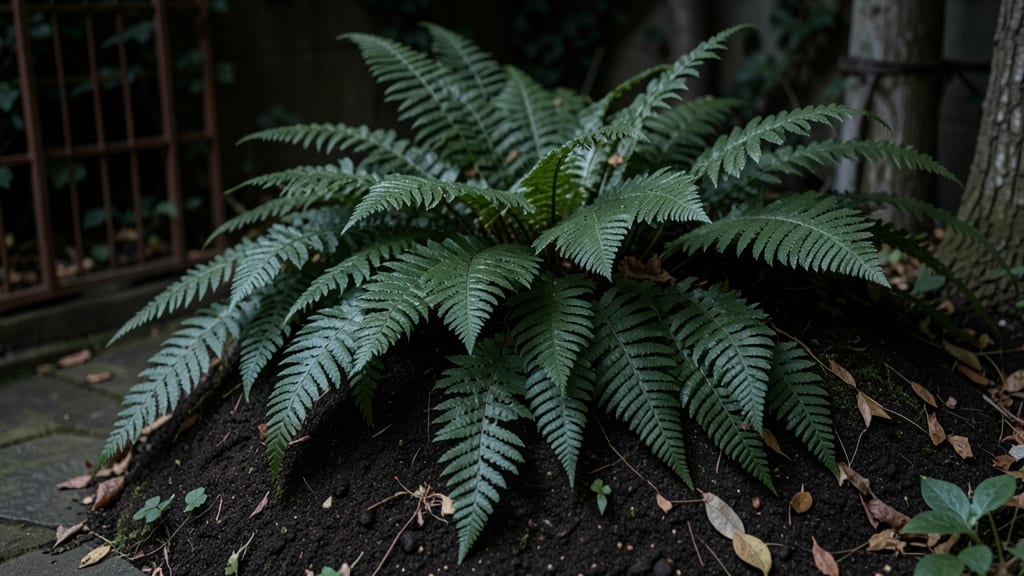
Transform your yard into a lush, natural privacy haven with these 10 tree berm ideas. These living screens grow taller over time, offering both beauty and functional privacy while blending seamlessly with your landscape design.
Evergreen Conifer Berm for Year-Round Privacy
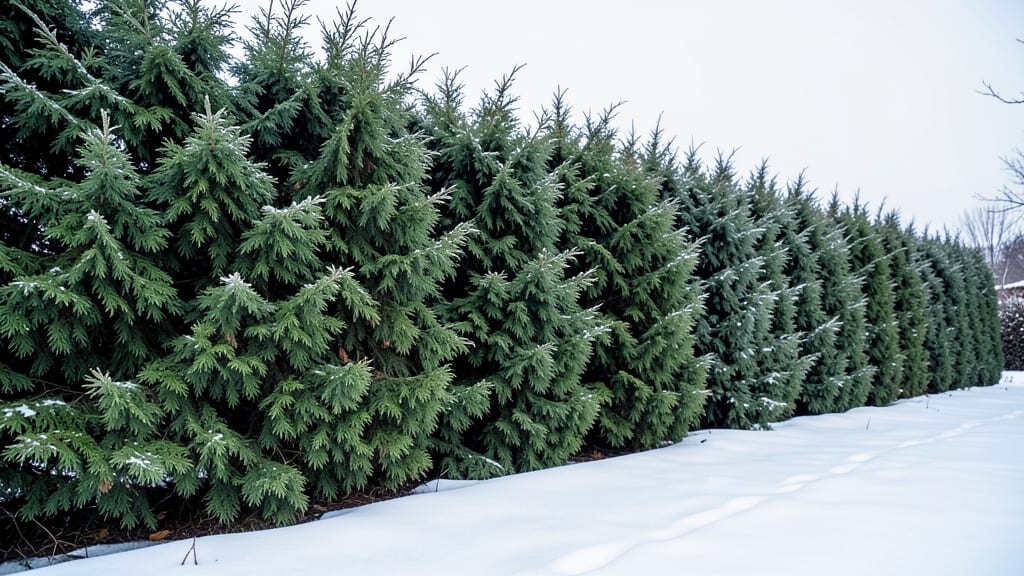
If you live in a cold climate where winter winds howl through your yard, an evergreen conifer berm is your year-round privacy solution. Unlike seasonal plants that shed leaves, arborvitae or thuja maintain dense, lush foliage even in freezing temperatures, creating a living windbreak that never loses its charm.
Start by shaping a mounded soil base (2-3 feet high) along your property line, then plant fast-growing evergreens like Emerald Green Arborvitae in a staggered pattern for natural density. These conifers thrive in full sun to partial shade and tolerate poor soil, making them low-maintenance workhorses. For extra wind resistance, space plants 3-4 feet apart to allow airflow while maintaining a thick screen.
This design is perfect for northern gardeners or anyone battling windy locations—it blocks views, muffles noise, and stays evergreen, so you’ll never see bare branches again. 🌟
Fast-Growing Willow Tree Berm for Quick Results
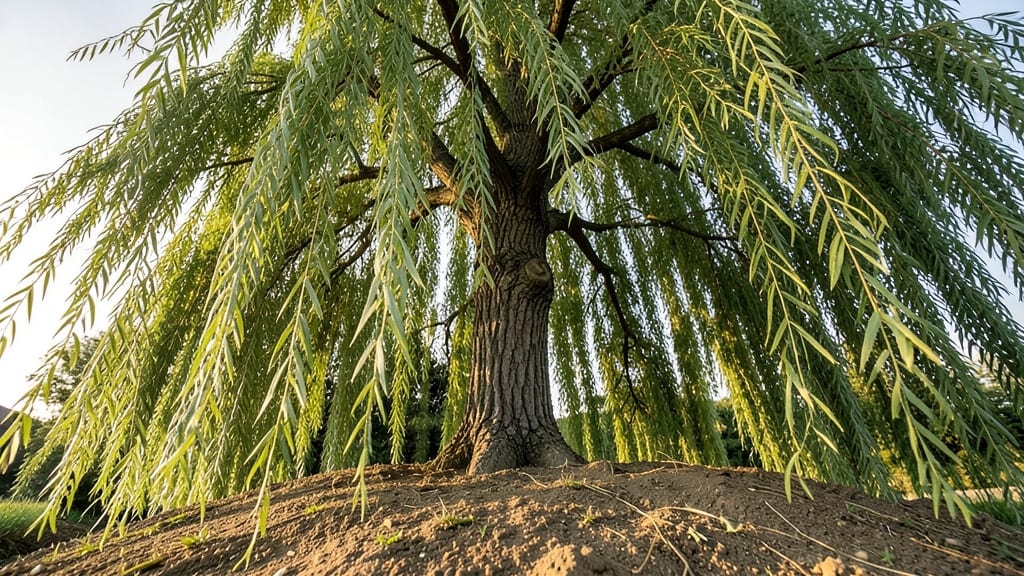
Need a privacy screen that grows fast—like watching paint dry, but greener? A willow tree berm delivers 5 feet of growth per year, turning bare spots into lush barriers in just a few seasons. Unlike slow-growing hedges, willows like Salix alba create instant visual impact while requiring minimal upfront effort.
Plant your willow along a property line or fence, shaping the soil into a gentle berm to encourage root spread. These trees thrive in moist, well-drained soil and tolerate full sun to partial shade, making them versatile for most climates. For extra drama, pair with a small pond or stream—their cascading branches love water and add a serene, natural touch. Prune lightly in late winter to maintain shape and encourage bushier growth.
Perfect for renters, urban gardeners, or anyone craving quick results, this berm grows with you—literally. Within two years, you’ll have a living privacy wall that’s both functional and stunning. 🌿
Native Deciduous Tree Berm for Wildlife Support
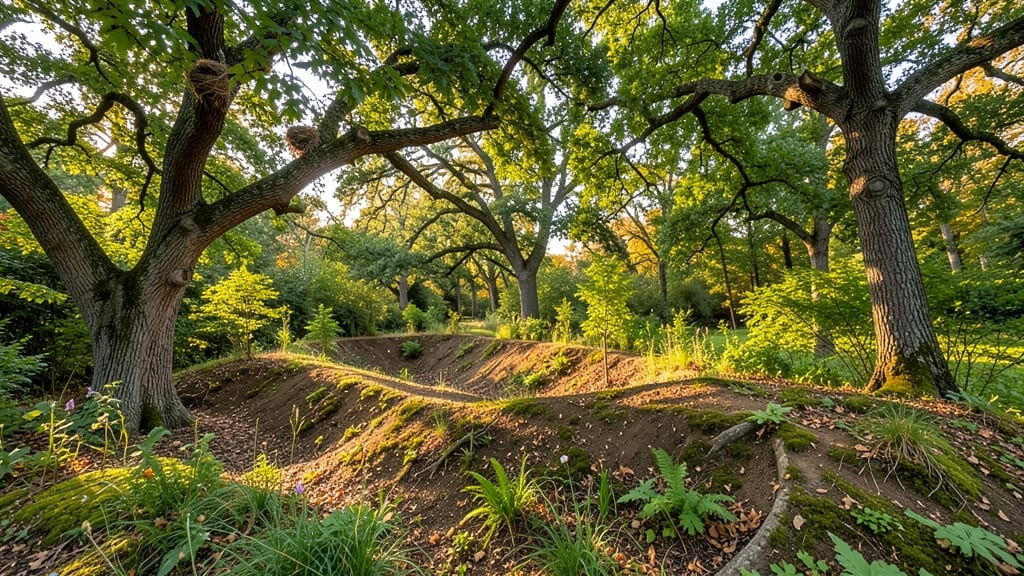
Want a privacy screen that does more than just block views? A native deciduous tree berm transforms your yard into a thriving ecosystem while offering seasonal privacy. Unlike evergreens or fast-growing willows, these trees provide year-round benefits for local wildlife, from birds nesting in oak branches to butterflies sipping nectar from maple flowers.
Start with native species like white oak (Quercus alba) or sugar maple (Acer saccharum), which establish deep roots that stabilize the berm while supporting pollinators. Plant in well-draining soil with a 3:1 soil-to-compost ratio, and space trees 15–20 feet apart for mature growth. Mulch with wood chips to retain moisture and suppress weeds, creating a low-maintenance habitat.
This design is perfect for eco-conscious gardeners who want to reduce their lawn while increasing biodiversity. Plus, the fall foliage adds a natural color palette that no plastic screen can match. 🌟
Bamboo Privacy Berm for Tropical Landscapes
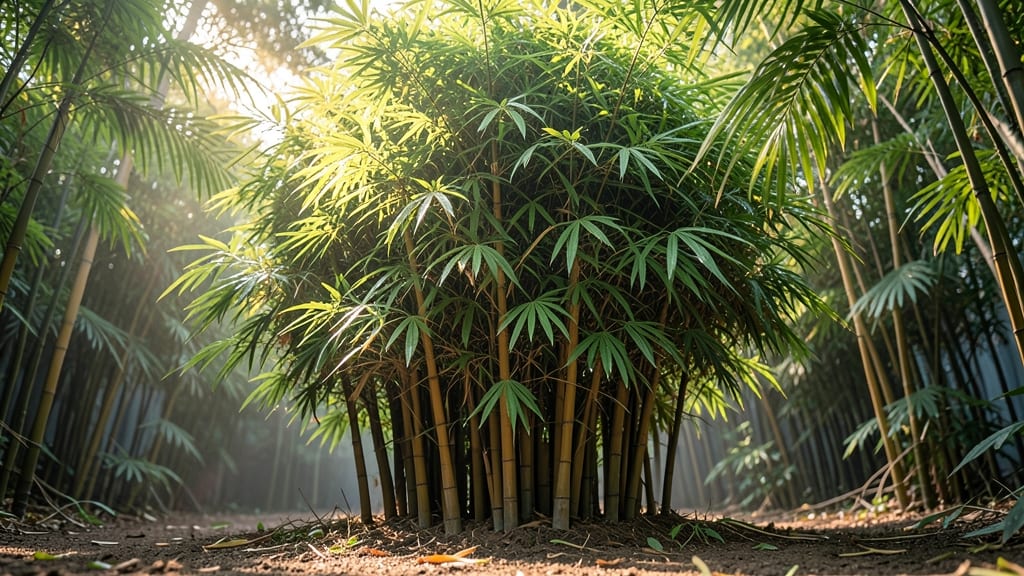
Want a fast-growing, tropical-feel privacy screen that won’t take over your yard? Clumping bamboo like Fargesia delivers dense, lush foliage without the invasive spread of running bamboo. These varieties thrive in humid climates and add a modern, natural aesthetic to any landscape.
For best results, plant clumping bamboo in well-draining soil with partial to full shade—they tolerate heat and humidity beautifully. Install a root barrier (at least 2 feet deep) to contain growth, and space plants 3-5 feet apart for a full, natural look. Pair with tropical plants like ferns or orchids to enhance the lush, exotic vibe.
This option is perfect for urban gardeners, modern landscapes, or anyone craving a low-maintenance yet striking privacy solution. The dense canes grow 6-10 feet tall, providing quick privacy in just a few years. 🌿
Mixed Shrub Berm for Textured Privacy Layers
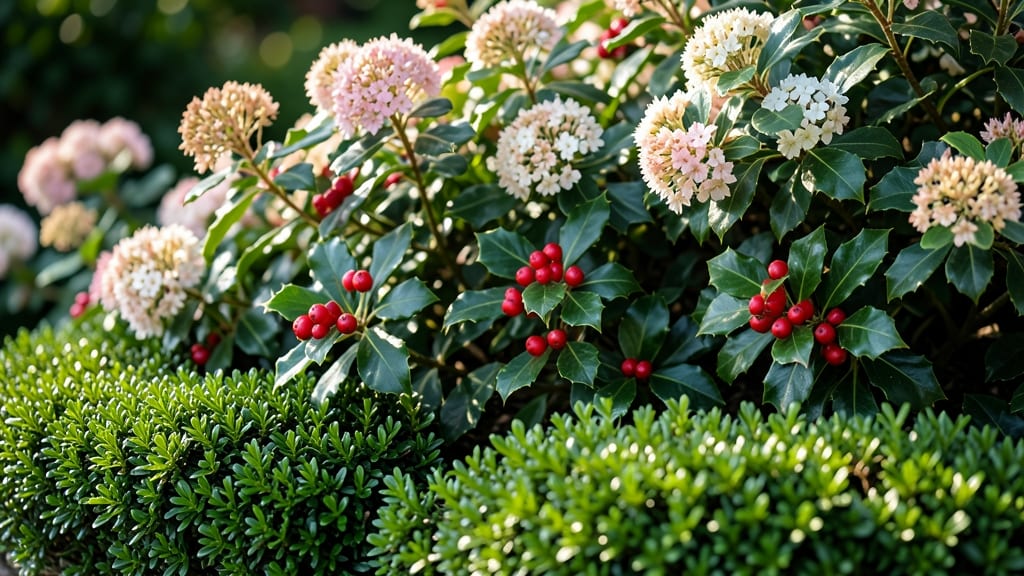
Craving a privacy screen that feels as refined as it is functional? A mixed shrub berm combines the structured elegance of boxwood, the glossy charm of holly, and the delicate blooms of viburnum into a layered masterpiece. Unlike single-species hedges, this design offers visual interest year-round with varying textures and seasonal color shifts.
Start by creating a gently sloped berm (3-4 feet high) along your property line. Plant boxwood at the base for its compact, evergreen structure, then layer holly (18-24 inches tall) in the middle for its glossy leaves and winter berries. Top with viburnum (3-5 feet tall) for spring flowers and fall foliage. Prune boxwood and holly twice yearly for neat edges, while viburnum benefits from light shaping after flowering. This combo thrives in partial shade to full sun and handles most soil types once established.
Perfect for formal gardens or urban backyards, this berm delivers structured privacy without the monotony of a single plant. Gardeners who love classic English styles will adore how it frames views while keeping neighbors' eyes where they belong. 🌿
Edible Fruit Tree Berm for Functional Beauty
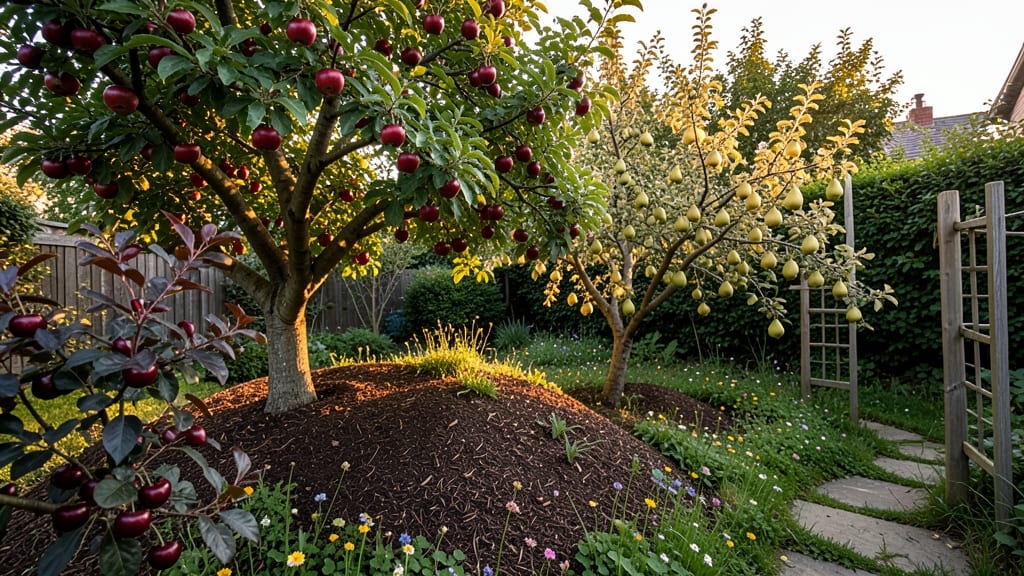
Turn your backyard into a fruit-bearing oasis with an edible fruit tree berm—where privacy and produce grow side by side. This dual-purpose design lets you harvest apples, pears, or cherries while creating a natural screen that matures over time, perfect for small spaces or urban lots.
Start by shaping a 3-4 foot high berm along your property line, planting dwarf or semi-dwarf fruit trees spaced 12-15 feet apart for optimal airflow. Use well-draining soil mixed with compost to support root growth, and mulch heavily to retain moisture. Choose pollination-friendly varieties (like 'Honeycrisp' apples or 'Bartlett' pears) to ensure fruit set. For urban gardeners, container-grown trees on the berm’s edge work beautifully.
This approach is ideal for homesteaders who want to maximize space or urban gardeners craving fresh fruit without sacrificing privacy. Plus, the seasonal blooms add beauty from spring to fall. 🌻
Drought-Tolerant Yucca and Agave Berm
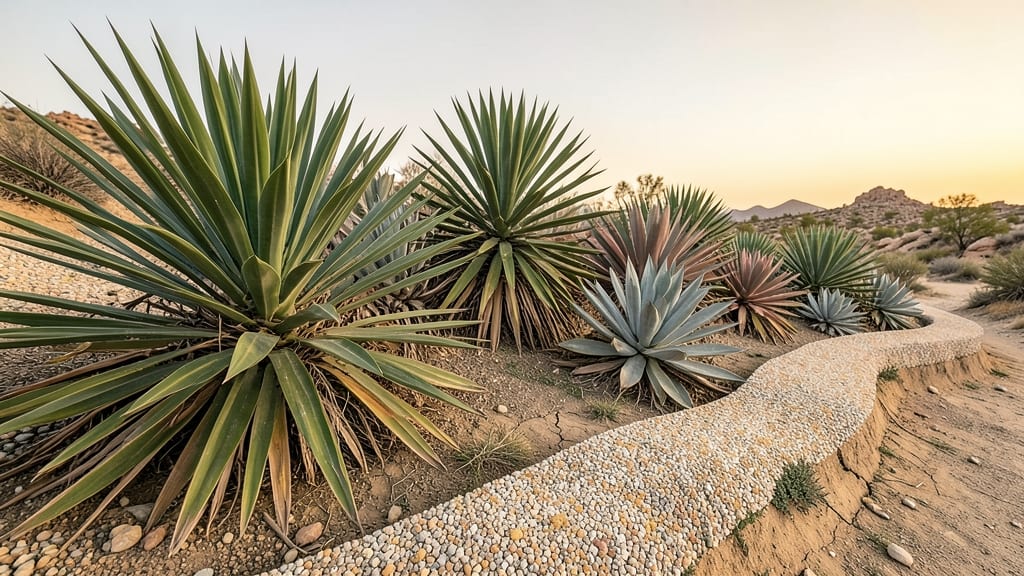
Skip the high-maintenance hedges—yucca and agave create a bold, drought-resistant berm that thrives on neglect. These architectural succulents demand minimal water once established, making them perfect for desert landscapes or water-restricted areas where traditional plants would struggle.
Plant yucca filamentosa or agave parryi in well-draining soil with 6 hours of sun daily, spacing them 3-4 feet apart for mature growth. Their striking rosettes and spiky foliage add modern structure, while their slow-growing nature means you’ll spend more time admiring than pruning. Mulch with gravel to deter weeds and retain moisture.
This design is ideal for urban gardeners in arid zones or anyone seeking a zero-fuss privacy solution that still delivers visual impact. 🌻
Flowering Tree Berm for Seasonal Color
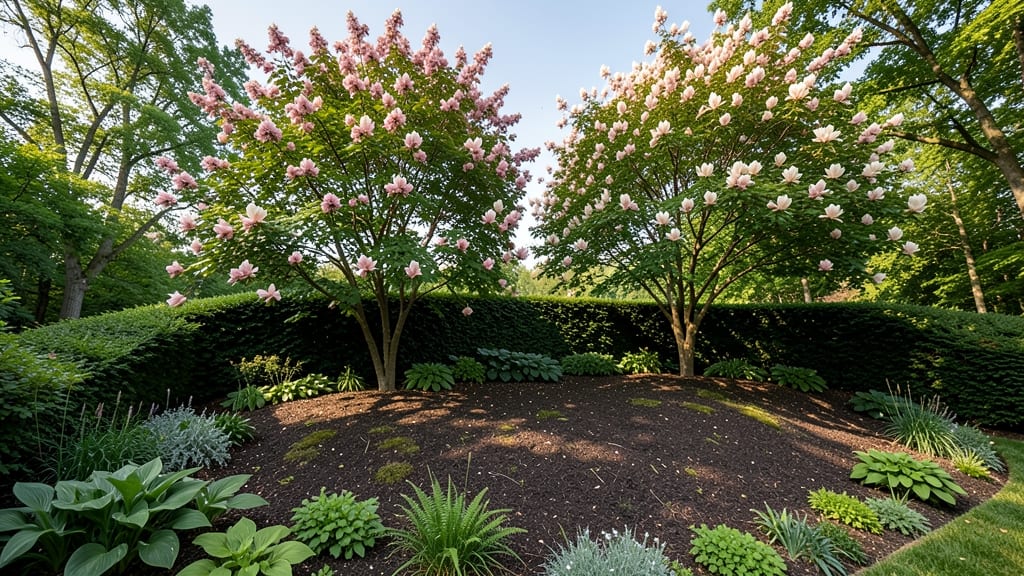
Want a berm that doesn’t just hide your view but wows it? A flowering tree berm transforms your landscape into a seasonal masterpiece, with dogwood or magnolia trees stealing the show in spring. Unlike evergreens or shrubs, these trees deliver dramatic color shifts—think blush-pink blooms or creamy white flowers—while their mature height (20-40 feet) provides lasting privacy.
Start by selecting a spring-blooming species like Kousa dogwood (disease-resistant) or southern magnolia (fragrant blooms). Plant them on a gradual berm slope (2-3 feet high) to create visual depth, and pair with understory plants like azaleas or ferns for year-round texture. Mulch heavily to retain moisture, as these trees thrive in well-drained, slightly acidic soil. Prune lightly after flowering to maintain shape without sacrificing next year’s blooms.
This design is ideal for gardeners who love seasonal drama but still need privacy. The early spring blooms create a focal point, while the tree’s mature foliage offers a lush, green backdrop for decades. Perfect for cottage-style gardens or romantic landscapes! ✨
Privacy Berm with Climbing Roses
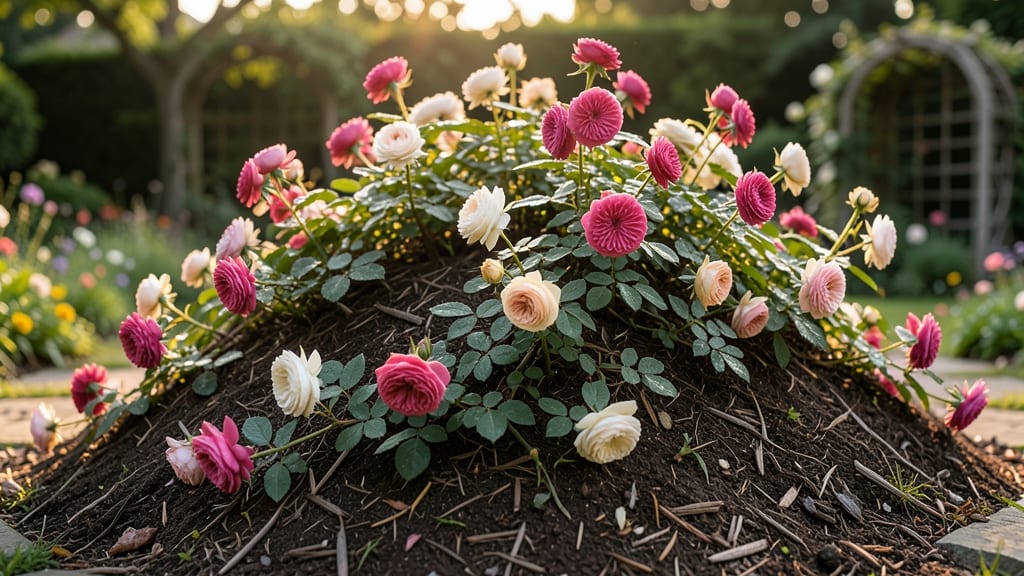
Skip the stiff hedges and create a romantic, fragrant privacy screen with a climbing rose berm. This living wall transforms a simple mound of soil into a fragrant, blooming masterpiece that softens views while filling your garden with intoxicating scents—perfect for cottage-style gardens or secluded patios.
Start by shaping a 3-4 foot tall berm along your property line, then install a sturdy wooden or metal trellis on the slope. Plant climbing roses like Blaze (disease-resistant) or Cecile Brunner (vibrant pink blooms) at the base, training vines to climb upward. Mulch with wood chips to retain moisture and suppress weeds, while adding companion plants like lavender or clematis for extra texture.
This design thrives in full sun to partial shade and offers year-round interest—even when not in bloom, the lush foliage provides a lush green backdrop. Ideal for gardeners who love scented gardens and want to break up formal lines with organic, flowing beauty. ✨
Evergreen Fern Berm for Shady Spaces

For gardeners with shady spaces that seem impossible to fill, an evergreen fern berm transforms dark corners into lush, textured focal points. Unlike sun-loving plants, varieties like holly fern (Cyrtomium falcatum) or leatherleaf fern (Rumohra adiantiformis) thrive in low light, creating a soft, feathery privacy screen that stays vibrant year-round.
Start by shaping a gentle mound of well-draining soil enriched with compost—ferns love moisture but hate soggy roots. Plant fern crowns 12–18 inches apart, spacing taller varieties like Japanese painted fern (Athyrium niponicum) in back for depth. Mulch with shredded bark to retain humidity and suppress weeds, then let the fronds cascade naturally over the berm’s edges.
This design is perfect for urban gardeners with limited sunlight or woodland enthusiasts seeking a low-maintenance, evergreen solution. The delicate fronds also attract beneficial insects, turning your berm into a mini ecosystem. 💚