
Pruning
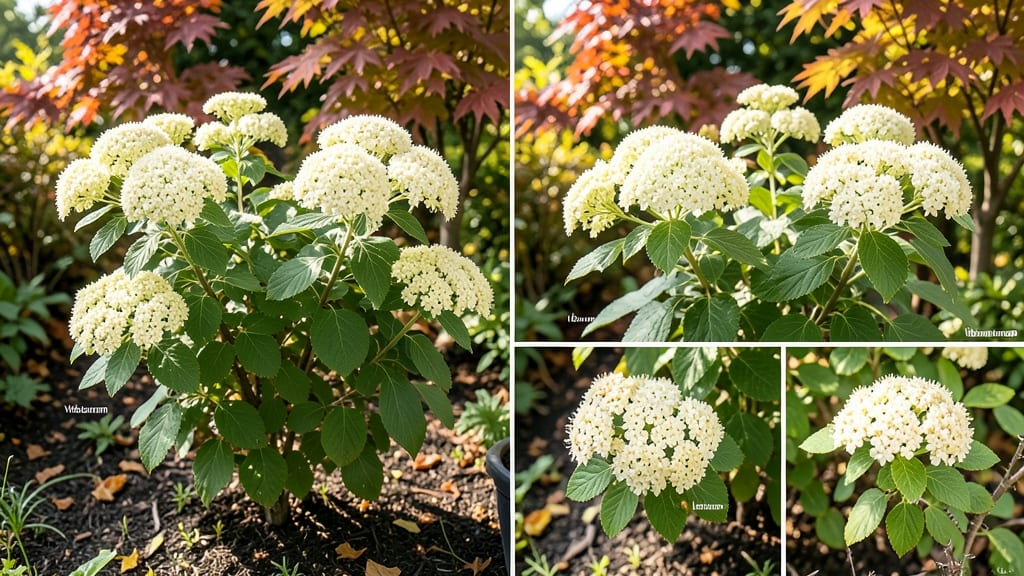
Deciding between a snowball tree (Viburnum opulus) and snowball bush (Hydrangea arborescens) comes down to shape, blooms, and how much pruning you’re willing to do. 🌿 Both deliver those iconic white clusters, but one thrives as a multi-stemmed shrub while the other grows as a single-trunk tree—each with its own pruning quirks for year-round beauty.
The snowball tree (Viburnum opulus) reaches 10–15 feet tall with a rounded canopy, while the snowball bush (Hydrangea arborescens) stays compact (3–5 feet) and bushy.
The tree’s leaves are lobed and maple-like, while the bush’s are smooth and oval, with the tree’s flowers appearing slightly later in spring. Both love full sun to partial shade and well-drained soil, but the bush tolerates heavier clay better.
Pruning makes all the difference: the snowball tree blooms on old wood, so prune right after flowering to shape, while the bush blooms on new wood, meaning you can cut back hard in late winter or early spring without fear.
With the right cuts, both stay lush year-round—just choose based on your space and patience for maintenance.
For small gardens, the bush wins with its tidy form and bold blooms. For statement height, the tree’s elegant branches and later flowers shine. Either way, a little strategic pruning keeps them looking like showstoppers through every season.
The first product explained
Meet the Snowball Tree (Viburnum odoratissimum)—a stunning, small-to-medium deciduous tree that brings year-round charm to your garden with its signature white, pom-pom-like blooms and glossy foliage. 🌸✨ Perfect for gardeners who love a classic, old-school elegance with a touch of whimsy, this tree is a showstopper in both spring and summer.
📏 Specs & Features
- Mature Height: 15–25 feet (varies by variety)
- Spread: 15–20 feet (broad, rounded canopy)
- Growth Rate: Moderate (1–2 feet per year)
- Bloom Time: Late spring (May–June), with occasional fall interest
- Sunlight Needs: Full sun to partial shade (6+ hours of sun for best blooms)
- Soil Preference: Adaptable but thrives in well-draining, slightly acidic soil
- Hardiness Zones: 7–10 (USDA)
- Lifespan: 30–50+ years with proper care
- Wildlife Appeal: Attracts pollinators and birds (especially during bloom season)
🎯 Target Users
The Snowball Tree is ideal for:
- Homeowners looking for a low-maintenance, long-lived focal point in landscapes, yards, or near patios.
- Urban gardeners with limited space (dwarf varieties like Viburnum odoratissimum 'Compactum' work well in containers or small gardens).
- Landscape designers who want a textural contrast with its dense, rounded shape and glossy leaves.
- Nature lovers who enjoy supporting pollinators and adding seasonal interest to their outdoor spaces.
💰 Price Point & Value
Pricing for a mature Snowball Tree (3–5 feet tall) typically ranges from $75–$200, depending on the nursery, region, and whether it’s container-grown or bare-root. Dwarf varieties may cost slightly less ($50–$120).
While the upfront investment is modest, its longevity, low-maintenance nature, and year-round appeal make it a high-value addition to any garden.
Pro Tip: 💡 Buy from reputable nurseries that offer guaranteed disease-resistant varieties—this ensures healthier growth and fewer pruning headaches down the road!
The second product explained
Meet the Snowball Bush (Hydrangea arborescens 'Annabelle')—the low-maintenance, high-impact alternative to the towering Snowball Tree! 🌸 This compact, deciduous shrub steals the show with its massive, snow-white blooms that appear in early summer and often persist into fall. Unlike its tree counterpart, the Snowball Bush is perfect for smaller spaces, containers, or garden beds where height isn’t a priority. Let’s dive into why this beauty might be your next favorite pruning project!
🌿 Key Specs & Features
- Size: Typically grows 3–5 feet tall and wide—ideal for borders, foundation plantings, or as a standalone specimen.
- Bloom Time: June–August (sometimes reblooms in fall with deadheading).
- Light Needs: Thrives in partial shade to full sun (morning sun + afternoon shade is perfect!).
- Soil Preference: Adaptable but prefers well-draining, slightly acidic soil (pH 6.0–7.0).
- Hardiness: Zones 4–9 (cold-hardy and drought-tolerant once established!).
- Pruning Needs: Minimal! Prune in late winter/early spring to shape or remove dead stems. No need for heavy cuts—just tidy up for fresh growth.
🎯 Who’s It For?
This shrub is a dream for:
- 🏡 Homeowners with limited space (it fits in tight spots where trees won’t!).
- 🌿 Beginner gardeners—its forgiving nature means fewer pruning mistakes.
- 🎨 Landscape designers looking for year-round interest (even the foliage turns a pretty bronze in fall!).
- 🐝 Pollinator lovers—its blooms attract bees and butterflies!
Plus, it’s pet-friendly (non-toxic to dogs and cats) and deer-resistant, making it a hassle-free addition to any yard.
💰 Price Point & Value
You’ll find Snowball Bushes priced between $25–$50 per plant at nurseries or online retailers, depending on size and pot. Pro tip: 💡 Buying in early spring (before peak season) often snags discounts! For container gardening, opt for a 1-gallon pot (~$30–$40) to save space and reduce transplant shock.
With its bold blooms, easy care, and versatility, the Snowball Bush is a no-brainer for gardeners who want drama without the upkeep of a full-sized tree. Ready to prune and watch it thrive? Let’s get growing!
Head-to-head comparison
Deciding between a snowball tree (Viburnum odoratissimum) and a snowball bush (Viburnum opulus) for your garden? Both plants are stunning, but their pruning needs, growth habits, and long-term care differ significantly.
Below, we break down their key differences in a side-by-side comparison to help you choose the perfect fit for your landscape—whether you’re aiming for a bold statement tree or a versatile, low-maintenance bush! ✨
🌿 Growth Habit & Size
If you’re dreaming of a dramatic focal point, the snowball tree wins this round. Here’s how they stack up:
| Feature | Snowball Tree (Viburnum odoratissimum) | Snowball Bush (Viburnum opulus) |
|---|---|---|
| Mature Height | 15–25 feet tall (with a spread of 10–15 feet) | 6–12 feet tall (with a spread of 8–10 feet) |
| Growth Rate | Moderate to slow (5–10 years to reach full size) | Moderate (can grow 1–2 feet per year) |
| Form | Upright, tree-like with a single trunk (if pruned properly) | Multi-stemmed shrub (often bushy and rounded) |
| Best For | Backyard accents, large gardens, or as a small shade tree | Hedges, borders, or mixed shrub beds |
Pro Tip: 🌡️ If you love the look of a snowball tree but have limited space, consider dwarf varieties or prune aggressively to keep it smaller. The snowball bush, on the other hand, thrives in tight spaces and can be sheared into a neat hedge!
🌸 Flowering & Seasonal Interest
Both plants are famous for their show-stopping snowball-shaped blooms, but timing and longevity vary. Here’s the scoop:
| Feature | Snowball Tree | Snowball Bush |
|---|---|---|
| Bloom Time | Late spring to early summer (May–June) | Mid to late spring (April–May) |
| Flower Color | Pure white, fragrant clusters (less showy than the bush) | Bright white, dense clusters (highly attractive to pollinators) |
| Fruit/Berries | Red berries in fall (edible but not ornamental) | Red berries in fall (edible, loved by birds, and add winter interest) |
| Fall Foliage | Yellow-green leaves (mild color change) | Vibrant red-purple leaves (stunning autumn display) |
| Winter Interest | Minimal (bare branches unless berries persist) | Berries and exfoliating bark add texture |
Pro Tip: 🎯 For year-round interest, the snowball bush is the clear winner—its berries and fall foliage keep the show going long after the tree’s blooms fade. If you’re all about spring drama, either plant will deliver!
✂️ Pruning Needs & Maintenance
This is where things get critical for long-term success. Pruning styles and frequency differ wildly between the two:
| Feature | Snowball Tree | Snowball Bush |
|---|---|---|
| Pruning Frequency | Annual pruning (best done in late winter/early spring) | Annual to semi-annual (can handle shearing for hedges) |
| Best Pruning Time | After flowering (to avoid cutting off next year’s blooms) | After flowering or in late winter (for shaping) |
| Pruning Goals |
|
|
| Deadheading? | Not typically needed (flowers are on old wood) | Optional (removing spent blooms can encourage reblooming in some cultivars) |
| Maintenance Difficulty | Moderate (requires patience for tree form) | Low to moderate (easier to shape and maintain) |
Pro Tip: 💡 For the snowball tree, less is more—aggressive pruning can stunt growth or reduce blooms. For the bush, regular shaping keeps it lush and prevents legginess. Always use sterilized tools to avoid disease!
💰 Cost & Availability
Budget-friendly or splurge-worthy? Here’s what to expect when shopping for these beauties:
| Feature | Snowball Tree | Snowball Bush |
|---|---|---|
| Price Range (Per Plant) | $50–$150 (larger specimens cost more) | $20–$80 (dwarf varieties may cost slightly more) |
| Availability | Less common (often sold as specialty trees) | Widely available (nurseries, garden centers, online) |
| Best Time to Buy | Fall or early spring (bare-root or container-grown) | Spring or fall (container-grown or bare-root) |
| Long-Term Costs | Higher (may need professional pruning for tree form) | Lower (easy to maintain with basic tools) |
Pro Tip: ✨ If you’re on a budget, the snowball bush is the clear winner—it’s
Which one should you choose?
So, which one is the right fit for your garden? The choice between a snowball tree (Viburnum odoratissimum) and a snowball bush (Viburnum opulus) depends on your space, goals, and maintenance style. Let’s break it down so you can make the perfect pick! 🌿✨
🌳 Pick the Snowball Tree If...
- You want a statement piece: The snowball tree’s tree-like structure makes it a focal point in larger gardens or as a standalone specimen. It’s perfect for creating height and drama!
- You love fragrance: Its intense, sweet scent (especially in spring) is unmatched—ideal for fragrant garden paths or near patios.
- You have space to spare: It grows 15–25 feet tall, so it’s best for yards with room to accommodate its mature size.
- You’re okay with patience: It takes 5–10 years to reach full bloom potential, but the wait is worth it for those show-stopping clusters!
🌺 Pick the Snowball Bush If...
- You need versatility: The snowball bush thrives as a hedge, border plant, or container shrub, making it adaptable to almost any garden style.
- You want quick results: It blooms earlier and more reliably in its first few years, giving you instant curb appeal.
- You’re short on space: With a 6–10 foot height, it’s ideal for smaller yards, urban gardens, or even large planters.
- You prefer low-maintenance blooms: While it may not be as fragrant, its bold, snowball-shaped flowers are a wildlife magnet (bees and butterflies love it!).
🔄 Pro Tip for Pruning Success 💡
No matter which you choose, pruning is key for year-round beauty! For the snowball tree, focus on structural shaping in late winter to encourage a strong central leader.
For the snowball bush, light pruning after flowering keeps it bushy and blooming. Check out our pruning guide for step-by-step tips tailored to each!
🏆 Final Verdict: Who Wins?
There’s no one-size-fits-all winner—it’s all about your garden’s personality! 🌟
| Factor | Snowball Tree | Snowball Bush |
|---|---|---|
| Best For | Large gardens, focal points | Small spaces, hedges, containers |
| Growth Size | 15–25 ft tall | 6–10 ft tall |
| Fragrance | ⭐⭐⭐⭐⭐ (Strong) | ⭐⭐ (Mild) |
| Bloom Speed | Slow (5–10 years) | Fast (1–3 years) |
| Pruning Effort | Moderate (structural focus) | Low (light shaping) |
Still unsure? Why not try both! Many gardeners plant a snowball bush as a hedge and a snowball tree as a backdrop for the ultimate spring display. Happy gardening! 🌸🌿