
Pruning
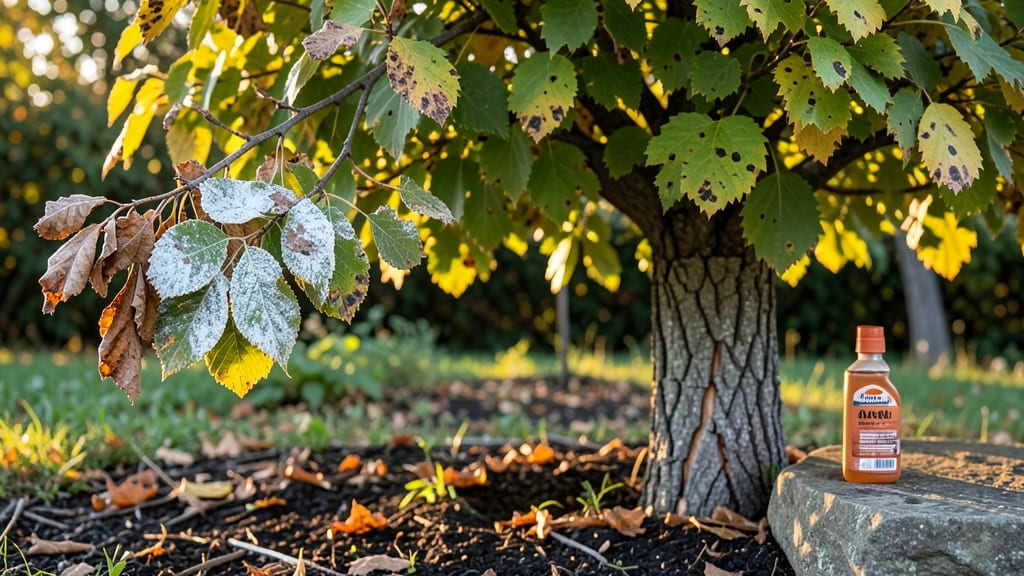
Your Siberian elm tree problems looked like they were fighting for its life—brown patches on leaves, dead branches, and growth that wouldn’t recover. 🌳 The truth is, these trees face serious issues like canker disease, Dutch elm disease, and environmental stress that can turn them from sturdy shade providers into struggling survivors.
Most problems start with fungal infections or pests like elm leaf beetles, but poor pruning or watering habits make things worse. I’ve seen trees decline because people prune at the wrong time or ignore early warning signs like yellowing leaves or oozing bark.
The good news? Catching these issues early means you can save your tree with the right care.
We’ll tackle pruning the right way—removing dead wood and thinning branches to improve airflow—plus natural remedies for fungal spots and pest control. With consistent care, your Siberian elm can bounce back stronger, even after years of neglect. Let’s get it thriving again.
For advanced cases, like widespread dieback or signs of Dutch elm disease, calling an arborist is the smart move. But for most issues, these fixes work wonders—just don’t wait until it’s too late. Your tree’s revival starts with understanding the problem first.
Root Causes Behind Siberian Elm Struggles
Understanding why your Siberian elm (Ulmus pumila) is battling canker, dieback, or weak growth starts with its biology and environment. These trees are hardy but not invincible—here’s why they falter, broken down by the most common culprits.
Siberian elms are particularly vulnerable to fungal and bacterial infections, especially elm canker diseases (like Ophiognomonia ulmi or Cercospora ulmi). These pathogens exploit weak spots in the bark, creating cankers that girdle branches and block nutrient flow.
Why it happens:
- Wet, humid conditions create the perfect breeding ground for spores. Fungal spores splash onto wounds (from pruning, storms, or insect damage) and germinate within 24–48 hours.
- Stressed trees (due to drought, poor soil, or overcrowding) have weakened defenses, making them easier targets.
- Older trees develop thicker bark, but cracks or peeling bark provide entry points for pathogens.
🔍 Actionable insight: Fungal cankers often start as sunken, discolored lesions with oozing sap. If left unchecked, they can kill branches or even the entire tree.
Siberian elms thrive in full sun and well-drained soil, but deviations from these ideal conditions trigger decline. Common stressors include:
| Stressor | How It Harms the Tree | Signs to Watch For |
|---|---|---|
| Poor drainage | Roots suffocate, leading to root rot (Phytophthora or Armillaria). | Yellowing leaves, mushrooms at the base. |
| Compacted soil | Restricts oxygen flow, stunting root growth and nutrient uptake. | Slow growth, wilting even when watered. |
| Extreme heat/drought | Causes physiological drought stress, leading to leaf scorch and dieback. | Brown, crispy leaf edges, premature leaf drop. |
| Urban pollution | Acid rain and ozone damage leaves, reducing photosynthesis. | Yellowing between leaf veins, stunted growth. |
💡 Pro tip: If your tree is in a low-lying area or heavy clay soil, amend with compost or sand to improve drainage. Mulch (2–4 inches) helps retain moisture without smothering roots.
While Siberian elms are less targeted by pests than other elms (like American elms), elm leaf beetles, borers, and scale insects can still wreak havoc. Their feeding weakens the tree, making it more susceptible to disease.
Why it happens:
- Elm leaf beetles (Xanthogaleruca luteola) skeletonize leaves, reducing the tree’s ability to photosynthesize.
- Bark borers (Scolytus spp.) tunnel into the cambium layer, disrupting nutrient transport and creating entry points for fungi.
- Scale insects excrete honeydew, which fosters sooty mold—a black fungal growth that further blocks sunlight.
🚨 Red flag: Look for chewed leaves, sawdust-like frass (borer droppings), or sticky residue on branches.
Improper pruning is a top cause of canker and dieback in Siberian elms. Unlike some trees, elms are sensitive to wound size and timing.
Why it happens:
- Large, jagged cuts leave excessive exposed wood, creating perfect entry points for pathogens.
- Topping or flush cuts (removing entire branches back to the trunk) disrupt the tree’s natural structure and promote weak regrowth.
- Pruning during wet seasons (spring/fall) increases the risk of fungal infections, as wounds take longer to heal.
✂️ Best practices:
- Use clean, sharp tools and make cuts at a 45° angle just outside the branch collar.
- Avoid pruning in spring or fall—opt for late winter (dormant season) when fungal spores are less active.
- Never remove more than 25% of the canopy in one year to prevent shock.
While Siberian elms are disease-resistant compared to American elms, they’re not immune to inherited vulnerabilities.
Some trees are predisposed to: - Weak branch unions (where branches meet the trunk), leading to splits or cankers. - Slow growth habits, making them more susceptible to competition from faster-growing species (like maples or oaks). - Shallow root systems, which struggle in high-wind or urban environments with limited soil depth.
🔮 How to spot it: If multiple trees in your area show similar symptoms (e.g., dieback starting at the same height), genetics may be the culprit. In this case, replacement with a more resilient species (like hackberry or Russian olive) might be needed.
Siberian elms evolved in cold, continental climates but can struggle in humid subtropical or coastal regions.
Key climate-related issues include: - High humidity + warm winters = Fungal outbreaks (like anthracnose). - Salty or alkaline soils (common in coastal areas) = Nutrient deficiencies (e.g., iron chlorosis). - Late frosts = Bud damage, leading to sparse foliage.
🌡️ Climate workaround: If you’re in a humid zone, choose a drier planting site or opt for a more drought-tolerant cultivar like Ulmus pumila ‘Compressa’.
Most Siberian elm problems don’t happen in isolation. A single stressor (like drought) weakens the tree, making it vulnerable to pests or disease, which then triggers dieback or canker. The key to prevention? Proactive care—monitoring, proper pruning, and addressing issues early.
💡 Quick checklist for healthy elms: ✅ Water deeply during drought (1–2 inches per week). ✅ Inspect annually for cankers, borers, or leaf damage. ✅ Prune strategically—only when necessary and with clean cuts. ✅ Test soil for pH/nutrients if growth is stunted.
Practical fixes for Siberian elm health
Siberian elm trees are hardy, but they’re not immune to issues like canker disease, dieback, or weak growth. The good news? Most problems can be managed—or even prevented—with the right care.
Below, we’ll break down targeted solutions for common Siberian elm woes, including step-by-step fixes and proactive tips to keep your tree thriving.
Canker is a fungal or bacterial infection that creates sunken, oozing sores on bark. If left untreated, it can girdle branches and kill the tree. Act fast with these steps:
🔥 Remove Infected Tissue
- Sterilize your tools – Use rubbing alcohol or a 10% bleach solution to clean pruners between cuts.
- Cut out the canker – Make a clean, angled cut 6–12 inches beyond the visible infected area (healthy tissue should be firm and green).
- Disinfect the wound – Apply fungicide (like copper-based sprays) or pruning sealant to prevent reinfection.
🍳 Prune for Airflow
- Thin out dense branches to reduce humidity near the trunk (fungi thrive in damp conditions).
- Avoid heavy pruning in wet weather—wait for dry days.
🌡️ Prevent Future Outbreaks
- Water at the base (not overhead) to keep foliage dry.
- Remove fallen leaves/debris—burn or compost them (don’t mulch near the trunk).
- Monitor for stress—overwatering or poor soil drains weaken defenses.
Dieback (brown, dead branches) often stems from poor circulation, pests, or disease. Here’s how to nurse your tree back to health:
⏰ Assess the Damage
- Test for pests – Look for sawdust-like frass (termite sign) or borer holes.
Use a screwdriver to probe—if it sinks in easily, borers may be present. - Check for girdling roots – Dig gently around the base—roots wrapped around the trunk can strangle the tree.
👨🍳 Prune Strategically
- Remove dead/dying branches – Cut just outside the branch collar (the swollen area where the branch meets the trunk).
- Thin the canopy – Open the center to improve light and airflow.
- Avoid topping – This creates stubs that invite disease.
🎯 Boost Tree Vitality
- Fertilize in early spring – Use a balanced, slow-release fertilizer (10-10-10) if soil tests show deficiencies.
- Mulch properly – Apply 2–4 inches of mulch (wood chips, not bark) 3 inches away from the trunk.
- Deep water weekly – Aim for 1–1.5 inches of water per week (deep soak, not frequent light watering).
If your Siberian elm is stunted, sparse, or leggy, it likely needs better nutrition, light, or root support.
🥗 Soil & Nutrition Fixes
- Test your soil – Siberian elms prefer slightly acidic to neutral pH (6.0–7.5).
Amend clay soil with compost or sand. - Add organic matter – Mix in aged manure or worm castings for slow-release nutrients. - Micronutrients matter – If growth is poor, a chelated iron or manganese spray can help (common in alkaline soils).
☀️ Optimize Light & Space
- Plant in full sun – Siberian elms need at least 6–8 hours of sunlight daily.
- Avoid root competition – Keep other plants 10+ feet away to prevent nutrient theft.
- Transplant carefully – If moving the tree, prune 1/3 of the canopy and water deeply for 2 weeks before/after.
✨ Long-Term Prevention
- Prune in late winter/early spring – This encourages stronger new growth.
- Watch for pests early – Elm leaf beetles and Japanese beetles love Siberian elms.
Use neem oil or insecticidal soap as needed. - Monitor for verticillium wilt – If leaves yellow and wilt suddenly, remove infected trees (no cure—prevent spread).
If your tree is already in decline (50%+ dieback, oozing cankers, or fungal mats at the base): 1. Call an arborist – Large or mature trees may need professional cable bracing or structural pruning.
- Consider replacement – If the tree is beyond saving, remove it to prevent disease spread to nearby plants.
- Quarantine the area – Don’t compost infected wood—burn or dispose of it in sealed bags.
Pro Tip: 💡 Healthy Siberian elms are low-maintenance—most issues stem from neglect, poor pruning, or stress. A little preventive care goes a long way! Start with proper pruning, soil prep, and pest monitoring, and your tree will bounce back stronger.
Frequently asked questions
Why does my Siberian elm develop cankers on the bark?
Cankers form when fungal or bacterial pathogens (like Ophiognomonia ulmi) infect wounds in the bark. These infections thrive in wet conditions and stressed trees. Look for sunken, discolored lesions with oozing sap—these are clear signs of canker disease. Prune infected branches immediately and apply copper fungicide to prevent spread.
How can I tell if my Siberian elm has Dutch elm disease?
Dutch elm disease causes sudden wilting of branches, even when leaves appear healthy. Check for dark streaks in the bark when you cut a small branch—this indicates vascular blockage. Siberian elms are more resistant than American elms, but if you spot these symptoms, remove infected branches immediately and call an arborist.
What should I do if my Siberian elm has yellow leaves?
Yellow leaves often signal nutrient deficiencies (like iron or nitrogen), overwatering, or root rot. Test your soil—if it's too alkaline, amend with sulfur. Water deeply but less frequently (1–1.5 inches per week). Avoid compacted soil by adding compost and ensure proper drainage to prevent root issues.
Are Siberian elms prone to pest problems like elm leaf beetles?
Yes, but less than other elms. Watch for chewed leaves or sawdust-like frass (borer droppings). Use neem oil or insecticidal soap for beetles. For borers, inject systemic insecticides into the trunk. Prune to improve airflow and reduce humidity, which deters pests.
When is the best time to prune a Siberian elm to avoid disease?
Prune during late winter or early spring (dormant season) when fungal spores are least active. Avoid pruning in wet weather—clean cuts heal faster in dry conditions. Always sterilize tools between cuts and remove no more than 25% of the canopy in one year to prevent stress.